Acting
A six-part French documentary about the Second World War composed exclusively of actual footage of the war as filmed by war correspondents, soldiers, resistance fighters and private citizens. The series is shown in color, with the black and white footage being fully colorized, save for some original color footage. The only exception to the treatment are most Holocaust scenes, which are presented in the original black and white.
World War II In Colour is a 13-episode television documentary miniseries recounting the events of World War II narrated by Robert Powell. The show covers the Western Front, Eastern Front, and the Pacific War. It is on syndication in America on the Military Channel. This series is in full color, combining both original and colorized footage.
No description available.
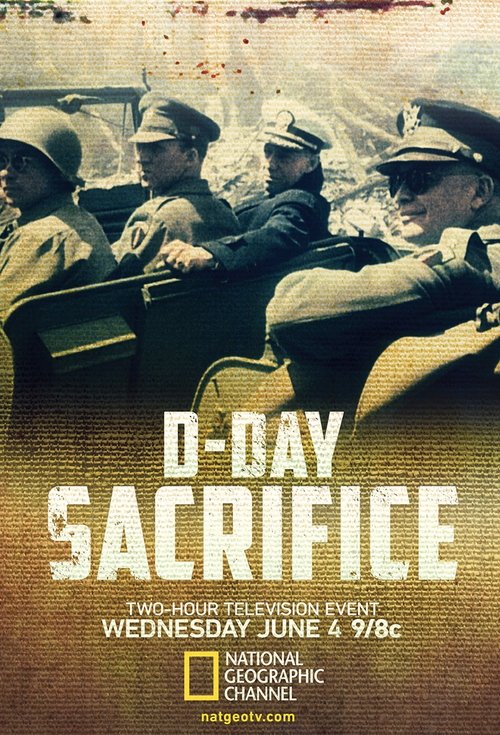
Comprised entirely of re-mastered and colorised archive footage from World War II, much of it never before seen, Sacrifice recounts the story of D-Day through the testimonies of those who lived it. These important historical days are seen through the eyes of French civilians and members of the military fighting on both sides. The testimonies of famous individuals like Dwight D. Eisenhower and Erwin Rommel are intertwined with those of anonymous soldiers and citizens, such as film director Samuel Fuller and Eisenhower's chauffeur, Kay Summersby. From the preparations for D-Day all the way through to the liberation of Paris, the accounts of these men and women provide a moving and invaluable retelling of this pivotal time in history.
Using highly advanced colourisation techniques, critical moments from World War II, from Stalingrad to The Battle of Britain, are shown in a whole new light.
The key individuals of the Iraqi-Nazi connection.
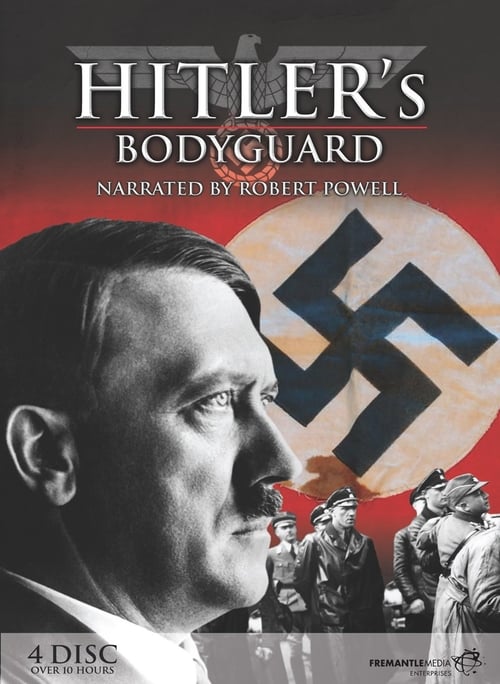
Adolf Hitler caused the deaths of fifty million people. An entire nation followed him to ruin. Over a tumultuous 12 years Adolf Hitler went from being a minor rabble-rousing politician, to supreme leader of Nazi Germany. He was hated by those he persecuted, and even by some of his own commanders - yet in twenty-five years no one managed to kill him. This program shows how Hitler's bodyguards helped him cheat death on many occasions. They expanded from a handful of thugs recruited to protect political meetings and fight opponents on the streets, to many thousands - including some of the most fearsome secret police and paramilitary forces the world has ever known.
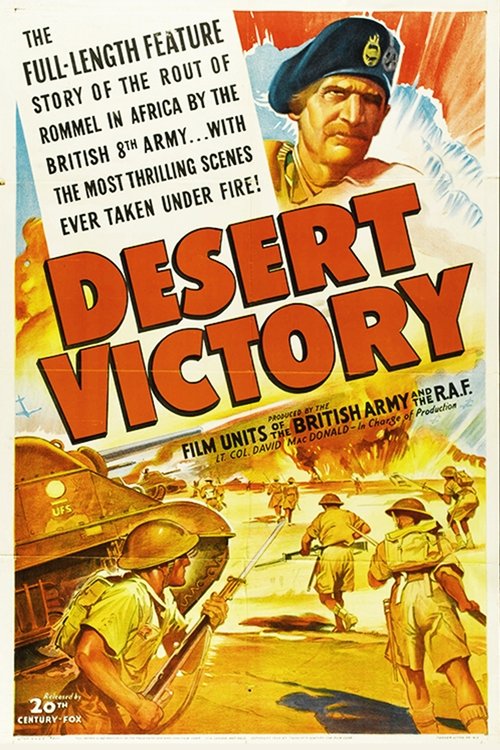
A featureless land fit only for war, as the narrator, J. L. Hodson stated in the early scenes: "If war was to be fought then let it begin here". In endless miles of rock-strewn scrub desert, where civilians hardly existed. Desert Victory tells the story of the Allied campaign to drive Germany and Italy from North Africa is analysed, with the major portion of the film examining the battles at El Alamein, including some re-enactment. Won "Best Documentary Feature" at the 16th Academy Awards in 1944.
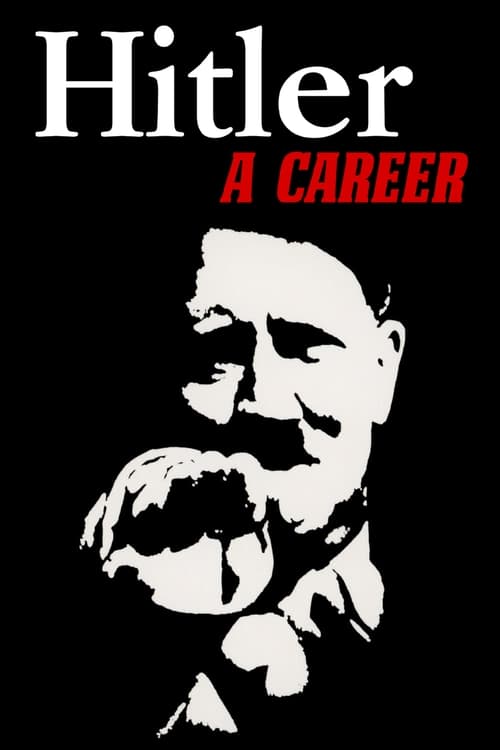
A keen chronicle of the unlikely rise to power of Adolf Hitler (1889-1945) and a dissection of the Third Reich (1933-1945), but also an analysis of mass psychology and how the desperate crowd can be deceived and shepherded to the slaughterhouse.
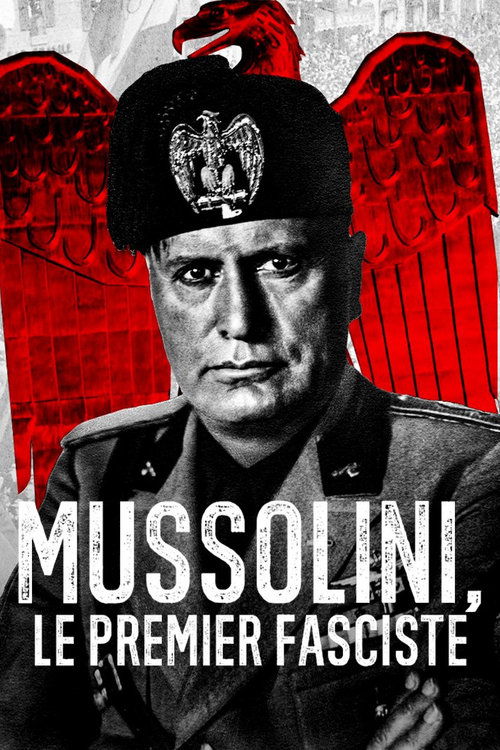
Mussolini seized power in Italy in 1922, after his March on Rome. He would hold it in his grasp until his death in 1945, establishing a dictatorship that lasted more than 20 years. Long considered a buffoon and a second-rate dictator, Il Duce invented fascism that was imitated by Hitler, who viewed the Italian as his political master. He wanted to transform his country into a warrior nation and promised Italians a return to the grandeur of the Roman Empire. He governed by violence and trickery and was one of the first populist leaders of modern times, leading his country into the catastrophe of the World War II. But who was Mussolini, this former teacher who came from the extreme left to become a newspaper editor and creator of the Fascist Party? Why did he ally himself with Hitler? Were the Italians really behind him? With archives and interviews with the last-surviving witnesses of the era, this portrait takes a look back at one of the most notorious dictators of the 20th century.
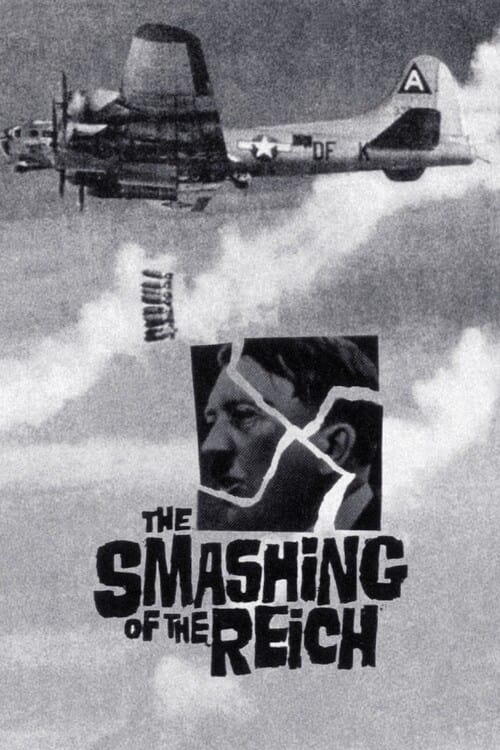
An unpublished documentary film proposed in restored version. 100 million meters of film viewing, film libraries inventoried 11 countries and 3 years of work were needed to bring these documents. This documentary evokes the destruction of the Nazi war machine with a particular emphasis on air power. The most significant events are recounted as the Normandy landings, the battle of Paris, the last German offensive with the historical siege of Bastogne and the landing on the island of Elba. Also shown are the bombing of German industrial centers, and the liberation of concentration camps.
Ireland, June 1944. The crucial decision about the right time to start Operation Overlord on D-Day comes to depend on the readings taken by Maureen Flavin, a young girl who works at a post office, used as a weather station, in Blacksod, in County Mayo, the westernmost promontory of Europe, far from the many lands devastated by the iron storms of World War II.
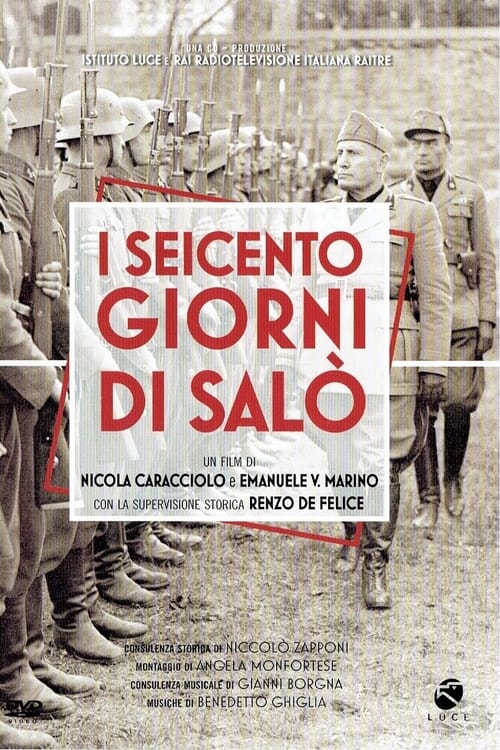
the italian social republic was born in september 1943 after the armistice with the allies and the liberation of mussolini, as an attempt to rebuild an italian state that would continue the work of fascism. the government of the new republic is based in salo ', on the shores of lake garda, with a political center in verona, where the republican fascist party is rebuilt. from then until 1945 Italy lived nineteen dramatic months, characterized by deaths and destruction. in the vain attempt to regain the consent of the masses, the republic of salo 'became an instrument of repression in the hands of the Germans and collapsed, in April 1945, in the face of the advance of the allied armies. this documentary reconstructs the history of those 600 days with largely unpublished material.
Chronicles combat action of Hitler's elite bodyguard regiment from 1940 to 1941. From Rotterdam to Greece, German frontline cameramen captured footage of early victorious campaigns. Scenes of camp life and ceremonies convey an impression of the comradeship, pride, and elan of this mighty military formation.