FEEL IT.STREAM
?

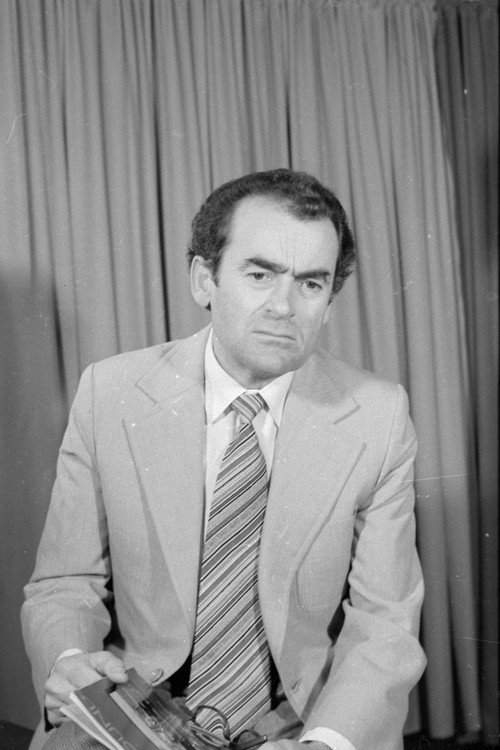
Dhimitër Anagnosti

Directing

Biography

Dhimitër Anagnosti (born Vuno , January 23, 1936 ) is one of the most important Albanian directors of the 20th century. Anagnosti is a prominent Albanian film director, screenwriter, and cinematographer, recognized as one of the most influential figures in Albanian cinema. He completed his studies at the Institute of Cinematography "VGIK" in Moscow, graduating in 1960 with a degree in cinematography. Anagnosti's notable films include Lulekuqet mbi mure (1976), a drama based on Petraq Qafzezi's autobiographical book, and Kthimi i ushtrisë së vdekur (1989), an adaptation of Ismail Kadare's novel The General of the Dead Army. His films often explore profound social and human themes, contributing significantly to the cultural landscape of Albanian cinema. Anagnosti's work has been instrumental in shaping the narrative and aesthetic direction of Albanian filmmaking.

Known For

A Tale from the Past
7.1

To meet the desires and needs of the parents, a marriage is arranged between 14-year-old Gjino and 20-year-old Marigo. Gjino reluctantly obeys, but Marigo, who loves another, tries various devious methods to free herself from this bizarre marriage agreement.

A Tale from the Past

1987
Old Wounds
9.0

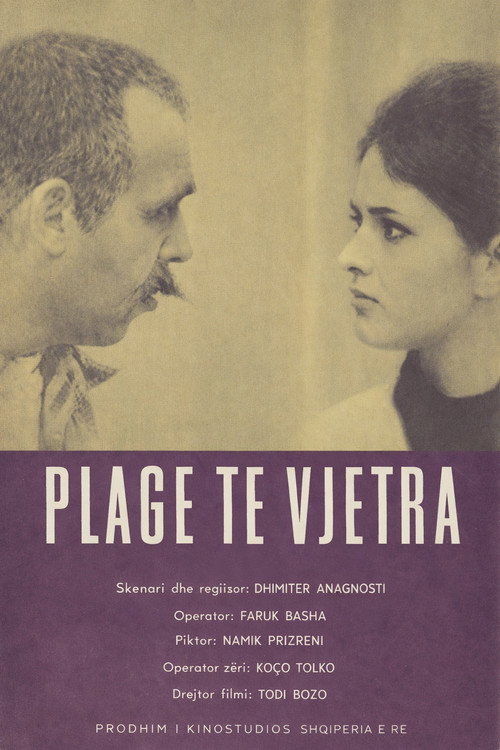
An old man refuses to undergo an operation in the hospital because he does not trust the abilities of the female surgeon.

Old Wounds

1969
Red Poppies on the Wall
7.3

In an orphanage in Tirana at the beginning of the Second World War during the occupation by the Italian fascists, a group of boys make plans to rebel against the despotic director and the oppression by the management.

Red Poppies on the Wall

1976
The Monument
7.0

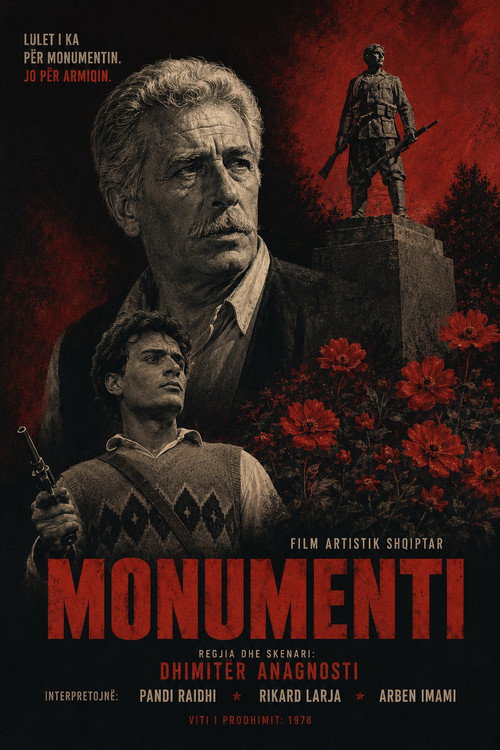
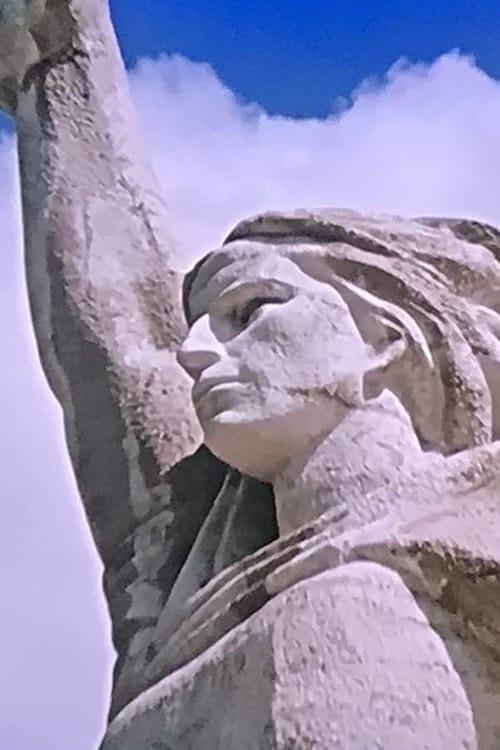
An old gardener tends for the flowers during the war. Nazis ask him for flowers for their dead.

The Monument

1977
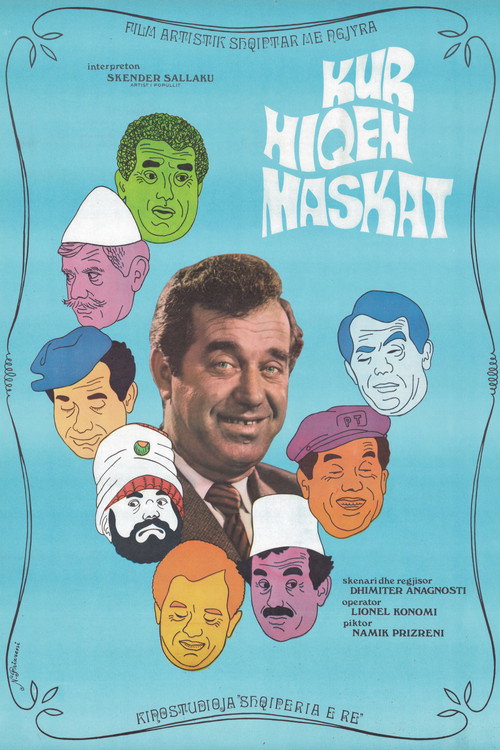
When the Masks are Taken Off
8.0

A satirical anthology film transforms popular humorous and sarcastic stage songs into standalone vignettes that lampoon the absurdities of bureaucratic officials and the liberal attitudes that were systematically targeted and suppressed in that era.

When the Masks are Taken Off

1975
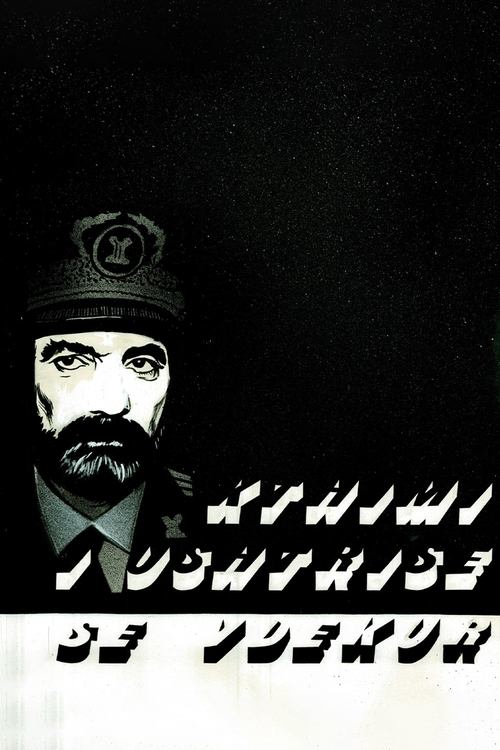
The Return of the Dead Army
8.5

A general and an Italian priest arrive in Albania to retrieve the bones of the soldiers who were killed during the war.

The Return of the Dead Army

1989
Our Land
8.0

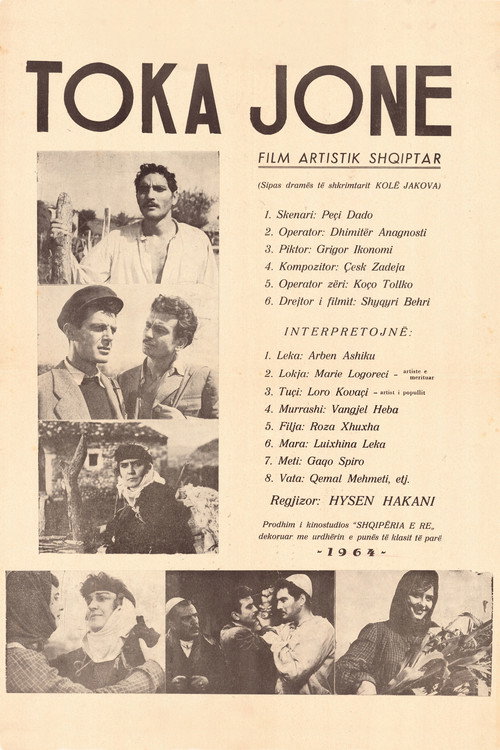
After the agrarian reform, a dispute for the land starts between two families in north Albania.

Our Land

1964
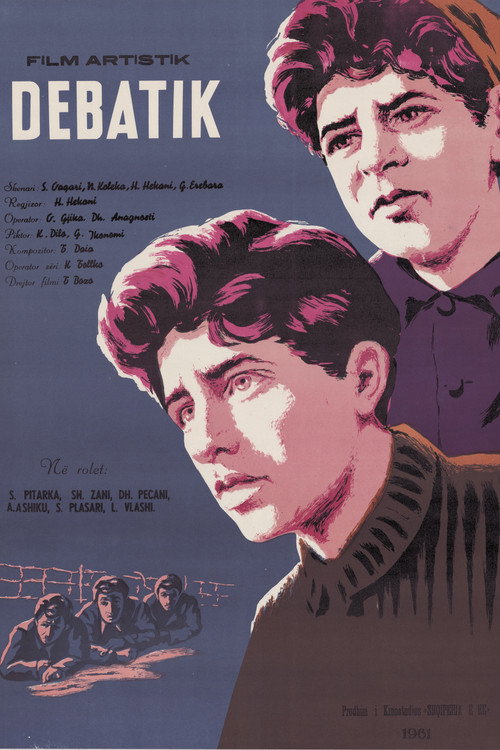
The Discussion
9.0

Three years after the fascist occupation, a group of children create the anti-fascist organization called "Debatik". Coli, an orphan boy, manages to become a member.

The Discussion

1961
Eternity
10.0

Can heartbeats be “reactionary”? Yes, if they are the only sonic element on a montage-heavy documentary about the war dead. Made just before Enver Hoxha’s cultural purges in 1974, Dhimitër Anagnosti’s formalist, wonderfully edited affair will finally premiere in a restored version after its completion forty-two years ago.

Eternity

1973
The Red Pledge
7.0

Film about the 5 Heroes of Vig, who died in a bloody battle during the National Liberation War.

The Red Pledge

1982
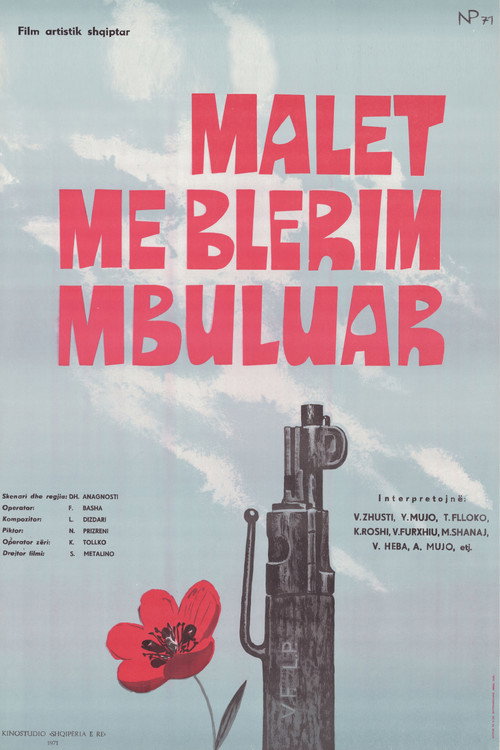
Mountains Clad in Green
9.0

Year 1943. A group of soldiers, carrying an injured comrade, are trying to reach the hospital.

Mountains Clad in Green

1971
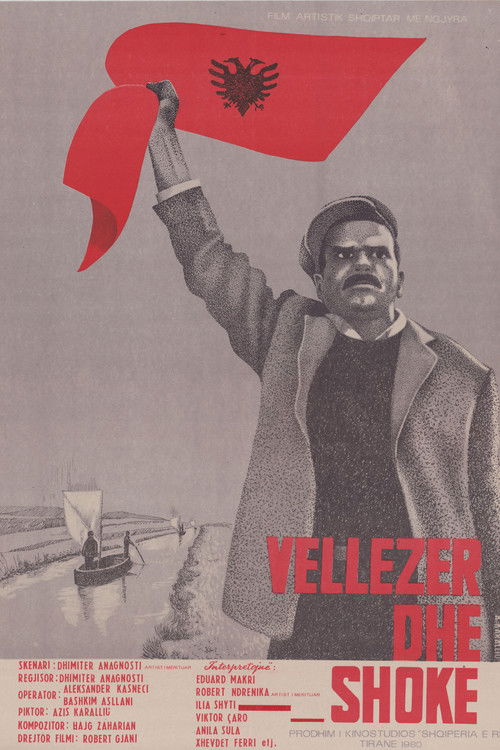
Brothers and Friends
9.0

The year is 1941, World War II is going on. Vaso returns to his village, helping the revolt of the villagers against the enemy. Marko, his brother, wants to get revenge against the people who took his fiancée. This revenge becomes part of the overall revolt.

Brothers and Friends

1980
The Girl of the Mountains
10.0

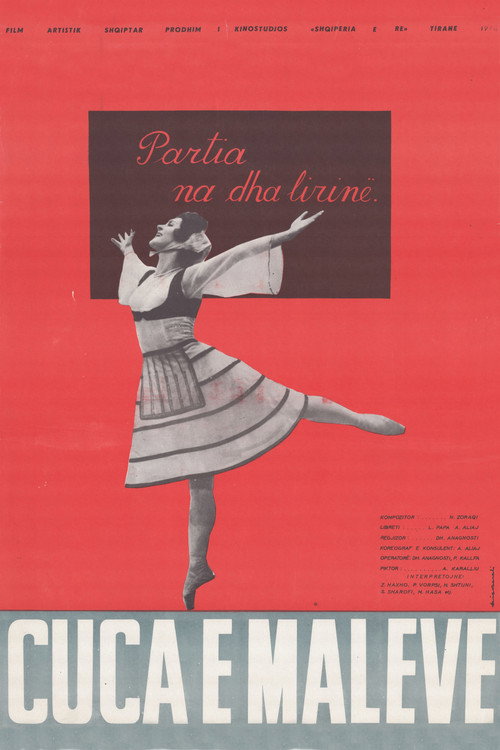
An unbaptized woman is killed because of the regressive mentality existing in the mountains of northern Albania.

The Girl of the Mountains

1974
Silent Duel
8.0

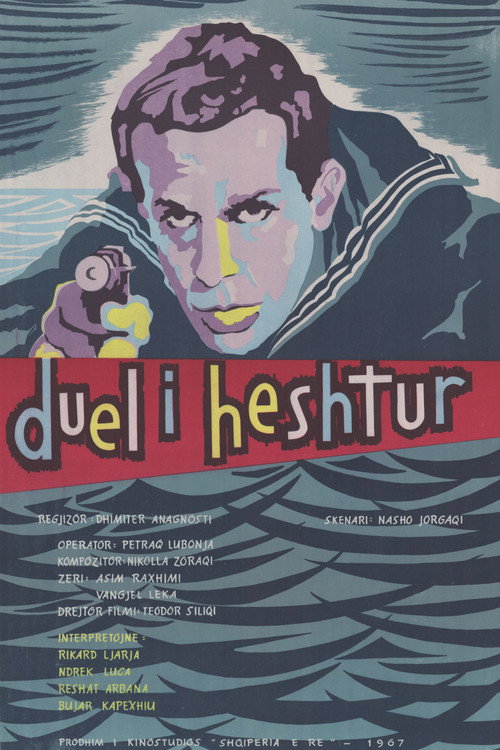
Spectacular film by successful director Dhimitër Anagnosti. Three people, Sergeant Rahmiu (Ndrek Luca), Islam (Reshat Arbana), and Bepini (Bujar Kapexhiu) hijack a military ship to emigrate to Italy. Along the way they encounter opposition in the sailor Skender Guri (Rikard Ljarja), who wants to turn the ship back to Albania. 4 people representing different layers of the postwar Albanian society merge and collide offshore, unfolding the political conflicts of that era.

Silent Duel

1967
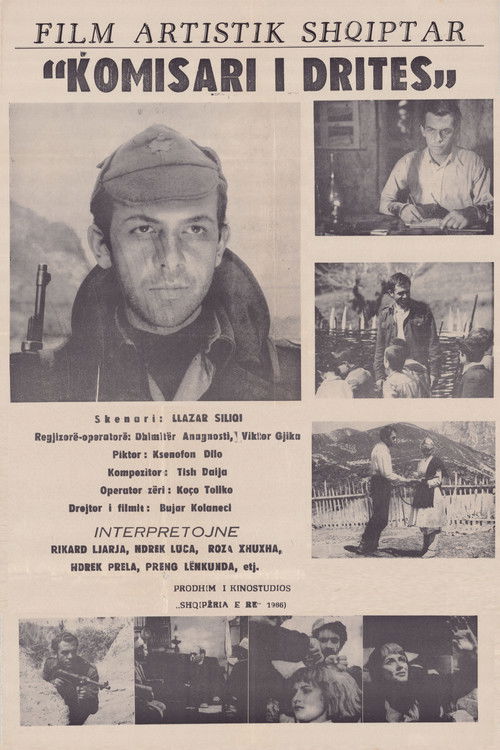
The Commissar of Light
7.5

After World War II, more than 85% of the Albanian people were illiterate. Partisan soldier Dritan Shkaba is tasked with opening new schools in north Albania to enlighten the population.

The Commissar of Light

1966
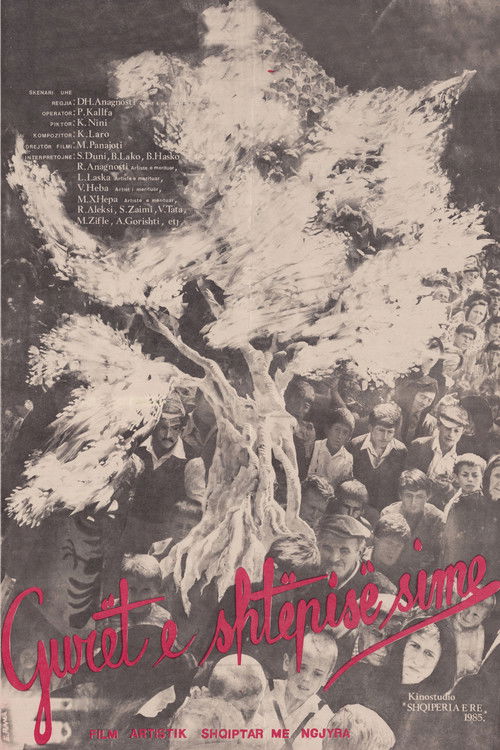
The Stones of my House
9.0

World War II. Italians accuse the residents of a village in South Albania of giving signals to the Greeks during the Greek-Italian War.

The Stones of my House

1983
The Break
7.0

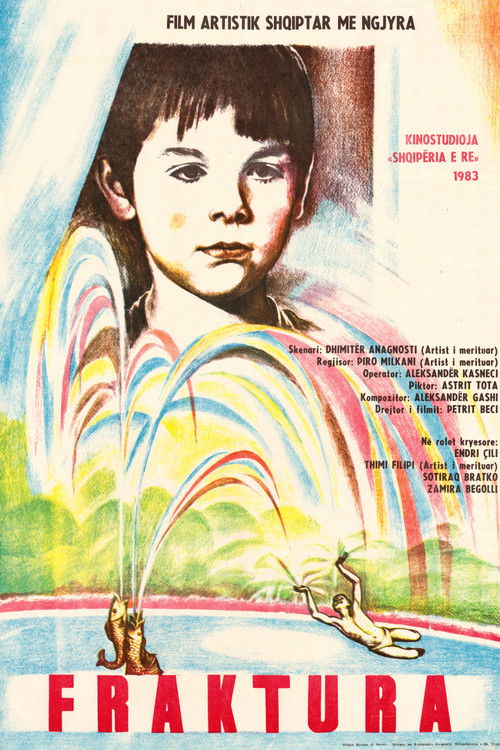
A story about a little boy who lives in Tirana, the capital of Albania.

The Break

1983
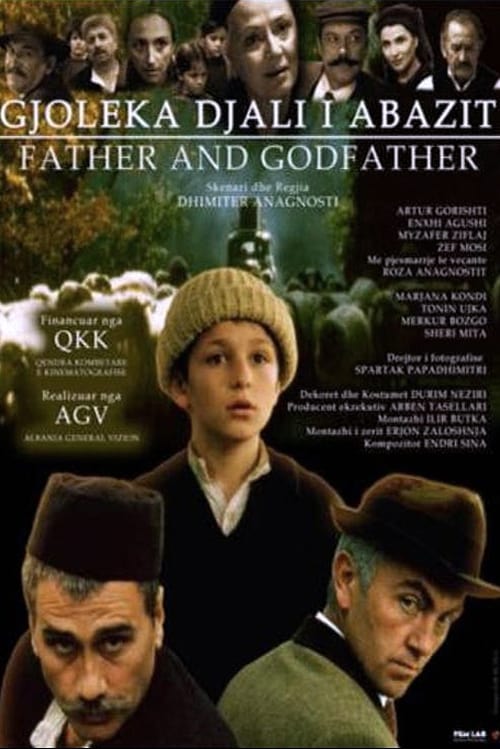
Father and Godfather
6.5

The events take place in a small Albanian village, around the '30ies. This isolated land, dominated by rituals and patriarchal relationships is the spirit that welcomes the newborn child of Abas. Servet, a co-villager, emigrant in the United States of America comes back in his homeland bringing a new vision and a new mentality, which serves as an inspiration for the 10 years old boy, Gjoleka, the son of Abas. Gjoleka founds himself in between of the ideas of his wild father, Abas and his illuminist godfather, Servet. Gjoleka symbolizes the young generation in the difficult realities that offer small and underdeveloped countries, where the outside world constitutes an irresistible attraction. The movie shows with a deep realism the human relationships, such as love, jalousie, hate, the impossibility to be integrated with another world, making this way a cruel autopsy of the weird society to which, "sometime" we belong.

Father and Godfather

2007
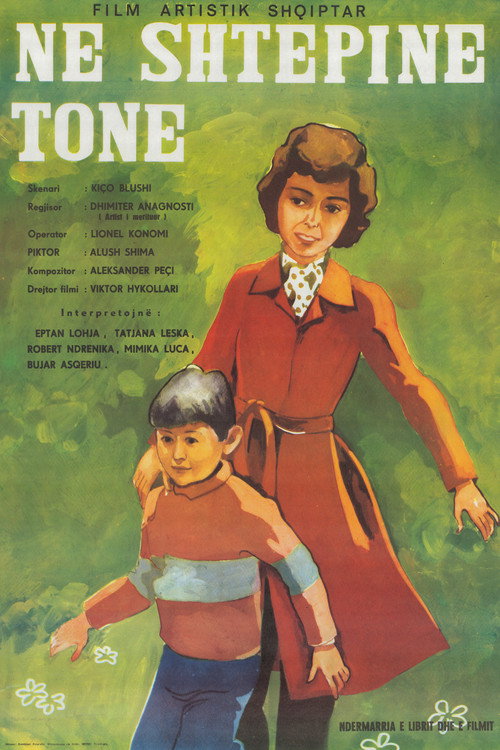
At Our Home
4.5

After a disagreement with his teacher, a young boy runs away.

At Our Home

1979