Acting
No description available.
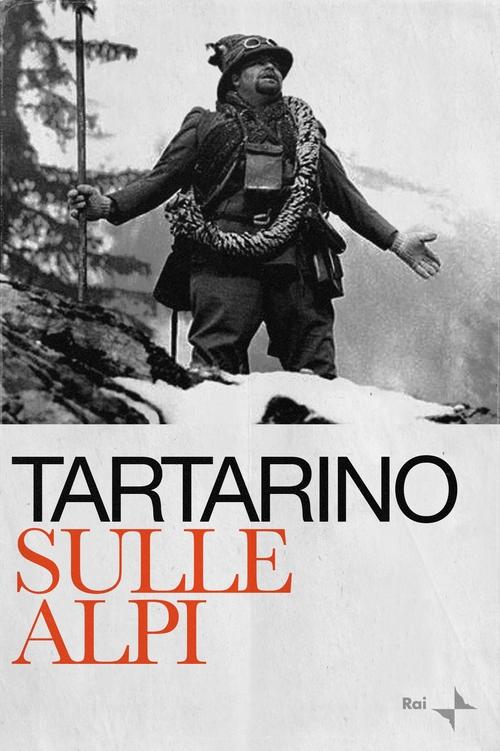
Tartarin sur les Alpes is a novel written by the French writer Alphonse Daudet in 1885. It is the second part of a trilogy which also includes Tartarin de Tarascon (published in 1885) and Porto Tarascona (published in 1890). Seeing his position as president of the Alpine Club of Tarascon threatened because of his fellow citizen Costecalde, who questions his abilities as a mountaineer, Tartarin travels to the Bernese Alps to accomplish a memorable feat. In 1968, a television transposition of Tartarino sulle Alpi was broadcast by Rai, directed by Edmo Fenoglio, with Tino Buazzelli as the protagonist. The series was broadcast between 06/09/968 and 09/27/1968.
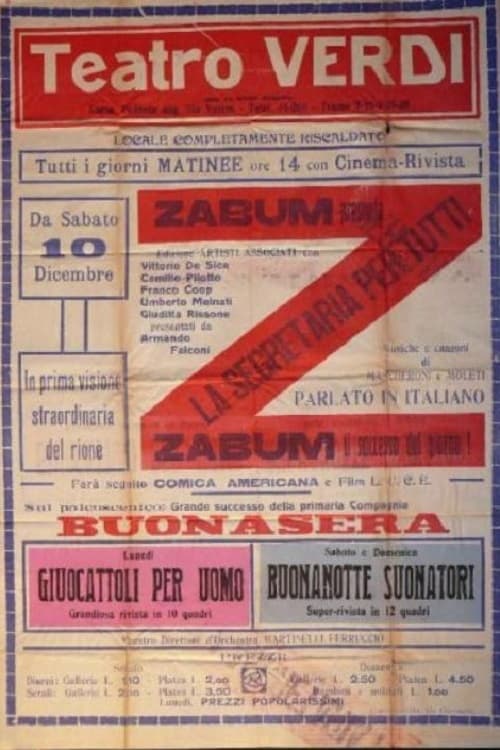
A meek professor is swept over his feet by a very vivacious girl.
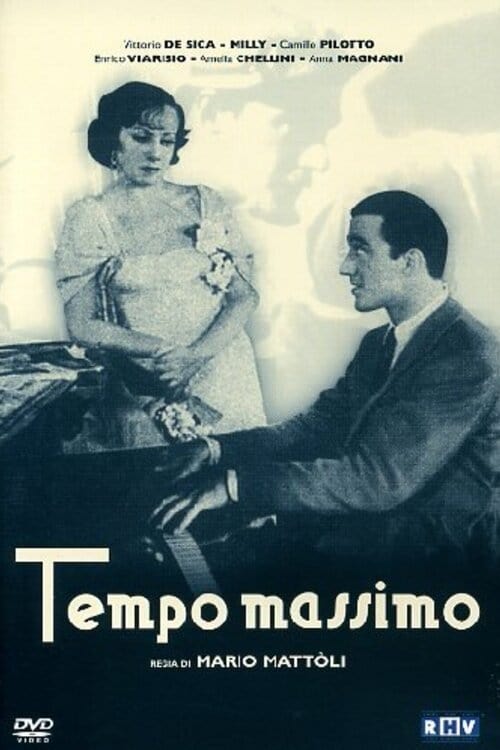
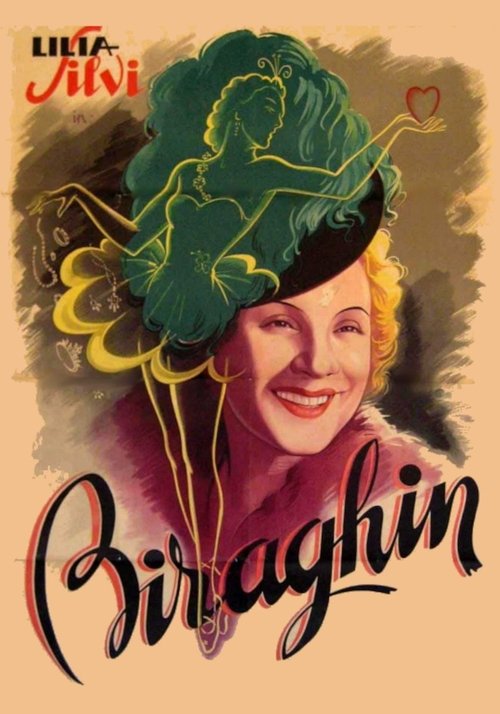
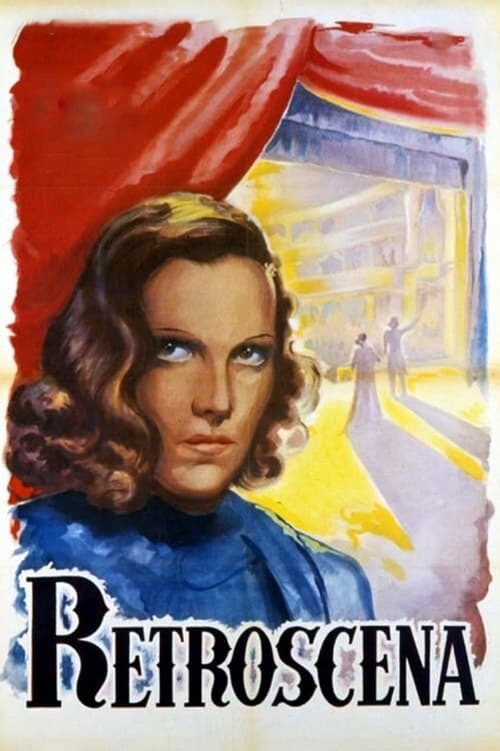
Birdaghin is a dancer at La Scala in Milan whose rapid success also quickly goes to her head. Fortunately, everything will be fine.
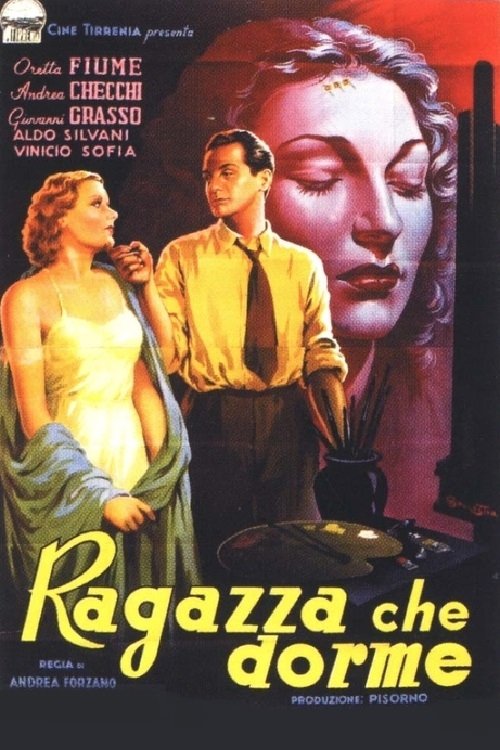
In a village, rumours spread that a treasure is hidden nearby. To finance the search, a farmer sells a 14th-century painting of the Madonna, leaving it with a master restorer. The farmer's daughter, who felt a particular veneration for the sacred image, goes to the restorer's workshop to see the painting of the Madonna again and falls asleep in front of it. While the girl is asleep, the restorer begins to paint her portrait, which he will title "Sleeping Girl." In the end, the girl and the painter will marry and be able to keep the painting with them.
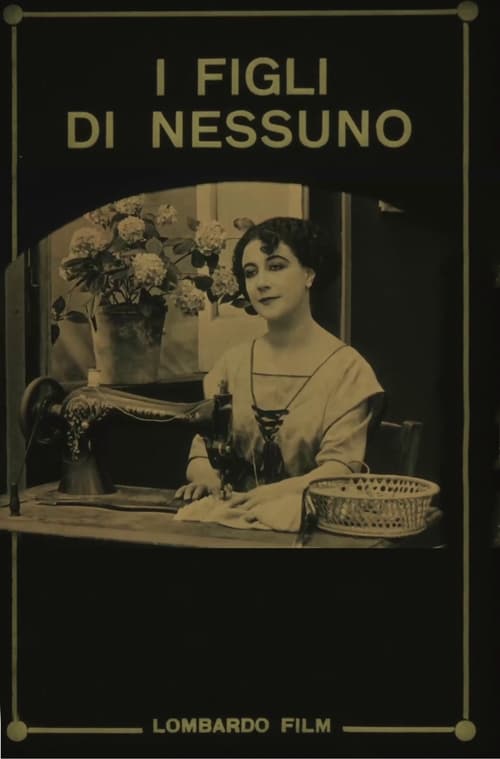
In 1921, Titanus released a three-part serial based on a popular Italian novel from the turn of the 20th century: Nobody’s Children by Ruggero Rindi. The tale of lovers thwarted by class differences, of illegitimate children and parental recognition denied was a major success for producer Gustavo Lombardo and leading lady Leda Gys.
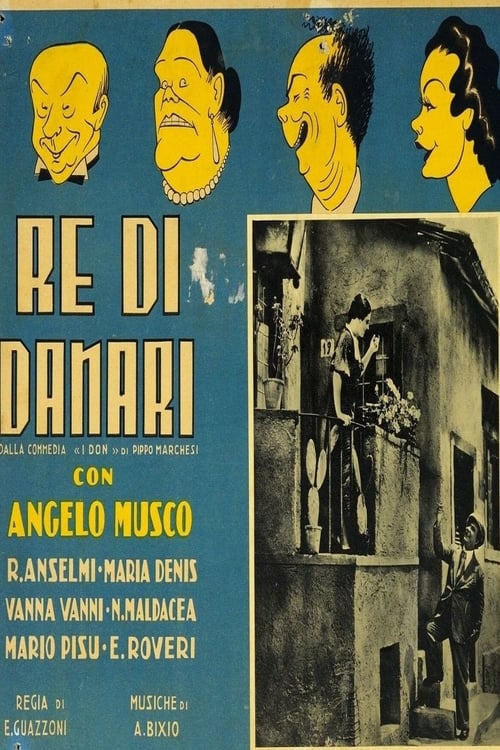
A rich Sicilian farmer has to move from Sicily to Rome to help his grandson, University student, who has been put in jail.
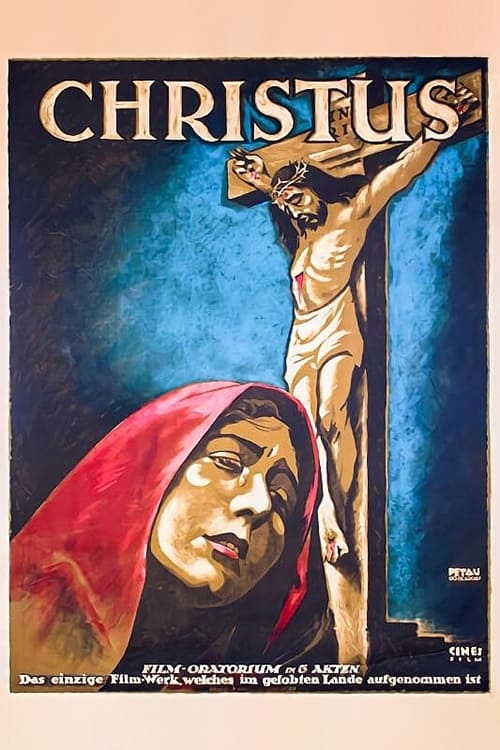
Antamoro's CHRISTUS, epic in scale and ambition, and featuring decidedly otherworldly special effects, was released in 1916. Telling the story of the Life of Christ, the film is divided into three segments-- three Mysteries. The first of these includes the Birth of Jesus, the arrival of the Magi, Herod and the slaughter of the innocents, the flight into Egypt. The second Mystery features the expulsion of the merchants from the Temple, Mary Magdalene's conversion and Christ's entry into Jerusalem. The third Mystery is itself divided into three separate parts, which are The Passion, The Death and The Resurrection.
Ginevra degli Almieri's family has arranged a marriage of interest but the young Ginevra strenuously refuses until she falls into catalepsy and is buried alive. Once she wakes up she goes home but her family believes they are dealing with a ghost and they try to chase her away. She will only be welcomed by the penniless young painter who has always been in love with her.
During hard times, a vivacious girl looks for an office job in the hope of landing a rich man.The director of the bank she works at flirts with her while not at first revealing his identity so she rejects him.
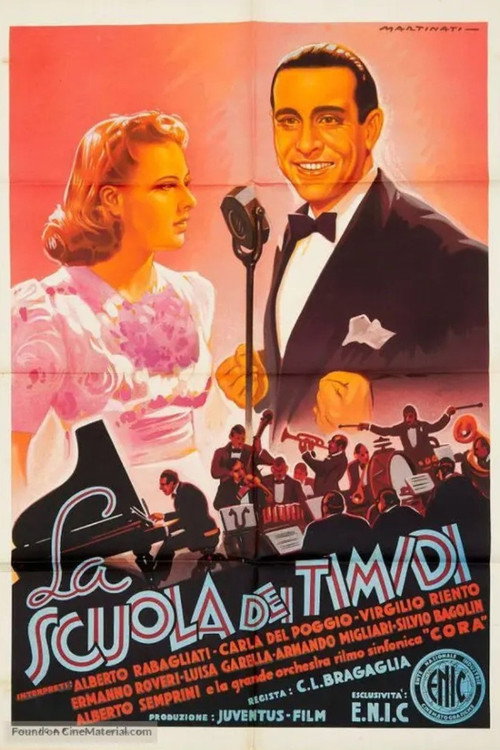
Alberto, who has a beautiful voice but is afraid to sing in public, and the shy Anna, daughter of a very rich shoe manufacturer, take "lessons of courage" in a school for the shy and end up falling in love. Their shyness doesn't seem to heal but due to a misunderstanding Alberto becomes terribly jealous, deciding to face the girl first and then the public who will give him an enthusiastic success.
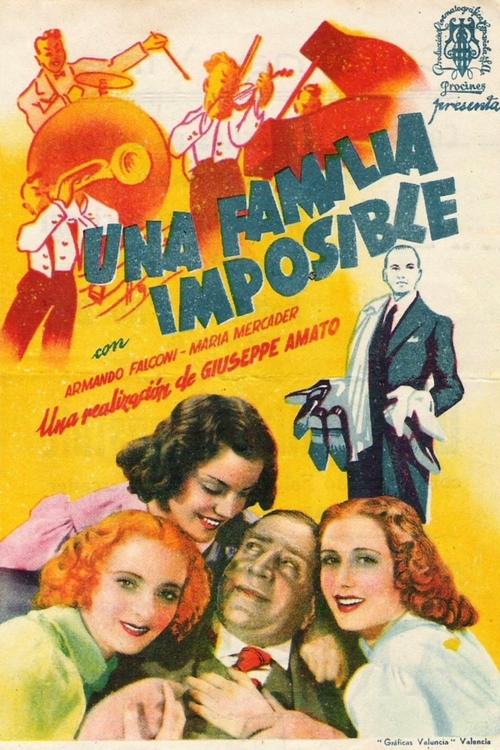
A wealthy young woman falls in love with a radio singer without ever having seen him. She forces her strange family (forgetful father, mother with ideas of grandeur, three sisters with a passion for singing and another who takes care of abandoned children) to go to the EIAR headquarters to be able to meet him.
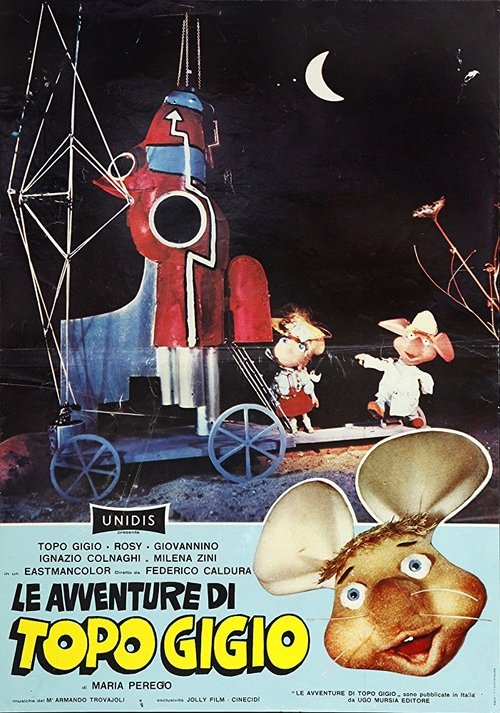
Topo Gigio, the well-known puppet animated by Maria Perego, embarked on a rocket of his own invention in the company of inseparable Rosy and a new friend, Giovannino (a small worm coming out of an apple), leaves for the Moon, but unexpected difficulties put an end to the journey in the middle of a Luna Park, where the little hero has the chance to show off his cunning and his courage in defending Rosy from the evil intentions of a bad magician. The adventure will end in the happiest of ways.
Called to perform at the Scala, a young baritone begins a transatlantic romance with a famous pianist. The singer, having been skewered by a critic after his last performance in Milan, attempts to find a way to win over the audience and the critics, while wooing his love interest.