Acting
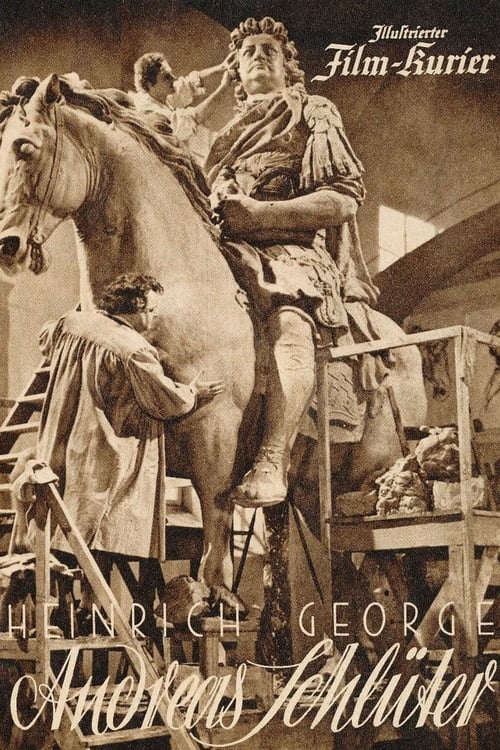
Historical drama portraying the life of German baroque architect Andreas SchlĂŒter.
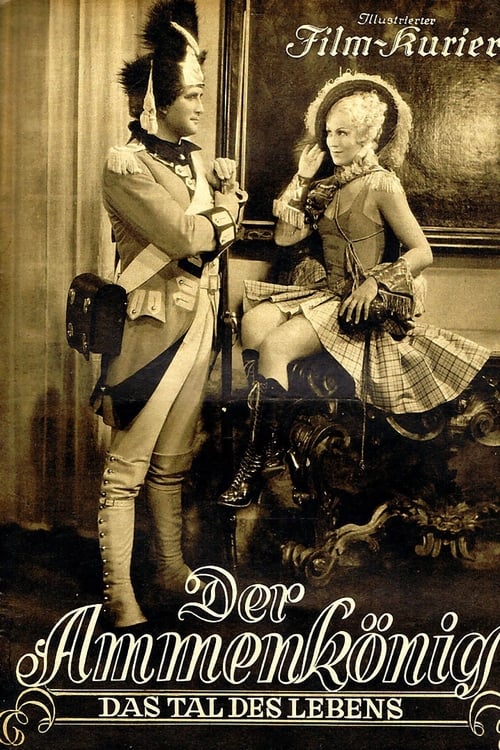
Rather coarse, pre-War comedy about a Markgraf -- Heinrich XXVI -- who bathes in the springs of the Ammendorf to strengthen his potency. The town and its springs are especially well known for the many couples with lots of children, who, for tax reasons, live there unmarried. The town smithy and bully provides his vitality to ensure the countess has an heir for the throne.
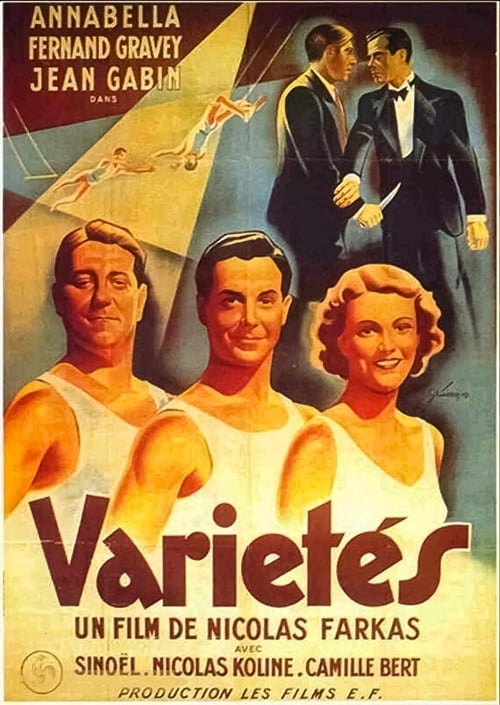
Annabella, Jean Gabin and Fernand Gravey star as a trio of circus trapeze artists. Both Gabin and Gravey love Annabella, but she has eyes only for Gravey. Seething with jealousy, Gabin plots revenge against his rival. He "accidentally" drops Gravey into a net during rehearsal -- but does he plan to do the same during a performance, when the trio works without a net?
No description available.
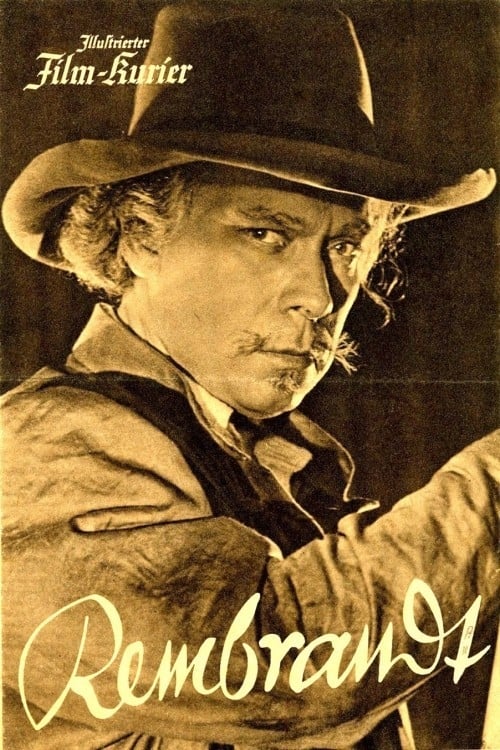
Already a famous painter, Rembrandt van Rijn is commissioned to paint the Amsterdam Archers' Guild. But upon completion of the picture, the men of the guild feel duped, because they don't consider themselves flatteringly depicted in the painting. They therefore decline to pay for the work. During this dispute, the painter finds out his wife is close to death. He finds himself terribly lonely after her passing and suffers from depression until he decides once more to marry.
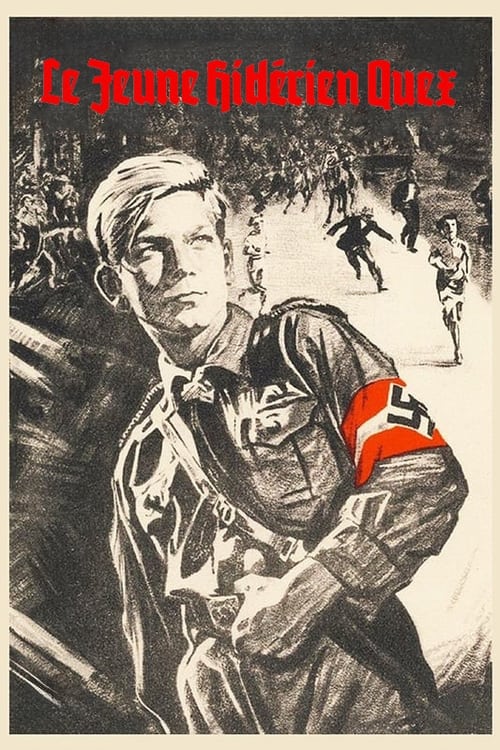
Nazi propaganda film based on the life and death of Hitler Youth Herbert "Quex" Norkus â in the film, renamed Heini Völker â who was killed while distributing flyers in a Communist neighborhood.
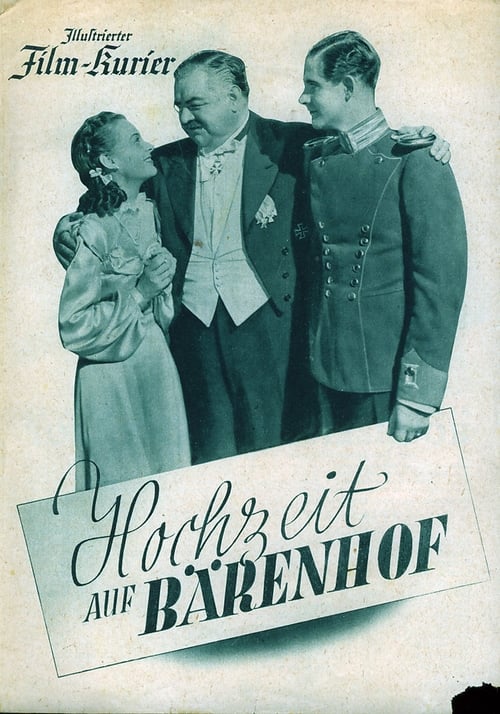
Lothar von PĂŒtz and Roswitha von Krakow fall in love and only then discover that their fathers are bitter enemies. When Lothar's father dies, a close friend of his father's, Baron Maximilian von Hanckel, takes the boy under his wing and tries to make peace between the families. He visits Roswitha's father, who begins to hope that he can marry his daughter to the older, but wealthy, baron, who is still a bachelor. When an argument breaks out between Lothar and Roswitha, she agrees to marry Maximilian. It is only at the pre-wedding party that Roswitha and Lothar have a real conversation. Maximilian overhears everything, releases Roswitha from her vows, and brings the two young people together.
Celia Lövengaart was formerly involved with the theatre and was able to live a carefree life. But now she's in financial difficulties. The court appointed trustee grants her enough money for a trip to Tirol, where she's going to visit her daughter Susanne, who was raised by her grandparents. Susanne is supposed to marry Richard, whom she can't stand and her mother tolerates him even less. Celia wants to help her daughter, but that's easier said than done: Richard knows about her lively past and is blackmailing her to keep her nose out of his affairs. If she doesn't agree to this wedding, he'll tell everything the consul Hoyermann, Susanme's guardian, and there will be a big stink.
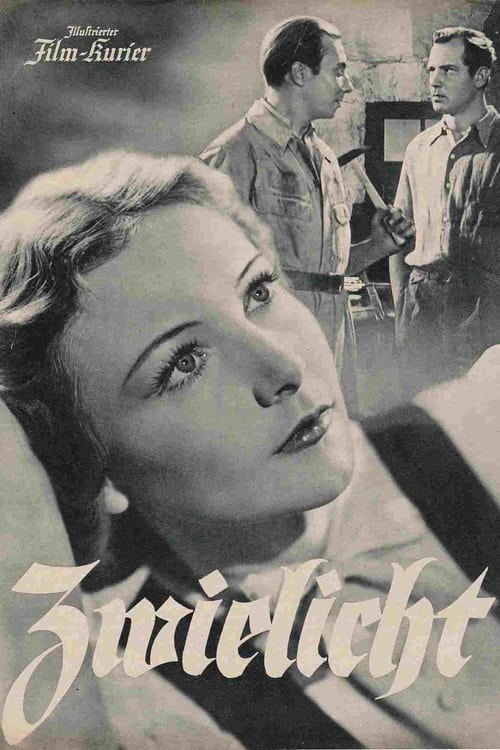
Walter Gruber once belonged to a group of unscrupulous, money-grubbing poachers. Now released from prison, he is determined never to touch a gun again. He was imprisoned for poaching, but they couldn't prove he fired the shot that wounded forester Kuhnert. Upon his return home, Walter is horrified to discover that his former lover, Kuhnert's daughter Grete, has since married someone else. Grete still loves Walter, with whom she was pregnant. But her father would have made life a living hell for her and the child had she not married another man. This man, Robert Thiele, is still poaching and is extremely ruthless in his methods. Robert eventually blackmails Walter into rejoining the poachers. When the gang shoots the old forester Kuhnert, Robert shifts suspicion onto Walter.
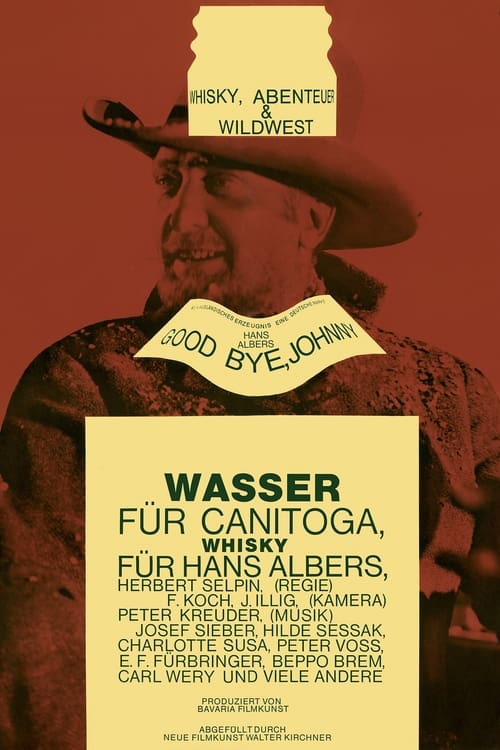
In the spring of 1905, the water conduit project in the Canadian city of Canitoga is set to be completed. For years, the completion had been marred by sabotage. Engineer Oliver Montstuart commands the last blasting operation. But again, the explosive charge is too large and thus, further construction is forestalled again. When Montstuart confronts foreman Westbrook, the foreman threatens him with a knife. In self-defence, Montstuart shoots him. Now, he has to flee.
A reckless young woman has her driving license withdrawn, drives home anyway and gets involved in a traffic accident. Realizing this was a little over the top she decides that she has to flee the country. As fate has it, she misses her train and instead meets a handsom young man who imidiately falls in love with her. This marks the beginning of a long night of misunderstandings, chases and courting.
Biopic about the Rothschilds, a Jewish family whose members rose to the top of the European banking community during the Napoleonic era.
In this exotic adventure, unscrupulous gun runners threaten a captain, and a ship is in danger of sinking.
The cashier, JĂŒrgen Borb, has already worked for 10 years at Dadag in Hamburg and is an example for customer service and company loyalty. His professionalism are matched by the trust of his employers, who, while relating to him in an acceptable manner professionally, desire no closer contact with him outside of the workplace. When Borb suddenly disappears one day, Dadag's directors and Borb's colleagues are surprised. They become even more surprised when they soon discover that Borb has embezzled well over a million marks from the firm. His stepsister, Mette, doesn't believe that her stepbrother is an embezzler. In the meantime, she has fallen in love with a criminal investigator, who, she believes, is simply exploiting her affections to get to Borb. Then one day, the criminal investigator finds a body in the cellar of a house Borb rented under a false name and this man created a phony ID card for Borb, identifying him as a resident of a South American country.
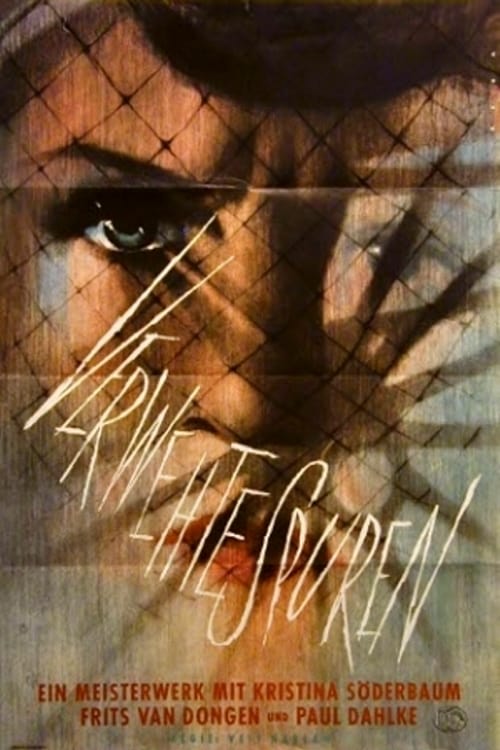
Séraphine and her mother arrive in Paris to visit the 1867 World Exhibition. In an overcrowded city they must be accommodated in separate hotels. During the night the mother, who wasn't feeling very well, gets suddenly worse. When next morning Séraphine goes to meet her every trace of her presence has disappeared and everybody denies having ever met her. The bewildered young woman must find someone who believes her. Previous version of So Long at the Fair (1950).
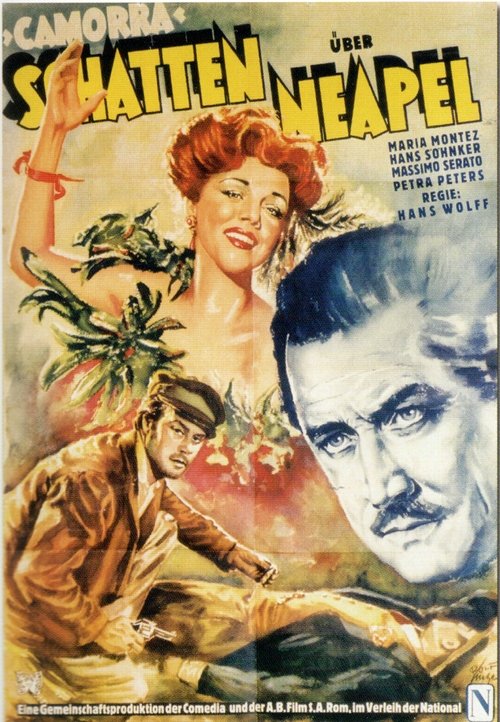
An Italian-German crime film. One of Maria Montez's last films.
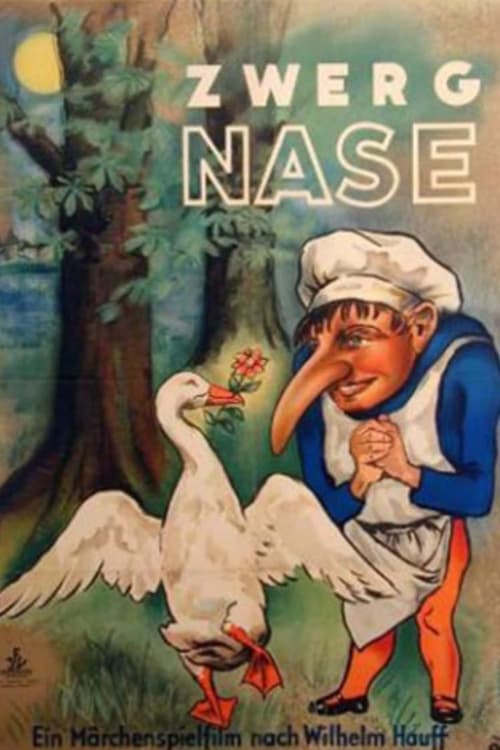
12-year-old Jakob helps out at his mother's vegetable stand and also carries customers' purchased goods home. One day, an old woman with a long nose comes to the stand and claims that the herbs are bad and were better 50 years ago. Jakob is upset that she holds all the herbs to her nose and crushes them: "Take it away from your long nose!" he shouts and hits her hand. "Don't you like it, my beautiful long nose?" the woman scoffs, "You should have one too, even longer than mine." Finally, she buys some cabbages, which she wants Jakob to carry home for her. Jakob resists but is persuaded by his mother. Other market women whisper whether the old woman is not the evil fairy KrÀuterweis.
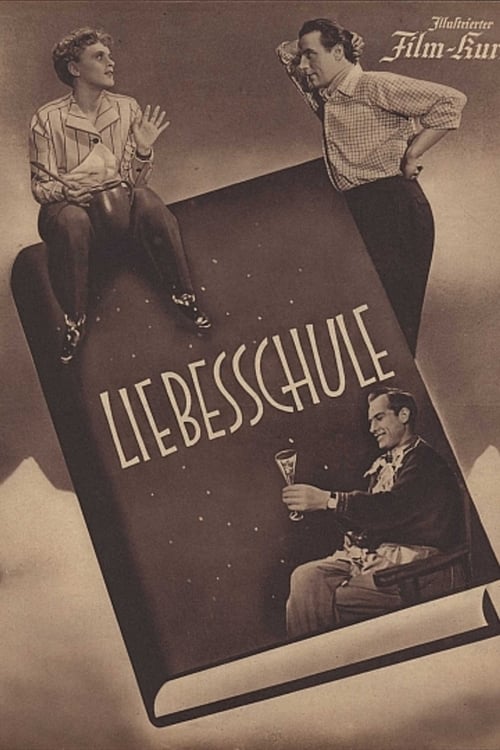
Teresa is a young, always cheerful woman, who has a harmonious marriage with the writer Peter Duhren. Unfortunately, itâs so harmonious, that heâs uncapable of writing a novel. So he decides instead to write a book about his own marriage. Teresa is so horrified about this indiscretion, that she asks for a divorce. Peter is prepared to withdraw the book from circulation to save his marriage, but when he finally is about to do so, it becomes a bestseller. Despite attempts at reconciliation, Teresa leaves his. So much for the alleged âharmoniousâ marriage.
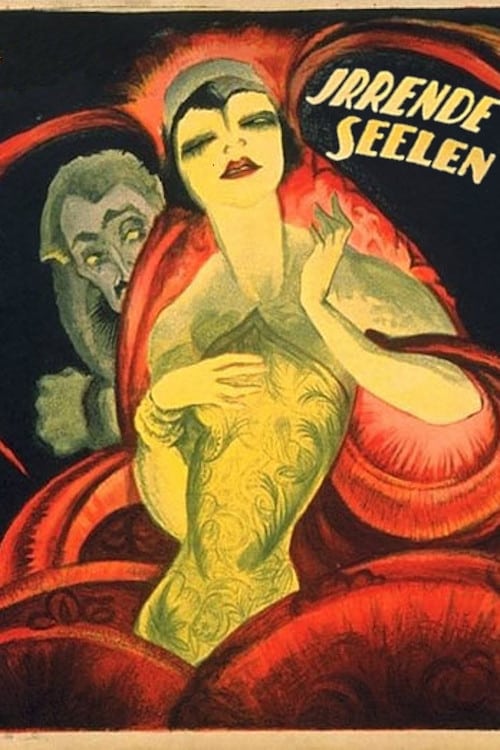
The film centres around the young woman Erika, desperately seeking for love and escape from the depression of the times, drifting, and in the end becoming involved with a circle of rich people who sell goods for sexual favours.