Dominique Loreau
Directing
Biography
Belgian filmmaker.
Known For
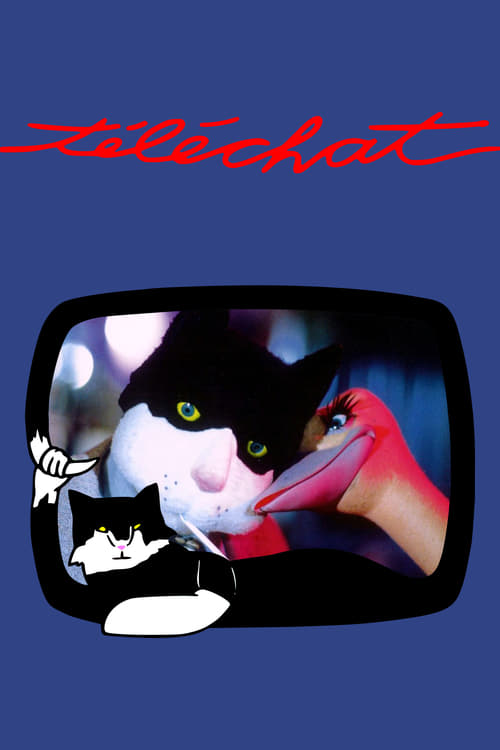
Created by French surrealist artist Roland Topor and director Henri Xhonneux, Telecat is a news show parody hosted by a tomcat named Groucha (who always had his arm in plaster) and an ostrich named Lola. It featured a variety of sentient objects and revolved around the idea that the real-life elementary particles known as gluons were “the souls of objects”.
Telecat
Claire is a 16-year-old girl in search of herself. One evening she is bored and she joins her friend Françoise, to spend a nice evening together. But that doesn't turn out so well ...
Zigzags
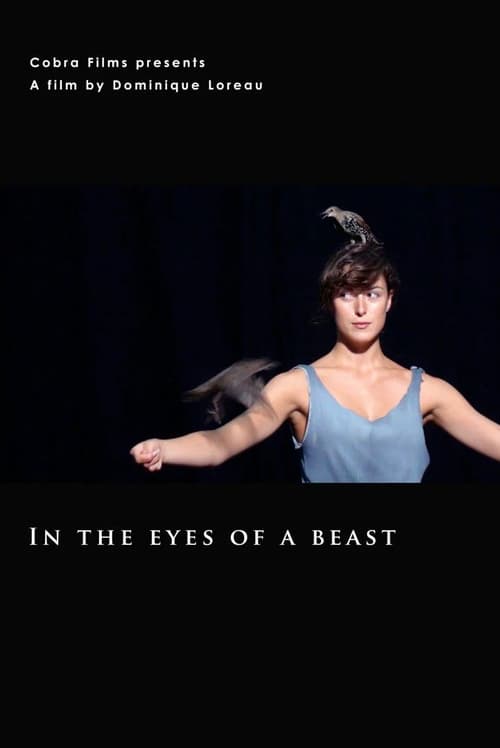
How do humans and animals see each other? Dominique Loreau captures astonishing exchanges of “views” between people and animals who coexist in the city, in farms, slaughterhouses, zoos, museums, or in a dance rehearsal room. In The Eyes Of A Beast questions the permeable boundary between man and animal.
In The Eyes Of A Beast
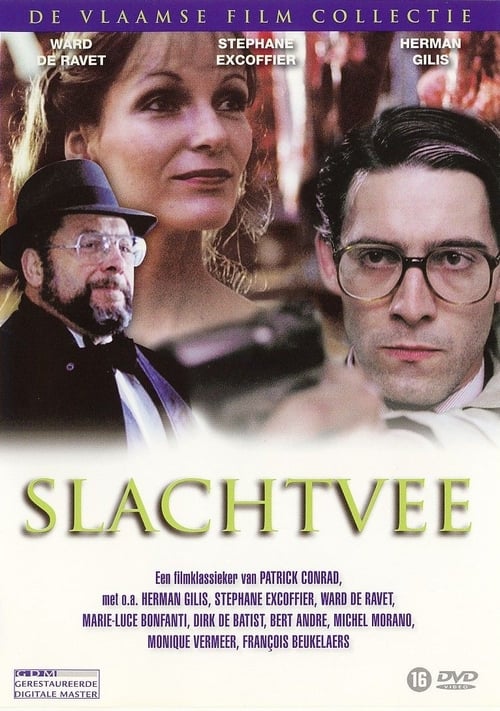
Thomas, in his forties, holds an important post in a slaughterhouse. He is engaged to Marie-Rose, the daughter of the director, whom he hopes to follow later. In a routine examination in the hospital, however, he finds out that he has cancer and his days are counted. The upheaval that he suffers as a result, however, does not take long, his decision is certain: he will use the short time to clean up some bad guys. What else can he do now?
Beef Cattle
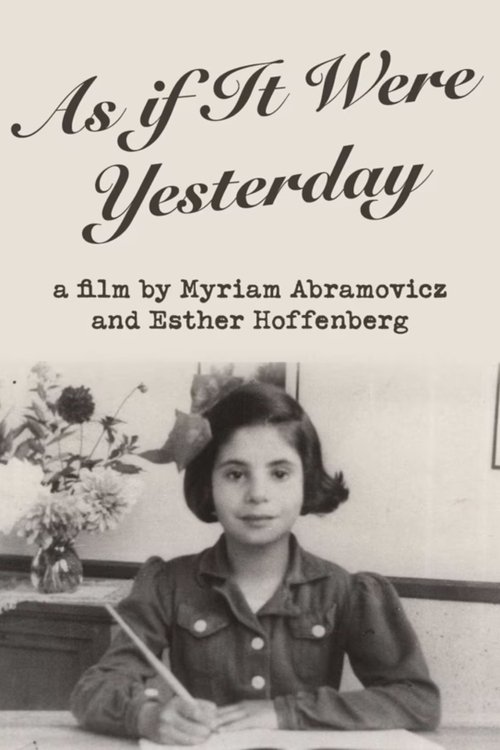
Documents the little-known heroism of the Belgian Resistance who, during the Nazi occupation, hid over 4,000 Jewish children, rescuing them from deportation and extermination, , often risking their own lives. Directed by Myriam Abramowicz and Esther Hoffenberg, children of parents who spent the war in hiding, the film inspired the creation of The Hidden Child, a world-wide network of hidden children, which, for three decades, has organized reunions of hidden children with the families who hid them in Belgium during WWII.
As If It Were Yesterday
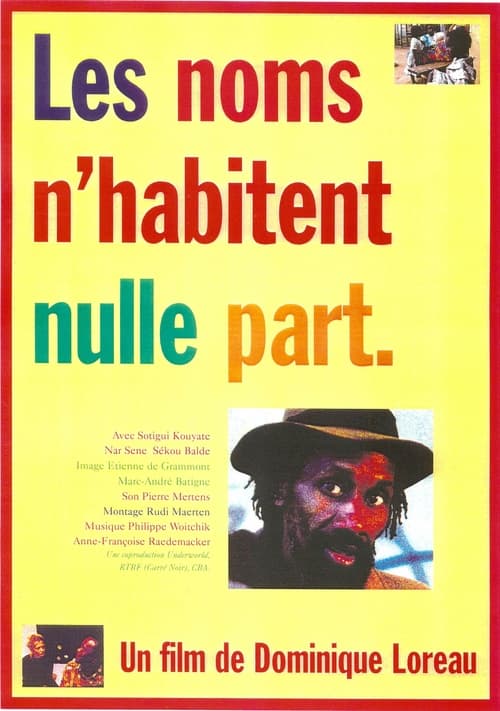
A Senegalese storyteller travels to Belgium and observes the lives of African expatriates in Europe. Dreams and struggles great and small are explored.
Names Live Nowhere
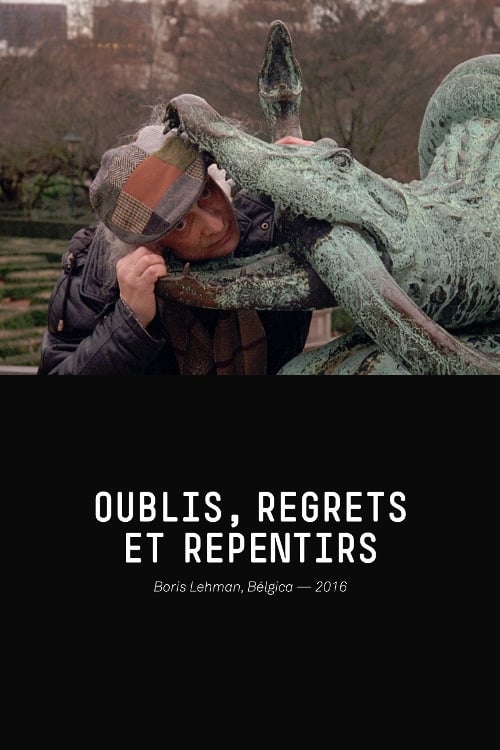
A day in the life of director Boris Lehman: he wanders from cafe to bookshop, cinema to museum, writer to musician, and into the storeroom of the film archive... He celebrates his birthday in an alleyway, with a friend, and finishes his journey with an escapade to Bruges and a stroll by the North Sea. The camera plays dirty tricks and the sound recorder gets carried away, to the point that both are clearly telling Boris to stop filming. Yet he persists…
Lapses, Regrets and Qualms

The film follows the migration strewn with pitfalls of Chinese crabs, imported from China by accident at the beginning of the 20th century, which are born in the North Sea, go up the rivers of Flanders to grow there for a few years, and return to the sea to reproduce and die. The director uses a big range of forms and approaches, including slapstick, to build these crabs’ lives into an existential metaphor, which expands the method she already mastered in the previous film Dans le regard d’un bête. A modern poetic parable, between reality and fiction, open to the fragmentary diversity of reality.
Such a Long March
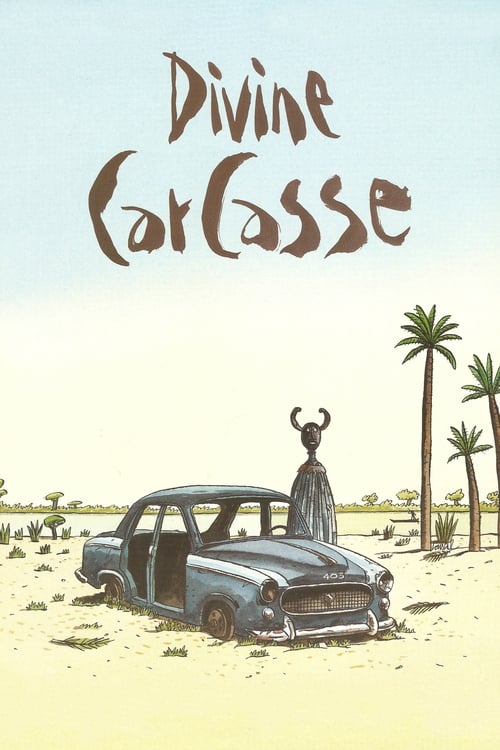
This film follows the fortunes of an old Peugeot off loaded in Cotonou, Benin. As it changes hands we get a glimpse into the lives of its successive owners.