
Wilfried Pucher
Acting
Known For
Polizeiruf 110 is a long-running German language detective television series. The first episode was broadcast 27 June 1971 in the German Democratic Republic, and after the dissolution of Fernsehen der DDR the series was picked up by ARD. It was originally created as a counterpart to the West German series Tatort, and quickly became a public favorite.
Polizeiruf 110
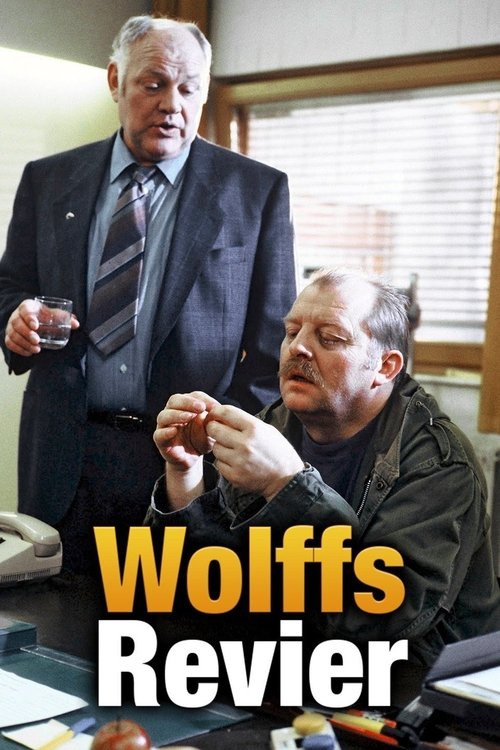
Wolffs Revier is a German television series.
Wolffs Revier
No description available.
Im Namen des Gesetzes
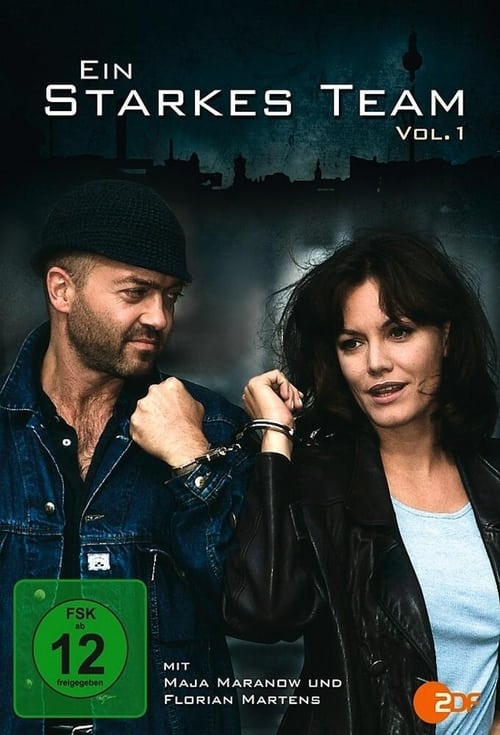
The unlikely police pair Verena Berthold and Otto Garber are part of a special task force investigating organized crime in Berlin. He comes from the east, she from the west of Berlin. He's a redneck, she's from a better background. This causes conflict. Over time, things start to sizzle between the two. Their team includes the agile German-Turkish Yücsel and the sluggish Georg, who, like Verena and Otto, are constantly bickering. The department manager is Lothar Reddemann. Sputnik is a former colleague of Otto's from the People's Police and is constantly coming up with new business ideas for stores and pubs where the team meets.
Ein starkes Team
Der Staatsanwalt hat das Wort was an East German television series.
Der Staatsanwalt hat das Wort

Der Bergdoktor is a German-Austrian medical drama television series, broadcast in 96 episodes between 1992 and 1997.
Der Bergdoktor
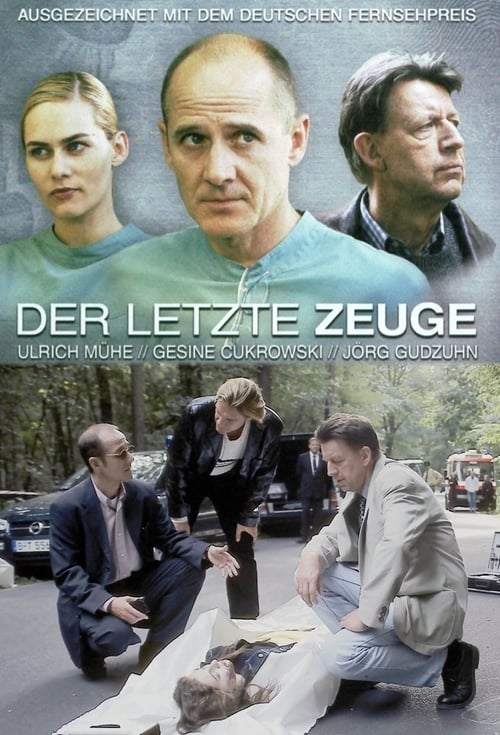
No description available.
Der letzte Zeuge
No description available.
Operation Phoenix - Jäger zwischen den Welten
No description available.
Fridolin
Johanna is a German television series.
Johanna

This series is about the "adventures" and problems of the crew of the East German cargo ship "MS-Fichte" at sea. In the first part, the main engine had a piston jam during a storm at sea, so that the piston had to be removed. Mutual recriminations ensue between the captain, who ordered a higher speed, and the chief, who is against it out of concern for the high fuel consumption and is also said not to have bothered to maintain the engine...
Zur See
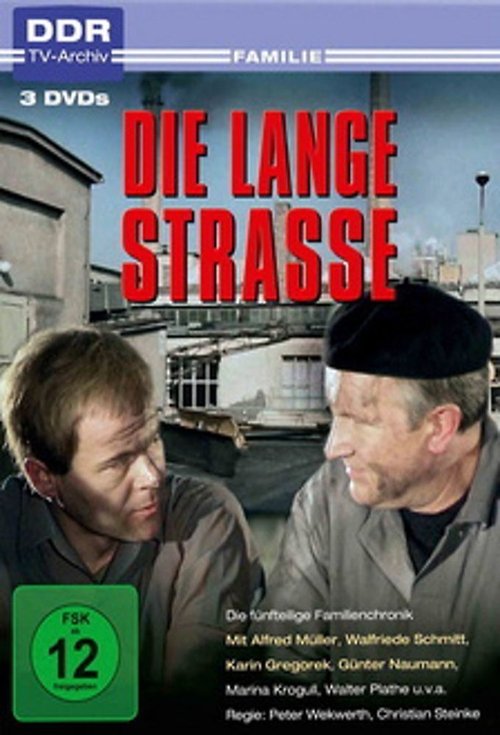
1949. Grafenberg in Brandenburg shortly before the foundation of the GDR. Here lives Michel Hollmann and works in roadmaking. His purpose in life are his wife Lotte and the two children Gerda and Heinz, for whom he is reconstructing a summerhouse into a “nest”. In Grafenberg, his siblings are living as well: His brother Karl, the mayor, and sister-in-law Edith, who works in a textile factory, with their son Jürgen. Edeltraut, his sister, has married the lamp fabricant Berthold Bennert and leads a well-off life. They as well have a son: Harald. Part of the family are further sister Hanna and brother-in-law Hermann, who is a fisherman on one of the local lakes and conducts a tenacious private war against old Stegewald and his presumptive prince-electoral rights. They are living their lives with their large and small conflicts, with different intentions, and yet remain connected always.
Die Lange Strasse
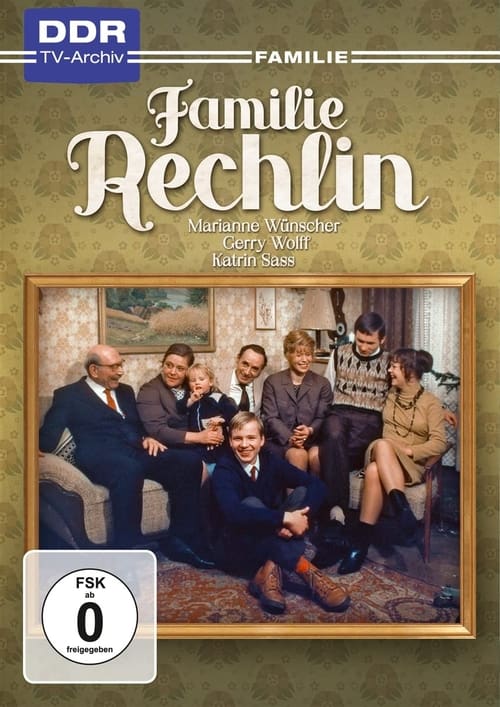
Berlin in the 60s. The construction of the Berlin Wall not only divides the city, but also separates the Rechlin family. While mother Ingelore lives with husband Hannes and the youngest son in the eastern part of the city, the young, married daughter Beate lives in West Berlin. Even when she gives birth to the first grandson, the newly baked grandma Ingelore cannot visit her. Travel permits are only issued one year later. But the formerly so tight family bond is burdened by the long separation. Son Bernd also avoids the rest of the family, as his new girlfriend has just been released from prison because of attempted "republic escape". And so Mother Ingelore almost has to watch her family shatter.
Familie Rechlin

Ralph grows up in pre-war Dresden as the eldest son of a principled and orderly streetcar conductor. With the rise to power of the Nazis, the war, the collapse and the hesitant new beginning, his firmly established middle-class world is also thrown off course. His father is one of the first to be called up to the front. His mother is left alone with the responsibility for Ralph and his younger brother Achim. In the air-raid shelter, during the nights of bombing and later in the daily struggle against misery and hunger, the mother quickly abandons all moral baggage and develops a pragmatic will to survive, for which she admires Ralph. At the same time, the boy is frightened by his mother's desperate claim to happiness because he perceives her affairs as a betrayal of his father, who has gradually faded into a symbol of a happy, carefree childhood.
Meines Vaters Straßenbahn
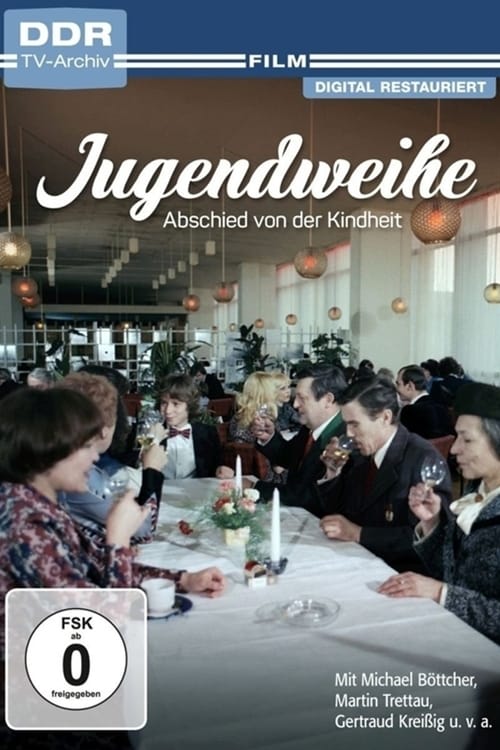
Every year in the spring the pupils of the 8th grade in the GDR receive the 'Jugendweihe' and are admitted to the circle of adults. This year, Tim is ready. For him and his classmates, the day begins with a ceremony in the culture house, then he goes with the whole family in a hotel restaurant, to celebrate the event properly.
Jugendweihe
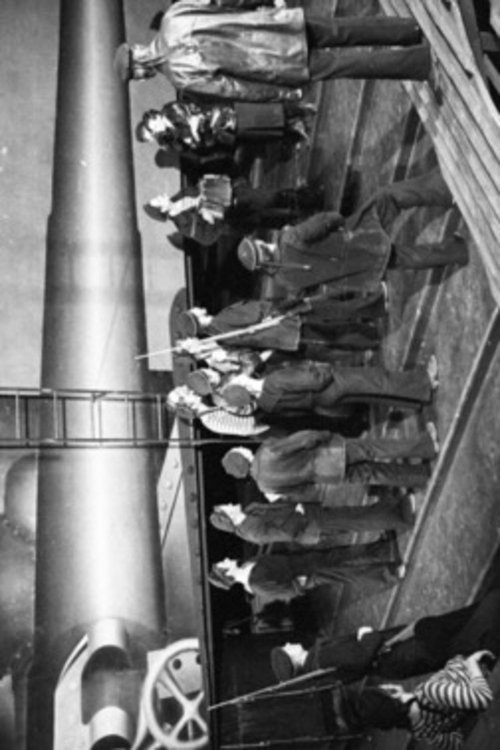
During the October Revolution in 1917 the Bolshevik Party appointed a woman commissioner of the “Free Anarchist-Revolutionary Section”. This regiment emerged from an anarchist division of the ship of the line “Imperator Paul I.”
Optimistische Tragödie

Florida, 1830 - Of all eastern Native American tribes, only the Seminoles have resisted being moved to reservations. Having retreated to Florida, they live a simple horticultural life. But white plantation owners, angry at the increasing numbers of black slaves fleeing to Seminole protection, want to take their land. Plantation owner Raynes, in particular, has convinced the military to wipe out the Seminoles. His rival Moore, a sawmill owner from the North who has a Seminole wife, is against slavery and considers it unprofitable. Chief Osceola sees the coming danger; he tries to avoid provoking the whites, but cannot prevent the war that breaks out in 1835.
Osceola
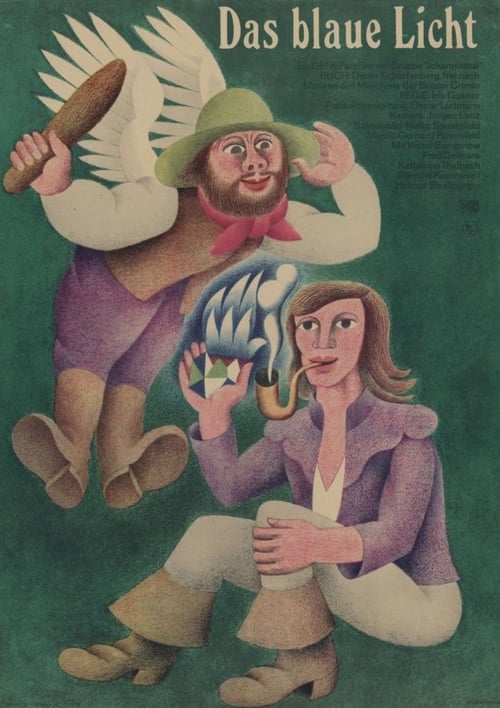
Hans the farmer is drawn into war as a soldier. Returning from the front, having been defrauded of his pay by his own king, he makes his way home. On his trip, he encounters a witch who asks him to fetch the light from a spring. He keeps it when the witch tries to deceive him and he discovers her foul magic. When the light is ignited, a little man appears who must serve the owner of the light, but it only has power if the owner has faith in himself. His courage bolstered, Hans goes to the king once more to demand his wages be paid.
The Blue Light
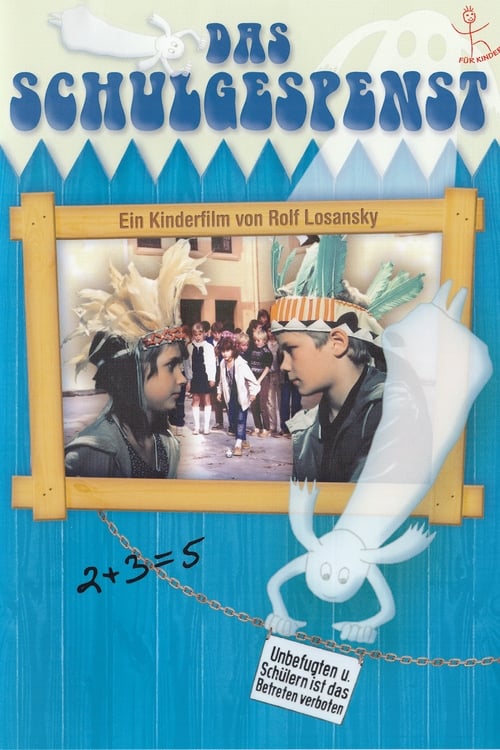
Carola is a mischievous girl who doesn't care much for school- except for sports and recess, of course. Without her good friend Willi to keep her on the straight and narrow, she would really be in trouble. One day at school, Carola has an idea. She invents what she calls "International Ghosts' Day" and a ghost named "Buh" to go with it. When Buh turns out to be less-than-imaginary the two decide to switch places, with Buh taking on all the schoolwork, and Carola taking the opportunity to play practical jokes on all her friends...
School Ghost
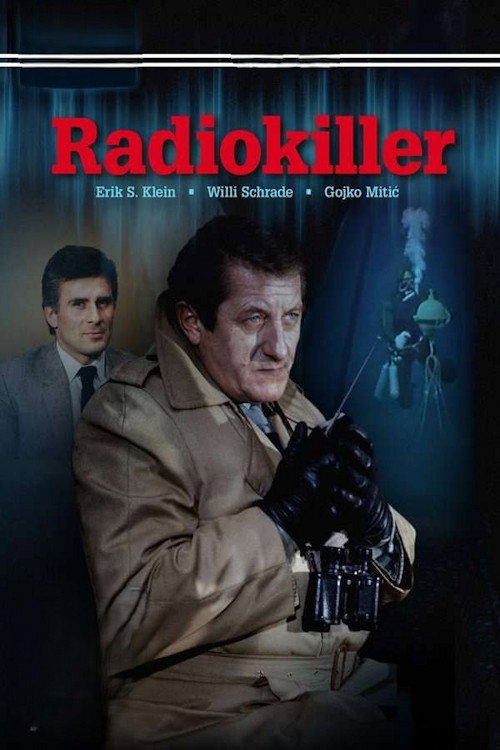
Enemy secret services from the West had used modern technology for the "cold war", i.e. the confrontation with the Eastern Bloc, and developed a device called COMMINT 3-72. Its nickname was "Radiokiller". This weapon was not much bigger than a soccer and could be easily camouflaged on the territory of the GDR, for example as a fieldstone, the remains of a wall or a lump of earth. These enemy objects were inconspicuous on the outside, but packed with complicated inner workings, i.e. highly sophisticated microelectronics.