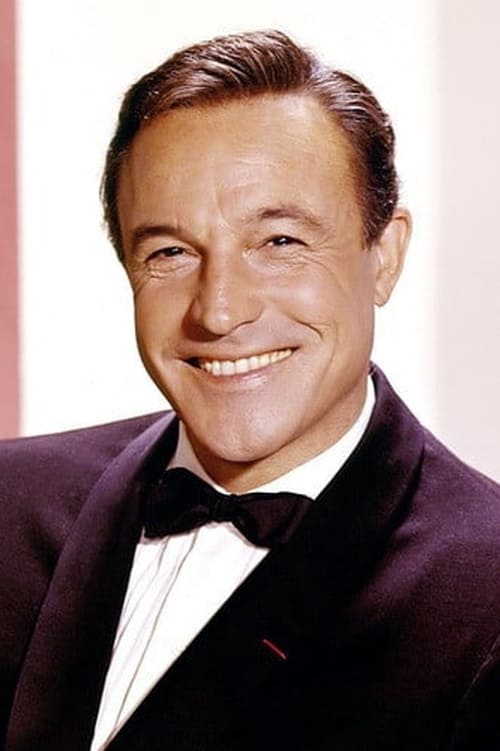
Gene Kelly
Acting
Biography
Eugene Curran Kelly (August 23, 1912 – February 2, 1996) was an American actor, dancer, singer, filmmaker, and choreographer. He was known for his energetic and athletic dancing style, his good looks, and the likable characters that he played on screen. He starred in, choreographed, or co-directed some of the most well-regarded musical films of the 1940s and 1950s, until they fell out of fashion in the late 1950s. Kelly is best known today for his performances in films such as Cover Girl (1944), Anchors Aweigh (1945), for which he was nominated for an Academy Award for Best Actor, On the Town (1949), which was his directorial debut, An American in Paris (1951), Singin' in the Rain (1952), Brigadoon (1954), and It's Always Fair Weather (1955). Kelly made his film debut with Judy Garland in For Me and My Gal (1942), and followed by Du Barry Was a Lady (1943), Thousands Cheer (1943), The Pirate (1948), Summer Stock (1950), and Les Girls (1957) among others. After musicals he starred in two films outside the musical genre: Inherit the Wind (1960) and What a Way to Go! (1964). In 1967, he appeared in French director Jacques Demy's musical comedy The Young Girls of Rochefort opposite Catherine Deneuve. Kelly solo directed the comedy A Guide for the Married Man (1967) starring Walter Matthau, and later the extravagant musical Hello, Dolly! (1969) starring Barbra Streisand, recognized with an Oscar nomination for Best Picture. Kelly co-hosted and appeared in Ziegfeld Follies (1946), That's Entertainment! (1974), That's Entertainment, Part II (1976), That's Dancing! (1985), and That's Entertainment, Part III (1994). His many innovations transformed the Hollywood musical, and he is credited with almost single-handedly making the ballet form commercially acceptable to film audiences. Kelly received an Academy Honorary Award in 1952 for his career achievements; the same year, An American in Paris won six Academy Awards, including Best Picture. He later received lifetime achievement awards in the Kennedy Center Honors (1982) and from the Screen Actors Guild and American Film Institute. In 1999, the American Film Institute also ranked him as the 15th greatest male screen legend of Classic Hollywood Cinema.
Known For

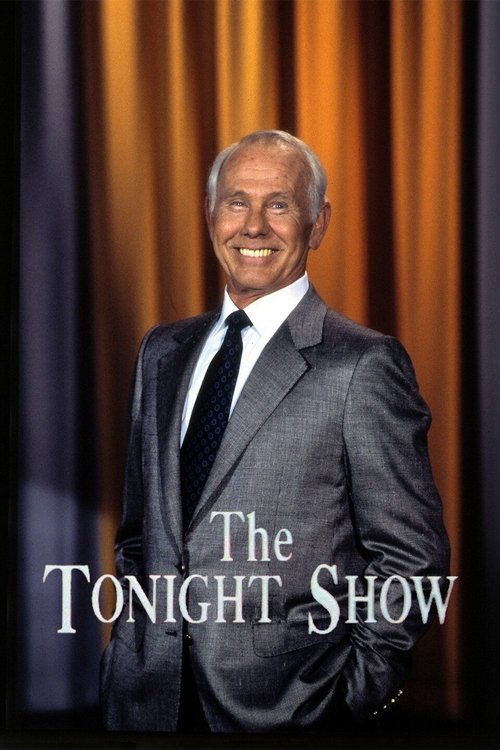
The Tonight Show Starring Johnny Carson is a talk show hosted by Johnny Carson under The Tonight Show franchise from 1962 to 1992. It originally aired during late-night. For its first ten years, Carson's Tonight Show was based in New York City with occasional trips to Burbank, California; in May 1972, the show moved permanently to Burbank, California. In 2002, The Tonight Show Starring Johnny Carson was ranked #12 on TV Guide's 50 Greatest TV Shows of All Time.
The Tonight Show Starring Johnny Carson

The Mike Douglas Show is an American daytime television talk show hosted by Mike Douglas that originally aired only in the Cleveland area during much of its first two years on the air. It then went into syndication in 1963 and remained on television until 1982. It was distributed by Westinghouse Broadcasting and for much of its run, originated from studios of two of the company's TV stations in Cleveland and Philadelphia.
The Mike Douglas Show

The best in the performing arts from across America and around the world including a diverse programming portfolio of classical music, opera, popular song, musical theater, dance, drama, and performance documentaries.
Great Performances

No description available.
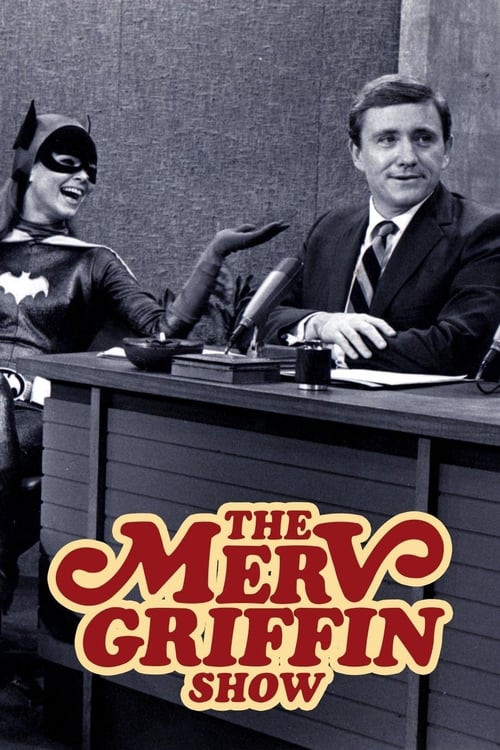
The Merv Griffin Show

No description available.
Champs-Elysées

An annual American awards ceremony honoring cinematic achievements in the film industry. The various category winners are awarded a copy of a statuette, officially the Academy Award of Merit, that is better known by its nickname Oscar.
The Oscars

Omnibus was an arts-based BBC television documentary series, broadcast mainly on BBC1 in the United Kingdom. The programme was the successor to the long-running arts-based series 'Monitor'. It ran from 1967 until 2003, usually being transmitted on Sunday evenings. During its 35-year history, the programme won 12 Bafta awards. Among the series' best remembered documentaries are Cracked Actor, a profile of David Bowie, and Rene Magritte, a graduate film by David Wheatley, 'Madonna: Behind the American dream', a film produced by Nadia Hagger, and a profile of the British film director Ridley Scott. For a season in 1982, the series was in a magazine format presented by Barry Norman. The series was replaced by 'Imagine' hosted by Alan Yentob.
Omnibus

The story of the enduring friendship between Orry Main of South Carolina and George Hazard of Pennsylvania, who become best friends while attending the United States Military Academy at West Point but later find themselves and their families on opposite sides of the American Civil War.
North and South

Omnibus is an American, commercially sponsored, educational television series.
Omnibus

The Ed Sullivan Show is an American TV variety show that originally ran on CBS from Sunday June 20, 1948 to Sunday June 6, 1971, and was hosted by New York entertainment columnist Ed Sullivan. It was replaced in September 1971 by the CBS Sunday Night Movie, which ran only one season and was eventually replaced by other shows. In 2002, The Ed Sullivan Show was ranked #15 on TV Guide's 50 Greatest TV Shows of All Time.
The Ed Sullivan Show

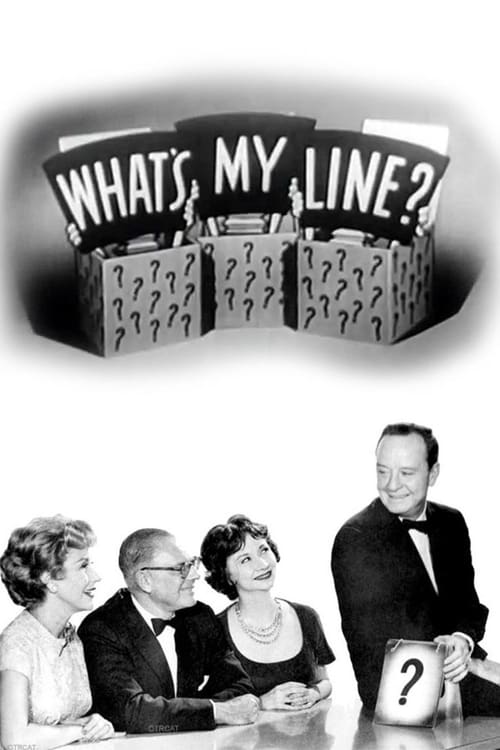
Four panelists must determine guests' occupations - and, in the case of famous guests, while blindfolded, their identity - by asking only "yes" or "no" questions.
What's My Line?

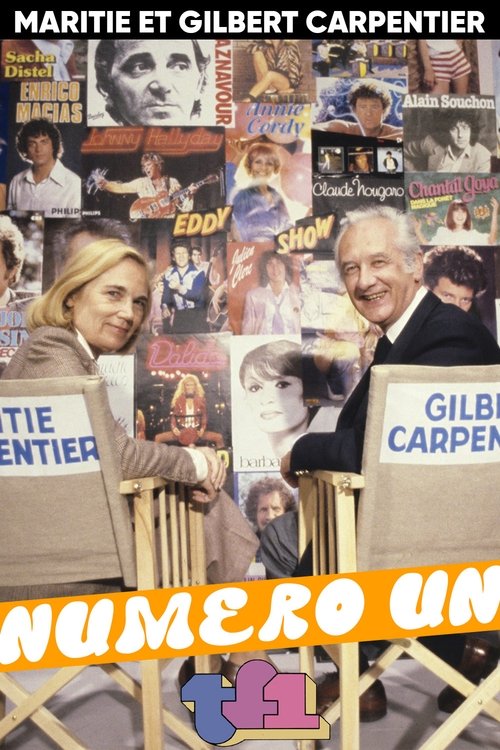
A French variety show.
Numéro un

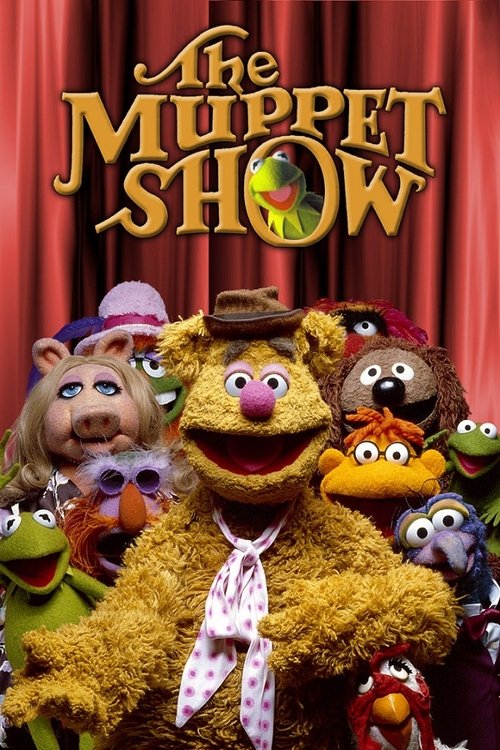
Go behind the curtains as Kermit the Frog and his muppet friends struggle to put on a weekly variety show.
The Muppet Show

The Kennedy Center Honors is an annual honor given to those in the performing arts for their lifetime of contributions to American culture.
The Kennedy Center Honors
The BBC's flagship cinema review TV program featuring reviews of new releases, news items and interviews. The title of the program changes each year to incorporate the year of broadcast.
Film '72

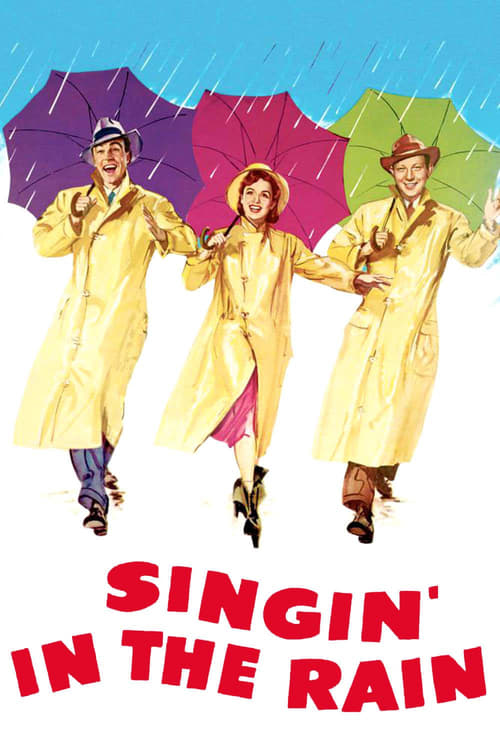
In 1927 Hollywood, a silent film star falls for a chorus girl just as he and his paranoid screen partner struggle to make the difficult transition to talking pictures.
Singin' in the Rain

In 1973 the American Film Institute initiated its Life Achievement Award, to be presented to a yearly recipient whose talent has fundamentally advanced the film art; whose accomplishments have been acknowledged by scholars, critics, professional peers and the general public; and whose work has stood the test of time.
The American Film Institute Salute to ...

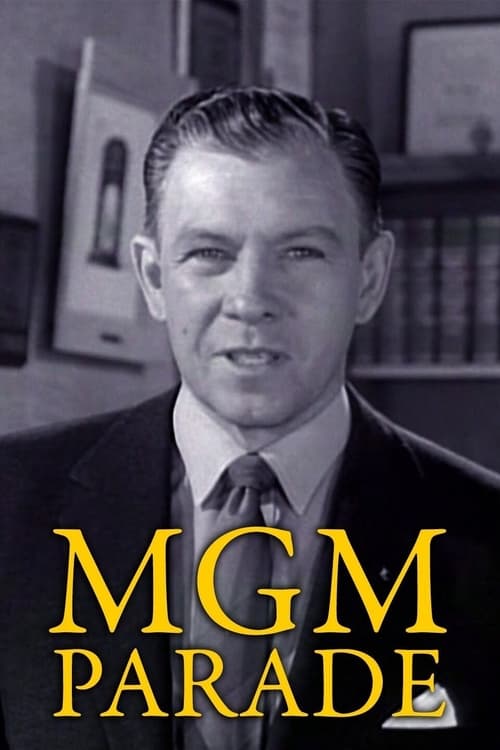
The original concept of the show was to allow the viewer to see the inner workings of a movie studio and featured interviews with MGM stars and explanations of how movies were made. Later, the format changed to show edited versions of MGM films.
MGM Parade

The Danny Kaye Show is an American variety show hosted by Danny Kaye that aired on CBS from 1963 to 1967 on Wednesday nights. Directed by Robert Scheerer, the show premiered in black-and-white, but later switched to color broadcasts. At the time, Kaye was at the height of his popularity, having starred in a string of successful films in the 1940s and '50's, made successful personal appearances at such venues as the London Palladium, and appeared many times on television. His most recent films had been considered disappointing, but the television specials he starred in were triumphant, leading to this series. Prior to his television and film career, Kaye had made a name for himself with his own radio show, and numerous other guest appearances on other shows.
The Danny Kaye Show

The César Awards are cinematographic awards created in 1976 and presented annually in Paris to professionals of the 7th art in various categories to recognize the best French productions. They are often cited as the French equivalent of the Oscars in the United States.