Acting
No description available.
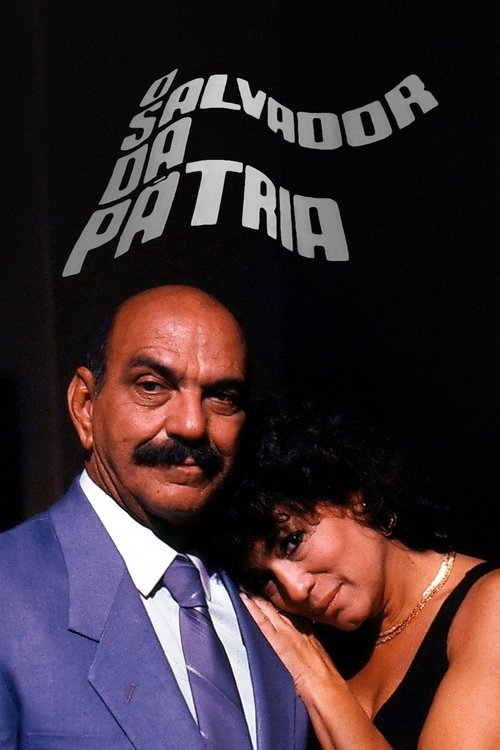
Sassá Mutema is a farm laborer who becomes the target of the city's powerful figures' cruelty. With Clotilde's support, he discovers that it's possible to start a new life alongside a great love.
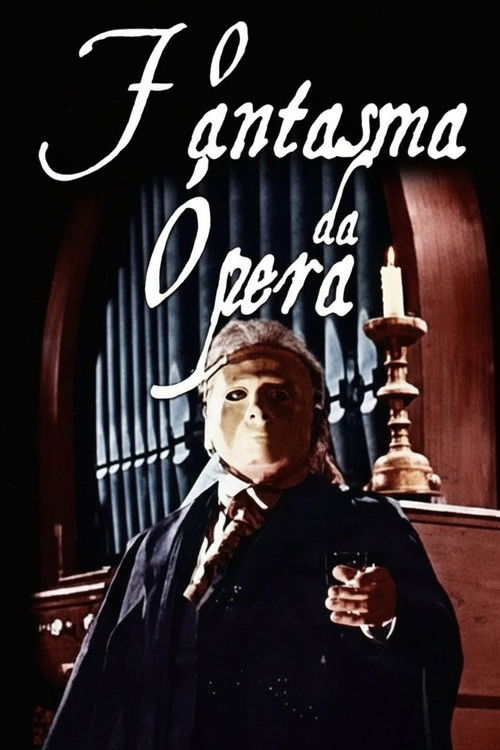
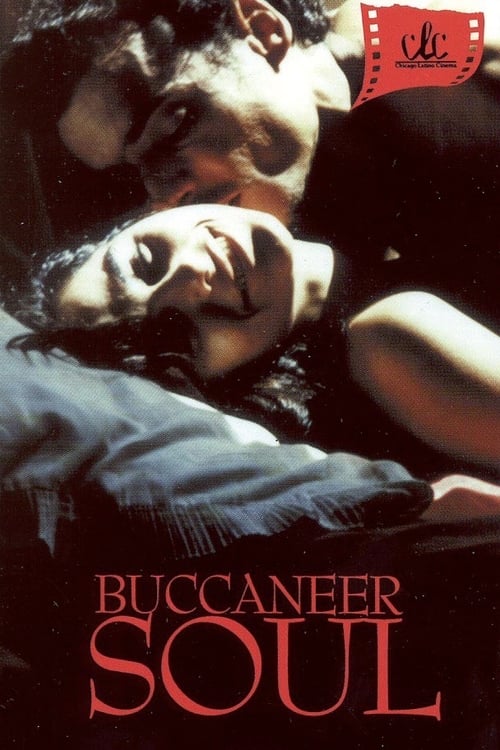
Brutal murders take set during the new production of "Marilia De Dirceu" at the Theatro Municipal in Rio De Janeiro. When Cristina Andreatti, daughter of famous Brazilian musician - Gastão Andreatti, takes the lead role, replacing La Carlota Alencastro, Cristina falls on the hands of a mysterious masked man who claims to be Alfredo do Vale, a musician who was killed in a brutal accident years ago.
Antônio Alves, Taxista is a Brazilian telenovela produced by Ronda Studios and broadcast by SBT from May 6 to August 10, 1996. It is a Brazilian adaptation of the Argentine telenovela Rolando Rivas, taxista (1972), created by Alberto Migré. Adapted by Ronaldo Ciambroni, with direction by Jorge Montero and general direction by Marcelo Travesso, the telenovela stars Fábio Jr., Guilhermina Guinle, Branca de Camargo, Rubens Caribé, Elaine Cristina, Murilo Rosa, and Eliete Cigarini. The story follows Antônio Alves, a humble taxi driver who moves to São Paulo after the death of his parents and becomes responsible for supporting his four younger siblings. While trying to build a better life, he meets Mônica, a young woman from a wealthy family, and the two fall in love despite their different social backgrounds. Their relationship faces family conflicts, personal struggles, and challenges involving friendship, responsibility, and the search for happiness.
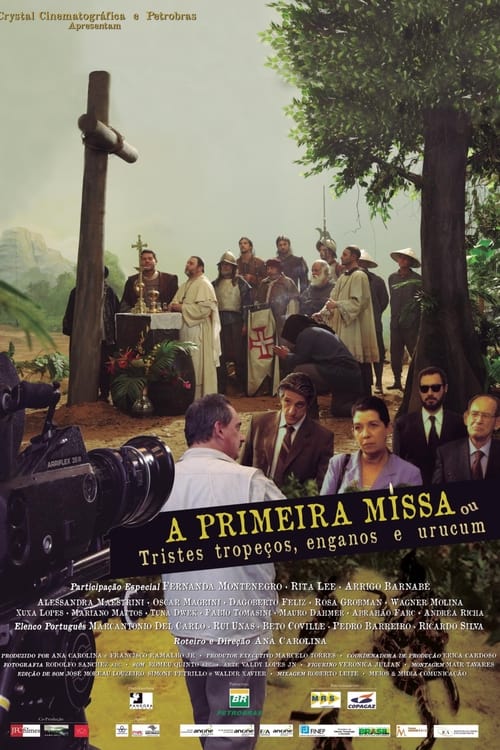
On set, in the middle of the Atlantic Forest, a stressed film director begins another day of filming, reproducing the celebration of the first mass in Brazil. Suddenly three strange agents emerge from the forest and abruptly interrupt the scene. Authoritarians, they confiscate the filmed negatives. The paranoid director grumbles: "Are they from the government?". The execution of the film is compromised. Will the director in trouble be able to complete his film?
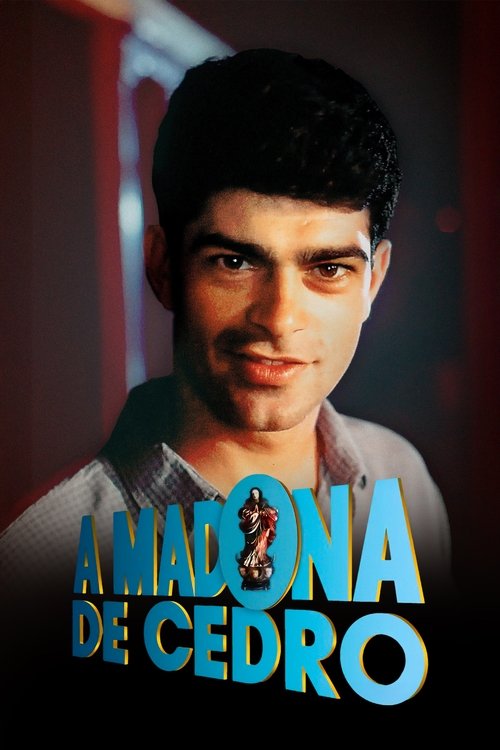
Set in the 1960s, the story has as protagonist Delfino, a Catholic sculptor from Congonhas do Campo. Raised by his aunt Efigênia, he lives from selling his works.
50 years of Brazilian history seen from the point of view of a friendship among two intellectuals.