Production
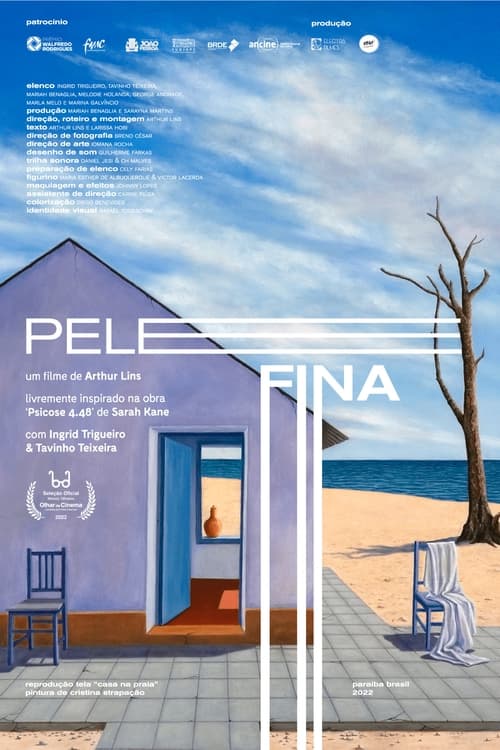
While writing an adaptation of the play "4.48 Psychosis", by English playwright Sarah Kane. Luisa (Ingrid Trigueiro) travels to a desert beach with her family. Immersed in the text, Luisa finds the work's impulses increasingly immersed into her own reality, driving her to the threshold of adaptation and delirium. Between theater, sketch, archival images, and complex memories and family relationships, Arthur Lins uses different staging references to compose a small tropical tale about complex creation process.
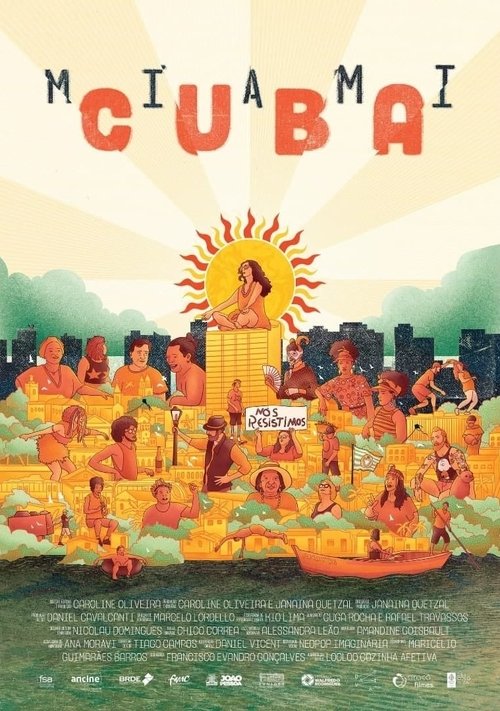
Miami-Cuba is an audiovisual immersion through the Historic Center of João Pessoa, with brief trips to symbolic places along its shore. In particular, the recently verticalized Altiplano district, where his current urban development project seems to be heading. Its cinematographic device is the occupation of an apartment in the 18th floor building, the first skyscraper and initial landmark of modernization in the capital. Work that also configures a type of sentinel in this central region of the city, listed as a historical heritage shortly after its construction. A performative documentary that walks with pre-researched characters and others who were found in the journey of recordings… Expressive people from the city, known and/or anonymous, who ramble about their urban experiences, resisting, ways of living and living, existing .
No description available.
A feature-length documentary about fantasy and horror films produced by female filmmakers, including interviews with professionals from ten countries.
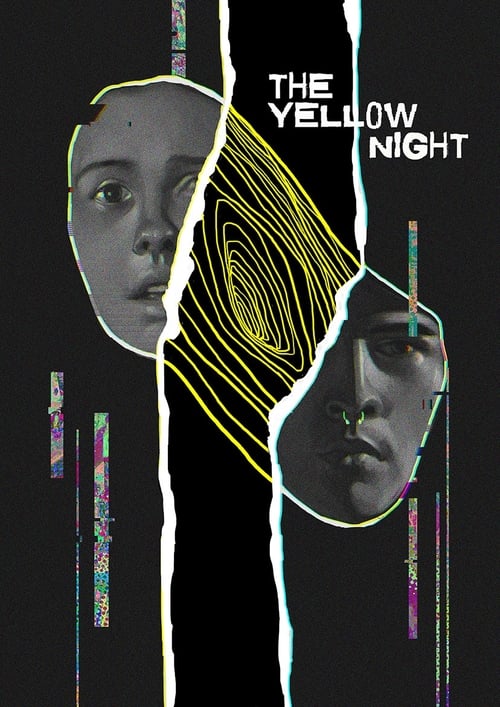
A group of friends travels to a beach house on an island on the brazilian seaside to celebrate the end of high school, a place virtually no one else inhabits and which is almost always dark. However, their drollery and parties are cut short by the feeling that the place shelters an unfathomable horror.
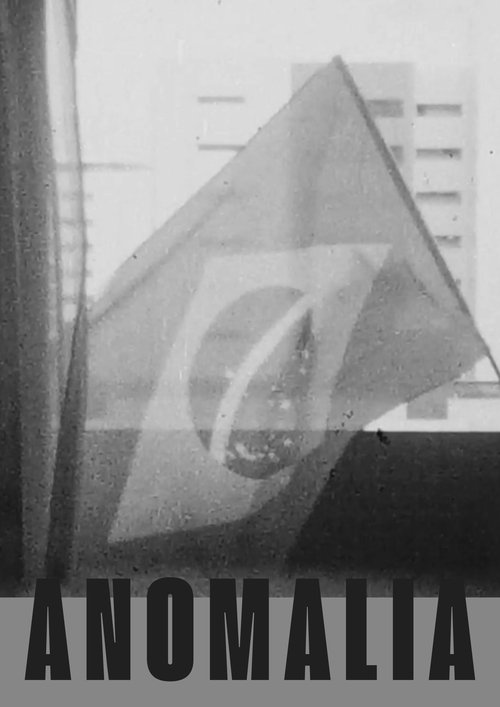
Delusions of persecution.
A plumber finds the old owner of an abandoned house. The stranger is conducting a paranormal experiment.
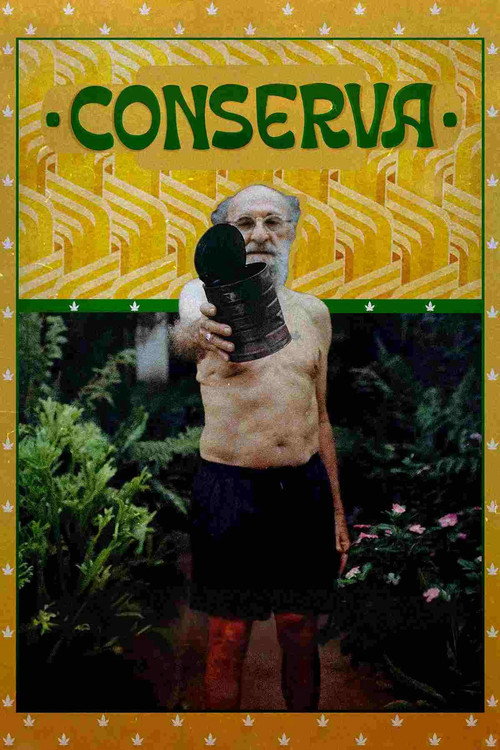
Old Pereira remembers a gift he got from the sea during the Summer of Lata in 1988, in northeastern Brazil.
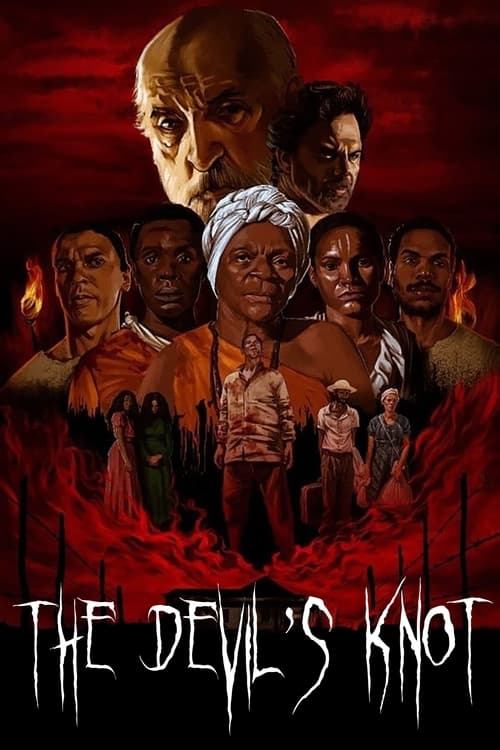
During the slavery period in Brazil, a sugar cane farm was the stage for the darkest kinds of horrors. Years later, the place's cruel past is still stained in its walls, even if unnoticed, until a series of strange events starts happening and death returns to the farm. The film is divided in five short horror stories.
“Old age isn’t a battle, old age is a massacre.”
Away from everything and everyone, three men seal their fates.
When principles conflict with the rights of others, there is only one way out. *Film part of the 8 by 8 project: Renewal of the Super-8 cinema cycle in Paraíba.