FEEL IT.STREAM
?

Humberto Rios

Directing

Known For

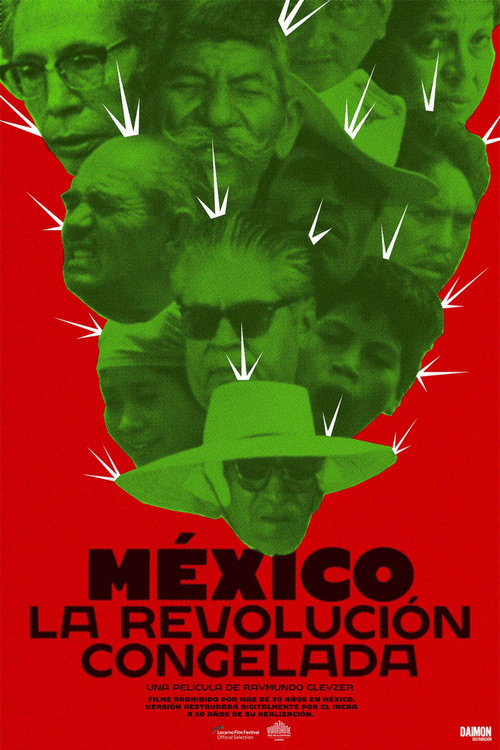
Mexico: The Frozen Revolution
6.6

A thorough analysis of the socio-politics of Mexico, within the historical context of the Mexican Revolution reality. Includes footage from the 1910s, interviews with farmers, politicians, intellectuals, middle class, union, etc, as well as scenes from the life of an Indian family in Chiapas, their religious rituals, their crops, trials and bilingual schools. The film ends with the slaughter in the Plaza de Tlatelolco in 1968, during the infamous Olympics.

Mexico: The Frozen Revolution

1973
Faena
9.0

The images connect the workings of a slaughterhouse with a city that is also divided between executioners and dead people.

Faena

1961
No image
9.5

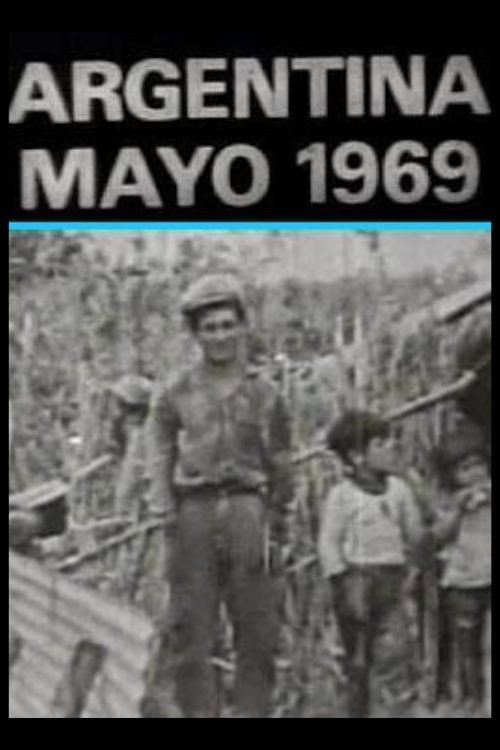
A collection of shorts, some documentary and some fictional, showing the political climate in Argentina during the military regime of the late 1960s.

Argentina, mayo de 1969. Los caminos de la liberaciĂłn

1969
This Voice Among Many
9.0

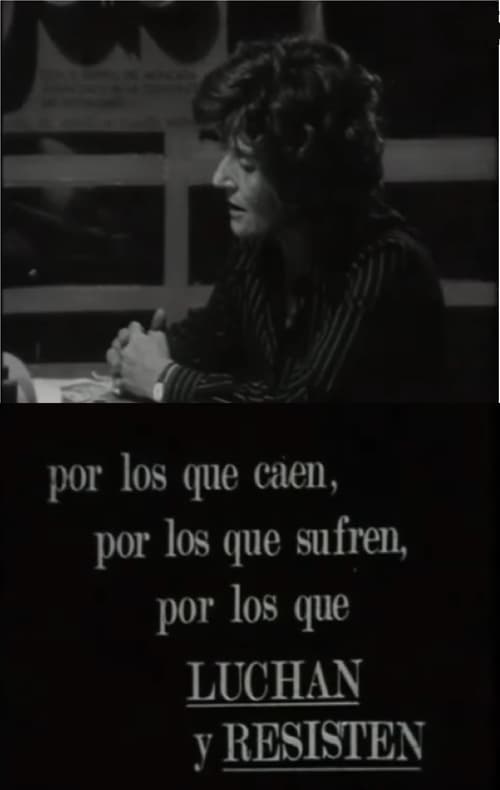
The testimonies of three Argentines: Laura Bonaparte, Carlos González Gartland and Raúl Fonseca, on repression and torture in Argentina between 1973 and 1979. It was performed during the team's exile in Mexico

This Voice Among Many

1979
No image
N/A

Jorge Prelorán was one of the most prolific documentary filmmakers from Argentina. This documentary presents an interview which focuses on his creative work, and on how his ideas about documentaries are key in the uniqueness of his topics and characters.

Jorge Prelorán, el cine de un humanista

2007
Eloy
8.0

The film is about Eloy, a Chilean bandit and companion of JoaquĂ­n Murieta, who is wanted by the justice system on the border with Argentina. Although an escape seems impossible, in desperation he flees without a fixed destination.

Eloy

1969
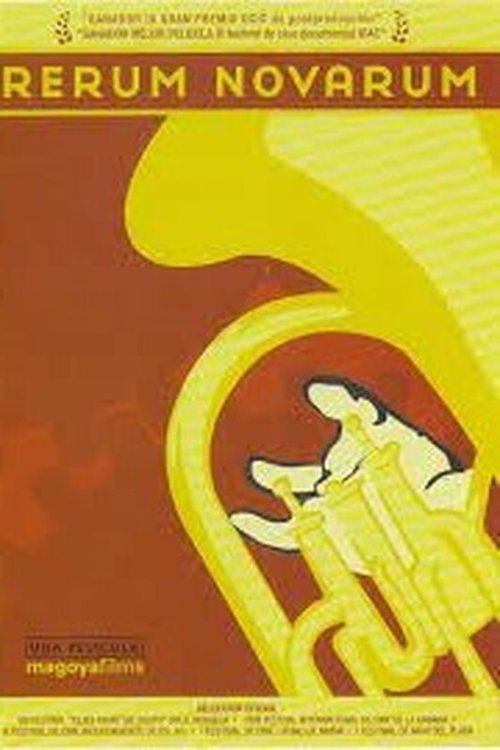
Rerum Novarum
8.0

Near Luján, the Rerum Novarum music band, composer of former workers of the Flandria cotton plant, continues playing nowadays, in spite of the shutdown of the factory. The old musicians struggle with passion in the need to maintain an identity, in a present where the social values seem to have to disappear. The old workers-musicians, receive "Our Lady of Luján" playing "Oh, María", remembering the early days of the town, of the factory, and of their own lives. They recall an idealistic past, where a Flandria worker used to receive a salary equal to that of a bank manager. They visit the closed factory -once source for employment for thousands of workers- with the knowledge that the country that they helped to build no longer exists. The old musicians gather to enjoy their friendship in the celebration of the 63rd anniversary of the band, while they fight against the ghosts of the economical crisis and social disintegration.

Rerum Novarum

2001
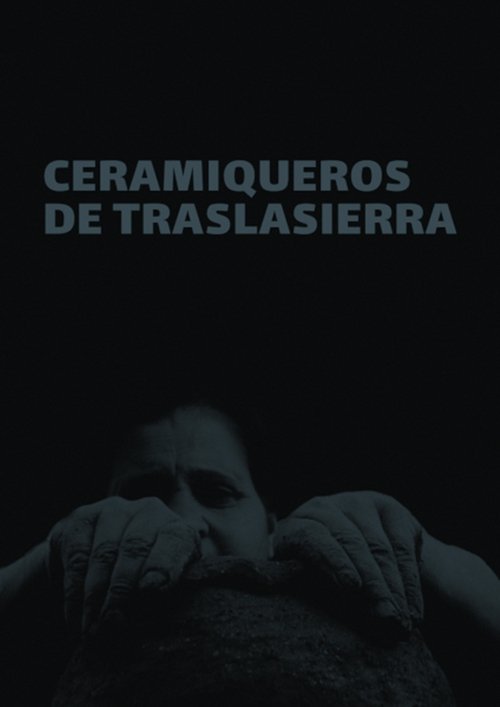
The Pottery Makers
7.5

Raymundo Gleyzer's documentary on o community of Pottery Makers in the west of Cordoba province in Argentina who create pieces to sell to the tourists.

The Pottery Makers

1965
No image
N/A

Documentary film about Argentinian filmmaker Fernando Birri. An interview: a journey through documentary filmmaking, his childhood, the dawning of New Latin American cinema...

Fernando Birri, el utĂłpico andante

2012
No image
8.0

No description available.

Del Viento y del Fuego

1983
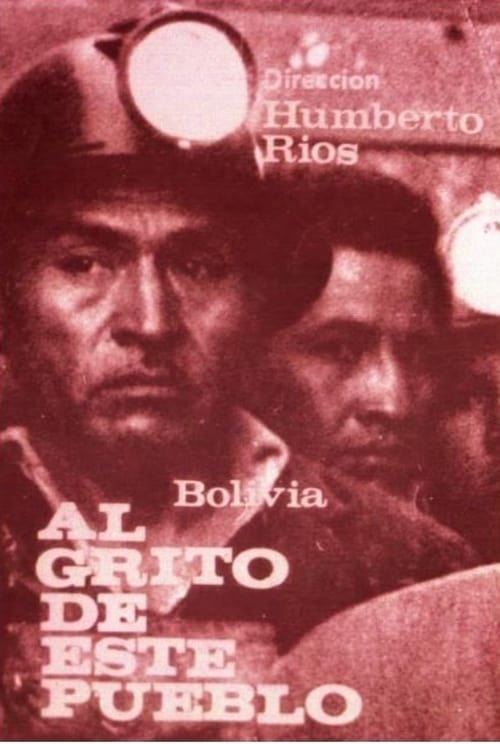
Al grito de este pueblo
7.0

No description available.

Al grito de este pueblo

1972
No image
7.0

This film integrates a series of testimonies based on the memory and myth of the last surviving Zapatistas, those peasants who, led by Emiliano Zapata, during the decade from 1910 to 1920, in central Mexico, radicalized the Mexican Revolution by becoming warriors to reconquer their lands and their freedom.

Historia, leyenda y mito de una utopĂ­a agrarista: Testimonios zapatistas

1987
No image
N/A

This file addresses the work of the emblematic Bolivian filmmaker Jorge Sanjinés, investigating the creative aspects of this director who knew how to create his own language and aesthetics consistent with the Andean worldview. His work is an insight into that collectivist world that brings us closer in a sensitive way to the soul of Bolivian society. It is a call to attention to the whole of society regarding the cultural values ​​of the indigenous majorities. Consistent with his discourse, Jorge Sanjinés is a director who has strived to make communicable, reflective, critical and beautiful cinema that has survived censorship, persecution and exile, bringing to the continent and the world all the richness of an unmissable work.

Jorge Sanjinés y la Nación re(v)belada

2010
No image
N/A

No description available.

RĂ­os de la patria grande

2016