
Marcelo Machado
Directing
Biography
Marcelo Machado (Araraquara, June 8, 1958) is a Brazilian filmmaker, known for his work with experimental video in the 1980s and, more recently, for his documentaries. He graduated in Architecture from USP. In 1981, with former classmates Fernando Meirelles, Beto Salatini and Paulo Morelli, he created the production company Olhar Eletrônico, a creative group that became known for the pioneering and experimental nature of its video productions. In the production company's early works, as producer and director of photography, Marcelo helped to document the emergence of the "Vanguarda Paulista" ("Música na praça", 1981) and to reflect on the conflict between electricity production and ecology in Brazil ("Eletroagentes", 1982). In 1983, his first fictional work, the short film "Marly Normal" (co-directed with Fernando Meirelles) won the main prize at the 1st Festival Video Brasil. Still in the 1980s, even before the dissolution of Olhar Eletrônico, Marcelo Machado was programming director of TV Gazeta, then production coordinator of TV Cultura. In 1991, he worked on the launching of MTV Brasil. He then took over the Radio and Television Department at the advertising agency DPZ, for which he directed dozens of campaigns and the documentaries "No limits" and "Around the world". In 2000 he left DPZ, working alternately as director of advertising and of television programs, as well as working in video art. In 2001 he directed the series "Brazilian Music" for the Multishow channel and the special "Drum in Braz" for MTV Brasil. In 2003 he received the award for best electronic music video for "Samba Sim". In 2005, he created and co-directed the feature documentary "Ginga, the soul of Brazilian football" for Bossa Nova Filmes. Since then, he has dedicated himself to feature documentaries, such as "Oscar Niemeyer, the architect of invention" (2007), about Oscar Niemeyer's centennial and "O Sarau" (2011), about the role of poetry in the life of the citizens of Dois Córregos. In September 2012, after two years of production, he launched the documentary "Tropicália", recovering rare images of the Tropicalist movement and with unpublished interviews with Caetano Veloso, Gilberto Gil, Tom Zé and Rogério Duarte.
Known For
No description available.
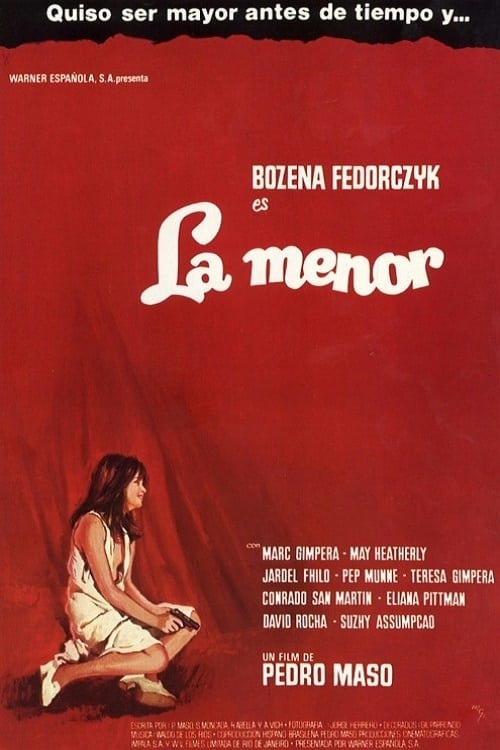
La menor
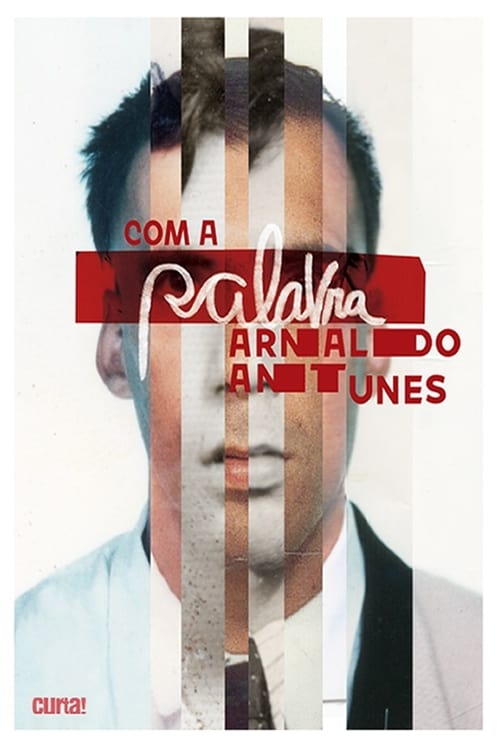
From his origins as a poet to his success as a singer and composer, Arnaldo Antunes revisits the most remarkable moments of his career.
Com a Palavra, Arnaldo Antunes
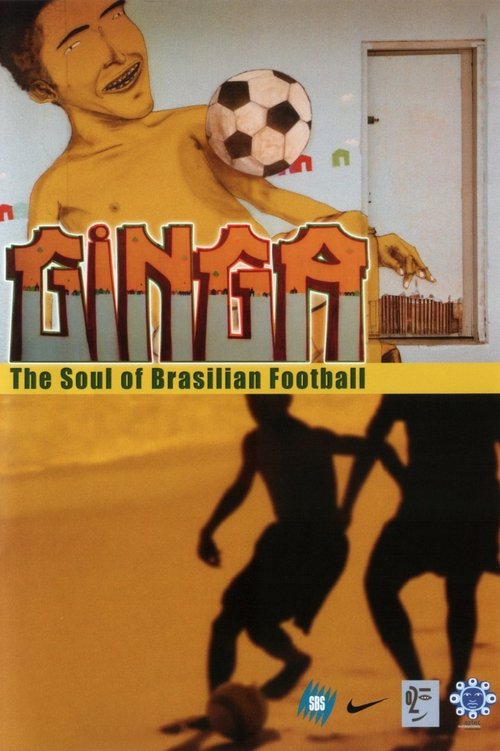
An awe-inspiring documentary exploring what makes Brazil one of the greatest footballing nations ever: ‘ginga’, the mysterious, indefinable magical quality of rhythm and movement which sets the Brazilian game apart from the rest. Produced by Fernando Mereilles (City of God, The Constant Gardener) and directed by three up-and-coming young filmmakers, Ginga follows seven young footballers from a diverse range of social and ethnic backgrounds, providing a glimpse into the passionate culture that produces some of the world’s finest footballers.
Ginga
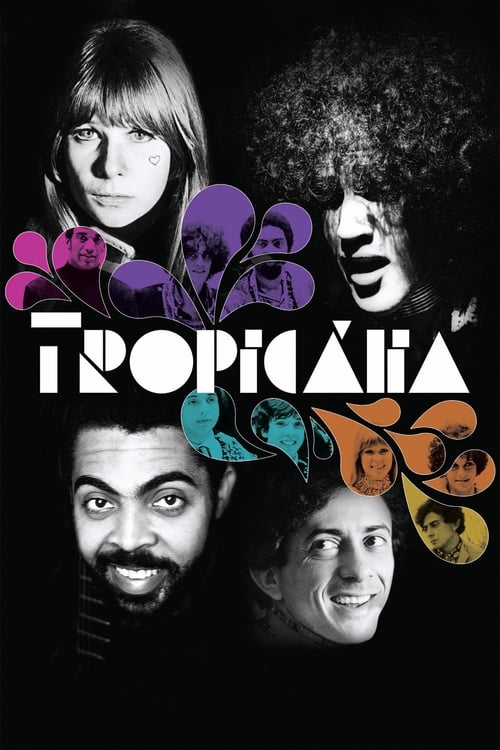
Set against the turbulent atmosphere of the 1960s, Tropicália is a feature length documentary exploring the Brazilian artistic movement known as Tropicália, and the struggle its artists endured to protect their right to freely express revolutionary thought against the traditional Brazilian music of that time.
Tropicália
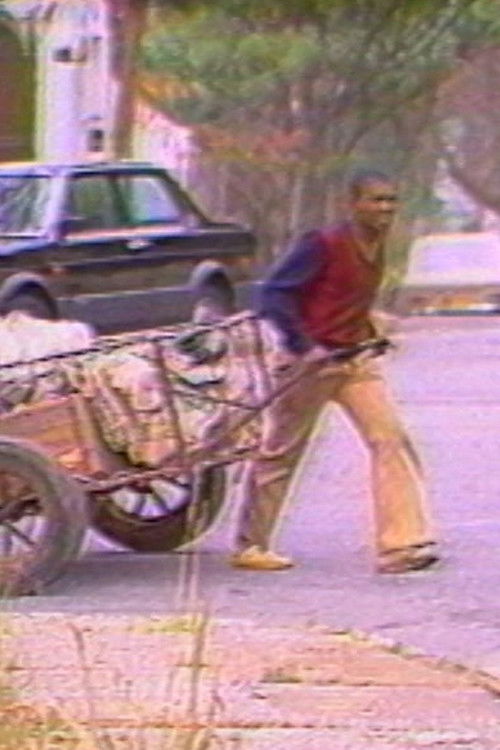
About the routine of those who live on the streets of São Paulo. Gilberto, a cardboard scavenger, becomes the video reporter and interviews other homeless people about poverty, exclusion, work and life.
Do Outro Lado da Sua Casa
Reunion of four reportages made by production company "Olhar Eletrônico" between 1983 and 1986, in which an irreverent reporter, Ernesto Varela, a creation of actor/director Marcelo Tas, tackles some hot topics, such as money evasion in Brazil, gold-digging at Serra Pelada, the homeless in São Paulo and a love story spoof.
Olhar Eletrônico

No description available.
Carlos Nader

No description available.
O avô na sala de estar: a prosa leve de Antonio Candido
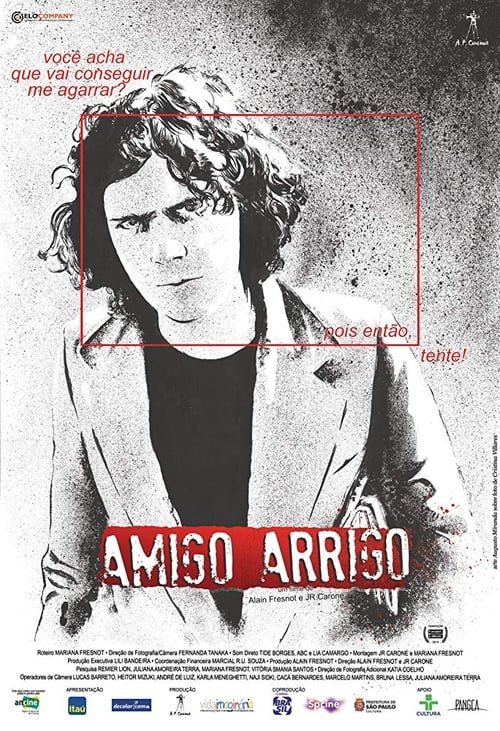
The art of Arrigo Barnabé, one of the pillars of the São Paulo experimental music scene during the 80's and author of critically acclaimed albums such as "Clara Crocodilo" (1980) and "Tubarões Voadores" (1984).
Amigo Arrigo
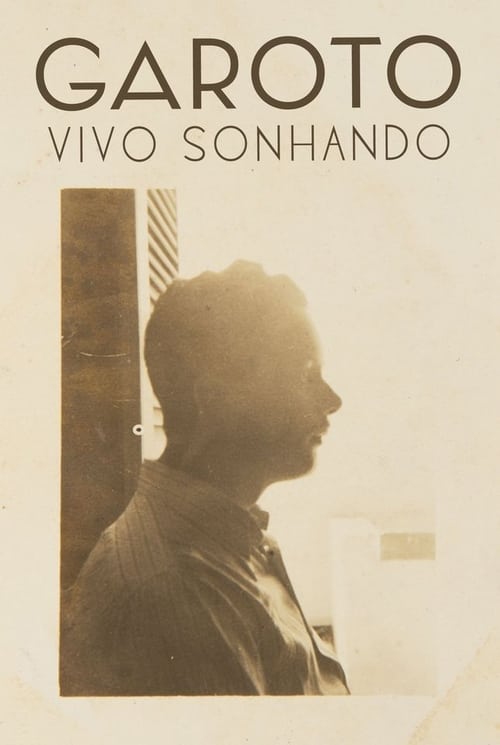
A prodigy of stringed instruments, a pioneer of Bossa Nova, a modernizing master of the guitar: Aníbal Augusto Sardinha, better known as Garoto (1915-1955), is one of the hidden pillars of Brazilian music. Woven by rare archival material, personal diaries and testimonies, this documentary reveals his influence and the artistic conflicts of an avant-garde artist in the golden age of Brazilian radio.
Garoto - Vivo Sonhando
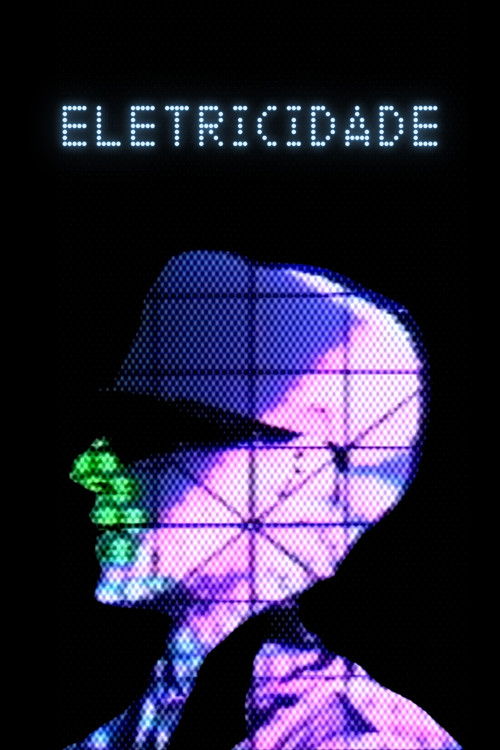
A poetic documentary by Alfredo Nagib, it outlines a futuristic vision of electricity through the musical universe of Kodiak Bachine, a composer and performer, a cybernetic character with punk hair. Kodiak Bachine is a pioneer of Brazilian electronic music and a founding member of Agentss, the country’s first electronic music band. Bachine plays himself as a man from the future who, although he has learned to control machines with his mind, has also become dependent on them.
Electricity
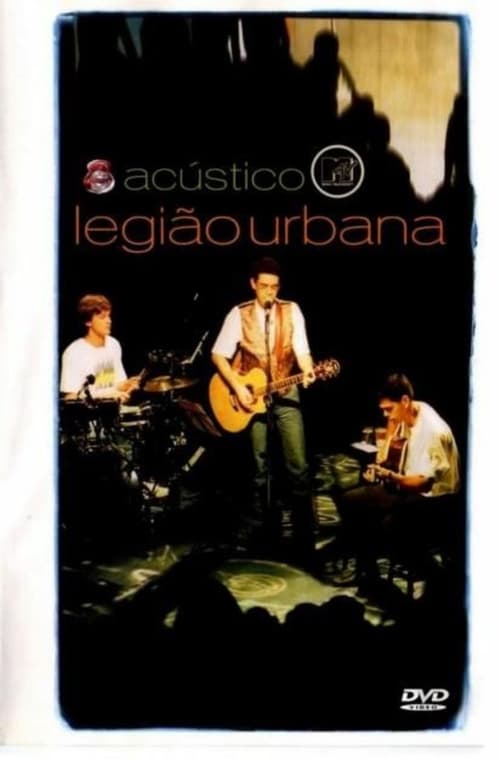
No description available.
Acústico MTV: Legião Urbana
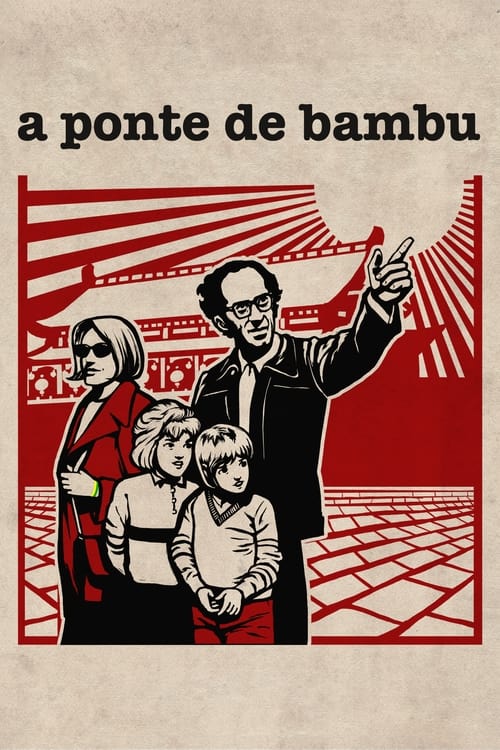
A puzzle to Western eyes, China is a giant that imposes itself through the barriers of language, traditions and history. With testimonies and images of historical and sentimental value, journalist Jayme Martins and his family lead us to a comprehension of China through the unprecedented narrative of his experience in that country: Communism, Mao’s Cultural Revolution, the Celestial Peace Square Massacre, the reforms that culminated with the country becoming a superpower. Director Marcelo Machado dives into these memories and visits the country with which he possesses an affective liaison.
The Bamboo Bridge
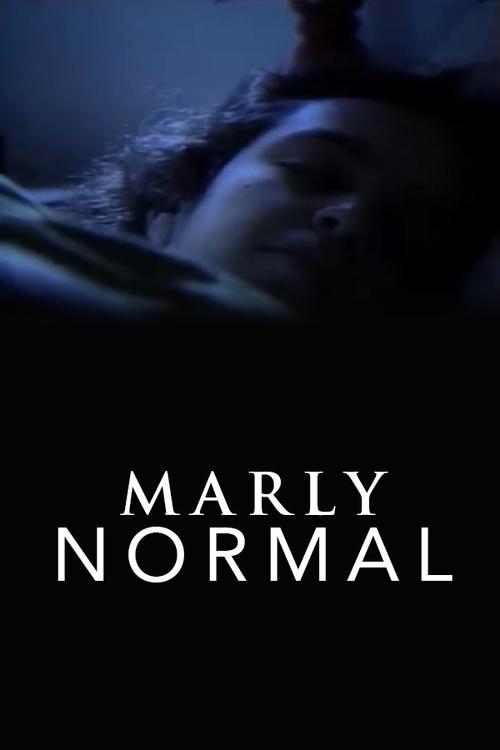
An experimental documentary following the busy life of an office worker in São Paulo, Marly, and how he manages to have a personal life beyond that.
Marly Normal
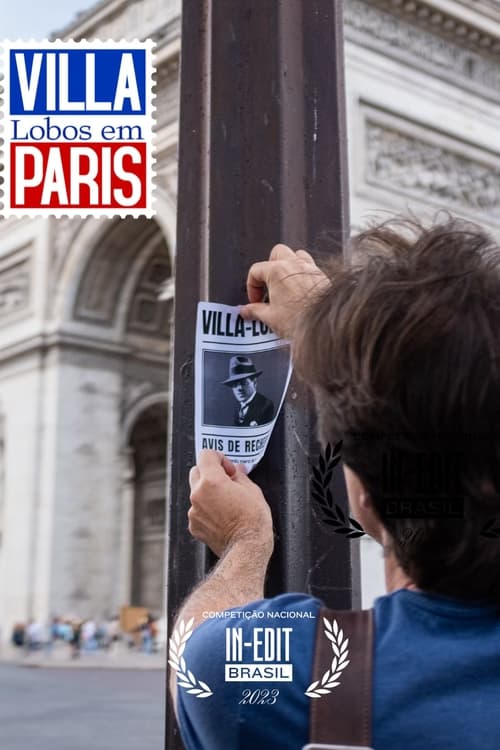
The only musician to perform at the Modern Art Week of 1922, composer Villa-Lobos was the object of the biggest boos at that event. After that, he decided to spend some time in Paris, where he met characters like Jean Cocteau, Andres Segovia, Arthur Rubinstein, among others. It is from there that Villa-Lobos confronts his identity, starting to seek new directions for his work in his roots. This movie travels through the places where the musician went in the French capital, investigating the causes and effects of these encounters and the city in his work.
Villa-Lobos em Paris
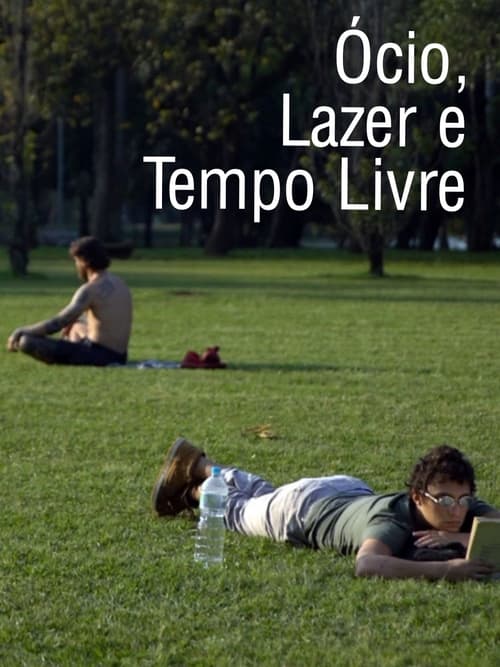
The documentary looks at the various meanings of leisure in the contemporary world and presents its implications in the field of ethics, diversity, coexistence and citizenship, among other aspects that need critical analysis and proactive action.
Relaxation, Leisure and Free Time

A historical overview of what Semana de 22 was and its understanding over time, the event took place over three nights at the Theatro Municipal de São Paulo (February 13, 15 and 17, 1922).
Semana Sem Fim

No description available.
O Piano Que Conversa
No description available.
Guto Lacaz - Um Olhar Iluminado
No description available.