Acting
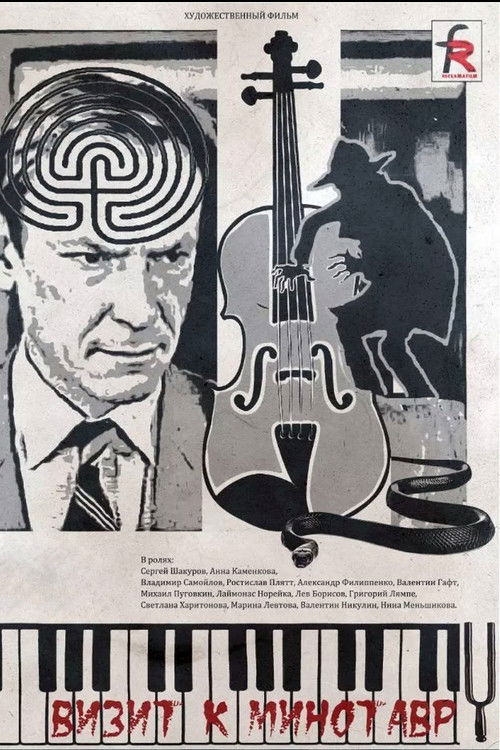
The detective story is based on the search for Antonio Stradivari’s missing violin. An additional historical storyline takes the viewer back to the 17th century and focuses on the life of the Master and his work on the violin.
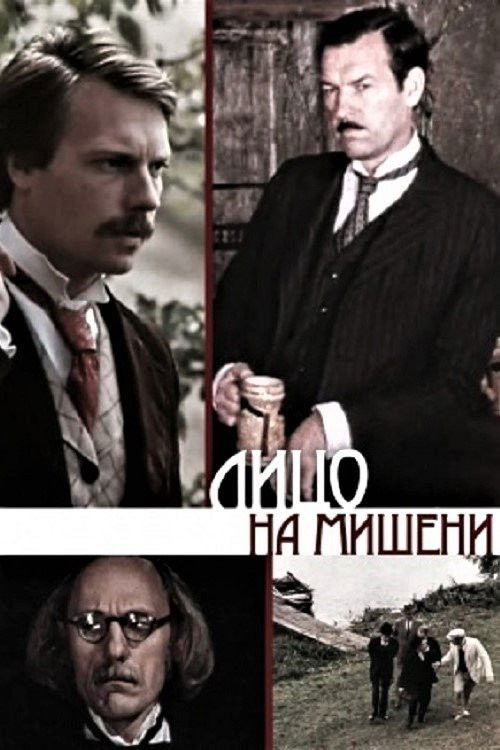
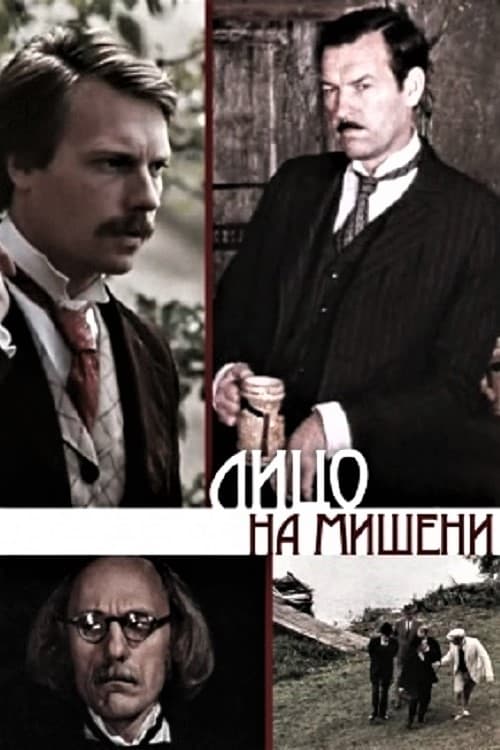
The film is based on Gilbert Keith Chesterton's short stories. Father Brown investigates the murder of a bodyguard of industrial magnate Izaokas Hukas.
A classic mystery based on "The Face in the Target" story by G.K. Chesterton.
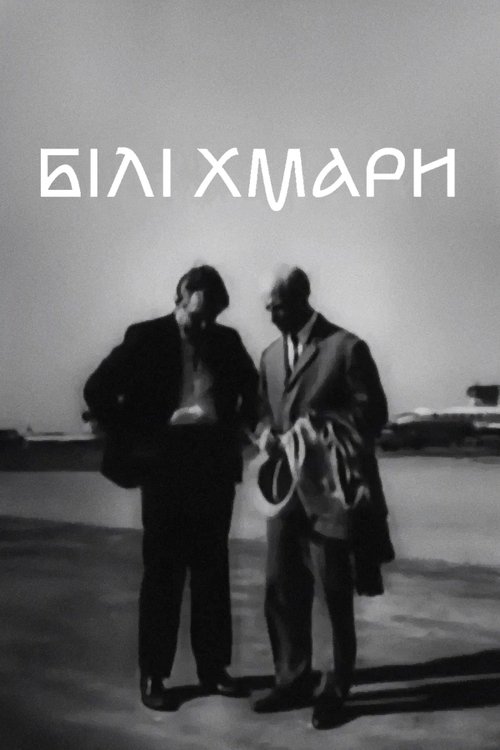
A man is notified of his father's imminent death. He travels to his father in a remote Ukrainian village, recalling his childhood during the disastrous forced collectivization and artificial famine (Holodomor) of the 1930s by the Soviet regime. The film was heavily cut due to censorship by the Soviet Government.
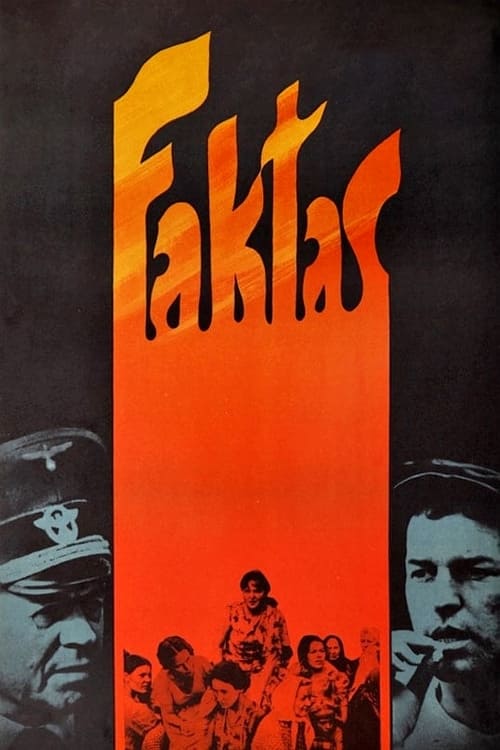
Facts is a dramatization of a massacre in a Lithuanian village during World War II when Nazis rounded up over 100 men, women, and children accused of partisan activity and then torched the houses in which they were held. Using Russian interrogations of a few survivors, the testimony of villagers, and some of the Germans responsible for the killing, the film gradually reconstructs the event and its context.
On the formation of young Soviet diplomacy and the struggle of the mission in Kabul with the internal reaction and representatives of the Western powers for the signing of the Cooperation Agreement. A Russian diplomatic mission was sent to Kabul. The friendly relations between Afghanistan and the young Soviet republic became a real threat to traditional British rule in the East.
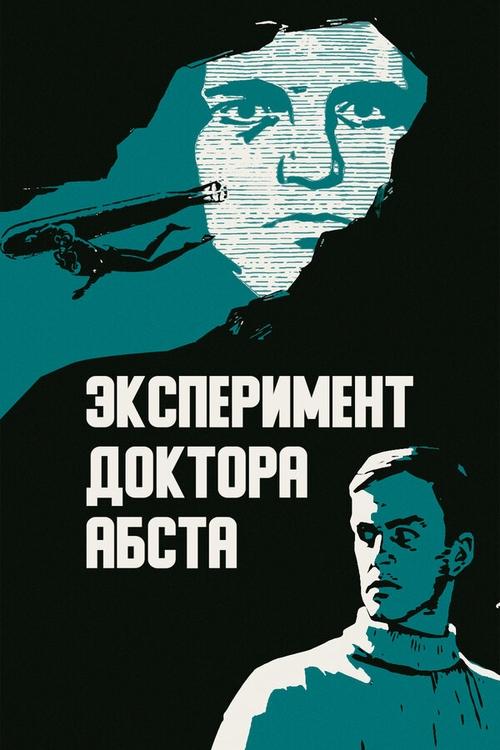
Soviet intelligence officer Kraft has a new assignment. This time, acting under the name of engineer Grubbe, he must find and transfer to the center the secret drawings of a new submarine codenamed "Walter".
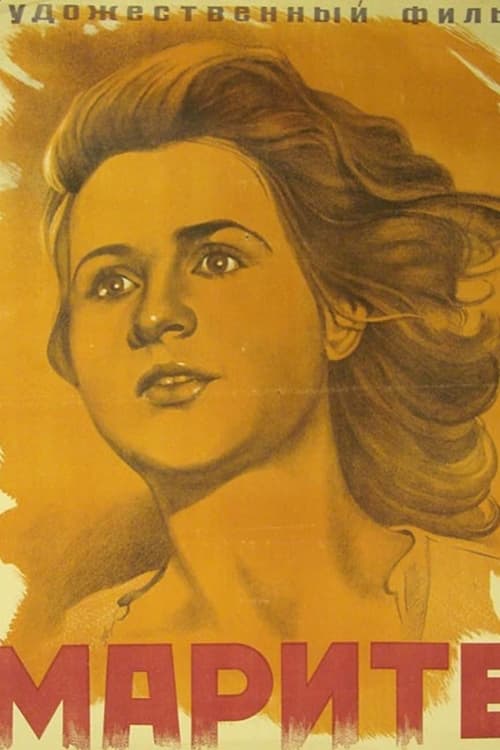
The poor Melnik family lives in Zarasai region. Elder Mary parents struggle to send Marry to school but they did this anyway. The horizons of the girl, who until then had learned only from the old grandfather Peter, are spreading there, she, as if seeing herself in her place, tells the class about the legendary hero of Lithuanian history Grazina. Deprivation prevents Maryte from graduating, so she starts working in a candy factory where she hears political inferences. 1940, Vilnius is returned to Lithuania. Maryte, her best friend Elena and a group of young people in national costumes get ready to walk to the capital. In the periphery, the Bolsheviks remember the land of the rich, distribute it to the poor, and Mary dreams of continuing her studies and becoming a doctor. The dream is interrupted by the outbreak of World War II.
Second movie of a dilogy about Russian paratroopers started with "V zone osobogo vnimaniya"
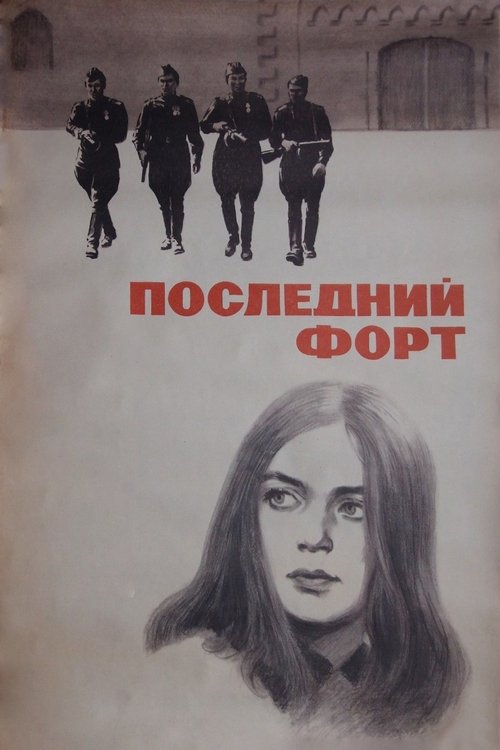
Four soldiers of different nationalities serve in small garrison on the territory of post-war Germany.
When a widowed fisherman moves in with his brother and sister-in-law to escape the collapsing Nazi forces, he finds himself caught up, like Lithuania itself, in perilous questions of collaboration and occupation, resistance and escape.
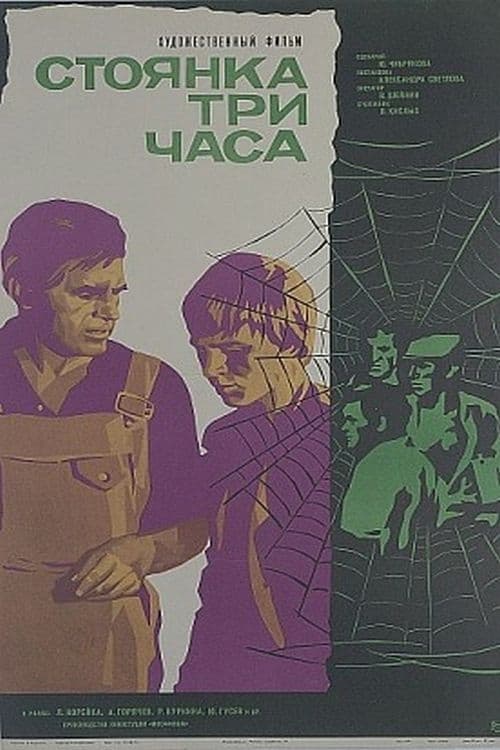
Traveling along the Volga River, a worker from Kaunas, Jonas Budris, while stopping the ship in one of the Volga towns, searched for the house where his old friend Petr lived. After learning that after Peter's death his wife was hospitalized, his eldest son was serving time for theft, and his youngest had dropped out of school, Jonas decided to interrupt the trip and stayed at his friend's house.
Fragments of the stories were dramatized: R. Bradbury “I Sing About the Mechanical Body” (about the work of an electronic grandmother who, having human qualities, gives tenderness to children deprived of maternal affection) and I. Varshavsky “There are no alarming symptoms” about Professor Clarence, who agrees to an operation that deprives him of human emotions.
The plot centers on the people who began to form underground groups from the very first days of the occupation of Minsk: oil engineer Isa Kazinets, soldier Ivan Kabushkin, student journalist Vladimir Omelianuk, medical professor Yevgeny Klumov, party and Soviet worker Sergey Blagorazumov, and others. Their main weapon was their hatred of the occupiers. Soon, the underground fighters managed to establish contact with the partisans, and they began to plan joint operations.
During WWII Red Army sailor suddenly gets to German underwater swimmers secret base...
During the war, the Germans exported breeding horses from Russia, among which was Ermakov’s favorite. After the war, he managed to find her and return her to Russia, but the tribal certificate was lost. And now, forty years later, the granddaughter of this horse - the magnificent race mare Secunda - is being sold for pennies at an international auction to a certain Baron von Ritter. Ermakov guesses about the true owner of the “lost” document and, in the end, returns it to himself.
The film is set in Lithuania after the Second World War. It shows dramatic events in a small Lithuanian farming community, where people are split between the Soviets and the "brothers in the woods", who are fighting to defend their land from the Soviets after the end of the Second World War.
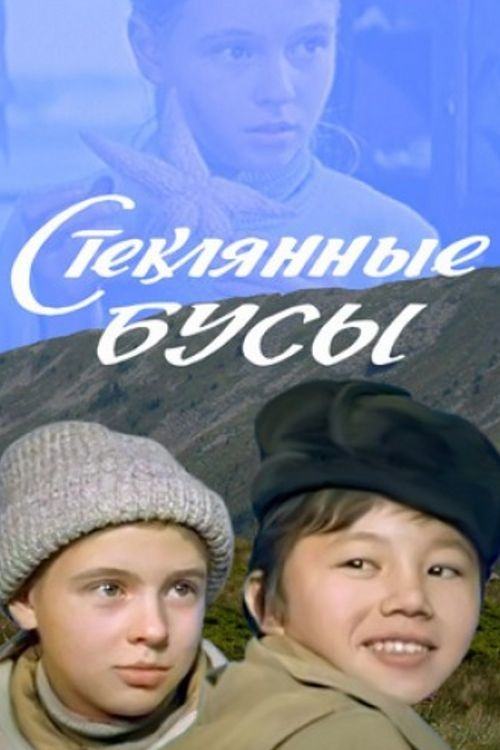
Big changes are coming to the life of twelve year old Masha after vacations on Kamchatka island. Her father spends most of his time sailing and lives in Petropavlovsk-Kamchatskiy, while the girl lives with her mother in Odessa. Masha had long dreamed of traveling to Kamchatka; now, the long-awaited day has arrived. Summer will pass in a flash for both father and daughter: Masha will spend two months with her father on Bering Island, befriend an Aleut boy named Radik, and convince her mother not to return to Odessa at all.
No description available.