Linda Hoaglund
Directing
Known For
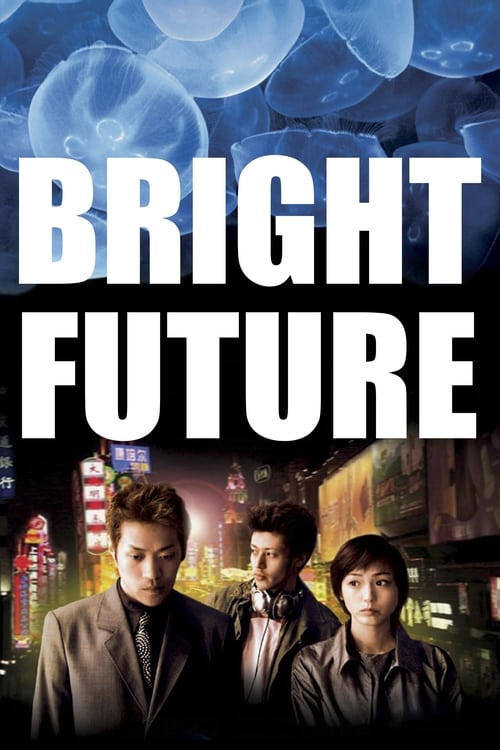
Buddies working at an oshibori factory bond over an uncontrollable rage neither can control, as well as a strange jellyfish they keep as a pet.
Bright Future
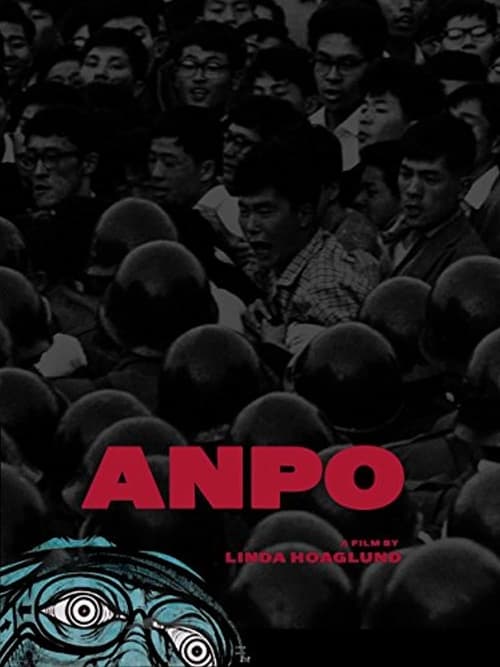
ANPO: Art X War tells the story of Japan's historic resistance to U.S. military bases in Japan through an electrifying array of artwork created by Japan's foremost artists. The film articulates the insidious, lasting impact that the U.S. military presence has had on Japanese lives, and the creative processes that artists have devised to transmit the spirit of resistance.
ANPO: Art X War
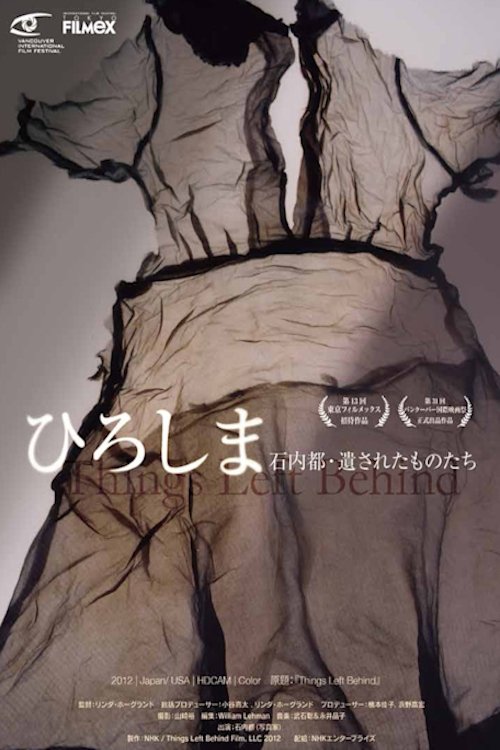
Things Left Behind explores the transformative power of 'Hiroshima,' the first major international art exhibit devoted to the atomic bomb. The exhibition, at the Museum of Anthropology in Vancouver, Canada, featured 48 large-format color photographic prints of clothing once worn by those who perished in the atomic bomb, taken by renowned Japanese photographer Ishiuchi Miyako. Ishiuchi brought the garments--still colorful and fashionable nearly seven decades later--out of permanent storage at the Hiroshima Peace Memorial archive and photographed them in the light, to trace the spirits of those who once wore them. The photographs, exhibited without any identifying caption, mutely solicited viewers to imagine or divulge a narrative, and unlocked a wealth of secrets and memories from those who encountered them.
Things Left Behind
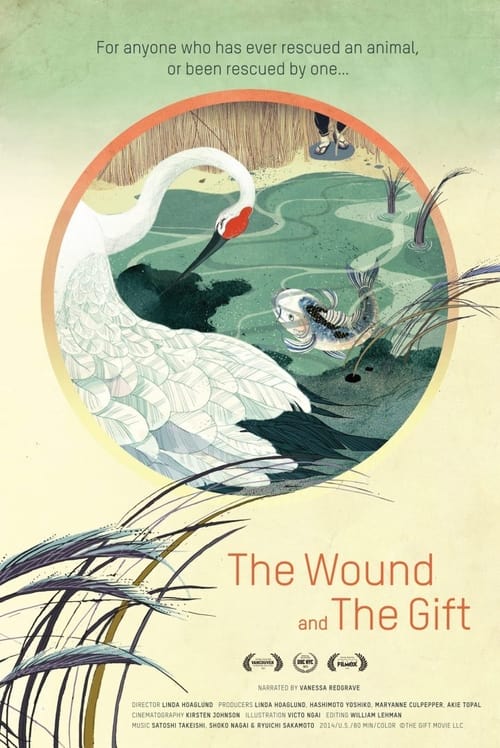
The Gift is a feature-length film exploring a major transformation in peoples' relationships with animals.
The Wound and the Gift
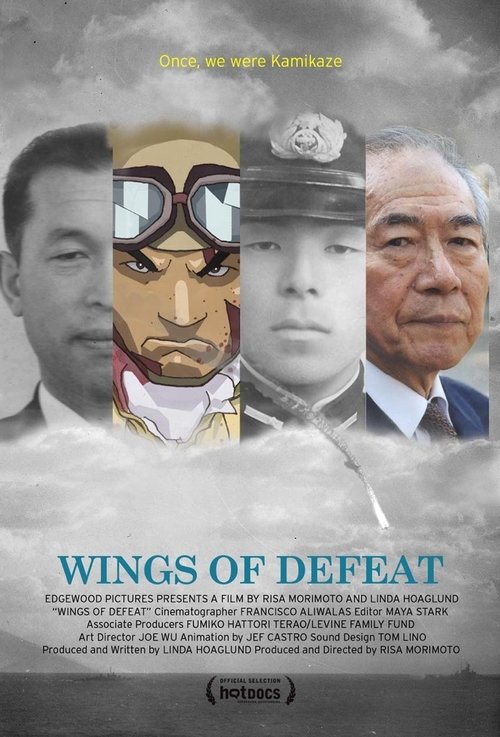
Wings of Defeat is a feature-length documentary exploring the human experience of surviving kamikaze pilots. When director, Risa Morimoto, learned that her beloved uncle had trained as a kamikaze pilot in his youth but carried that secret to his grave, she decided to retrace his footsteps and ask surviving pilots about their provocative experiences. Sixty years later, survivors in their eighties tell us about their training, their mindsets, their experiences in a kamikaze cockpit and what it meant to survive when thousands of their fellow pilots crashed to their deaths. Their stories insist we set aside our preconceptions to relive their all too human experiences with them. Ultimately, they help us question what responsibilities a government at war has to its soldiers and to its people.
Wings of Defeat
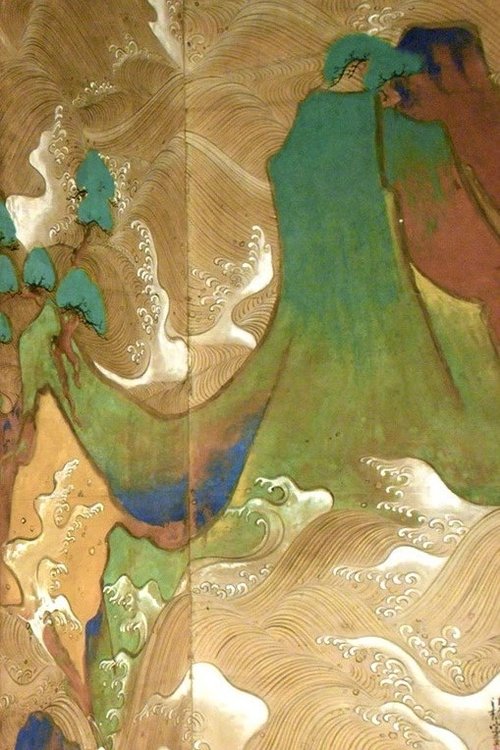
Edo Avant-Garde reveals the pivotal role Japanese artists of the Edo era (1603 – 1868) played in setting the stage for the “modern art” movement in the West. During the Edo era, while a pacified Japan isolated itself from the world, audacious Japanese artists innovated stylization, abstraction, minimalism, surrealism, geometric composition and the illusion of 3-D. Their elegant originality is most striking in images of the natural world depicted on folding screens and scrolls by Sotatsu, Korin, Okyo, Rosetsu, Shohaku and many others who left their art unsigned.