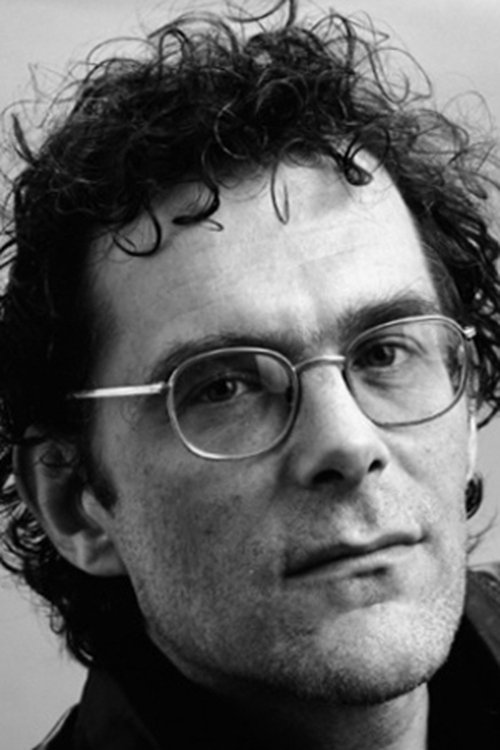
Frans van de Staak
Directing
Biography
Frans van de Staak (1943-2001) studied at the Netherlands Film Academy from 1963 on. He financed his first films usually from his own savings for his work as a graphics artist. His films can be characterised by a consistent investigation of (cinematographic) space, time, language, images and movement in their mutual relations. His first full-feature, The Imperfect Tulip, was completed by Van de Staak in 1980. He is also producer and cutter for other filmmakers.
Known For
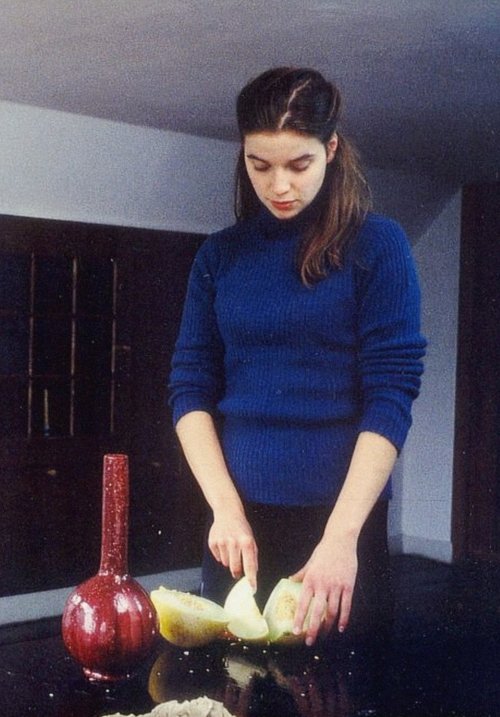
An actress and an actor overhear parts of the play "Three Travelers Watch Sunrise" by Wallace Stevens (1879-1955). The dialogues of the three [Chinese] travelers and the girl [Anna] are spoken as a monologue by the actress. The actor just listens but occasionally he gives her instructions.
Verse Texture
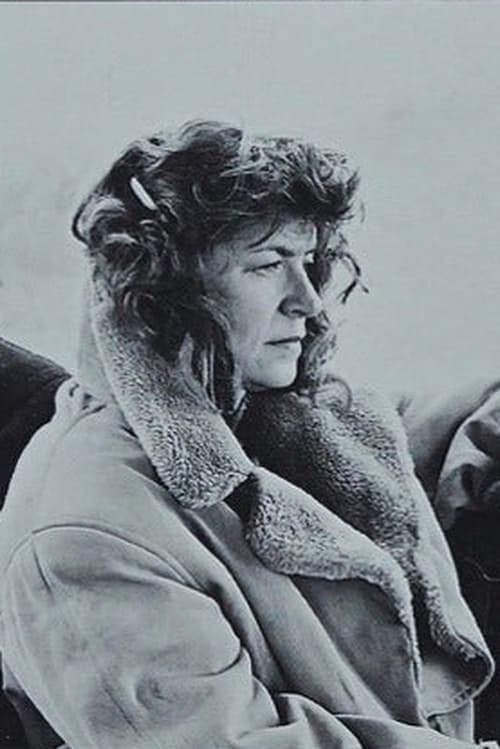
A bus driver on a regular route in the 'polder' moves into a new house with his wife. They are the first inhabitants of a new estate. At the same time, a homeless man and an woman movie into the driver's bus.
Passengers
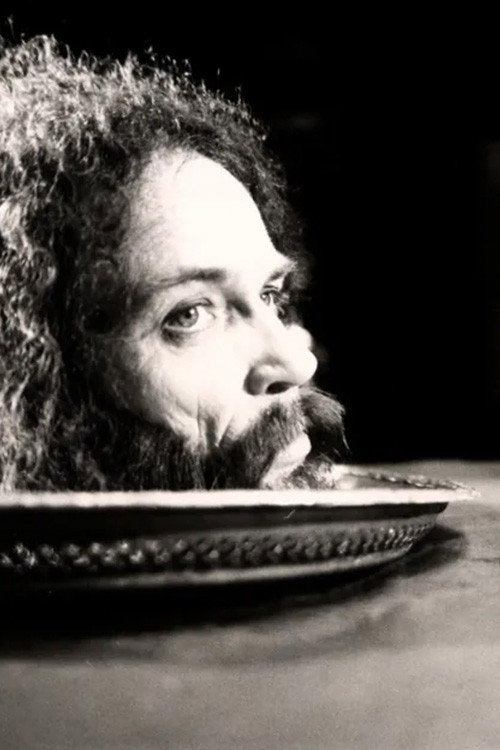
Masquerade by mother and daughter as Salomé and Herod.
Zo menig vrouwenbeeld
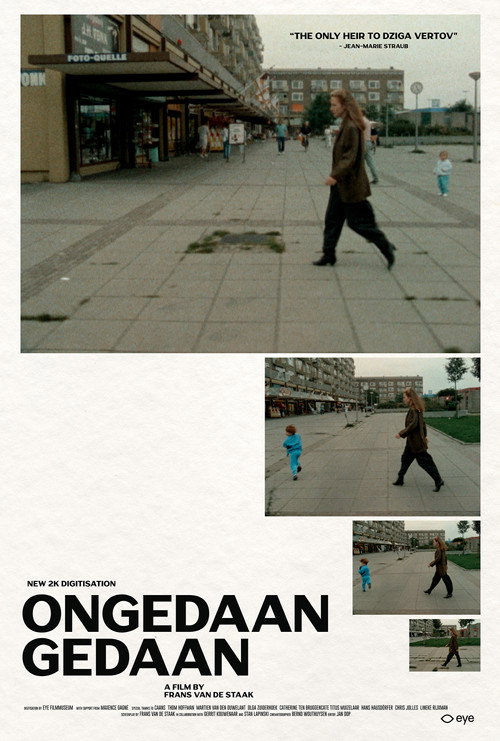
Frans van de Staak, Holland's most prominent avant-garde director, made this film "...about people who want to get something done. I leave out the why as well as the results. What's left is the moment of endeavour. There are two couples. The four characters are played by eight actors. There is little dialogue. Sometimes a couple does not seem to live together, just to be alive together in the same room. Each one of them at one time walks through an anymous part of Amsterdam. They put their feet down with a will, clicking their way through town. We do not know where or why they are going. To a meeting, to get some exercise, nowhere? They have difficulty in communicating. They leave notes to each other on the table rather than talk. The film sometimes mocks their intensity. It is surprising that such a strange film can keep the viewer's attention for an hour and a quarter. But it certainly does. (Dutch Fim 1988-89)
Deed Undone
A portrait of a woman and 26 witnesses who appear to be accusing her of something but we'll never know what. We'll never even know who she is and who the witnesses are. A complex experiment about space, voice and speech.
Traces of Smoke
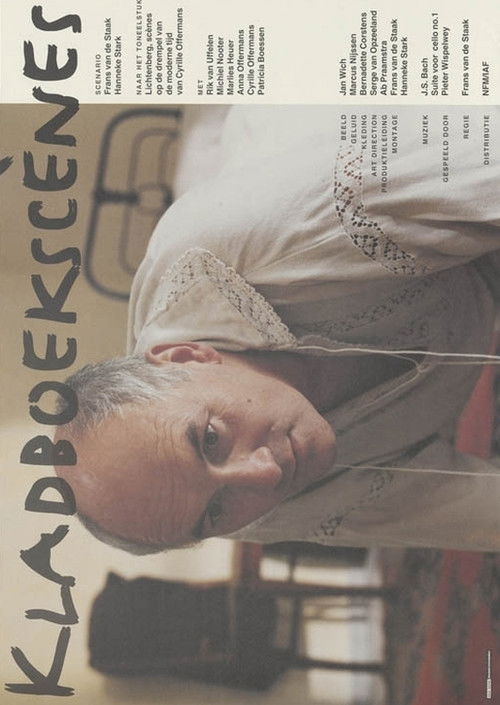
The film is adapted from a play by Cyrille Offermans Lichtenberg, scenes at the dawn of a new era". Although the protagonist shares some features with the experimental physicist and writer George Christoph Lichtenberg (1742-1799), who wrote the famous Sudelbücher and numerous letters, the film does not pretend any historical accuracy with respect to the real Lichtenberg, but focuses on Offermans' hybrid [partial fictitious] personage. The result is not an interplay between fact and fiction, but a sort of view of Lichtenberg, mouthing some 19th- and 20th- century authors he couldn't have known, strictly speaking, but whose alleged fantastic formulations seem to follow from his own writings in a natural way.
Wastebook scenes
Amsterdam 1975. Images of "Keizerrijk", a narrow passage [alley] in the center of the city, nearby the Bungehuis. (Wim Schlebaum)
Een gelote Straat
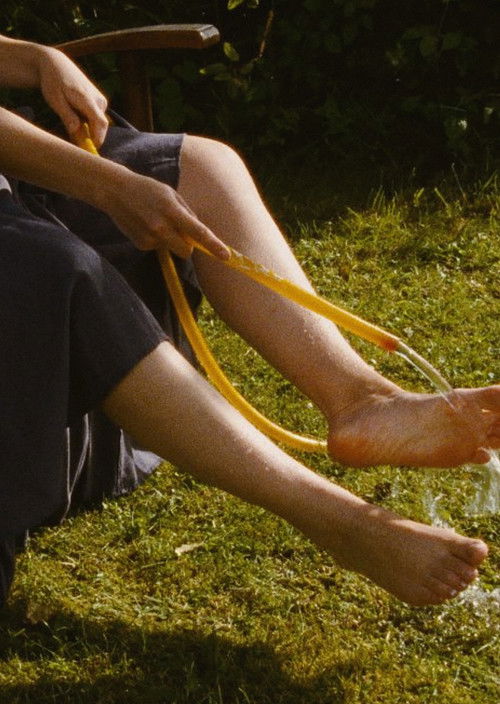
Like in his short Ten poems of Hubert Kzn Poot (1975) there is just one protagonist in Sepio. A woman is immersed within a landscape in summertime and she adores her beloved one in everything that emerges from her surroundings.—atelierfransvandestaak.nl
Sepio
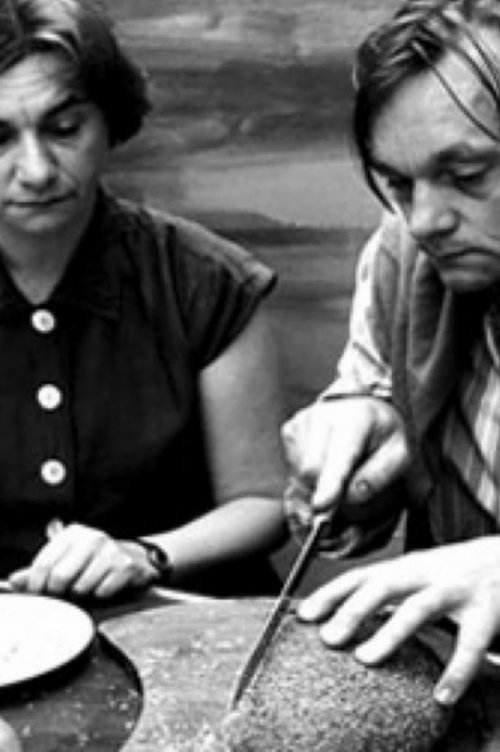
Every scene of the film comprises a dialogue between a man and a woman. The dialogues are fragmentary, in other words, the dialogue in one scene does not tie in with that of the next. In addition there is no development in the relationship between the actor and the actress towards a happy or unhappy ending. The dialogues are not only of substantial interest; it is above all material for the actors. The film balances on the boundary between portraying an intimate relationship between a woman and a man and the intimacy in the acting between the actor and actress. When an actor or actress hardly has any words in a scene, he or she portrays loneliness; when he/she has a monologue, then the attention is focused on speaking the text, on (the reflection about) being an actor. (Wim Schlebaum
Glint
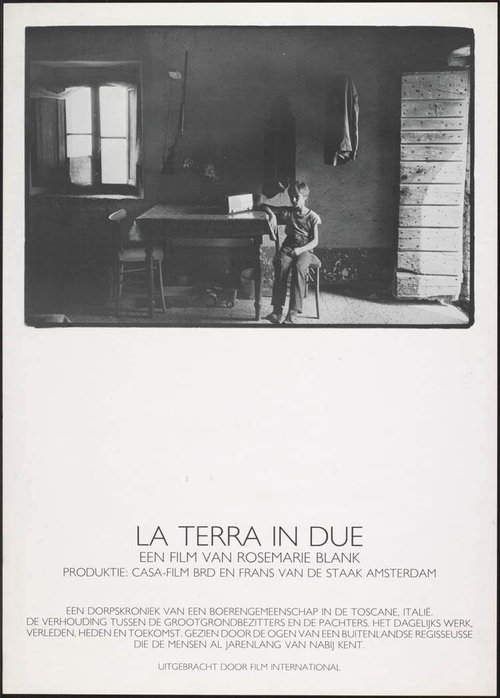
La terra in due means the earth of the landlords versus that of the peasants who actually cultivate it. This film uses evocative photogrphy and a dignified rhythm to depict the death of peasant culture. This fact is brought home by the super 8 footage shot ten years earlier. Blank's familiarity with the villagers and their unsselfconsciousness in front of the camera produce a high degree of authenticity in this account of culture of the 'mezzadria'.
Divided Earth
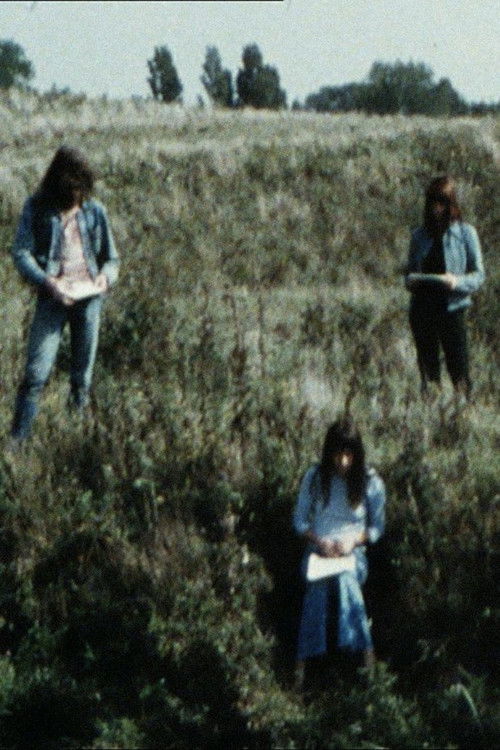
From Spinoza's Ethica 82 sentences were selected without a strict coherence and re-assembled in seven components. Each component was filmed four times at least, in a different setting with different actors. Spinoza's sentences are taken as dialogues 'tout court', and not as a collection of opinions. Spinoza's style of philosophical thinking is presented as an activity in the first place, which is then revealed by each individual actor in his own way.
From the Labour of Baruch d'Espinoza
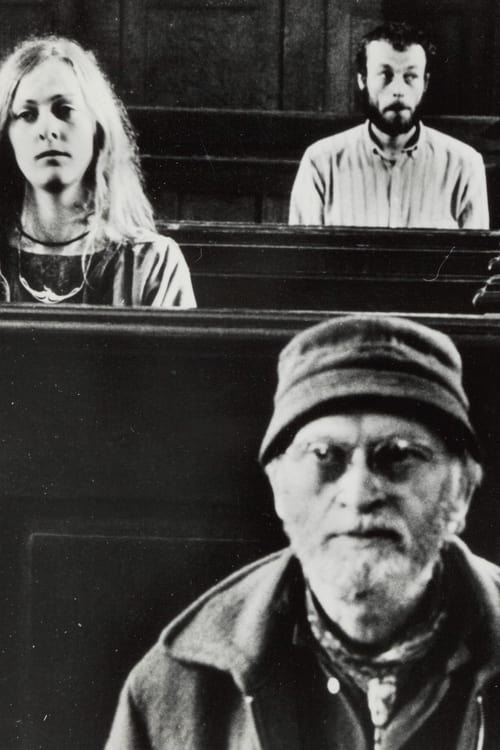
The film consists of 25 scenes. Each scene is performed by eight actors [out of a group of nine]; the ninth actor continually changing places with another actor who appears in only one or two scenes. The music plays a role like an actor: as soon as the music speaks the actors are silent. The writing of the scenario and making of the film were mainly a question of searching for a 'theme', and the film itself is also concerned with 'what it's about'. This 'unstated' aspect is approached from all its related facets. Scenes were made on the themes of anger, love of pleasure, refusal, disintegration, fear. Both the images, and the texts rise above the everyday level and are no longer narrative. (Wim Schlebaum)
People Passing Through Me in an Endless Procession
Documentary about the work of Venetian painter Carpaccio.
De zee in een fles
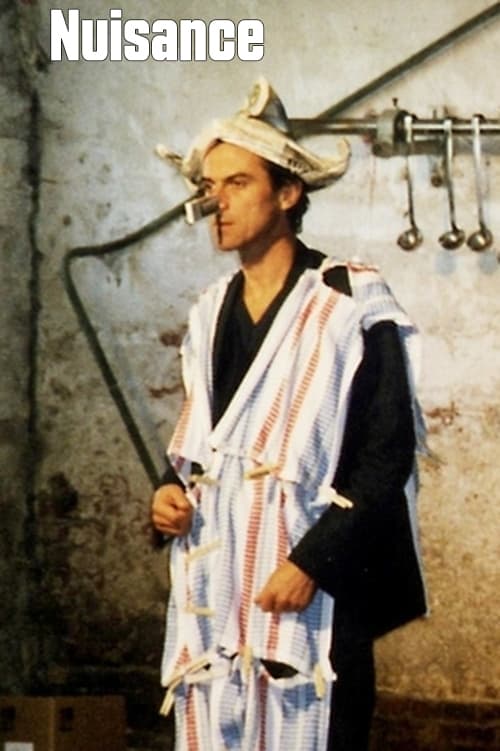
The protagonist in the film is an actor (René van het Hof) who is acting his life. He is a nuisance, but only for those who have had enough of his play acting or who are ashamed to be around this clown. His wife breaks up with him because she just can't tolerate the man any more and he seems to accept that in an apparently matter-of-fact way. He leaves the city for a cottage in the countryside.
Nuisance
No description available.
Soldiers Without Guns
Political texts from the journal In Search, edited by M.S. Arnoni (Wim Schlebaum)
Terzake
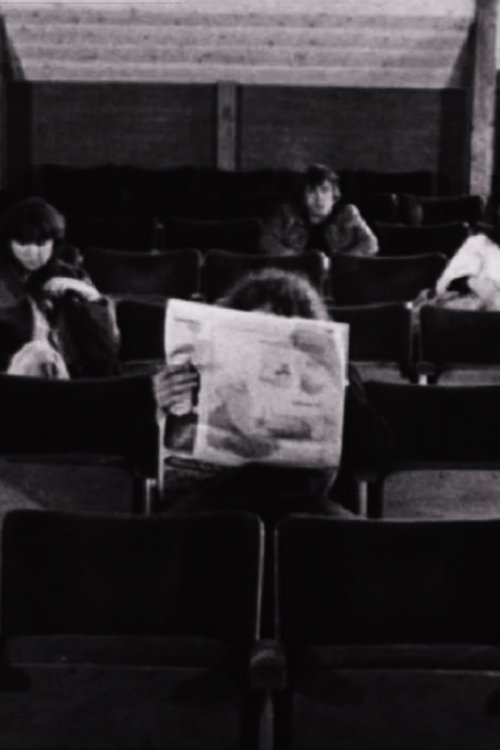
Four persons travel by rail to visit a city. On arrival they take a bicycle to continue their tour and join occasionally a passing protest manifestation. The camera is never far off their trail.
Optocht
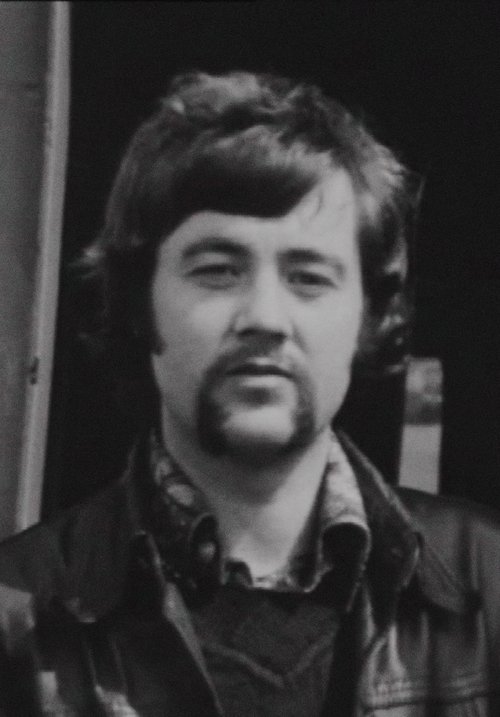
A film poem in which the words, spoken by an actor, do not refer to concrete objects or "reveal their meaning" but function like notes in a musical score.
Sonata
Poet Hans Faverey reads from his own work.
Faverey
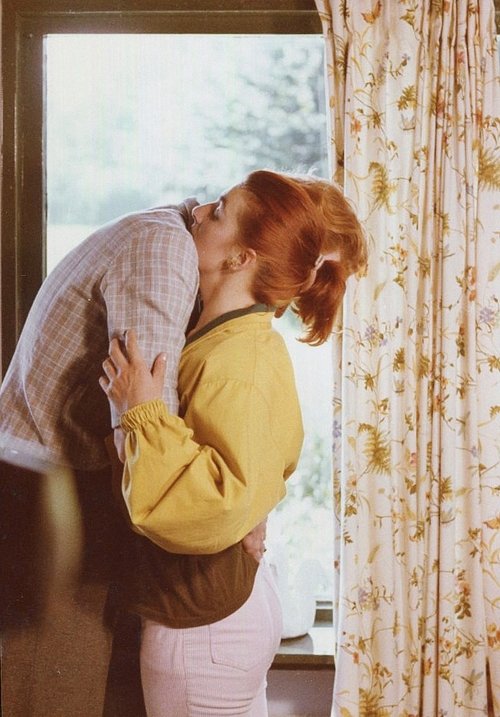
Constructed around two poems by Gerrit Kouwenaar, who reads his own verse off- screen. The film focuses on a man and woman packing, going away, arriving at their destination, packing again, and going back to square one. This avant-garde film is a curious melding of poetry and visual narration. Director Frans van de Staak coordinates the reading of two poems by Gerrit Kouwenaar, a well-known Dutch poet, with visual sequences of a couple going off on vacation. The vacation idyll is interspersed with nature shots and minimal, barely-present dialogue. Soon the couple is packing up and heading back to their daily routine -- accompanied by poetry that reinforces the image of unsatisfactory lives, adrift and floating with the current, no destination in sight. [Eleanor Mannikka, All Movie Guide]