FEEL IT.STREAM
Fiona Tan

Fiona Tan

Directing

Biography

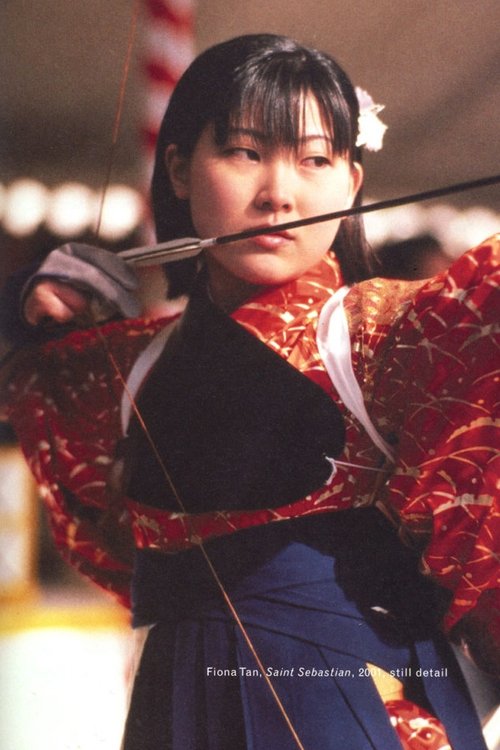
Fiona Tan is a visual artist and filmmaker. She is best known for her skillfully crafted video and film installations, in which explorations of memory, time, history, and the role of visual images are key. Her installations and photographic works have been shown in numerous solo and group exhibitions in international venues. She has written and directed to date two feature-length films. Her work is represented in numerous international public and private collections including the Tate Modern, London, the Guggenheim Museum New York, the Stedelijk Museum Amsterdam, the Neue National Galerie, Berlin, and the MCA, Chicago.
Known For

A Lapse of Memory

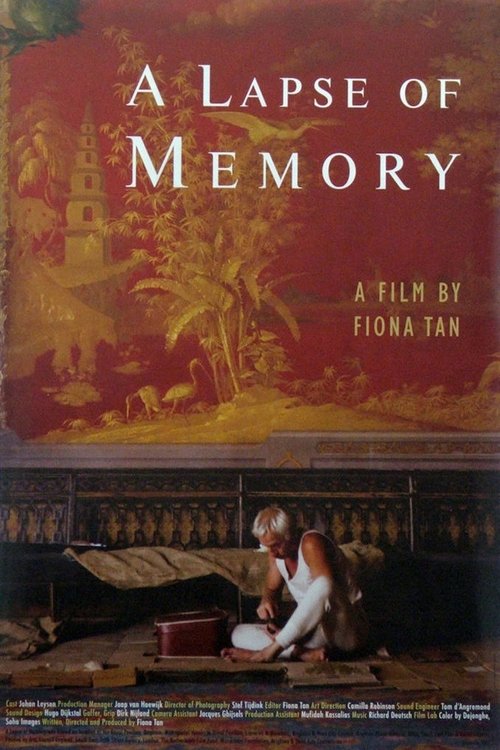
A confused old man, Henry, lives on his own in an old empty building that is reminiscent of a deserted palace. Henry hasn't been outside for years. The camera follows a day in his life - his simple daily chores and his eccentric rituals. Henry looks like a European from a good family, but has many Asian habits. The second protagonist is the building in which Henry is staying: the Royal Pavilion in Brighton. It is one of the best preserved examples of chinoise architecture and furnishing in the world. Neither the client nor the architect had ever set foot in Asia. In a monologue, a parallel narrative unfolds in a game with reality and fiction. Word and image, fiction and documentary become intertwined with each other and point across the frontiers of ‘East’ versus ‘West’.

A Lapse of Memory

2007Movie
No image

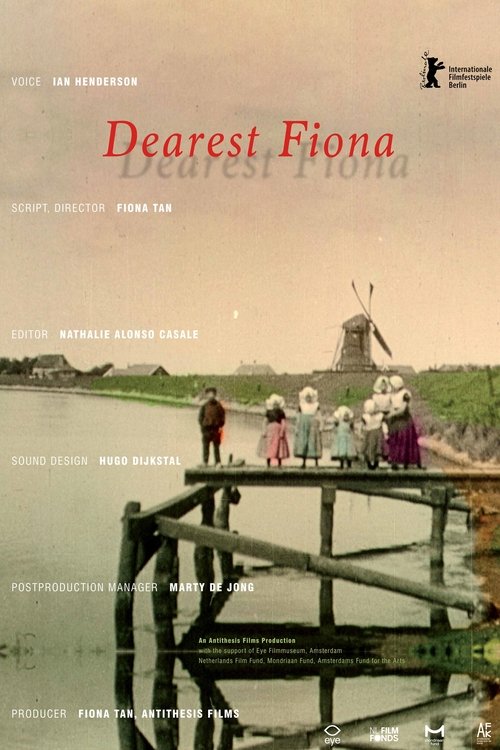
Amsterdam-based photographer and video artist Fiona Tan (born 1966) has been a central figure on the contemporary art scene since the 1990s. In her video News from the Near Future (2003) a collage of historic film and audio material tells of man’s ambivalent relationship with water as a force of nature. Drawing on the archives of the Amsterdam Film Museum, Tan composed a narrative crescendo starting off with idyllic impressions of the watery world and building to increasingly menacing scenarios of an unleashed nature. Images of floods and churning seas, of wild winds and storms, parade before our eyes the destructive force of water. Tragedies at sea are reported in the style of old newsreels or radio shows, segueing into pictures of flooded cities that – as indicated in the work’s title – forebode future catastrophes. The cinematic repertoire of waves, tides and floods acts as an historical memory, presenting the sea as a metaphor for the flow of time.

News from the Near Future

2003Movie