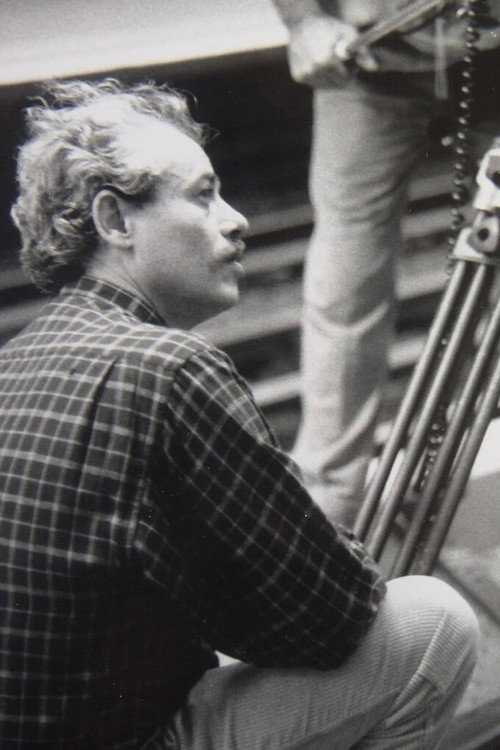
Borhane Alaouié
Directing
Biography
Borhane Alaouié, along with Maroun Baghdadi, made a bet for Lebanese cinema to the world. Starting from Paris, in which they lived for a period of time due to the repercussions of the war in Lebanon and moving between it and Beirut, but Burhan was haunted by the Arab cause. The first: Palestine (he said: "Palestine is the one that brought me to cinema"), and he found open sponsorship from the General Foundation for Cinema in Syria, which previously opened the door to many Arab creatives and funded their projects, and with it he completed his most important tape: Kafr Kassem, about the massacre committed by the Israeli occupation. The film was a resounding success, winning in the same year the Golden Tanit from the Carthage Film Festival, and this work remains linked to Burhan’s name throughout his cinematic career. The music of the film was composed by Walid Gholmieh, and he participated in playing the characters: Abdullah Abbasi, Ahmed Ayoub, Salim Sabry, and Shafiq Manfaluti. Alaouié lived for a long time in Belgium. He received his film degree from INSAS in Brussels and was the first to deal with the Lebanese war that broke out in 1975 in a beautiful tape that was well-received publicly and critically, entitled: 'Beirut: the Encounter'. More notable titles are: 'It Is Not Enough for God to Be With the Poor'; 'A Message from the Time of War'; 'A Message from the Time of Banishment'; and due to his strong support for the late President Gamal Abdel Nasser, he made a remarkable tape; 'Aswan and the High Dam' (1990). The director was known for his direct opinions on everything, in cinema as in life: "I am temperamental to the bone and I never want to bother myself with work that is not in line with my convictions, and everything I filmed is a picture of my thoughts and convictions." The Jesuit University in Beirut knew him as an attractive lecturer for film students, and he spent among them, as he says: "The most enjoyable times, and I do not deny that I learned from them, as they learned from me."
Known For
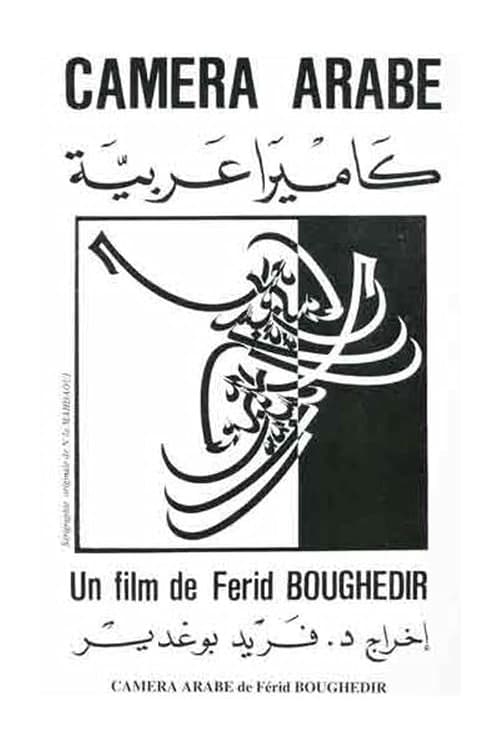
Focusing on key Arab films produced in the last 20 years. Férid Boughedir traces the development of the film-makers' concern to produce more socially aware cinema. Themes include the issue of Palestinian homeland rights and the nature of Arab identity. The film-makers also share a desire to develop a strong poetic tradition.
Arab Camera
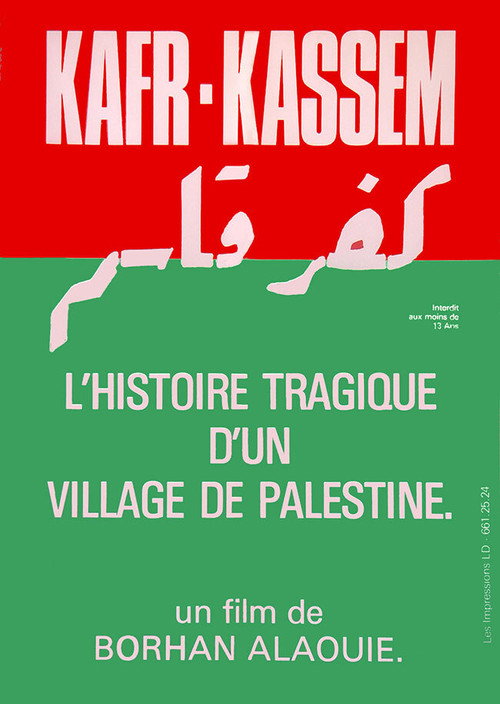
On the eve of the Israeli attack on Egypt in 1956, Israel declares martial law in all the occupied Arab territories without any previous notice. When the villagers of Kafr Kassem returned home from the fields, they were butchered and killed in what is known today as the massacre of “Kafr Kassem”.
Kafr Kassem
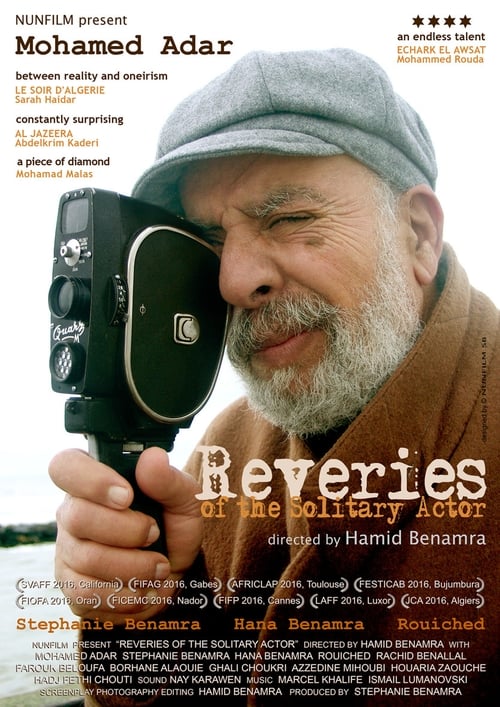
Adar, an old actor who loves both theater and cinema. Its character portrays a play about a shoemaker whose dream is to create a political party, the Nail Party, in order to represent the common people in the presidential election in Algeria. It is a story of absence, memories of absence.
Reveries of the Solitary Actor

The Egyptian architect Hassan Fathy talks about his life and work. Footage of Cairo, Gharb Assouan, New Gourna, Kom-Ombo.
It Is Not Enough for God to Be with the Poor
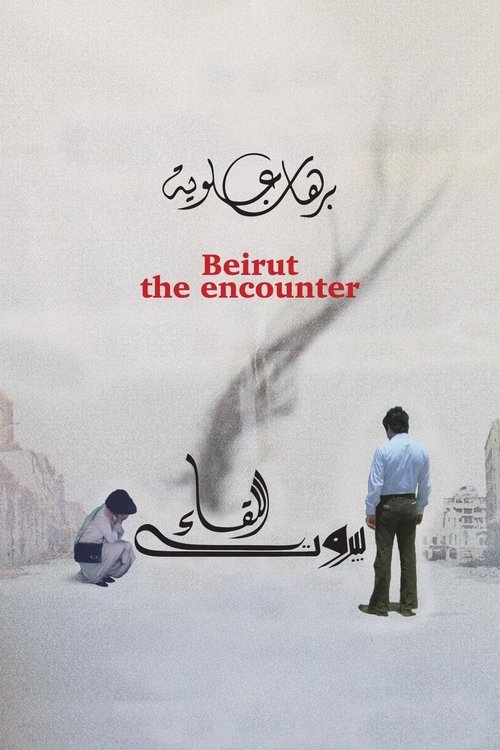
Zeina is a Catholic student whose good friend Haidar, a Muslim, has always been particularly close. After a futile attempt to get together (he gets caught in traffic), they each decide to make an audio tape trying to explain, based on their own ideas, why there continues to be fighting in Lebanon now, in 1977, and why they are against it. Zeina is about to leave for the United States and Haidar is to meet her at the airport, where they will exchange their tapes. Alas, fate intervenes because when he arrives early at the airport, he is harassed by someone looking to prey on gullible refugees and he gets so angry that he grabs a taxi out of there, throwing his tape away as he does so. When Zeina arrives and realizes he is not there, she is broken-hearted.
Beirut: The Encounter
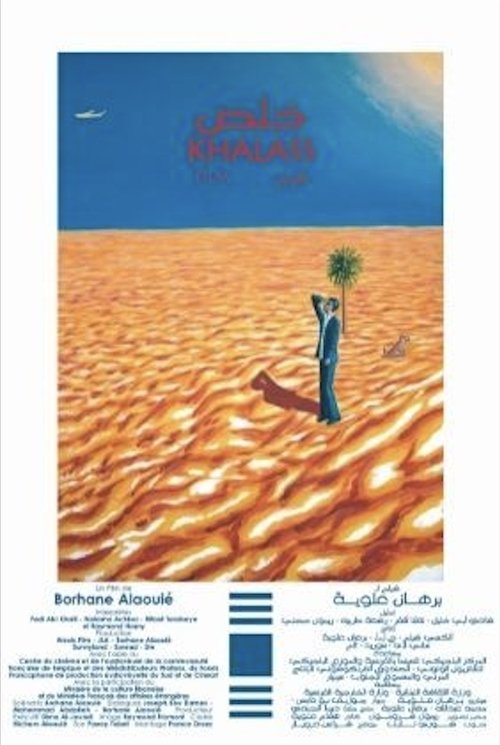
The class struggle between loving the poor, or asking yourself an excuse to be selfish for trying to live a luxury life.
Khalass
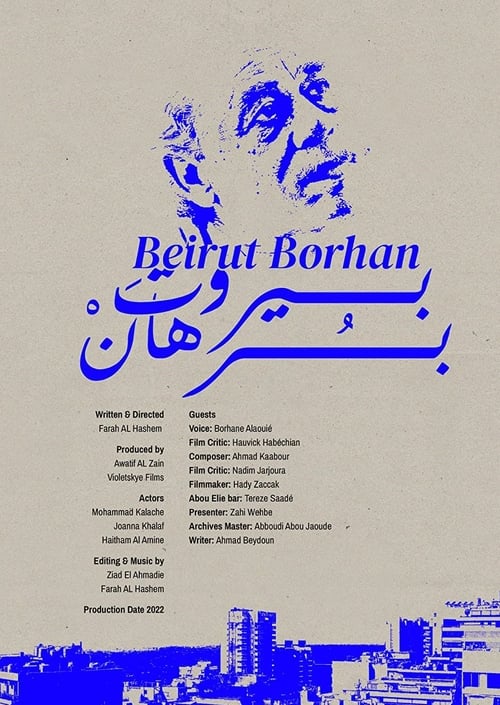
A time travel film incorporating truthful moments and confessions that takes us back to Beirut of the 80s, Palestine of the 50s, and dystopian Paris.
Beirut Borhan
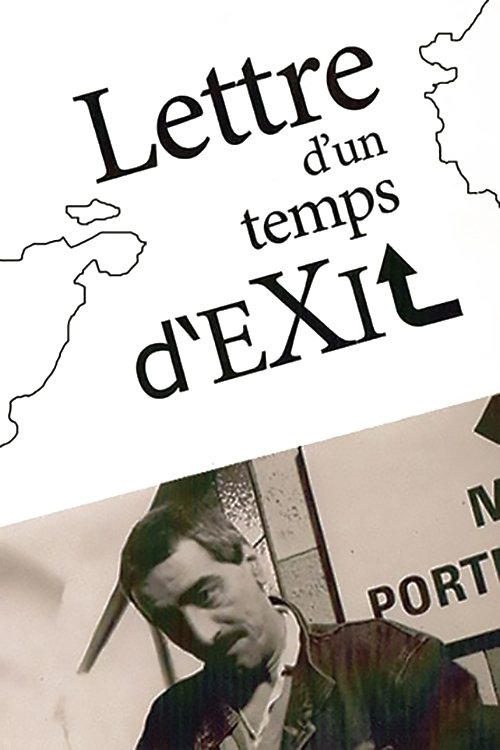
Alaouié presents the stories of four exiles from Beirut. Their only connection is the voice of the narrator and their situation of living in exile in Europe. Told with a subtle humor, the film sketches four highly individual portraits of people, whose lives have taken unexpected turns due to the madness of the Civil War.
Letter from a Time of Exile
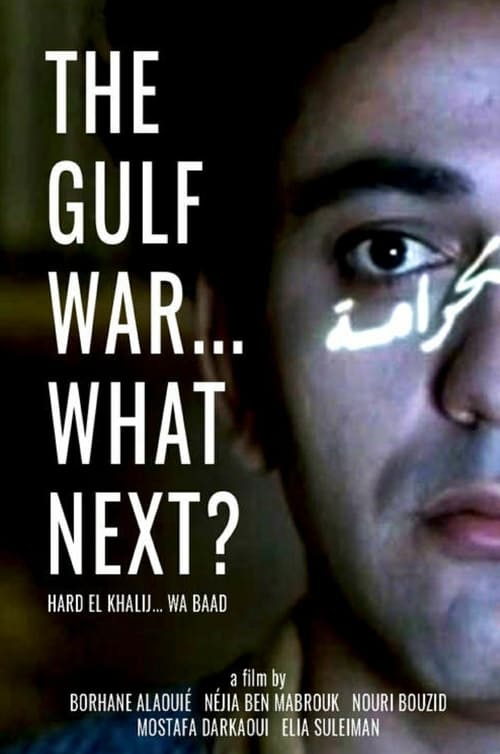
The second Gulf War from 1990 to 1991 represents in the collective Arab memory a turning point in regards to the Arab nationalism’s self-perception as well as a moment of deep historical and existential insecurity. Five Arab directors discuss the events from their personal perspective.
The Gulf War... What Next?
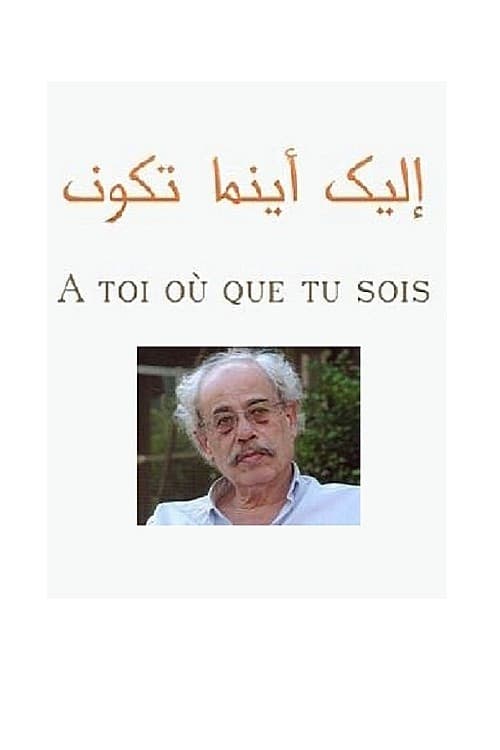
After “Letter From a Time of Exile”, the director is back in Lebanon where he discovers that his dreams about his country are an illusion and that the exile in your homeland is by far the worst exile. Programmer's Note: Borhane Alaouié returns to Beirut from his exile. His documentary film constitutes a new letter at the start of the 21st century in reply to the letters of the 1980s. The reconstruction process appears to affect stones more than people.
To You, Wherever You Are
Filmed in Beirut in the Spring of 1984, in many ways a letter about warfront.
A Letter from a Time of War
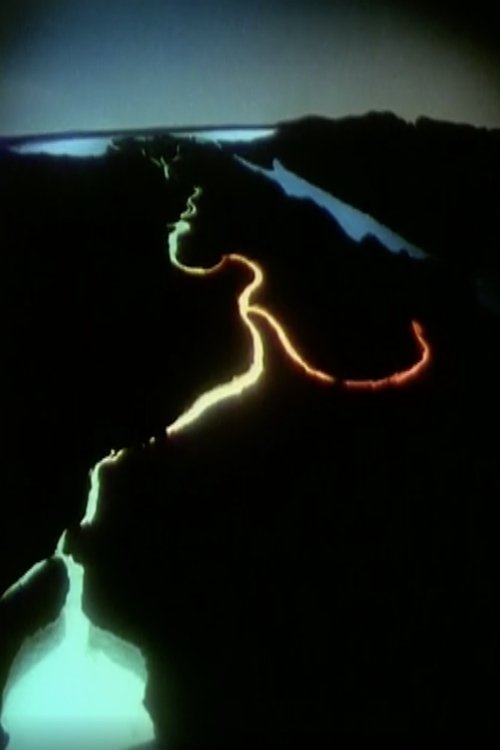
This is Egypt and one of its symbols, Sad Al-Ali, the massive wonder that is the high dam of Aswan. With a first-person narrative in a soft, husky voice, the film explores the memory of the Nile Valley to tell the story of Lake Nasser and the ecological and human consequences of this construction. Floods caused by the Ethiopian rains spread the silt and evacuated the algae. The order of nature was disrupted, the salt rose and cracked the earth, the crops burned. Sea water reached the water tables. The Nubians fled the valley engulfed by the waters, leaving behind their villages and their culture. Twenty-five years after the construction of the dam, there is no longer any coherence between the lower valley and the Nile. The city of Cairo has expanded, a heterogeneous development where human pollution overflows. The film is a bitter reflection on a lost human philosophy, a dialogue constantly renewed with the land and its river.