Acting
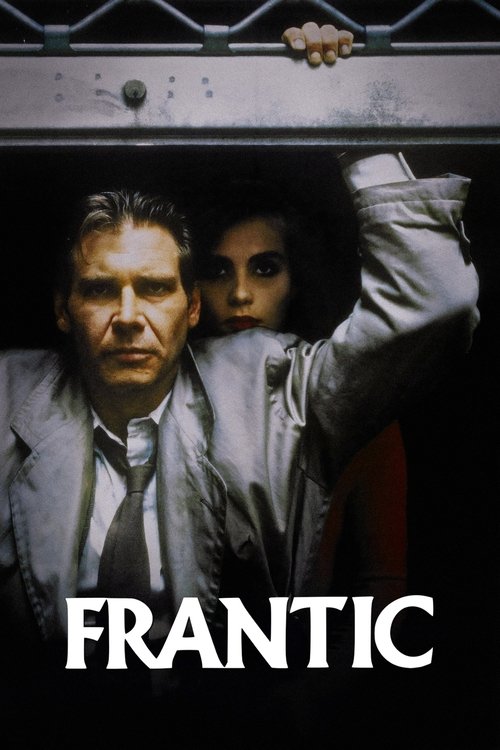
The wife of an American doctor suddenly vanishes in Paris. To find her, he navigates a puzzling web of language, locale, laissez-faire cops, triplicate-form filling bureaucrats and a defiant, mysterious waif who knows more than she tells.
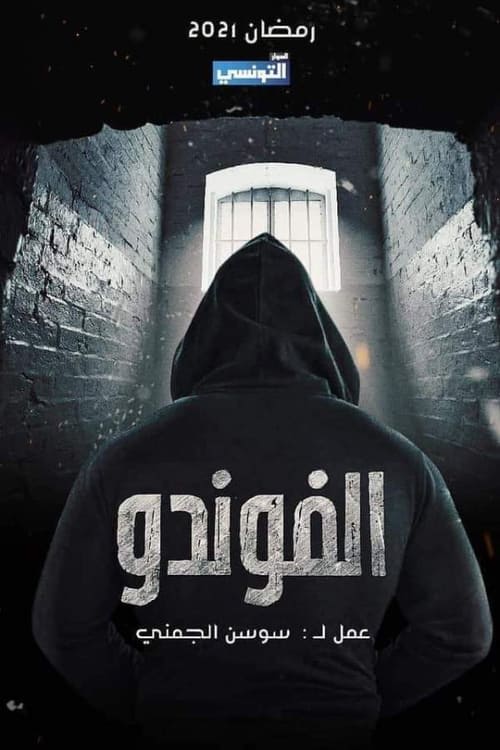
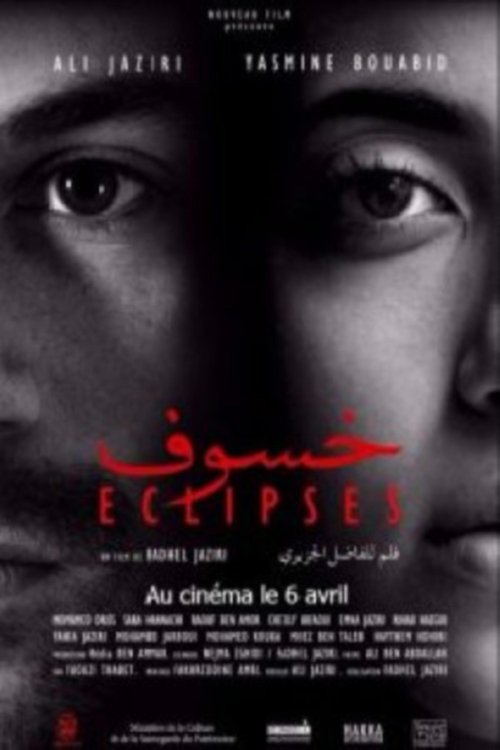
As Yahia is imprisoned for killing Maryam, he serves his sentence, and decides to look for the real killer to clear his name.
The humorous and dramatic lives of a group of neighbors in the late nineties during the month of Ramadhan.
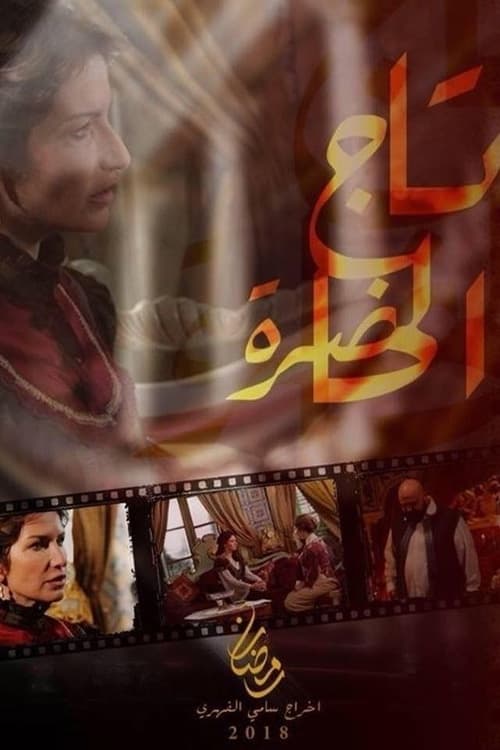
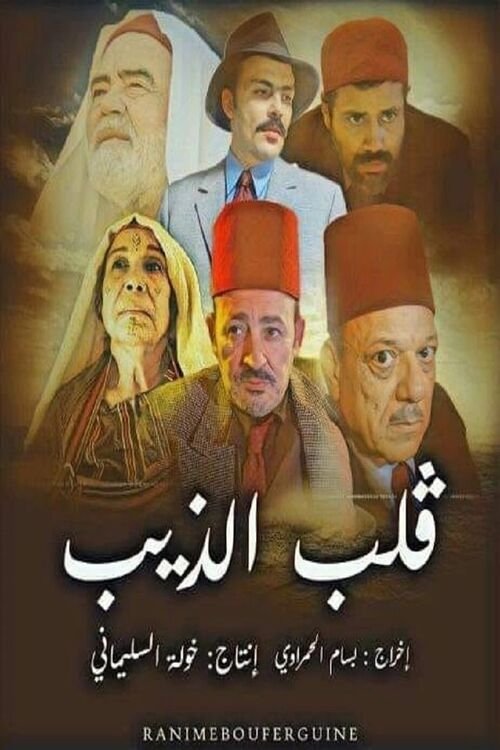
It tells the historical events that took place in the last years of the reign of reformed reformer Ahmad Bey I (ruled between 1837 and 1855), including reforms and reforms of Khairuddin Pasha in Tunisia and the political, financial, economic and social crises experienced by the Tunisian country.
Hind, a popular television show producer and presenter, falls in love with Lassaad, a police commissioner investigating a murder of a building contractor. In the process, they discover a network of Jihadist smugglers to Syria.
Story of a teenage girl whose father dies. She goes to live with her father's friends, a couple. As a sort of revenge on her Father, whom she hates for abandoning her and her mother, she seduces Murray Head, ruining his life. From destroying his and his wife's lives, her own life is reborn.
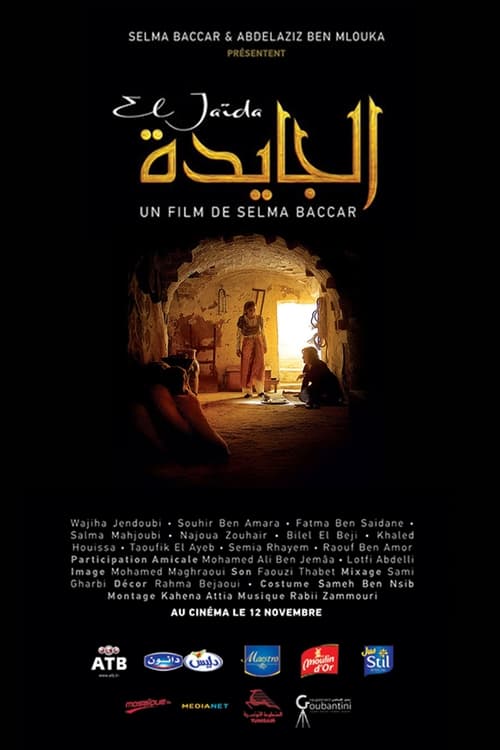
Four women meet at Dar Joued on the eve of Independence. With different ages and social conditions, they are condemned to live together under the authority and injustice of their jailer: "El Jaida". They will share memories of the outside world, joy, emotions and distress of their daily lives.
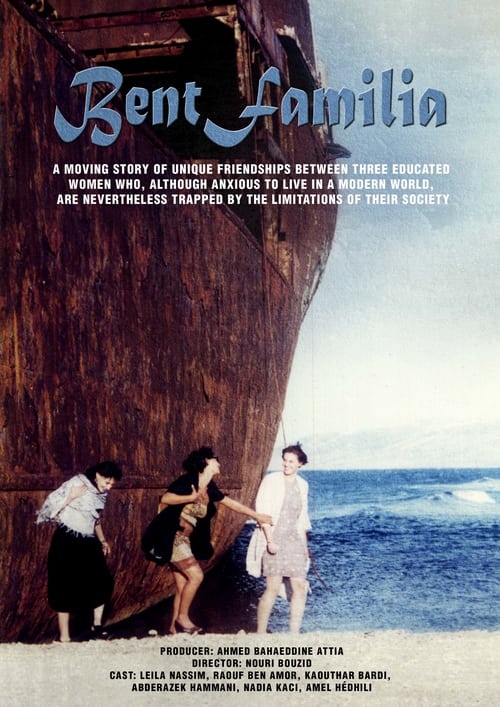
Three well-educated North African women cope with sexual stereotyping in modern Tunisia. Amina a married Muslim woman living in Tunis with her two daughters. Even though she is allowed certain freedoms as a Muslim woman this is curtailed when she meets her old friend from school Aida.
The sudden disappearance of a well-known investigative journalist and public figure intrigues everyone. Malek his best friend and the last person to have seen him. He is seized with grief and panic that attracts attention. At the same time, he is responsible for revealing the truth and finding him...
After more than two decades working for Tunisia national public radio, Youssef is on his way to retirement. Somewhere in the town of Sidi Bouzid, a young man sets himself on fire. Youssef is viciously cut off broadcasting during the last issue of "Tunis by night". As he leaves the radio station, he gets picked up by a police patrol car waiting for him and he spends a few hours in police custody. Amal (his wife) finds refuge again in prayer and the elder brother Amin, tries to put his family's pieces back together as well as he can. Their youngest daughter Aziza lives completely disconnected from the pace and values of her family. She cuts her veins after a cascade of problems. Revolted but silent, Youssef takes refuge at the "Saint George", the adjacent bar he has been a patron forever. He empties his mind after emptying a few bottles of wine. Youssef then runs away from his family to be engulfed by a city he does not recognize anymore.
An Odyssey (2001–2004), inspired by Abdelaziz Belkhodja’s novel, The Ashes of Carthage, and considered Tunisia’s first film in the thriller genre, offers a critical perspective on transnational trafficking in art and cultural objects. The events revolve around smuggling antiquities and artifacts in Tunisia, where an international gang seeks to steal the statue of the famous commander Hannibal and smuggle it via the Carthage ship to a European country.
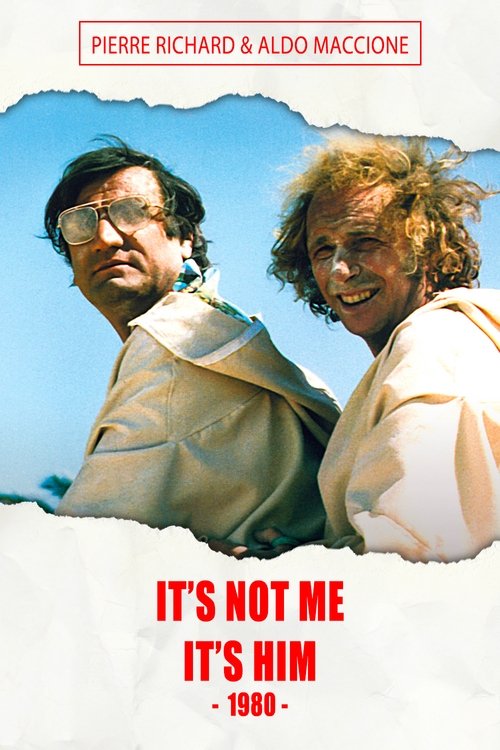
Pierre Renard is the blackboy of the writer George Vallier. At the time of a reception, the Italian actor Aldo Barazutti takes him for the writer and proposes to him to come to work with him in Tunisia with the development of a scenario. In fact Barazutti wants only to flee her wife to find her mistress Valerie. Misunderstandings when Vallier joined them. They must flee in the desert a jealous husband...
Set in the 1940s during World War II and before Tunisia's independence, the series reflects the Tunisian resistance to French colonialism, whether by the people (through the "Fellagha" group) or the trade union, emphasizing all aspects of that period and the social, economic, and political events.
A mysterious woman goes into a remote house of a family with a long history, but a set of secrets and stories that ties her to the family are revealed, and together they discover unexpected truths on a rainy night.
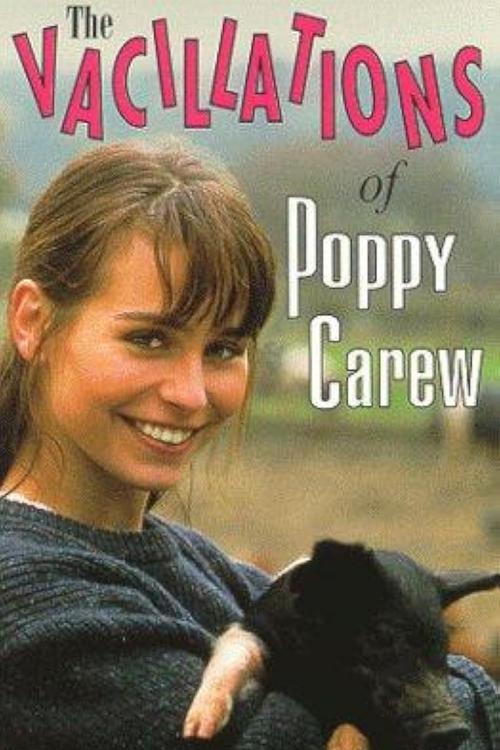
When Poppy Carew is faced with having to organize a funeral by herself, she finds new strength and learns much about love's true meaning. Adaptation of the novel by Mary Wesley.
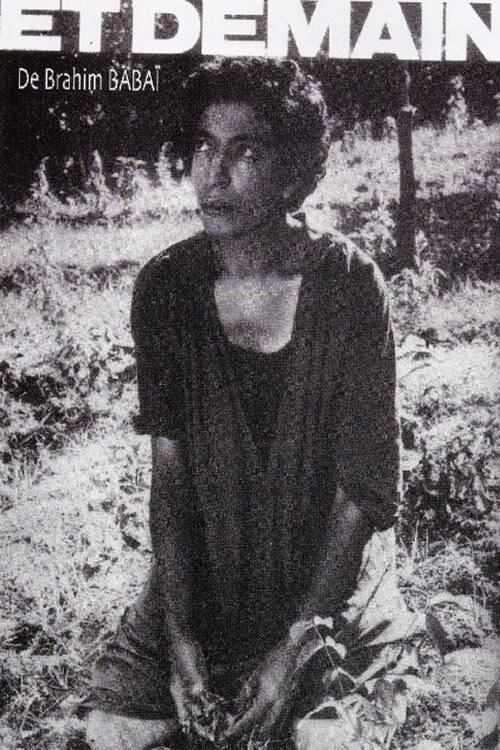
Three farmers decide to leave their village, where the spring has dried up, and move to the city. Salem, the youngest, rebels because he cannot find work. A young woman plays the role of conscience to the villagers who remain in front of their televisions watching the modern world, without changing their situation. Their difficult search for work raises the issues of unemployment, rural exodus, and emigration.
No description available.
Brahim Babai's first feature, And Tomorrow? (1971–1972), adapted from Abdelkader Ben Cheikh’s novel, is one of the first Tunisian films to investigate issues of social concern during the 1960s, such as rural exodus, unemployment, and famine. The story follows three rural farmers who leave their drought-stricken village for the city.
Free and a multi-talented artist, Habiba Msika was one of the brightest stars of her time, the twenties. Inspired by the real-life of the artist, the film evokes the last years from 1927. Punctuated by the jolts of a changing time, this tumultuous stage in Habiba Msika's life was branded by the love that Mimoun, a wealthy landowner, and Chedly a young poet from a good family, both dedicated to her. In Berlin, during a triumphant tour, she meets the oriental music star, the Iraqi Baghdadi, and is introduced to Parisian life by Peter, and a dandy of disconcerting charm. Back in Tunis, Habiba Msika's life is carried away by the frenetic whirlwind of success, controversies, and thwarted passions until the final tragedy of her death.
Yaasin, a policeman from Tangier who has almost become an alcoholic, spends most of his time in an exclusive brothel. Several characters arrive in the city at the same time: the millionaire Eric Burns; the German woman Eva Miller who, with her little daughter Gudrun, makes herself a living by doing frauds and small thefts; the smart gangster Rustum Wadi who is looking for a talisman that at that moment is in the hands of Andrews, a homosexual British collector. Yaasin is supposed to protect Burns, but when Andrew's corpse appears the case takes an unexpected turn.