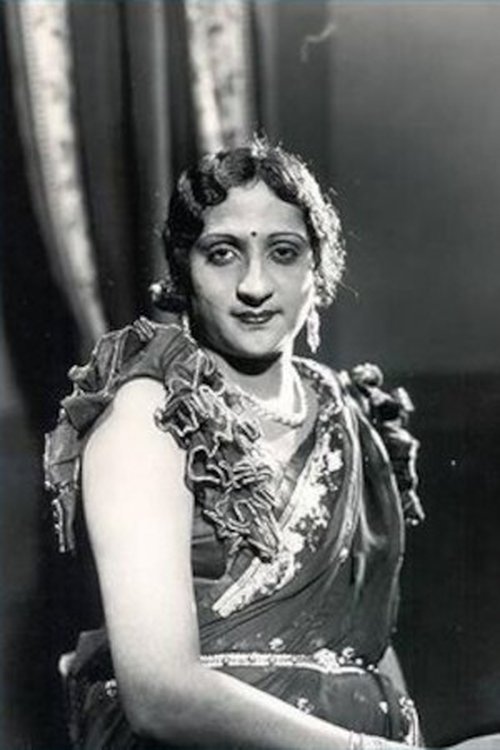
Fatma Begum
Directing
Biography
Actress, director, and screenwriter. First female Indian director.
Known For
No description available.
Sati Sardarba
No description available.
Chandravali
No description available.
Veer Abhimanyu
Seminal silent historical film, the story features King Munja, ruler of Aranti, famed warrior and patron of the arts. Munja (Sandow) falls into the hands of his arch enemy Tailap, who received assistance from Bhillam (Altekar), king of Dharavati. Tailap orders that Munja be put to death but is held back by Tailap's powerful sister Minalvati (Fatma Begum), a widow who first wants to break Munja's spirit. Instead, she and Munja fall in love.
Prithvi Vallabh
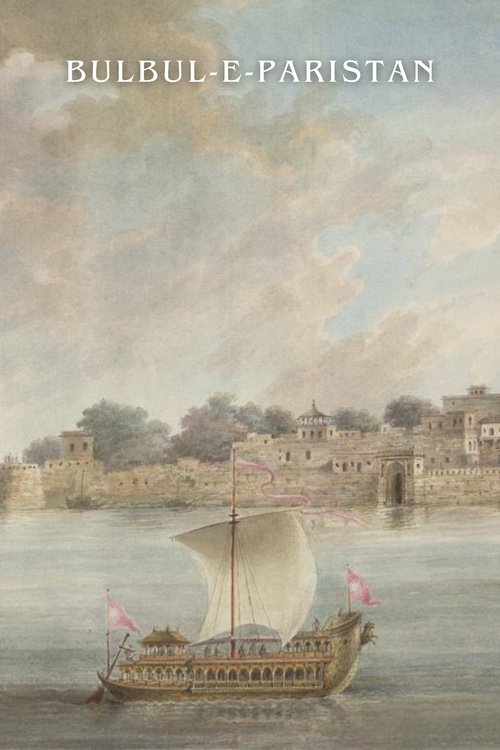
Probably the first Indian film directed by a woman. It was a big-budget fantasy abounding with special effects set in a Parastan or fairyland.
Bulbul-e-Paristan
No description available.
Shahi Chor
Millionarie Ratanlal is an old man without an heir. He marries the rich, Western-educated Mohini. He has two managers, the sincere and faithful Dhairyadhar and the Anglicised crook Manhar. Mohini, bored with her marriage, falls in love with Manhar who embezzles Rs. 50,000 from Ratanlal's office and frames Dhairyadhar for the crime, who is imprisoned. Mohini's affair with Manhar develops and they decide to eliminate old man Ratanlal...
Social Pirates
No description available.
Heer Ranjha
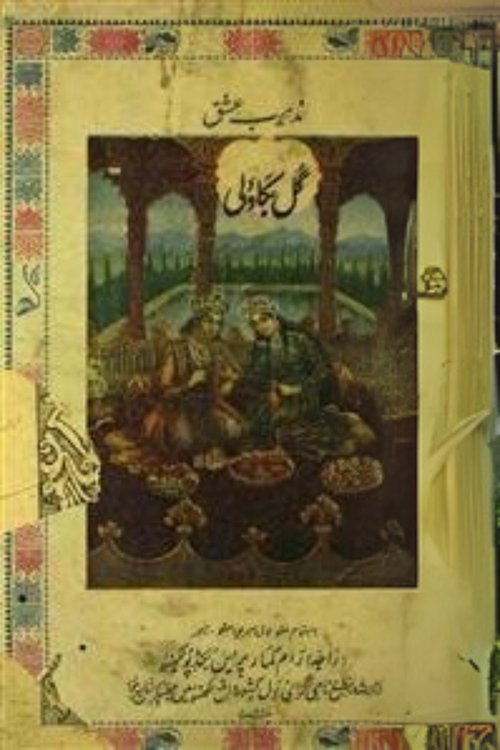
Based on a popular legend, this silent film tells the story of the fairy Bakavali and her divine flower, the Gul, which possesses healing powers. Taj-ul-Mulk, a prince from the East, seeks the flower to cure his blind father. The legend's origins are debated: one version traces it to a 19th-century translation of a Persian tale, while another points to a 16th-century narrative from Abely Sheikh. The story was a favorite on the Parsee stage, particularly the scenes where Taj-ul-Mulk battles his villainous brothers, who steal the flower. The tale also features Bakavali turning to stone and her eventual human rebirth.
Gul-e-Bakavali
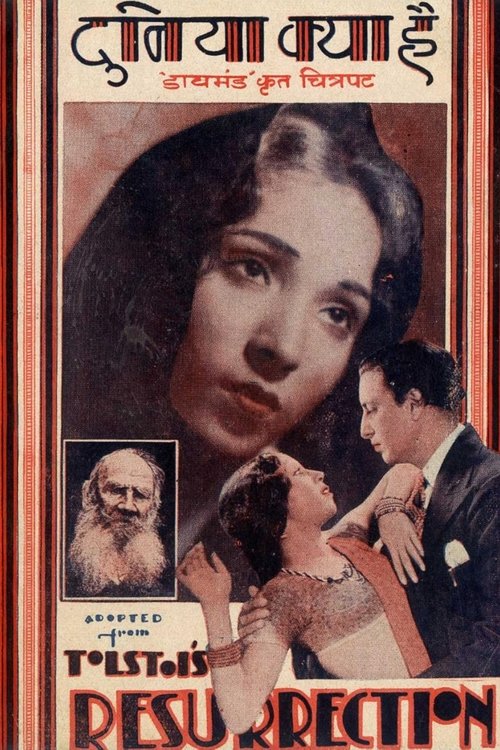
Based on Lev Tolstoy's Resurrection. An independent production by Lalita Pawar starring herself as a mistreated orphan called Lalita in this rare example of a melodrama drawn from a non-Indian literary source. Madhav (Kale), the son of the family, impregnates Lalita and promises to marry her on his return from Bombay. Years later, Madhav returns married, and refuses to recognise her. To feed her son, Lalita becomes a prostitute and is accused of a murder that takes place in the brothel. The prosecutor turns out to be Madha