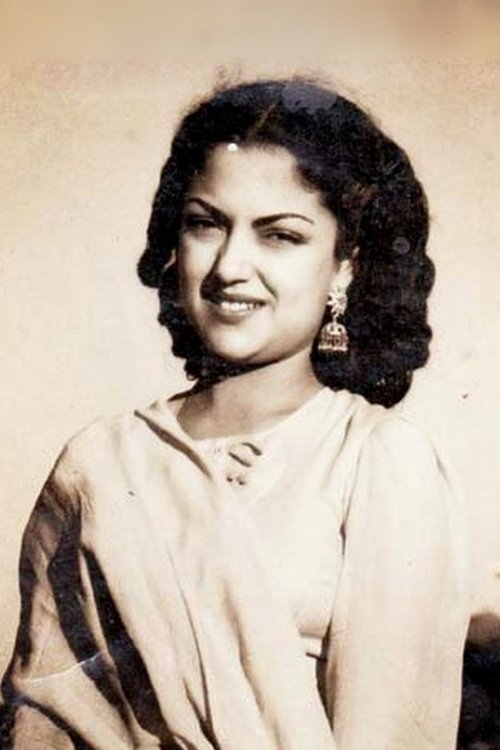
Zubeida
Acting
Biography
Zubeida was a pioneering Indian actress who became a star of the silent film era and is best known for being the leading lady in Alam Ara (1931), the first Indian talkie film. Born in 1911 in Surat, Zubeida was the daughter of Nawab Sidi Ibrahim Muhammad Yakut Khan III and Fatima Begum, an actress who would later become one of India's first female film directors. Zubeida's two sisters, Sultana and Shahzadi, also became actresses, making them a trailblazing family in early Indian cinema. Zubeida began her career at the age of 12, appearing in silent films like Veer Abhimanyu (1922) and Kalyan Khajina (1924). She quickly gained popularity, starring in numerous films throughout the 1920s. Her career took a historic turn with Alam Ara, a monumental film that ushered in the sound era of Indian cinema. Zubeida's successful transition to talkies solidified her status as a major star. Known for her bold and glamorous roles, she challenged the societal norms of her time, acting in an industry where it was considered scandalous for women from respectable families to be on screen. She became one of the highest-paid actresses and even established her own production company, Mahalakshmi Movietone, in 1934. She retired from acting in the late 1930s but made her final appearance in a film in 1949. Zubeida married Maharaj Narsingir Dhanrajgir Gyan Bahadur of Hyderabad. She passed away in 1988, leaving behind a legacy as a defiant and talented artist who was instrumental in shaping the history of Indian cinema.
Known For
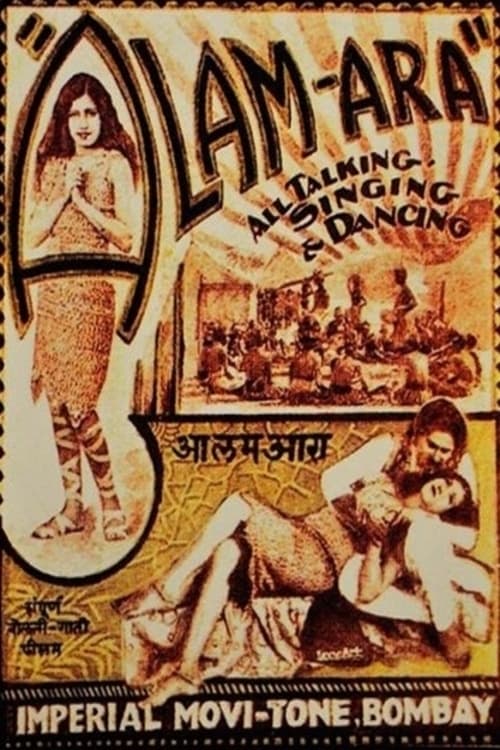
A period fantasy that told of the ageing king of Kamarpur, and his two rival queens, Navbahar and Dilbahar, and their rivalry when a fakir predicts that Navbahar will bear the king's heir. Dilbahar unsuccessfully tries to seduce the army chief Adil (Vithal) and vengefully destroys his family, leaving his daughter Alam Ara (Zubeida) to be raised by nomads. Eventually, Alam Ara's nomad friends invade the palace, expose Dilbahar's schemes, release Adil from the dungeon and she marries the prince of the realm.
Alam Ara
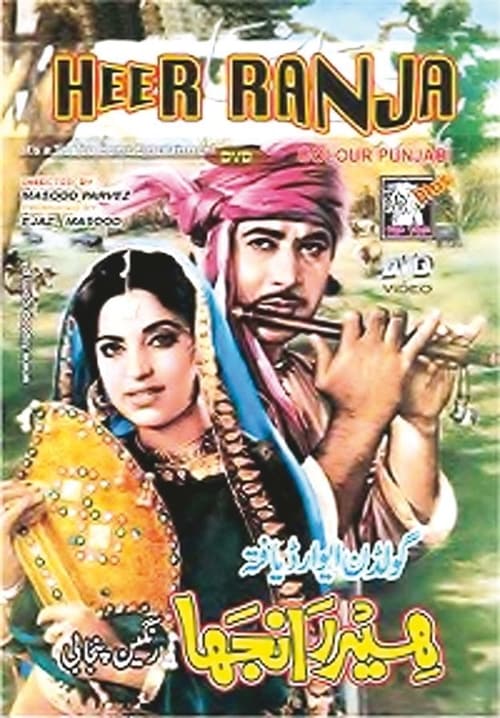
An epic Love story in which two lovers Heer and Ranjha get along with each other but unfortunately their Love story is not easy. Ranjha fights his way to get Heer but he is not able to do so.
Heer Ranjha
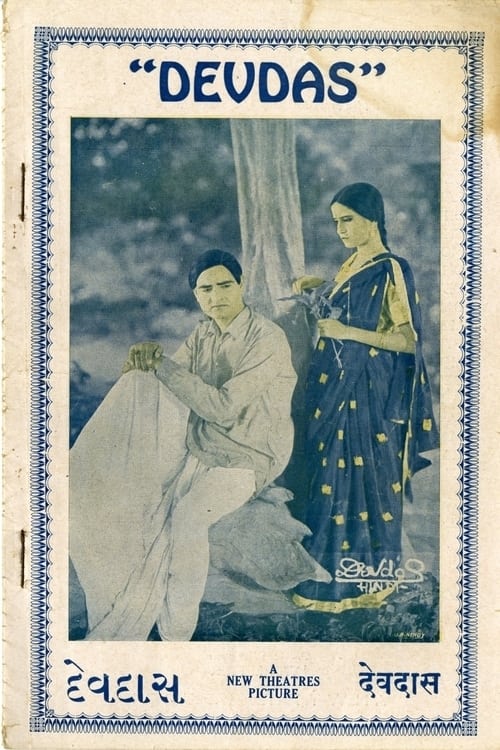
Devdas, the son of a zamindar, and Parvati, his neighbour's daughter, are childhood sweethearts. However, class and caste differences prevent their marriage. Devdas is sent off to Calcutta, while Paro is married off to an aged rich widower. In Calcutta, as remorse drives him to alcohol, Devdas meets Chandramukhi, a tawaif.
Devdas

An early Indian sound film, Zarina is a dramatic tale featuring Zubeida as a vibrant and passionate circus girl. The film explores a bold romance that reportedly pushed the boundaries of on-screen intimacy for its era, leading to early censorship debates.
Zarina
No description available.
Sati Sardarba
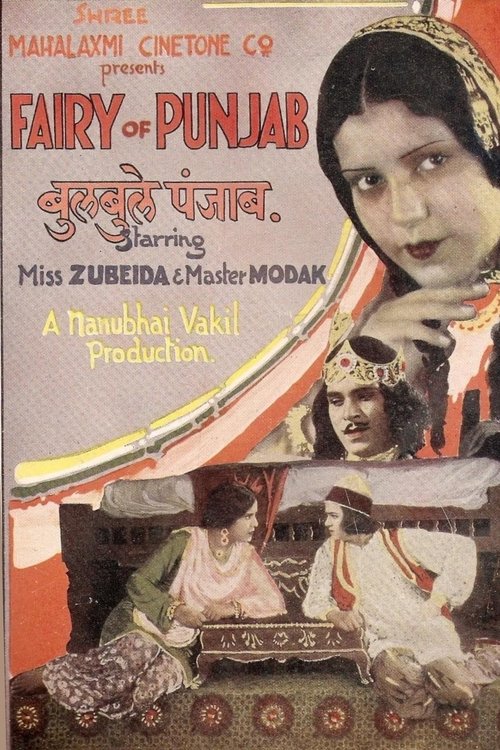
A musical romance drama centered on a character known for their beautiful singing from the Punjab region
Fairy of Punjab
No description available.
Shahi Chor

The King of Yemen, after gaining the ability to speak with animals, tragically discovers he's accidentally thrown his son into the ocean. He tells his Queen, then mysteriously becomes incapacitated. His only cure: a magic flower from the mouth of Princess Meherangez of Sistan. Heroic Prince Umar sets out to retrieve it.
Gul Sanobar
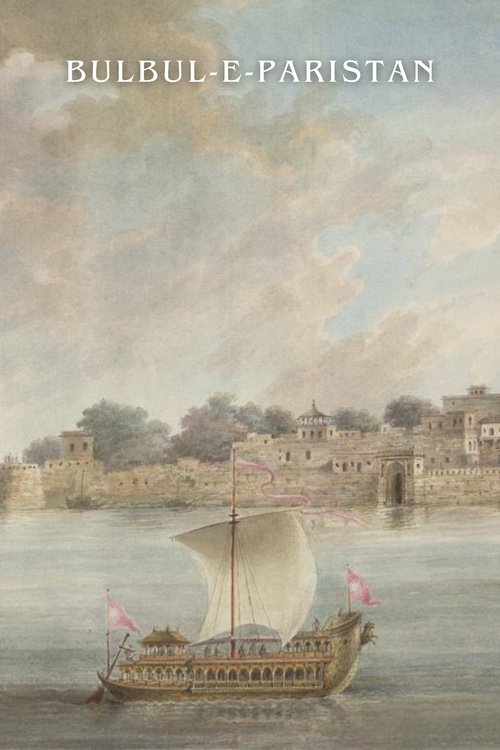
Probably the first Indian film directed by a woman. It was a big-budget fantasy abounding with special effects set in a Parastan or fairyland.
Bulbul-e-Paristan
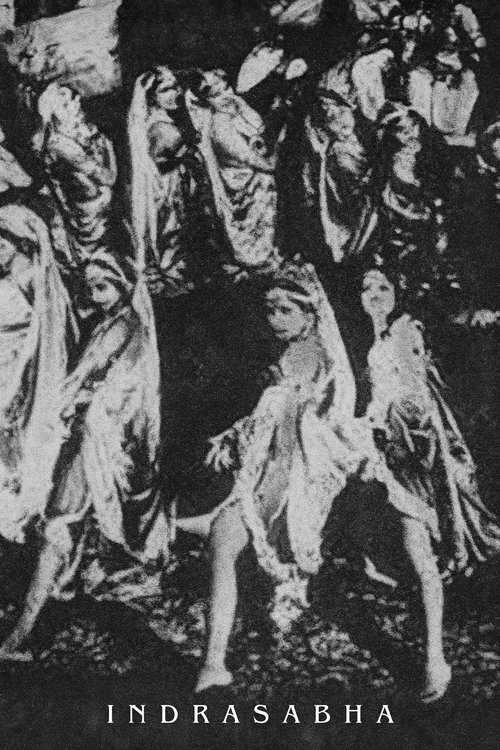
A silent fantasy film centered on the court of the god Indra. Based on Agha Hasan Lakhnavi's play Indrasabha
Indrasabha
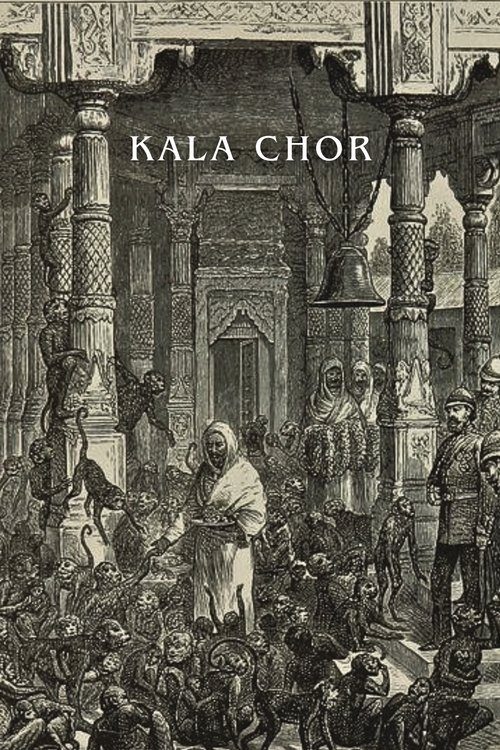
An early silent drama centered on a notorious "black thief"
The Black Thief
Seminal silent historical film, the story features King Munja, ruler of Aranti, famed warrior and patron of the arts. Munja (Sandow) falls into the hands of his arch enemy Tailap, who received assistance from Bhillam (Altekar), king of Dharavati. Tailap orders that Munja be put to death but is held back by Tailap's powerful sister Minalvati (Fatma Begum), a widow who first wants to break Munja's spirit. Instead, she and Munja fall in love.
Prithvi Vallabh
No description available.
Heer Ranjha
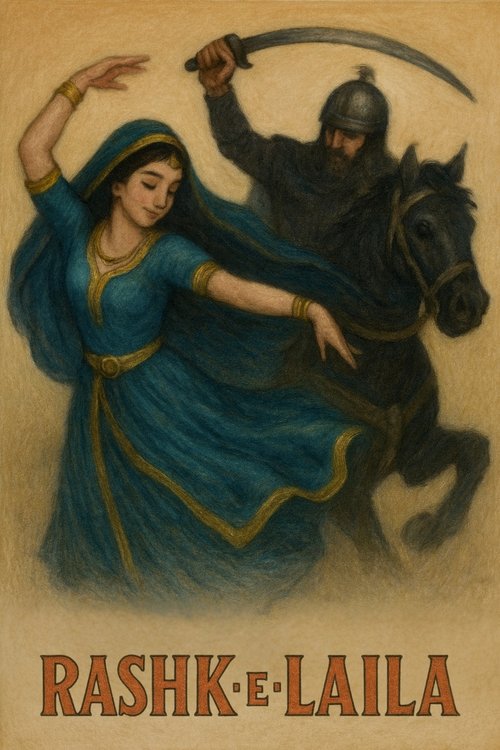
One of the best-known films of Mahalakshmi, a sound film studio set up jointly by star Zubeida and director Vakil. The costumed love fantasy derived from the Arabian Nights and tells of Laila (Zubeida), a gypsy dancer who falls in love with the Persian soldier Asghar (Desa). The villain, who lusts after Laila, is Sardar Sagi (Gulab), right-hand man to the grand vizir Uoshi) who has political ambitions of his own.
Rashk-e-Laila
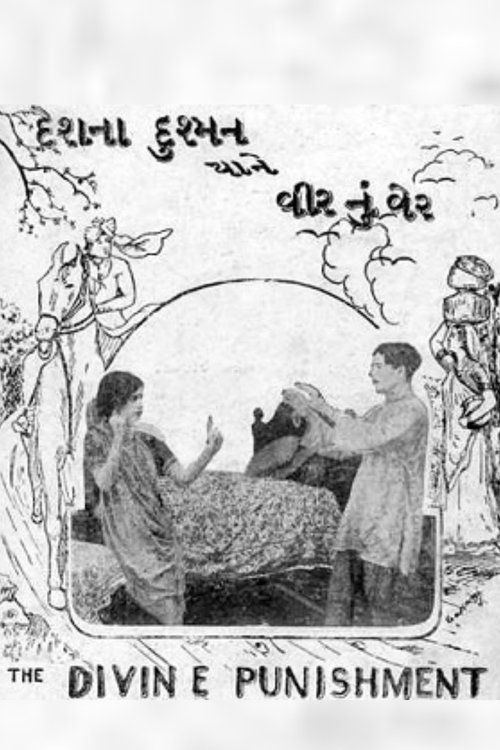
A silent social drama exploring themes of treason and retribution. The film would have told a moralistic tale about a character who acts as an "enemy of the nation" and faces divine or karmic punishment for their actions.
The Divine Punishment
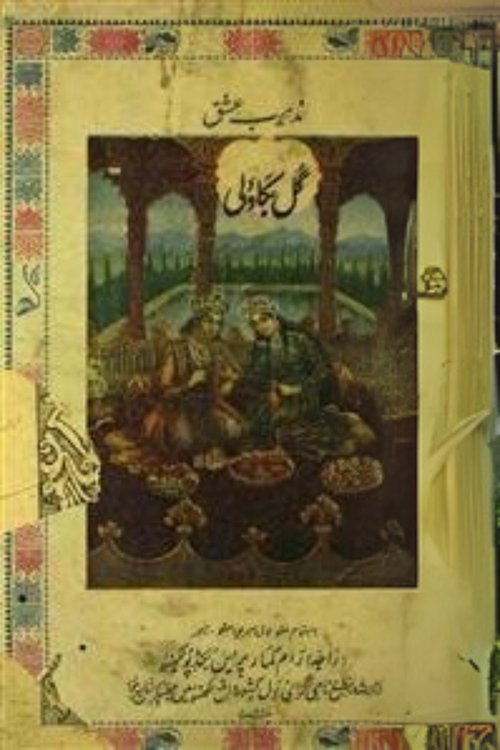
Based on a popular legend, this silent film tells the story of the fairy Bakavali and her divine flower, the Gul, which possesses healing powers. Taj-ul-Mulk, a prince from the East, seeks the flower to cure his blind father. The legend's origins are debated: one version traces it to a 19th-century translation of a Persian tale, while another points to a 16th-century narrative from Abely Sheikh. The story was a favorite on the Parsee stage, particularly the scenes where Taj-ul-Mulk battles his villainous brothers, who steal the flower. The tale also features Bakavali turning to stone and her eventual human rebirth.