FEEL IT.STREAM
Paulin Soumanou Vieyra

Paulin Soumanou Vieyra

Directing

Biography

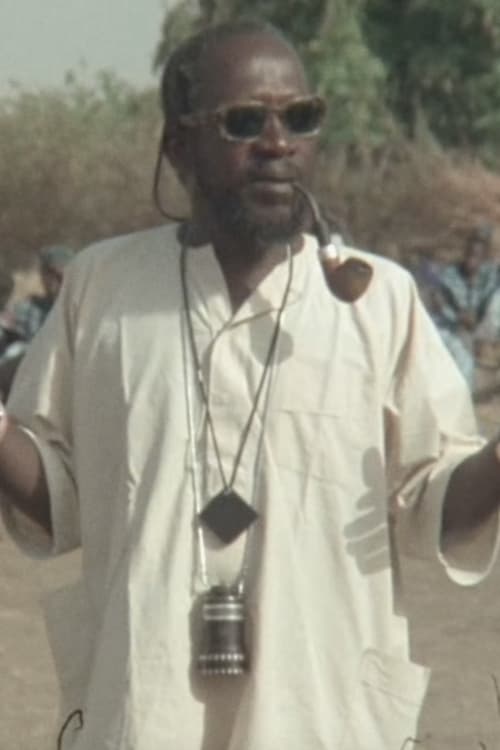
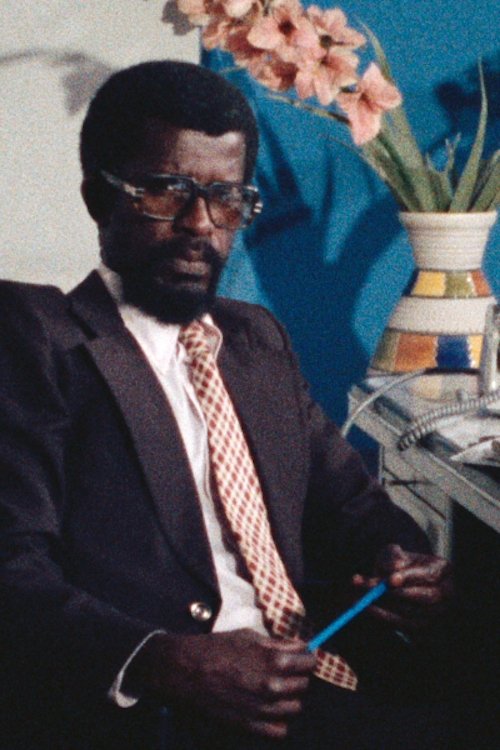
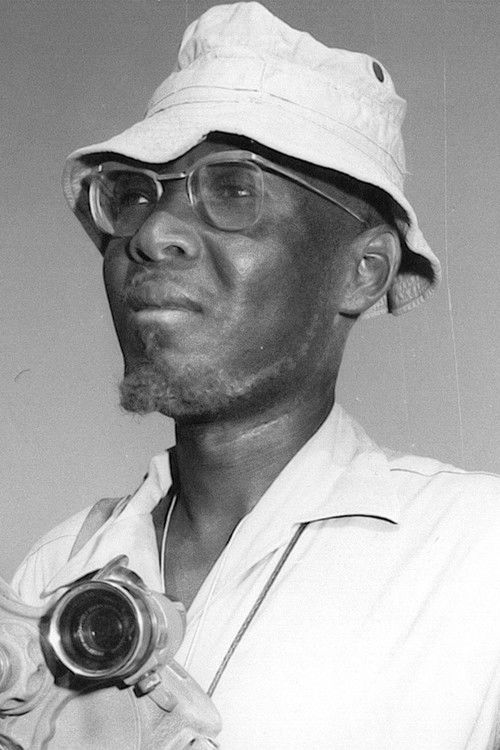
Benin-born, Senegal-raised filmmaker, theorist, and historian Paulin Soumanou Vieyra was a key figure, as both practitioner and thinker, in the creation and articulation of what a post-colonial African cinema would and could be. Along with producing essential texts like “Film and the Problem of Languages in Africa“ and “Remarks on African Cinema,” founding the important Fédération Panafricaine des Cinéastes, and mentoring the likes of Ousmane Sembène, Djibril Diop Mambéty, and Ababacar Samb-Makharam, Vieyra turned out a vital body of film work, documenting the birth of a new continental consciousness.
Known For

Ceddo
6.8

The Ceddo people try to preserve their traditional African culture against the onslaught of Islam, Christianity, and the slave trade. When King Demba War sides with the Muslims, the Ceddo kidnap his daughter, Princess Dior Yacine, to protest their forcible conversion to Islam.

Ceddo

1978
Devil in the Flesh
6.2

In France during World War I, Marthe waits for her husband, Jacques, while he fights on the front lines. Marthe then begins a tempestuous affair with 17-year-old François, with whom she had a dalliance before marrying Jacques. Jealous François struggles with the fact that Marthe is married, while she tries to prove her devotion to her young, hotheaded lover. Things become even more complex when Marthe becomes pregnant with Jacques' baby.

Devil in the Flesh

1947
Xala
6.9

A rich businessman in Senegal is cursed with crippling erectile dysfunction upon the day of his marriage to his third wife; the only cure is brutal public humiliation.

Xala

1975
After Love
5.3

Betrayed by his wife, a teacher proceeds to have an affair with a young and pretty student. The two women both find themselves expecting a child. The girl dies during childbirth. In a spirit of revenge and to keep his real son, the scorned husband exchanges the babies.

After Love

1948
Emitaï
7.3

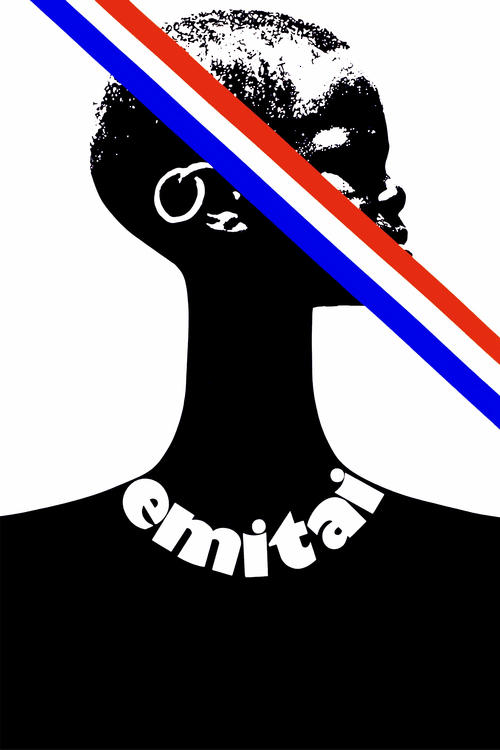
As World War II rages in Europe, a conflict arises between the French and the Diola-speaking tribe of Africa, prompting the village women to organize their men to sit beneath a tree to pray.

Emitaï

1973
Emile the African
6.3

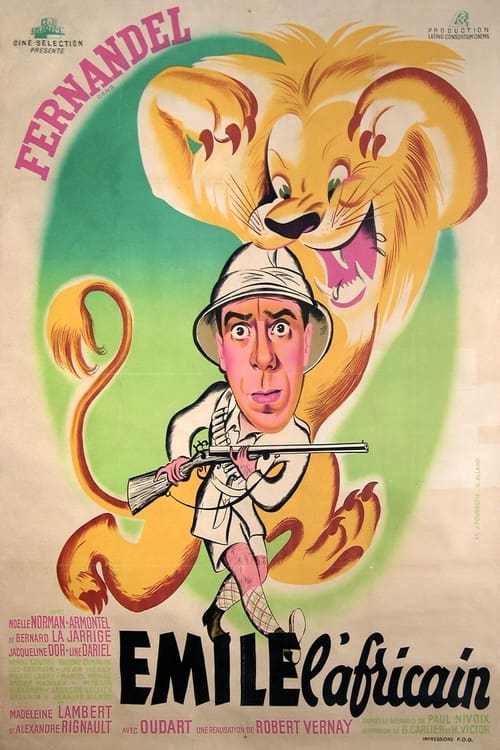
Émile Boulard is a props man in a Paris movie studio. He has a wife, Suzanne. Or to be more accurate, let's say he HAD a wife since she left him fifteen years before, allegedly ... to go buy a post stamp. But now that their daughter Martine , who lives with her, is old enough to marry, she resurfaces. She confesses that, in order to explain his absence, she has told Martine her father was a great explorer and lion hunter in Africa. Not to disappoint his daughter, Émile accepts to pose as the adventurer he is supposed to be. At the same time he will help Daniel, Martine's bashful fiancé, not to become a henpecked husband like him.

Emile the African

1948
Le Sénégal et le Festival Mondial des Arts Nègres
N/A

Promotional newsreel of Dakar, selected to host the first edition of the World Festival of Black Arts. The report features the history of the city, its architectural and commercial evolution, its air and maritime connections, its natural beauty, hotels and tourist attractions. Organised by Léopold Sédar Senghor on the initiative of the magazine “Présence Africaine” and the African Cultural Society, it was an unprecedented event in the cultural history of the African continent. The first festival was held in Dakar on 1-24 April 1966. Participants included André Malraux, Aimé Césaire, Jean Price-Mars, Duke Ellington, Joséphine Baker, Langston Hughes, Aminata Fall, Robert Hayden and many others. All the arts were represented: literature, music, dance, film and visual arts.

Le Sénégal et le Festival Mondial des Arts Nègres

1966
Africa on the Seine
5.4

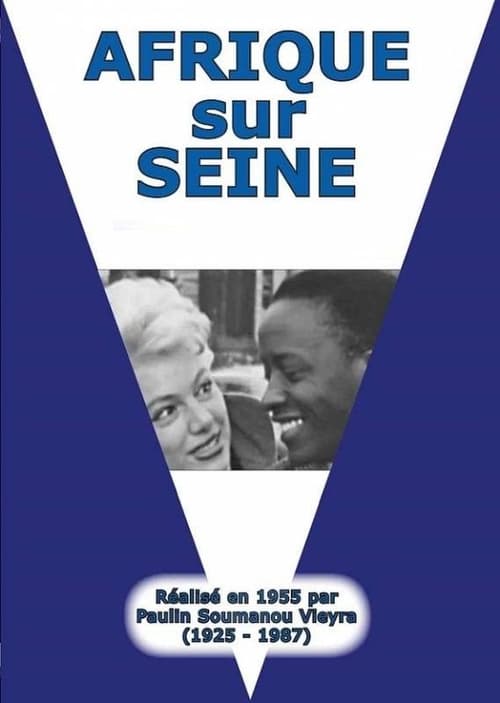
This film is widely regarded as the first film made by an African south of the Sahara. Labelled an “ethnological documentary in reverse,” it shows 1950s Paris from the cinematic perspective of a group of African immigrants. (Mubi)

Africa on the Seine

1955
A Nation is Born
N/A

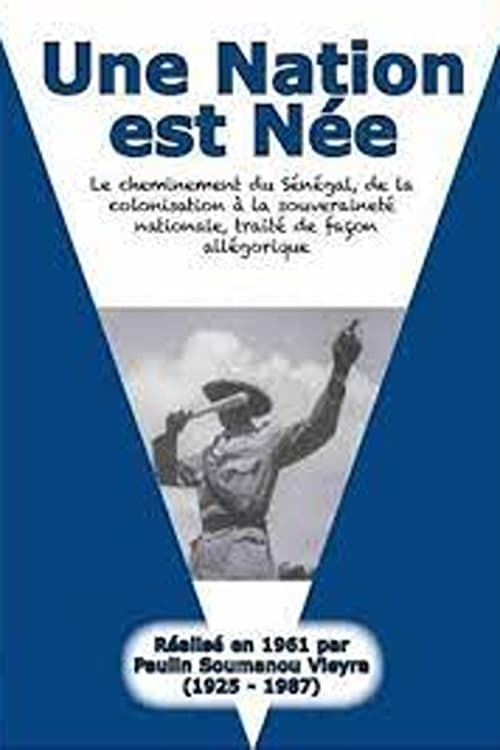
Une nation est née depicts the progression of Senegal from colonization to sovereignty, shown allegorically through scenes of dance and celebrations of its newly-reclaimed independence.

A Nation is Born

1961
Tauw
7.2

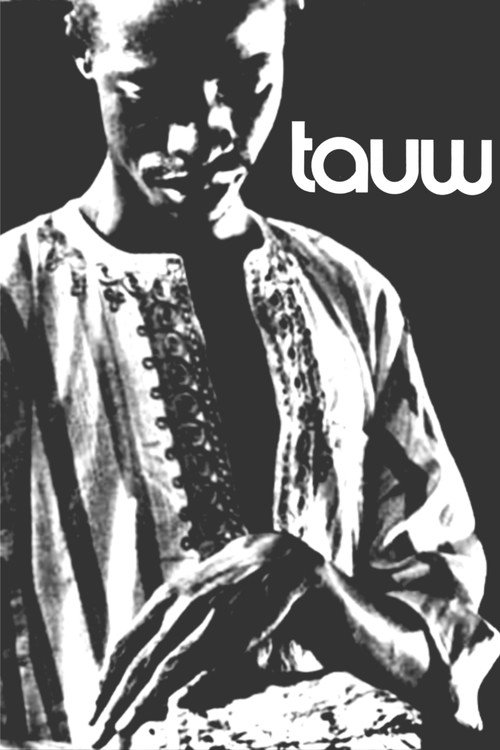
A young unemployed man fends off accusations of laziness and makes a home for his pregnant girlfriend who has been rejected by her family.

Tauw

1970
Under House Arrest
9.0

The president of an African country is closely allied with European entrepreneurs for his own benefit and theirs. The sky falls on their heads when a political essay on "The Political Structures of Traditional Power" is published. To make matters worse, the military gets involved. The president, whose party ruled unchallenged (single-party system), finds himself under house arrest.

Under House Arrest

1981
Behind the Scenes: The Making of Ceddo
7.0

Paulin Vieyra captures Ousmane Sembène, one of the greatest filmmakers of Africa, during the filming of Ceddo. L’Envers du Decor was completed after four years of production. As for Ceddo, it would be censored under the Senghor regime and until 1983 by the Senegalese authorities.

Behind the Scenes: The Making of Ceddo

1981
Iba N'Diaye
N/A

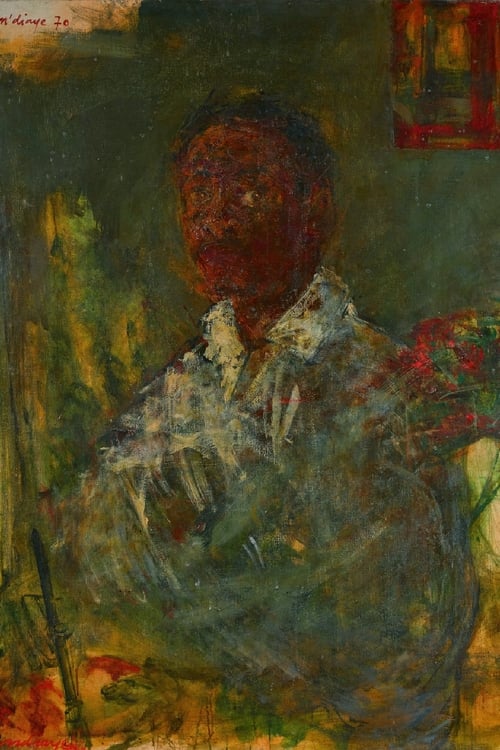
During an interview with the filmmaker Paulin Vieyra, the painter Iba Ndiaye recalls key moments of his life. He begins with his childhood in Senegal and his studies at the Lycee Faidherbe in St. Louis of Senegal, where he was drawn to design and graphic arts. African nature and its sweeping horizons remain however his main sources of inspiration.

Iba N'Diaye

1982
Lamb
7.0

The traditional struggle, known as Lamb in Wolof, which recalls the Greco-Roman struggle, is a popular national sport in Senegal. It has special rules and very strict. Every spectator can bet on his favorite wrestler in a festive atmosphere. The Dakar Arena serves as a showcase for the battles in the film.

Lamb

1964
Môl
N/A

A young fisherman dreams of motorizing his boat to make his work easier. His dream becomes reality, thanks to his courage and his determination but causes conflict between traditional values and the modern notion of progress.

Môl

1966
N'Diongane
N/A

A hunter dies in a lion's jaws and leaves a wife and two children. The elder child, who is now the only man around the house, is called the little husband. Because of this nickname, he becomes the laughingstock of all the children in the village. Desperate, the child runs away and drowns in the sea. His mother and sister will follow the same fate. The film is based on a story by Birago Diop.

N'Diongane

1965
It was four years ago
N/A

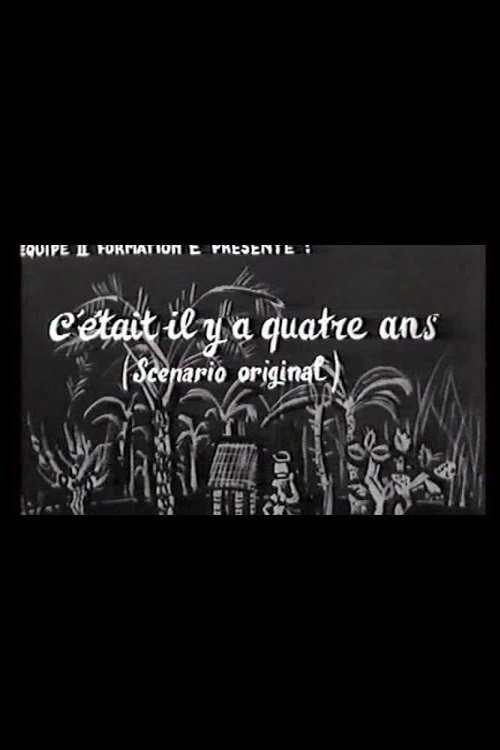
The nostalgia of an African student in Paris for Africa. Graduation film by Paulin Soumanou VIEYRA, one of the pioneers of African cinemas.

It was four years ago

1954
Birago Diop, Storyteller
7.0

Birago Diop appears as the pioneer of African letters. He knew the long journey of poets of blackness from the 30s. But, while young writers Antillean and African chose poetry to express the search for their identity, Birago Diop was located from the beginning of his work at the heart of the African literary world, adopting as a mode of expression the tale and the novel. Birago Diop evokes his memories: coming from the old Saint-Louisian bourgeoisie, he made his classes at Faidherbe high school, the first high school of West Africa, before coming to France to study veterinary medicine, an opportunity for him to participate in the first one. core of African Presence. His works are now on the curriculum of high schools in Senegal.

Birago Diop, Storyteller

1981
Sindiely
N/A

Sindiely tells the story of a greedy father wishing to marry his daughter to a successful fabric merchant, despite her love for another young man. The hostility of the family makes the father yield to his daughter’s wishes, allowing for the young couple to wed.

Sindiely

1965
No image
N/A

Newsreel of the third Festival of the Arts in the Nigerian city of Ife, launched in the city’s university. A celebration of the arts (traditional music, photography, sculpture, handicrafts, cinema) confronting the continent’s anglophone and francophone hemispheres. Among others, the report features the Nigerian Nobel Prize-winning playwright, poet, writer and essayist Wole Soyinka, the Senegalese filmmaker Ousmane Sembène and the Martinique playwright Aimé Césaire, who premiered the English version of The Tragedy of King Christophe in Ife for the occasion.

Ife / 3ème Festival des Arts

1971