Joop Huisken
Directing
Known For
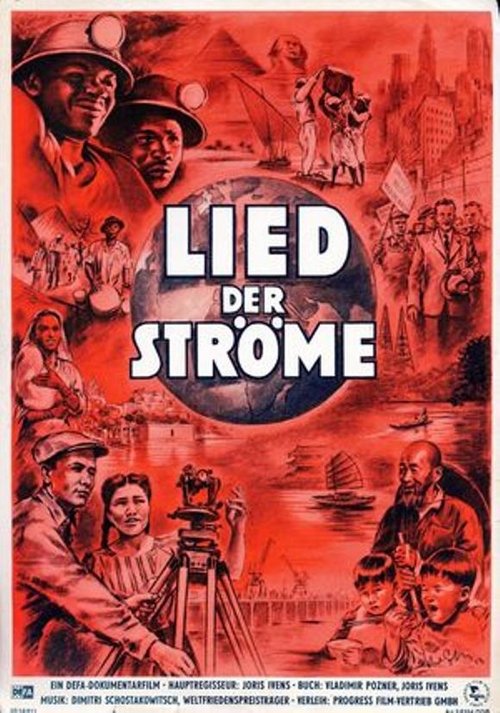
An allegorical documentary about the workers of the world, whose common destinies and hopes for peace are symbolically united by the rivers that run through their respective lands. The film was shot on the Volga, the Mississippi, the Nile, the Yangtze, the Amazon and the Ganges and combines these images of five continents with the music of Dmitri Shostakovich and the poetry of both Bertolt Brecht and Paul Robeson.
Song of the Rivers
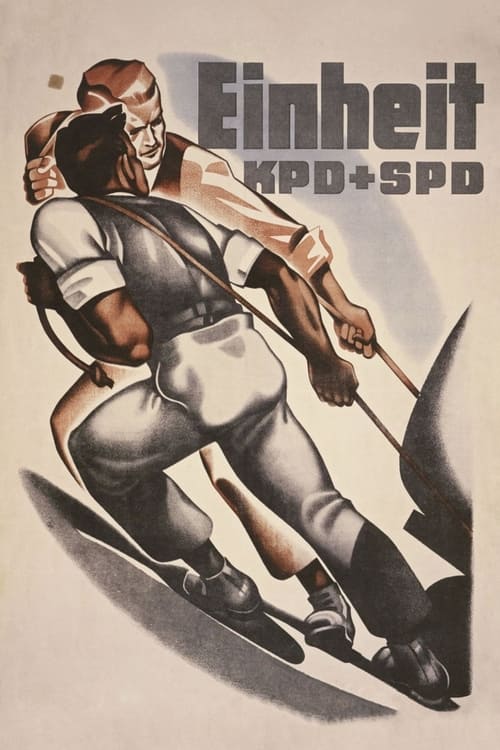
Documentary about the merging of the Communist Party of Germany and the Socialist Unity Party of Germany in the Soviet occupation zone, a merger that would lead to the creation of the Socialist Unity Party that would rule the soon-to-be-created East Germany until 1989.
Unity SPD – KPD
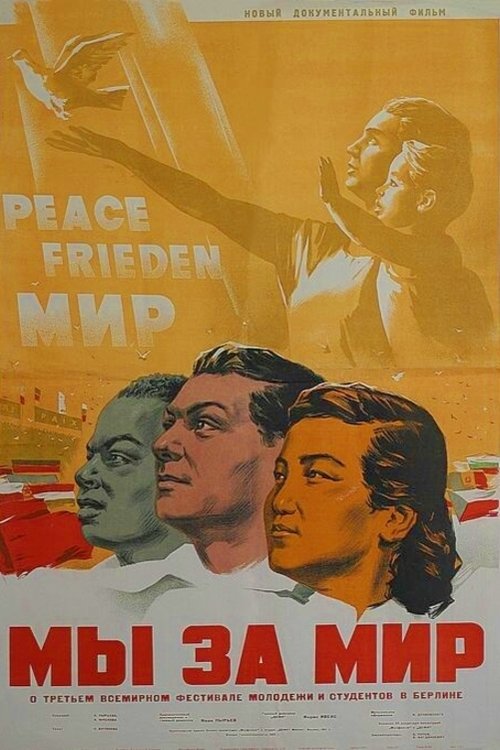
Film about the third 'Weltfestspiele der Jugend und Studenten für den Frieden' in East Berlin, 1951. West Germany is represented as a degenerate country which has been occupied by the Americans and is still inclined to fascism. We see the construction of the stadium, the departure and arrival of the delegations, the opening and closing by Enrico Berlinguer, a sports event, the parade of the delegations, a visit to Potsdam, folk dancing, and police violence against youngsters from West Berlin who want to visit East Germany because of the games. The film is interlaced with shots from the Korean War and a parade by NATO-troops in West Germany. Featuring Robert Montgomery, Konrad Adenauer, Wilhelm Pieck, Dwight Eisenhower, Robert Leer and Erich Honecker. The crew comprised no less than 24 cameramen. This project was the first great colour film Ivens co-operated in.
Friendship Triumphs

East German documentary about the Ravensbrück concentration camp.
Frauen von Ravensbrück
No description available.
Kumpel und Giganten
Documenting the rebuilding of Potsdam one year after the war under Soviet supervision.
Potsdam Builds Up
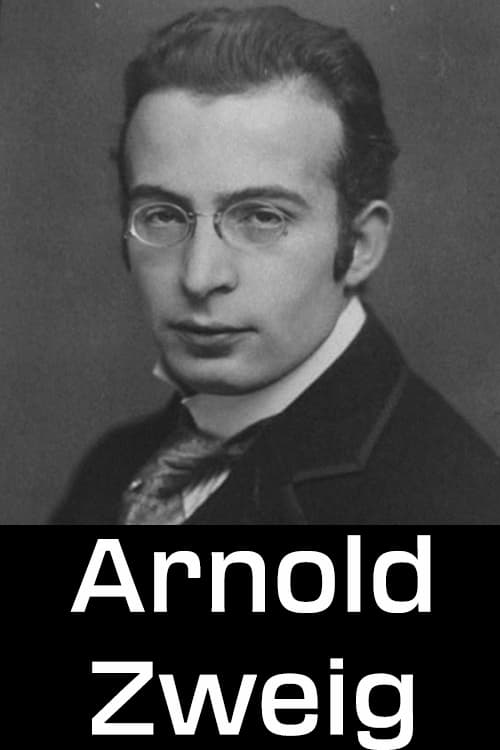
A short biography of Arnold Zweig, through the lens of East Germany state media.
Arnold Zweig
Presentation of the economic upswing in the GDR, emphasizing the discovery of the process for the production of high-temperature lignite coke and the commissioning of the Lauchhammer large-scale coking plant.
1952 - Das entscheidende Jahr
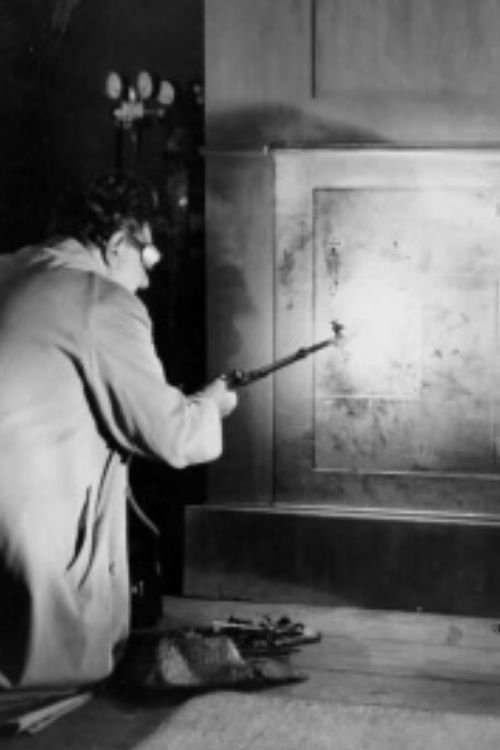
A spy story set in the future year 1950, about a detective on the trail of a spy. The League of Nations threatens the Netherlands with a blockade if secret arms deliveries to a warring country, Paruma, do not cease. After a long chase, the head of the Dutch secret service manages to unmask the arms smuggler, Consul Charkuf of Paruma. The film was made by students of the Film-Technische Leergang, a film course that originated from the Studio Joris Ivens and was influenced by foreign avant-garde film. Only a few scenes have been preserved.
Blokkade

Von Hamburg bis Stralsund (From Hamburg to Stralsund) (1950) is an East German documentary directed by Andrew Thorndike. Running at approximately 35 minutes, the film contrasts the rebuilding of shipyards in East Germany with the dismantling of shipbuilding industries in West Germany. It highlights the economic recovery and industrial efforts in both regions following World War II, focusing on cities such as Stralsund and Hamburg. Produced by DEFA, the film reflects the divided post-war state of Germany and serves as a historical document of the era's political and industrial climate.
From Hamburg to Stralsund
Through three loosely connected stories centered on individuals, Huisken and Menegoz depict the changes in urban and rural areas as well as the development of remote regions. A traveling tinker from Old Beijing observes the industrialization taking place around him. A young couple from the village of Minh Tu Sian harvests rice using traditional methods but is already celebrating their wedding in a modern way. Engineering graduate Tschao Lin travels to Shanghai by ship up the Yangtze River to help build a railway line. In the finale, a difficult stage—bridging the wild river—is completed.