FEEL IT.STREAM
Ossama Mohammed

Ossama Mohammed

Directing

Biography

From Wikipedia: Ossama Mohammed is a Syrian film director and screenwriter. His film The Box of Life was screened in the Un Certain Regard section at the 2002 Cannes Film Festival. He is currently living in exile in Paris, where he collaborated on Silvered Water, Syria Self-Portrait.

Known For

The Night
7.1

In the destroyed city of Quneitra is the grave of a resistance fighter for Palestine. His son, the director, tries to restore the dead man's history by mixing echoes of his mother's memory and his desire to give his father a more honorable death. Through the daily lives, dreams, fears, and hopes of its citizens, Malas chronicles his hometown Quneitra in the Golan Heights between 1936, the year of the first revolts against the British and Zionists in Palestine until the year of the city's destruction. He seeks to exorcise a feeling of shame and humiliation that long accompanied the image of his father and also his town, occupied by Israelis in 1967.

The Night

1992
Sacrifices
6.9

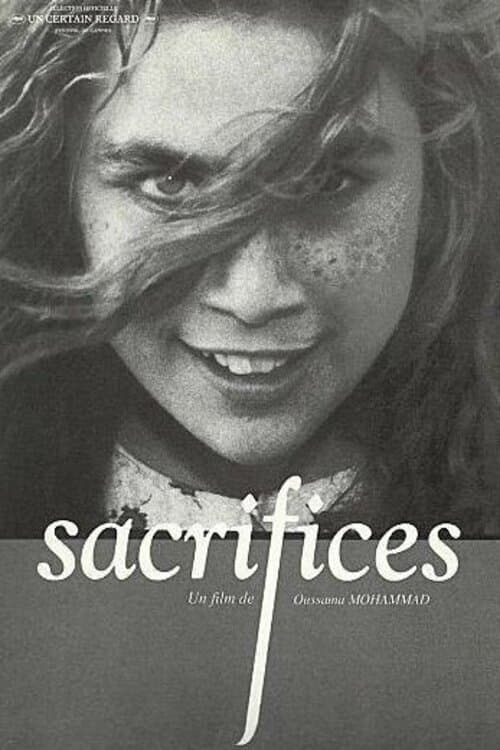
As an elderly man on his deathbed looks to give his name to one of his newborn grandsons, he's unable to acknowledge any of them. The three boys grow up with no name in the Syrian mountains, as they struggle to survive in a war-torn country.

Sacrifices

2002
Moudarres
N/A

Fateh Moudarres (1922-1999) was a crucial personage in Syrian artistic and cultural life, a pioneer of contemporary painting, a literate and prolific novelist. For about forty years has transformed his atelier, located in the center of Damascus, into a place of encounter and dialogue on art. The film is a journey of love to the artist's universe, to his works composed from memories of light, colors, and the shadows of a painful existence.

Moudarres

1995
Silvered Water
6.6

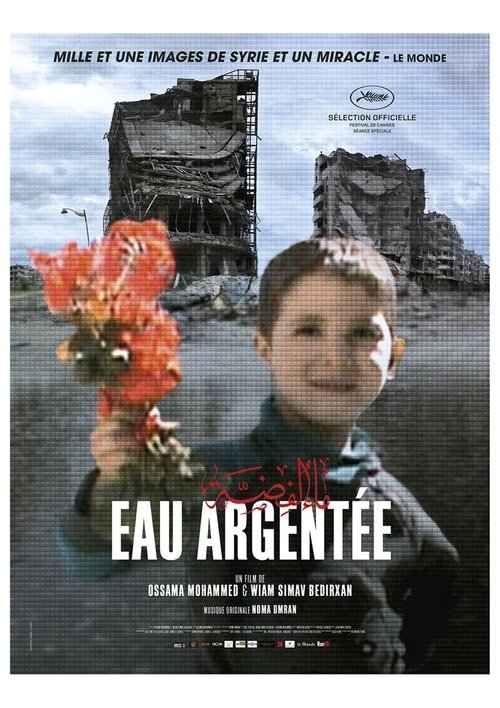
Shot by a reported “1,001 Syrians” according to the filmmakers, SILVERED WATER, SYRIA SELF-PORTRAIT impressionistically documents the destruction and atrocities of the civil war through a combination of eye-witness accounts shot on mobile phones and posted to the internet, and footage shot by Bedirxan during the siege of Homs. Bedirxan, an elementary school teacher in Homs, had contacted Mohammed online to ask him what he would film, if he was there. Mohammed, working in forced exile in Paris, is tormented by feelings of cowardice as he witnesses the horrors from afar, and the self-reflexive film also chronicles how he is haunted in his dreams by a Syrian boy once shot to death for snatching his camera on the street.

Silvered Water

2014
Stars in Broad Daylight
6.9

In his debut feature film, director Muhammad explores the inexorable dissolution of a family, ironically during the planning of a wedding, the kind of ritual that ought to bond family members together in shared joy. The film exposes the divisive dynamics of patriarchal oppression, and the terrible connections between familial and sociopolitical violence.

Stars in Broad Daylight

1988
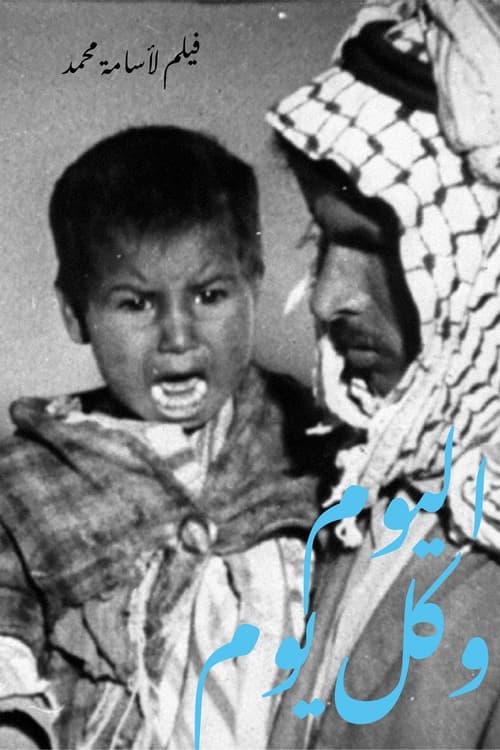
Today and Everyday
9.0

The filmmaker’s directorial debut after joining the National Film Organization, this short documentary follows young children in preschool as they become exposed for the first time to notions of learning, reciting, and proper pronunciation and molded into conformity.

Today and Everyday

1980
Light and Shadows, the Last of the Pioneers: Nazih Shahbandar
N/A

Trained as an electrician, Nazih Shahbandar became fascinated with the technology behind film production and was one of the pioneers of cinema production in the 1930s and 1940s. In 1947, he set up a studio fitted with film equipment that was almost entirely of his own fabrication. He wrote scripts, built sets, and innovated new methods of sound recording and transmission. As an enthusiastic inventor, he produced and directed the first Syrian film with sound. His dream was to film and screen a 3D film. An ode to cinema, this documentary is a portrait of Shahbandar.

Light and Shadows, the Last of the Pioneers: Nazih Shahbandar

1994
Step by Step
6.3

In a rolling area of Syria, the villagers live their everyday life, in toil and poverty. Trapped between the hardships of farming, religious and political ideologies, they barely survive. Their children are the only ones that are still full of hope. They imagine their future lives and picture themselves as doctors or engineers. But these are pipe dreams. All they can actually look forward to is farming the land with primitive tools like their parents, getting a menial job in the city or becoming brainwashed soldiers..

Step by Step

1978