Directing
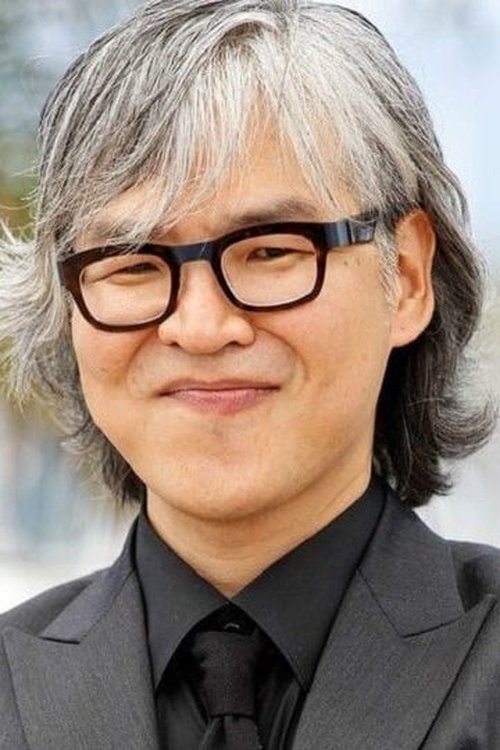
Im Sang-soo (born April 27, 1962) is an award-winning South Korean film director and screenwriter.
Eun-yi is hired as a maid in a mansion owned by a wealthy businessman. He quickly starts seducing his employee who seemingly has little choice but to comply with his sexual advances. Soon the women of the family plot against Eun-yi who must fight an equally devious battle to protect herself.
A woman, married and with a child but becoming increasingly distant from her husband who is already cheating on her, reluctantly enters a secret relationship with her neighbor, a teenage boy.
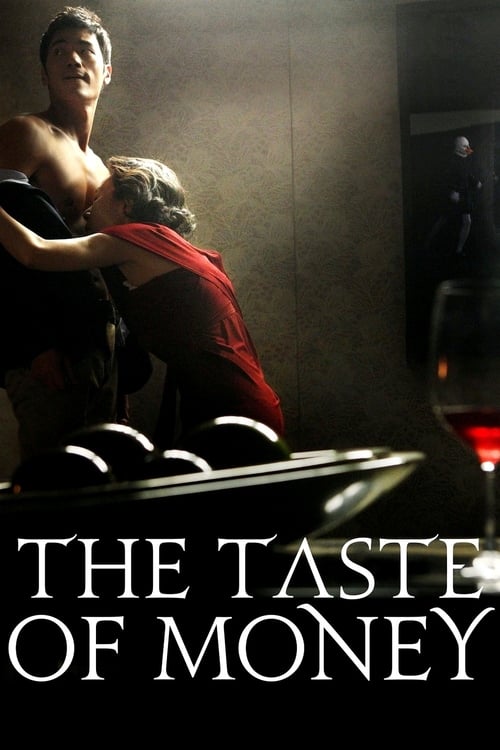
The assistant of a wealthy socialite reveals her husband's salacious affair. The fallout entangles him in a web of sex, love and deceit that could threaten his life and career.
On October 26, 1979, President Park Chung-hee, who had ruled South Korea since 1961, was assassinated by his director of intelligence. The film depicts the events of that night.
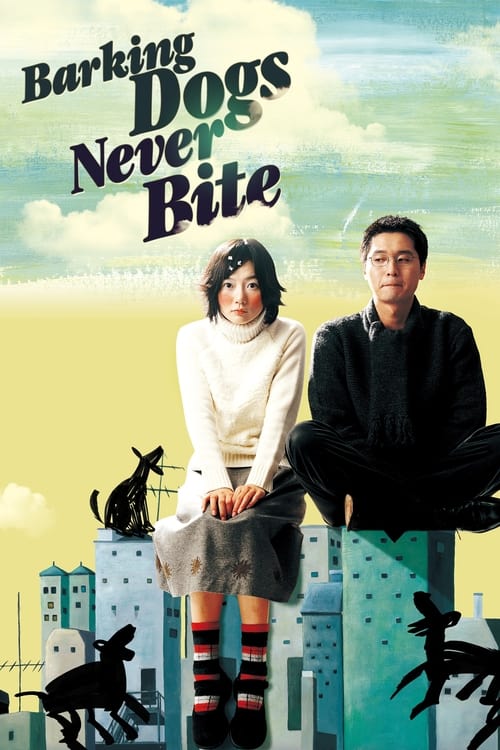
An idle part-time college lecturer is annoyed by the yapping sound of a nearby dog. He decides to take drastic action.
The third episode of the Cities of Love franchise, Rio, I Love You is an anthology, created by 10 visionary directors from across the globe. The story line of each segment focuses on an encounter of love in a different neighborhood of the city, demonstrating the distinctive qualities and character of that location. The film serves to bridge gaps between cultures, educating and entertaining the audience, while celebrating unique and universal expressions of love.
Three best friends meet and boldly talk about sex together. Their characters are as different as their lifestyles. One works at a hotel, one at a design firm and the other is a graduate student. The conversations alter their lives as they begin to have different sexual relationships than before.
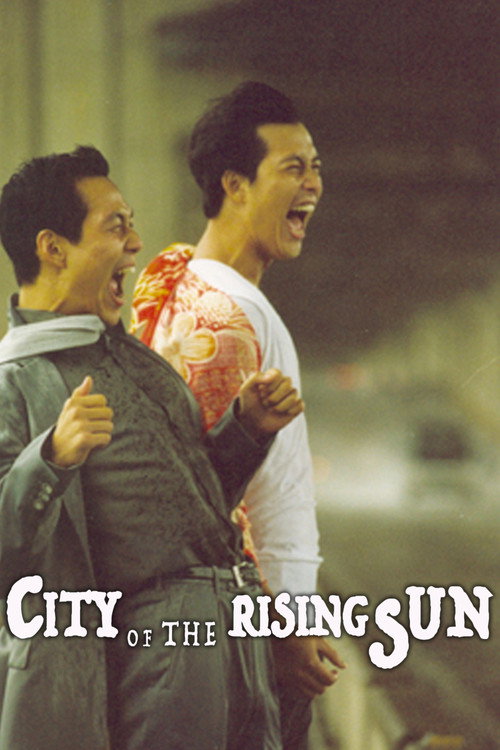
Do-chul is a boxer who never wins a game. While trying to make some money, he gets involved with Hong-ki, a small-time crook. They somehow make friends and hang around together, but their views toward life and the world are almost opposite.
Four strangers discover a bag full of money which belongs to a corrupt politician. Instead of using the money for themselves, they decide to join forces to take down corrupt conglomerates.
A documentary consisting of twenty-two Korean directors' interviews about Kim Ki-young and respect for his work and the influence
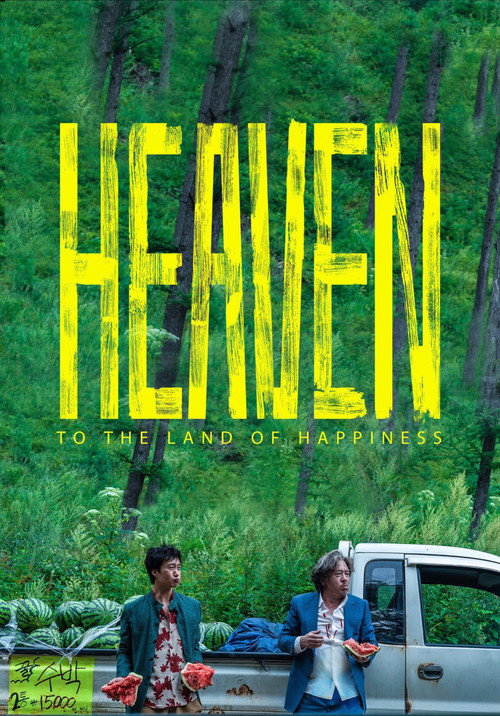
In order to find the last happiness of his life, inmate 203 escapes from prison. Nam-sik is poor and sick. These two men happen to meet and obtain a large amount of money. Nam-sik joins inmate 203's journey to find the last happiness.
A woman stands trial for her life with a lawyer who is determined to save her despite her refusal to be saved.
Four teens live their troubled lives as vagabonds in Seoul's Garibongdong District. Chang is rebellious and violent; Han explores the strange world of the Garibong through Chang; Ran dreams of happiness within harsh reality; and Sa-ri harbors painful life experiences.
South Korean cinema is in the throes of a creative explosion where mavericks are encouraged and masters are venerated. But from where has this phenomenon emerged? What is the culture that has yielded this range of filmmakers? With The Nine Lives of Korean Cinema, French critic, writer and documentarian Hubert Niogret provides a broad overview but, nevertheless, an excellent entry point into this unique type of national cinema that still remains a mystery for many people. The product of a troubled social and political history, Korean cinema sports an identity that is unique in much modern film. Niogret's documentary tells of the country's cinematic history - the ups along with the downs - and gives further voice to the artists striving to express their concerns, fears and aspirations.
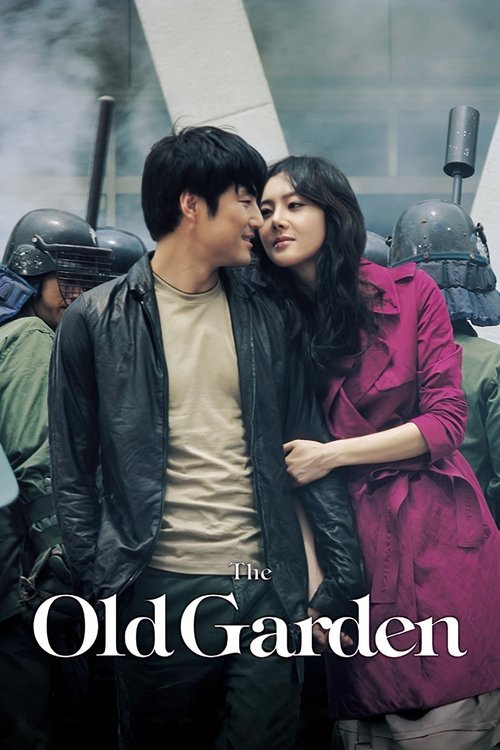
Political activist Hyun-woo is released from prison after a 17-year stint. Journeying back to the village where he spent some time as a fugitive he recalls the time spent with Yoon-hee, a woman who gave him shelter and companionship.
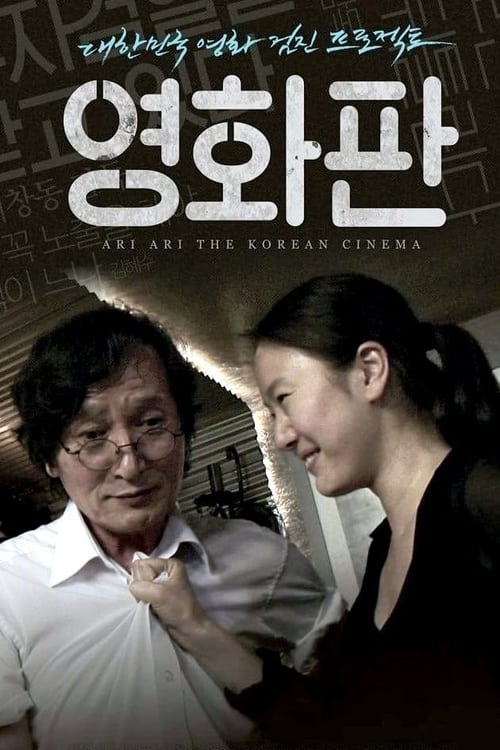
Director Chung Ji-Young criticizes the thought that older directors have difficulties in making certain movies. Actress Yoon Jin-Seo agonizes over her identity as an actress. In 2009, before the movie "Unbowed" was made, they met and planned a documentary about Korean movies, including the processes a Korean movie goes through and difficulites. "Ari Ari the Korean Cinema" is a documentary with interviews of Korean directors, actors and actresses.
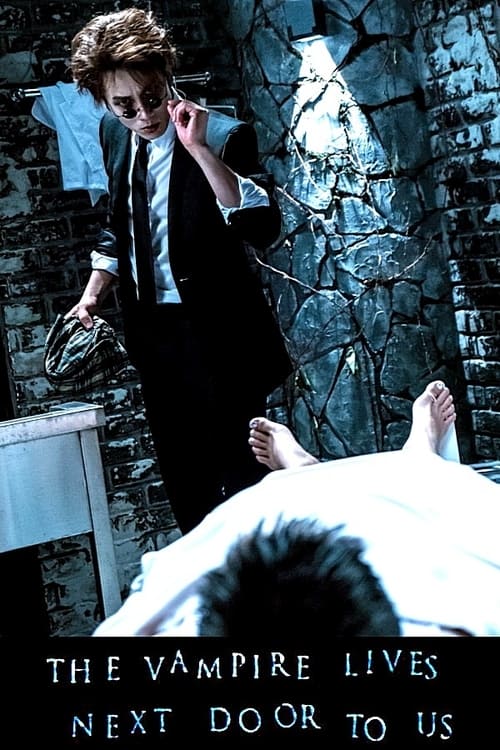
A vampire living in a morgue encounters a drowned girl whose fate may be entwined with his own.
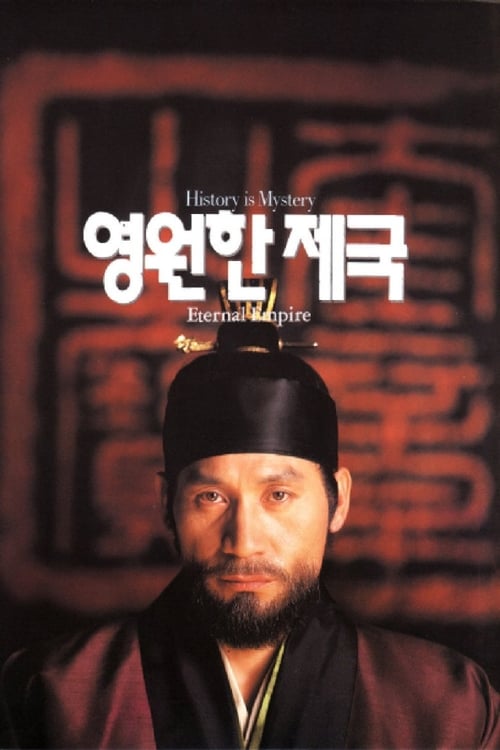
This film depicts the struggles of the Royal Party and the Old Party to obtain political power. In 1800, The Royal Party insisted that the political power should be centralized to the King, but the other party (The Old Party) insisted that the political power should be centralized to the majority of the ministers. One day, official Jang was ordered by the King to arrange and edit the record of the former King Yeongjo. All of a sudden, Jang dies. Soon it was disclosed that Jang was killed by the Old Party because of their connection with the book. For this incident , the King tried to get rid of key members of the Old Party, but the Old Party resists the King's will. What was in the book? Who was involved? Why? The political intrigue will keep you on the edge of your seat.
No description available.
Mr. Koo is a miserable salary man in Seoul. His hobby is taking pictures on the weekends. While on a trip, he takes a picture of speculators. They take him on a fancy outing, mistaking Mr. Koo for a reporter. After that, he pretends he is a reporter but gets beaten up by a group of workers on strike because he carries a camera.