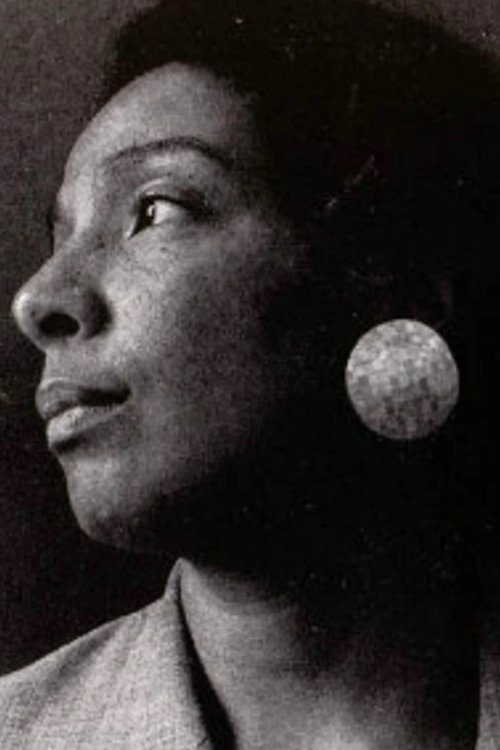
Anne-Laure Folly
Directing
Biography
Anne-Laure Folly (born March 31, 1954) is a documentary film maker from Togo. In 1994 Anne-Laure Folly won the silver medal at the Monte Carlo Television Festival for her documentary Femmes aux yeux ouverts (Women with eyes open). This film records women from Benin, Burkina Faso, Mali, and Senegal discussing their lives.
Known For
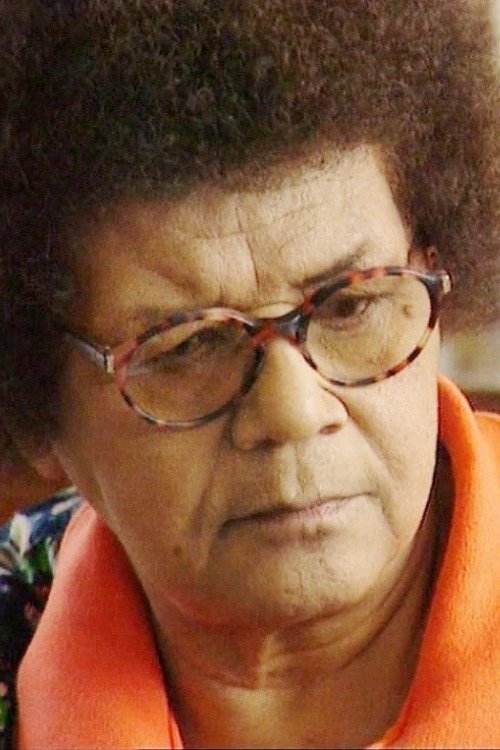
Sarah Maldoror ou la nostalgie de l'utopie is a Togolese short documentary film directed by Anne-Laure Folly. It was released in 1999. The film is a tribute to Sarah Maldoror of Guadeloupe, who made the classic film Sambizanga (1972). The film documents the constant political struggle in all her work for liberty, her affirmation of her négritude to the world, and her campaign for recognition of black poets.
Sarah Maldoror ou la nostalgie de l'utopie
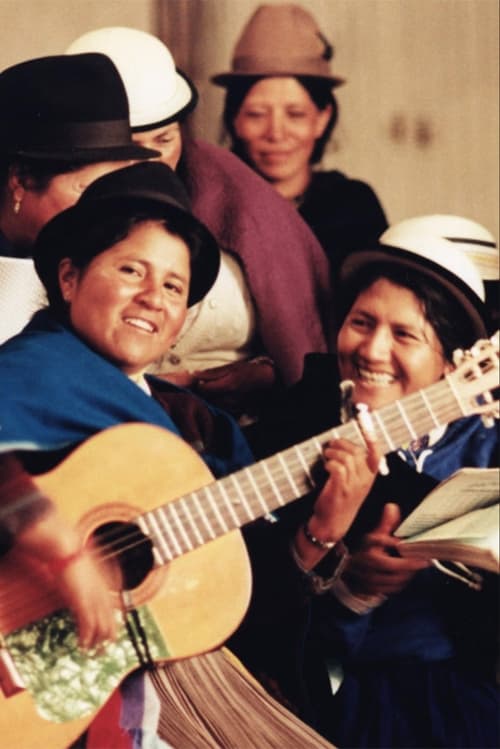
Between March and October 2000, millions of people around the world took to the streets to denounce poverty and violence against women. The historic World March of Women was a bold initiative of the Québec Federation of Women and represented a turning point in global solidarity. Director Sophie Bissonnette invited five filmmakers from around the world to cover the march. She also asked each one to film an innovative project. Set against the backdrop of a song, 'A Score for Women's Voices' ends at the UN, where women deliver 5 million cards signed during the marches. Their goal? To change the world.
A Score for Women's Voices

Portraits of contemporary African women from four West African nations: Burkina Faso, Mali, Senegal and Benin.
Women with Eyes Open
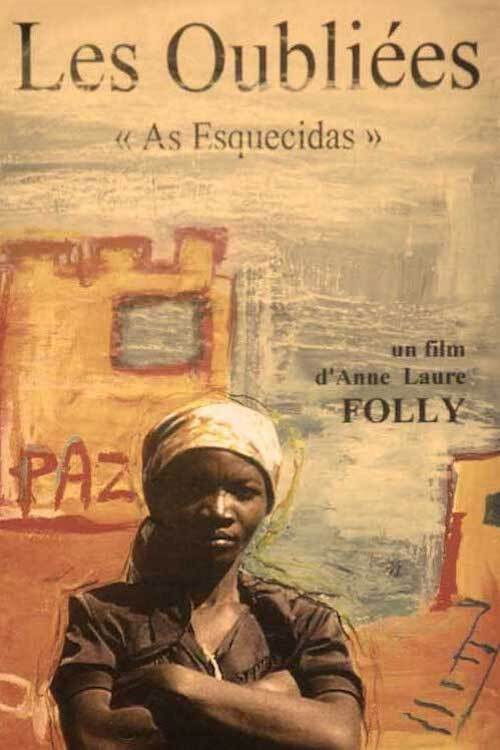
The film is a documentary about Angola. It tells of the heavy cost of war to women. After ten years of struggle for independence, the war in Angola had continued for another twenty years. The film explores the motives of the combatants, including Cuba and South Africa's apartheid government. In this film, Folly lets women tell their own stories. She shows the women from mid- or close-range, forcing the viewer to focus on their faces rather than their bodies or surroundings, and takes the time to let them say what they have to say, giving a unique women's perspective of the conflict. Folly participates in the film through her voice-over, giving a subjective element. She admits that she is not familiar with Angola, and certainly is not an authority. The film thus becomes a record of Folly's own journey of discovery.