Acting
Tatort is a long-running German/Austrian/Swiss crime television series set in various parts of these countries. The show is broadcast on the channels of ARD in Germany, ORF in Austria and SF1 in Switzerland.
No description available.
Polizeiruf 110 is a long-running German language detective television series. The first episode was broadcast 27 June 1971 in the German Democratic Republic, and after the dissolution of Fernsehen der DDR the series was picked up by ARD. It was originally created as a counterpart to the West German series Tatort, and quickly became a public favorite.
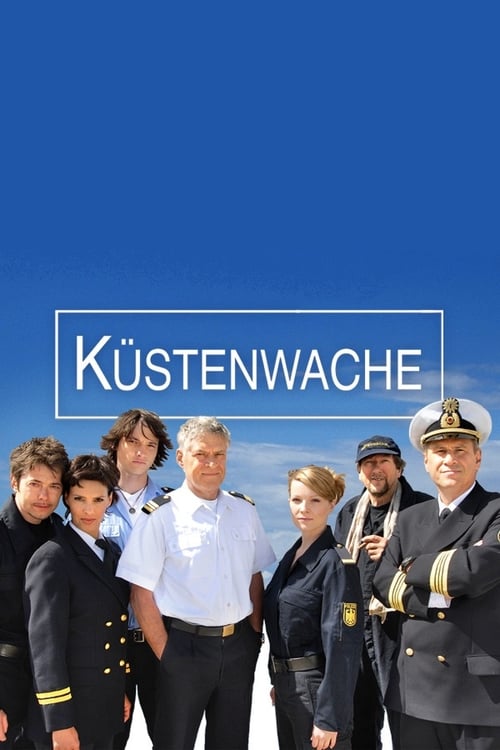
Küstenwache is a German television series that tells the fictionalized adventures of a unit of Federal Coast Guard officers off the German coast of the Baltic Sea.
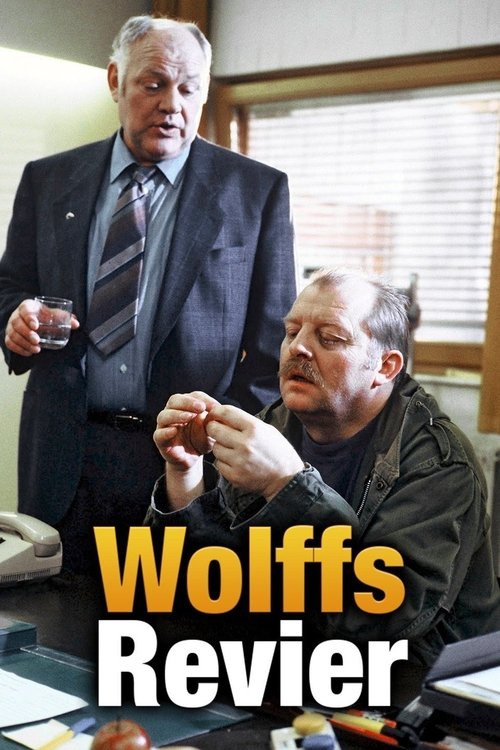
Wolffs Revier is a German television series.
Murder, Venice, relationships...it's a delicious concoction in the hands of crime novelist Donna Leon. Venice provides the backdrop for the lush film versions of the bestselling novels, which features the indelible Commissario Guido Brunetti, canal boat rides instead of car chases, fine cuisine and crime investigations in one of Europe’s most beautiful locations.
Abschnitt 40 was a German police television series broadcast between May 21 2001 and 2006. It was aired on RTL Television.
Lasko – Die Faust Gottes is a German action television series, an RTL co-production with ORF. First aired on 18 June 2009, it is set in a monastery and involves martial arts. Fifteen 45 minute episodes have been produced as of October 2011 in two series. The series was shot in the Naumburg an der Saale area, Pforta, Schloss Neuenburg and Königstein Fortress.
Unites grotesque elements, tempo, quiet dream sequences, the thrill of a detective story, but above all, he manages to capture the temperature of an actor ensemble that throws itself into the world of Dostoyevsky with immense pleasure and passion.
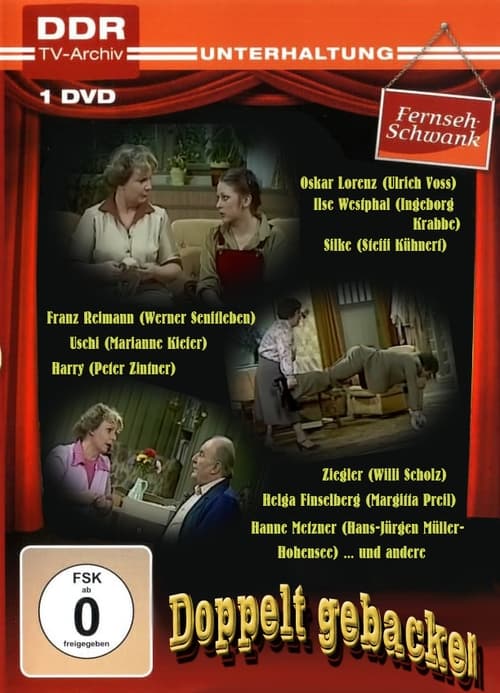
Master baker Oskar Lorenz is plagued by a number of worries, because almost every day one of his employees is affected by a different "ailment", making it difficult for the bakery to meet the plan. After all, Lorenz and his team have to ensure that fresh bread rolls and, above all, Berlin country bread can be sold to customers on time every day. And Oskar alone cannot fill all the gaps in the staff. To remedy this situation, Oskar's sister Ilse has come up with something for her brother: a "disease" that is difficult to diagnose. He is now confined to his bed and can no longer fulfill his duties. Ziegler, his deputy, is deeply impressed by the pitiful sight that his otherwise strong master now presents. This seems to be the first ray of hope for Ilse to cure Oskar's coworker and her brother of their "ailments" at the same time.
Thanks to a magical golden bowl, three young boys embark on a turbulent journey through time that catapults them into the 18th century. There, they must contend with dim-witted Spanish generals and mean pirates.
The story of a young German boy and his father who befriend a Jewish family during WWII.
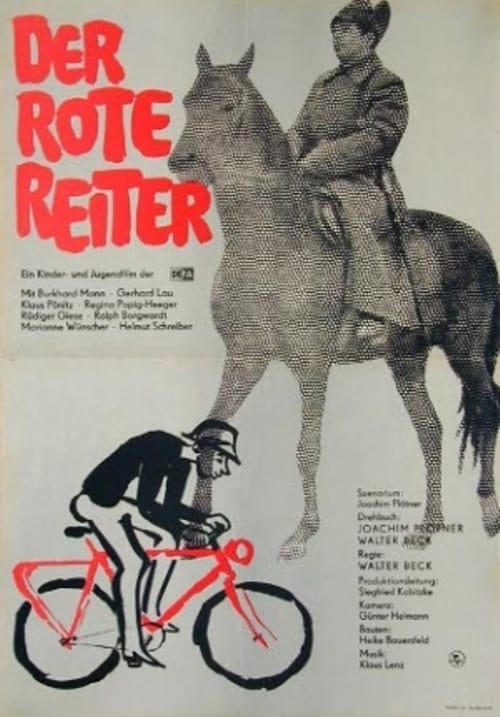
In 1920, Michael, the son of a German laboring man, decides to travel to Russia. As "red horseman" he wants to support the socialist revolution and fight for the welfare of the working class. The journey towards the east turns out to be both a big adventure and a severe ethical test for the young man. He has to escape the German Armed Forces and ends up at a traveling circus where he falls in love with Fanny, a dressage rider. He overcomes the temptation to stay with her at the circus and - after briefly joining a gang of teenage thieves - he eventually boards a ship heading east. Aboard the ship he finds out that the seamen are transporting weapons for the hostile members of the White Army.
The doctor has prescribed Herbert plenty of exercise in the fresh air. Hunting is his new hobby. The pride of his wife Margot has a sudden end when it comes out that leisure activity is anything but hunting passion.
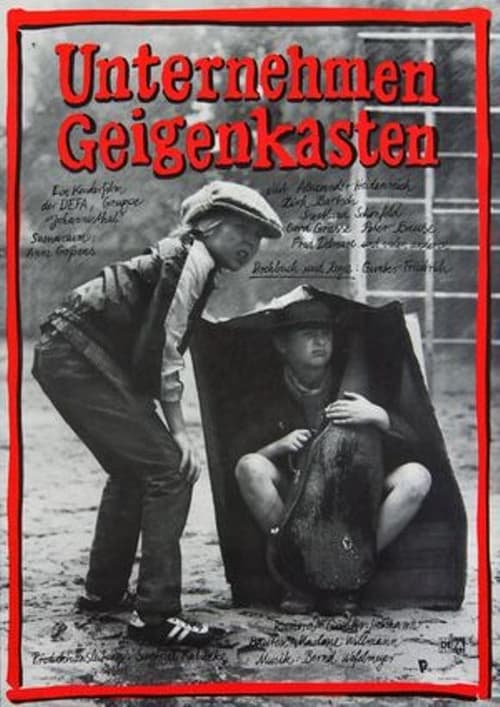
Ten-year-old Ole is full of mischief. He attempts to fly and is hospitalized with a broken leg. When he sees a Sherlock Holmes movie on TV, however, he forgets about the pains and comes up with a new plan. Disguised as Sherlock Holmes and Dr. Watson, he and his friend Andreas start searching for criminals. Soon, the two boys detect their first case. On the street they meet a man wearing a stuck-on beard. The hobby detectives find this very suspicious and decide to follow him.
While life in a provincial town in eastern Germany near the Polish border has virtually come to a standstill, a dynamic young entrepreneur, his wife, and a laconic, resigned dropout strive to make a new start. But their dreams of revitalizing the region with a train station bistro and spa business fade away in (self-)deception, hangovers, and small escapes.