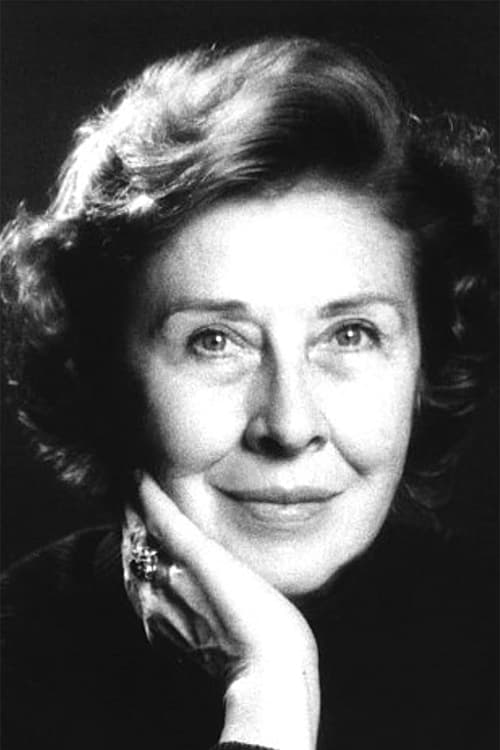
Carmen Mathews
Acting
Known For

Richard Kimble is falsely convicted of his wife's murder and given the death penalty. En route to death row, Kimble's train derails and crashes, allowing him to escape and begin a cross-country search for the real killer, a "one-armed man". At the same time, Dr. Kimble is hounded by the authorities, most notably dogged by Police Lieutenant Philip Gerard.
The Fugitive
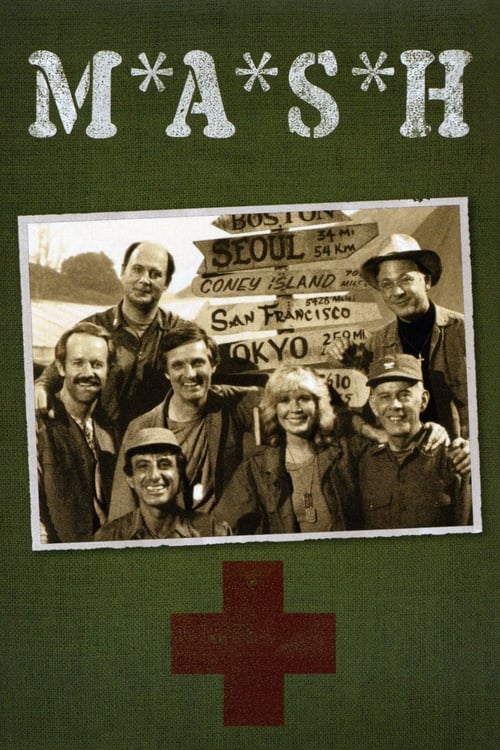
The 4077th Mobile Army Surgical Hospital is stuck in the middle of the Korean war. With little help from the circumstances they find themselves in, they are forced to make their own fun. Fond of practical jokes and revenge, the doctors, nurses, administrators, and soldiers often find ways of making wartime life bearable.
M*A*S*H
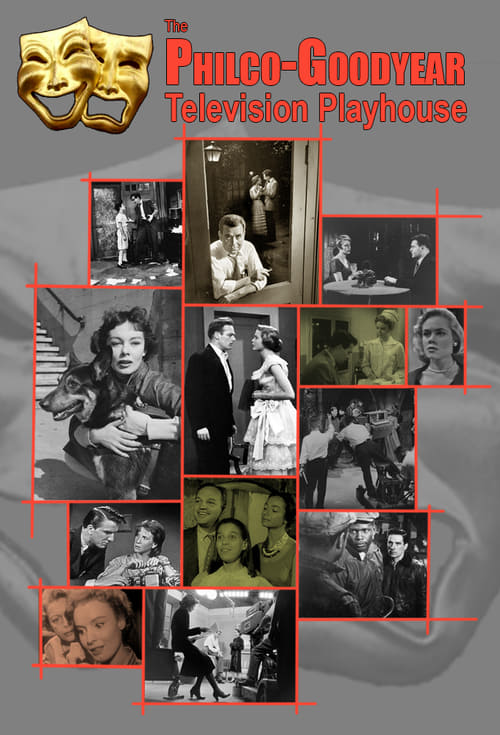
The Philco Television Playhouse is an American anthology series that was broadcast live on NBC from 1948 to 1955. Produced by Fred Coe, the series was sponsored by Philco. It was one of the most respected dramatic shows of the Golden Age of Television, winning a 1954 Peabody Award and receiving eight Emmy nominations between 1951 and 1956.
The Philco Television Playhouse
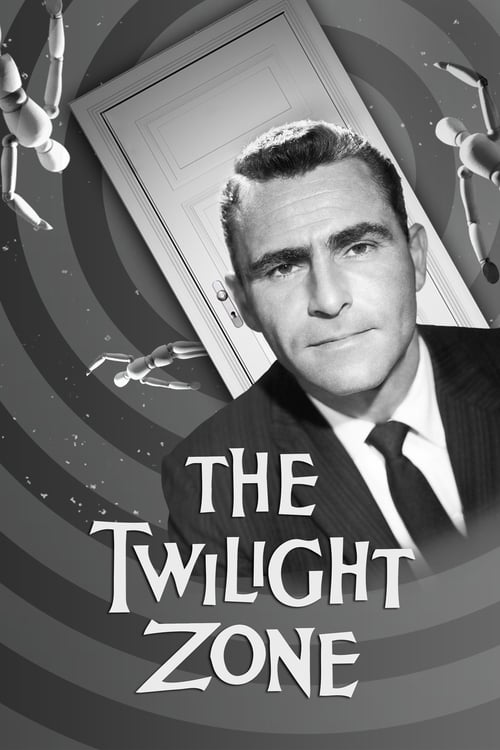
An anthology series containing drama, psychological thriller, fantasy, science fiction, suspense, and/or horror, often concluding with a macabre or unexpected twist.
The Twilight Zone
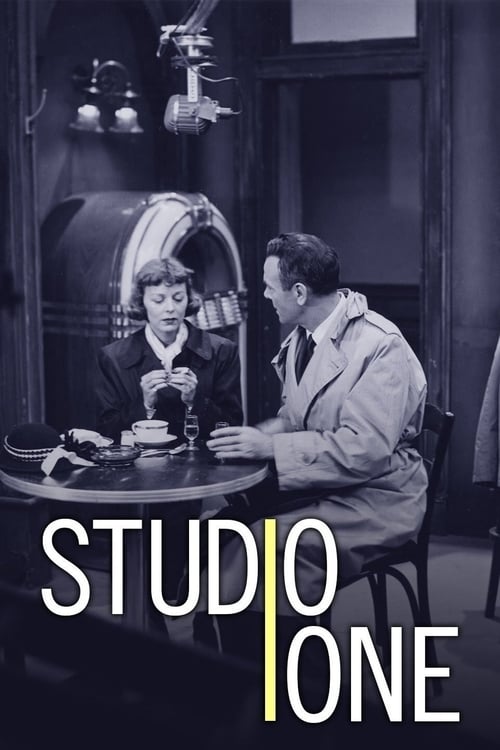
An American radio–television anthology series, created in 1947 by Canadian director Fletcher Markle, who came to CBS from the CBC. Studio One, presented by Westinghouse, was one of the first of the anthology TV programs. The episodes were often abridged remakes of movies from years gone by and many future well-known television and movie actors appeared in the productions.
Studio One
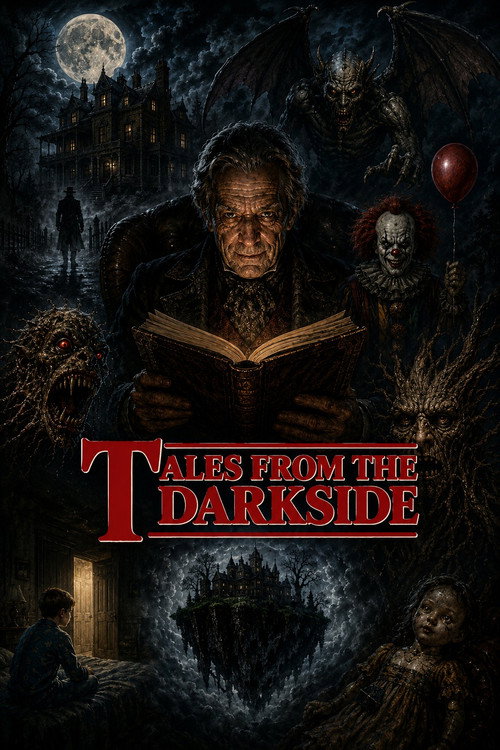
Tales from the Darkside is an anthology horror TV series created by George A. Romero, each episode was an individual short story that ended with a plot twist. The series' episodes spanned the genres of horror, science fiction, and fantasy, and some episodes featured elements of black comedy or more lighthearted themes.
Tales from the Darkside

Omnibus is an American, commercially sponsored, educational television series.
Omnibus
A television anthology series hosted by Alfred Hitchcock featuring dramas, thrillers, and mysteries.
Alfred Hitchcock Presents

Startime, an anthology of drama, comedy and variety, was one of the first American television shows broadcast in color.
Startime
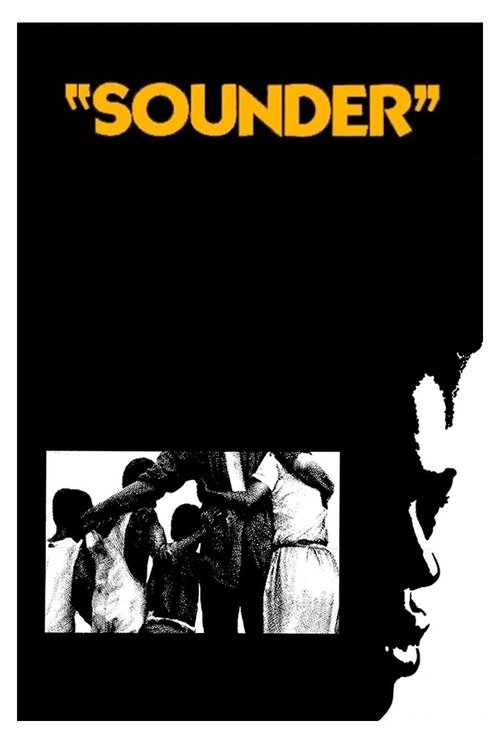
The oldest son of a loving and strong family of black sharecroppers comes of age in the Depression-era South after his father is imprisoned for stealing food.
Sounder
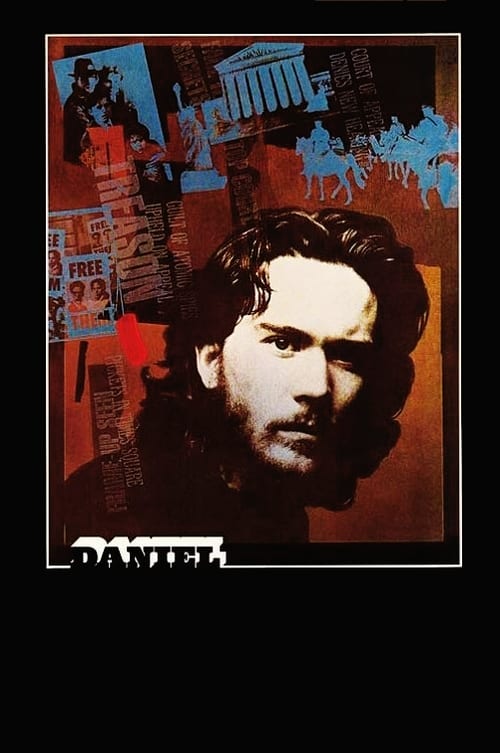
The fictionalized story of Daniel, the son of Paul and Rochelle Isaacson, who were executed as Soviet spies in the 1950s. As a graduate student in New York in the 1960s, Daniel is involved in the antiwar protest movement and contrasts his experiences to the memory of his parents and his belief that they were wrongfully convicted.
Daniel
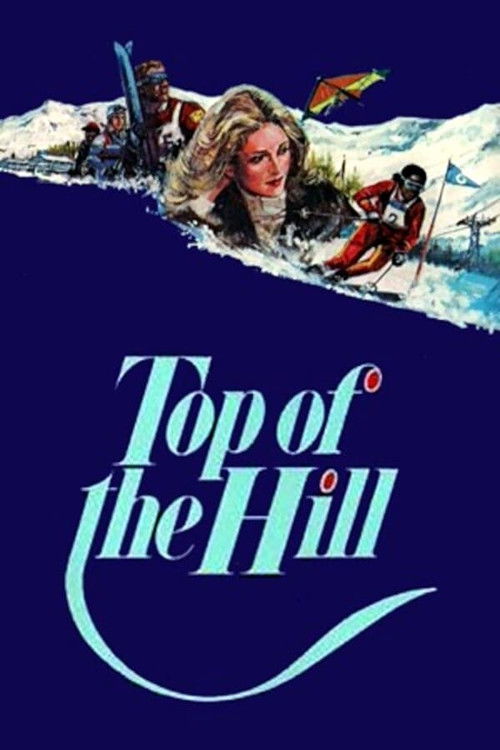
Michael Stone is a rising company executive who decides to chuck his career and marriage to fulfill a fantasy to be a member of the U.S. Olympic bobsled team and partake in the 1980 Winter Olympics at Lake Placid.
Top of the Hill
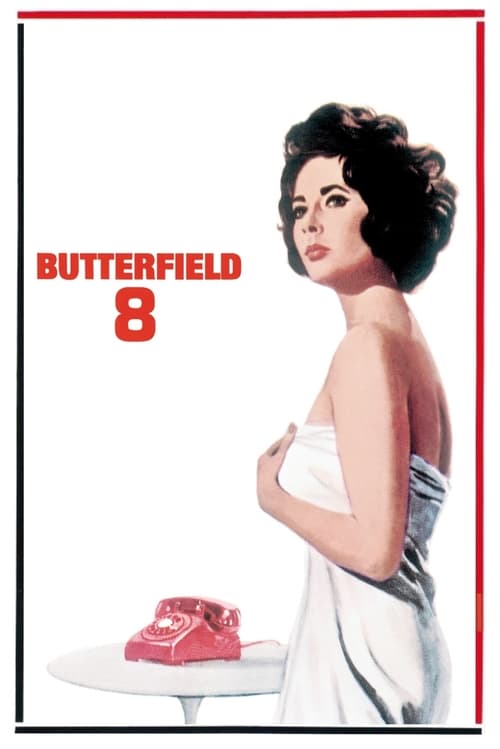
Gloria Wandrous, a promiscuous fashion model, falls in love with Weston Liggett, the hard drinking son of a working class family who has married into money.
BUtterfield 8

A California rancher hires a private detective to deliver the rancher's long-lost daughter to him. However, several people, including the rancher's new wife, his foreman and a crooked sheriff, don't want the girl--who would inherit the rancher's large spread if he died--to make it to the ranch alive.
Charlie Cobb: Nice Night for a Hanging
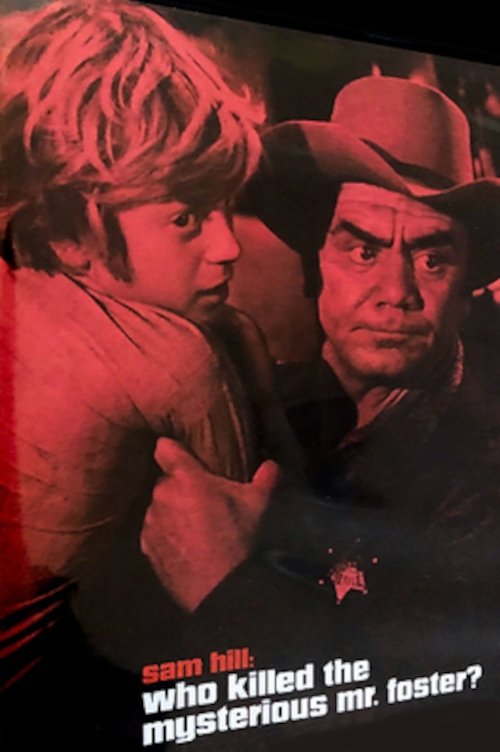
An alcoholic drifter decides to run for sheriff in a small town. However, in order to get elected, he must find out who killed a visiting preacher.
Who Killed the Mysterious Mr. Foster?
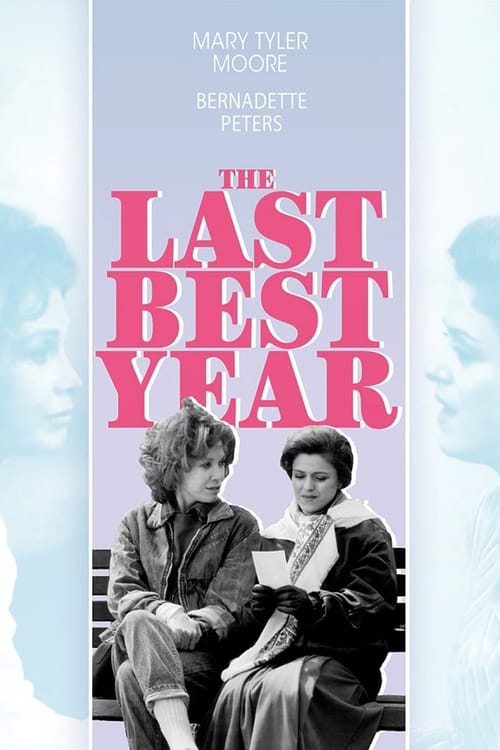
Jane (Bernadette Peters) has a dizzy spell while at home. As her condition does not improve, she consults a doctor who finds that she is very ill and that she has no family to help her through this very trying time. He enlists the help of a therapist (Mary Tyler Moore) who is very hesitant to become involved in this case due to the loss she suffered as a young child. As her condition deteriorates, Jane learns how to come to terms with her past as does her therapist.
The Last Best Year
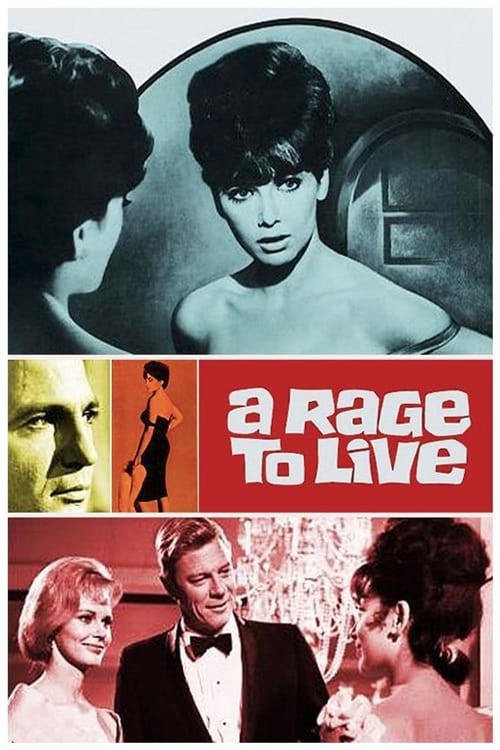
Grace Caldwell, a young Pennsylvania newspaper heiress living with her widowed mother, has trouble restraining herself when it comes to the amorous attentions of young men. As word starts to spread about her behavior, Grace becomes a major source of heartache for her mother and a big source of concern to her brother.
A Rage to Live
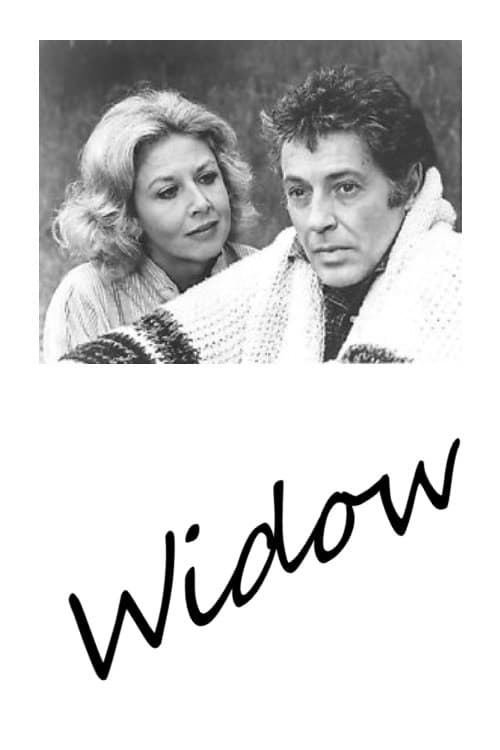
A woman is left on her own to raise her two children after the unexpected death of her husband.
Widow
Harry "Rabbit" Angstrom comes home one day from his dead-end job to find his pregnant wife Janice asleep, splayed in front of the TV, highball glass in hand. After a moment's contemplation, he decides to leave. Taking his coat and car keys, he's off and running on a rambling, aimless journey.
Rabbit, Run

A small-town district attorney is saddled with several major investigations, including a gambler's murder and a possible insurance scam.