John Hughes
Directing
Known For

A feature documentary about opera singer Tiriki Onus who finds a 70-year-old silent film believed to be made by his grandfather, Aboriginal leader and filmmaker Bill Onus. As Tiriki travels across the continent and pieces together clues to the film’s origins, he discovers more about Bill, his fight for Aboriginal rights and the price he paid for speaking out.
Ablaze

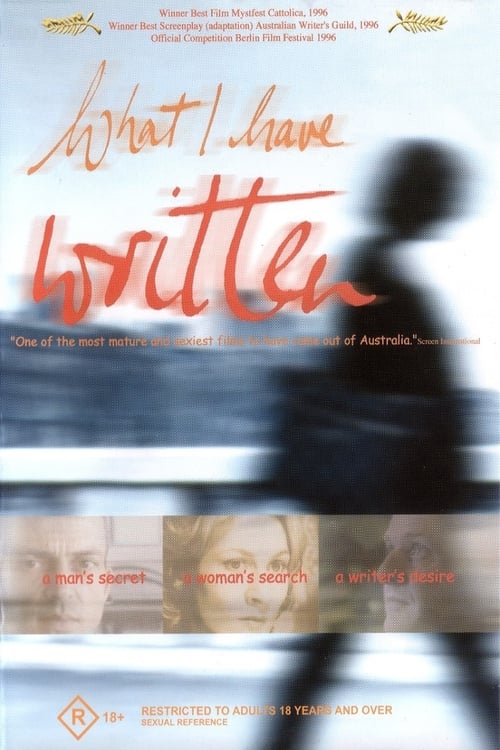
Truth and fiction collide when sexual obsession leads to betrayal. A voyage of discovery realigns subject, object and victim - things are not always as they seem.
What I Have Written

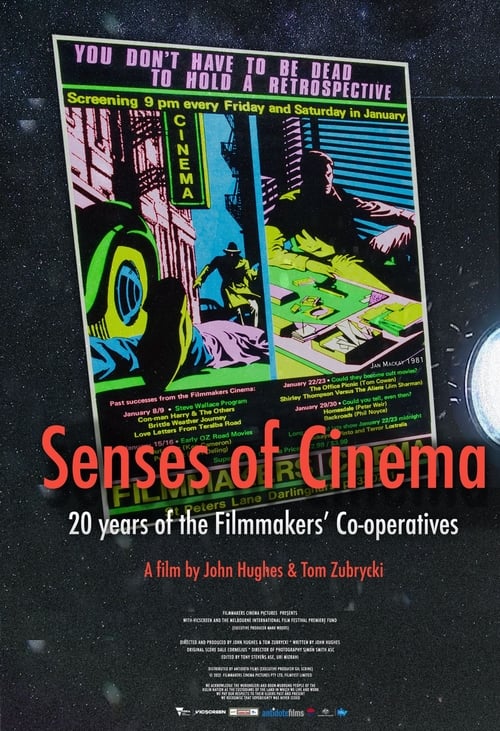
As notions of civil rights transformed across the world, so was the screen landscape reformed by the ascension of grassroots film movements seeking to challenge the mainstream. Some aspired to push form to its limit; others worked to destabilise what they saw as a homogenous industry, or to provoke questions around gender, sexuality, migration and race.
Senses of Cinema
During the height of the Cold War, the Waterside Workers' Federation Film Unit produced eleven (11) films for several trade unions on political and industrial issues. Independent film-makers worked with them to develop critical dialogue from one generation of concerned film-makers onto another. FILM-WORK looks at sequences from 4 of these films and interviews some of their makers, raising a diversity of issues pertinent to current debates in film, history and politics. The 4 films that are looked at are PENSIONS FOR VETERANS (1953, NSW Branch, WWF), THE HUNGRY MILES (1954, WWF), NOVEMBER VICTORY (1955, WWF), and HEWERS OF COAL (1953, Miners Federation). PENSIONS FOR VETERANS covers the issue of the need for pensions to be given to workers who have worked on the waterfront all their life. THE HUNGRY MILES shows the strength of the workers, the union and its democracy. HEWERS OF COAL is about the coal miners and their struggle to get better working conditions and pensions.
Film-Work

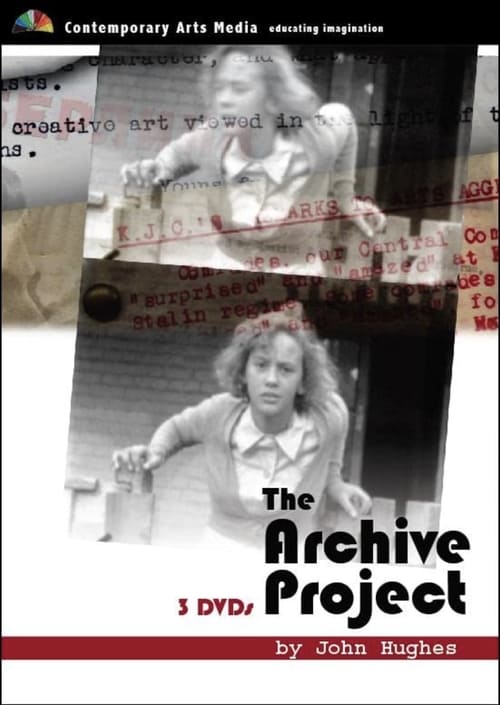
In the context of Australia's cold war a 'hidden history' of Melbourne's Realist film movement (1945-1959) is explored through the first person account of a filmmaker of another generation, speaking to the 'indy-media' movement of the present day.
The Archive Project

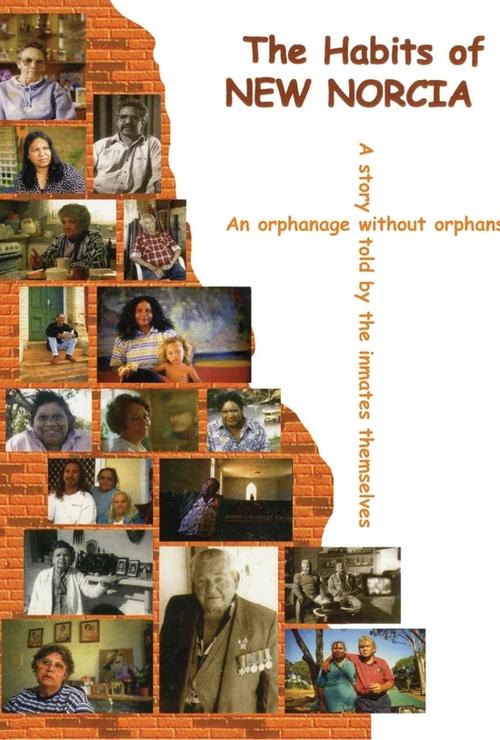
The stories in The Habits of New Norcia are told by former Western Australian Aboriginal child 'inmates' of the New Norcia Benedictine Mission who were separated from their families in the 1940s, 50s and 60s and confined in this "orphanage without orphans". In recent decades the New Norcia Monastery has been packaged as one of the State's leading cultural tourist attractions. "A unique blend of Spanish architecture, European art treasures and pioneer history," "Monks, Music & Mystery," "New Norcia, Australia's only monastic town," the brochures announce. Aboriginal testimony in the film challenges this revised and sanitised history. The documentary provides damming evidence of the continuing violence of the Mission against its victims by deliberate omission of their experience in the New Norcia museum, guided tours, art gallery and promotions — an omission that represents a cruel and wounding cover-up.
The Habits Of New Norcia

Partly funded as a Bicentennial commission through the University of Queensland Art Museum and the ABC, Hughes’ speculative, essayistic documentary is an examination of the future of Australia in light of the processes of post-industrialisation, Walter Benjamin’s ruinous “angel of history” and Marx’s quixotic vision of modernity.
All That Is Solid

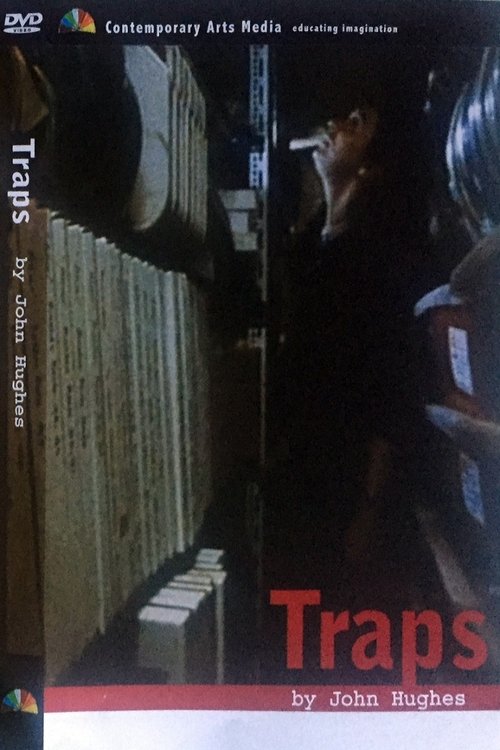
A film that is built around a simple narrative about the concerns of a reporter in public radio whose work takes her from the tele-room in March '83 when the present Labor Prime Minister Bob Hawke came to power, to the biennial Labor Party Conference and through to the elections in Dec. '84. Traps throws up a host of questions and leads on the nature of power and politics.
Traps

Revisits the making of Joris Ivens' 1946 film Indonesia Calling! In 1945-46 Indonesian, Indian, Chinese and Australian Trade Unions blockaded Dutch shipping in Australia, defending the newly declared Republic of Indonesia. Dutch Filmmaker Joris Ivens resigned as Film Commissioner for the Netherlands East Indies and made Indonesia Calling! documenting the trade union actions and supporting Indonesian independence. This documentary revisits the making of Ivens' radical film, Australia's early relationship with Indonesia and the impact of Ivens' film. Made with passionate commitment, Ivens' film provoked a covert response from the state, while helping to create a fertile ground for Australian independent documentary.
Indonesia Calling: Joris Ivens in Australia

Peter Kennedy's collaborative video 'November Eleven' (1979), made with filmmaker John Hughes, portrays media coverage of the dismissal of the Whitlam Government in 1975 in Australia and the political and social upheavals that ensued.
November Eleven

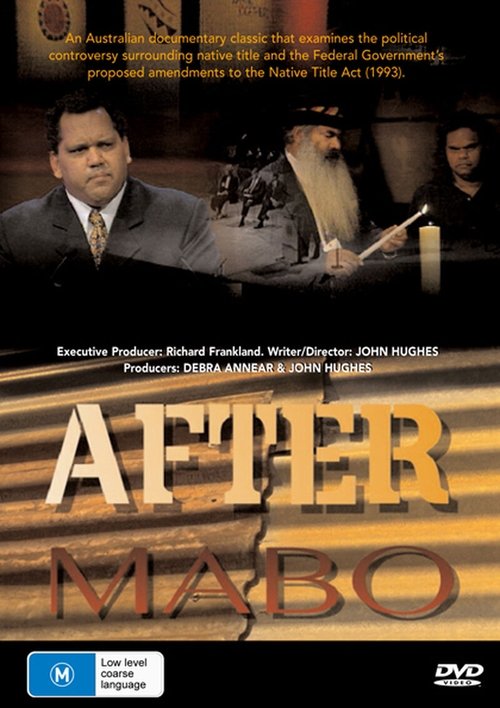
Filmed over a ten-month period throughout Australia, this probing documentary examines the political controversy surrounding Native Title and the Australian Federal Governments proposed amendments to the Native Title Act, 1993. It follows the Indigenous representatives in their attempt to fight the amendments in the media, in the bush, and in the halls of Parliament House, Canberra.
After Mabo
Walter Benjamin is one of the most influential thinkers of the 20th century, yet his work is relatively unknown to many. One Way Street is both an exposition of Benjamin’s ideas and a search for Benjamin the man in locations as diverse as the academics of Moscow, the bookstores of New York, Parisienne arcades and the cemetery in a Spanish costal village that has become a place of pilgrimage for Benjamin devotees.
One Way Street: Fragments for Walter Benjamin

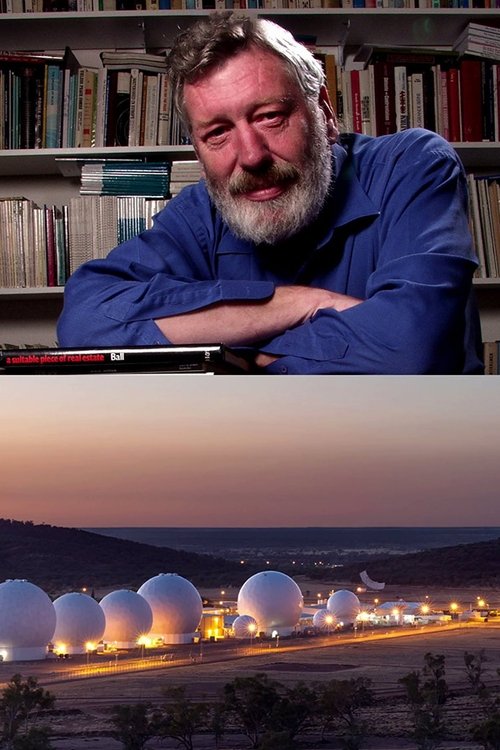
Hailed by former US president Jimmy Carter as “the man who saved the world”, Ball was an ‘insurgent intellectual’ who emerged as a key figure in the turbulent political landscape of the Cold War. The Australian scholar and security expert’s theories on the fallacy of nuclear action and his advice to the US Department of Defense played significant roles in the de-escalation of global conflict during the 1970s, while his investigation of controversial US military base Pine Gap during the 80s enraged ASIO – which kept a security file on him. After the fall of the Berlin Wall, Ball offered guidance on signals intelligence in Burma and Thailand, and his work in East Timor gave the public a taste of secrets the government would prefer to remain hidden.