
Margot Nash
Directing
Biography
Margot Nash is a New Zealand-born Australian screenwriter, director and script editor.
Known For

A beautiful sexy DJ is forced to run when she stumbles on a stash of cash. Can she keep the money, conquer her demons, AND get the girl?
All About E
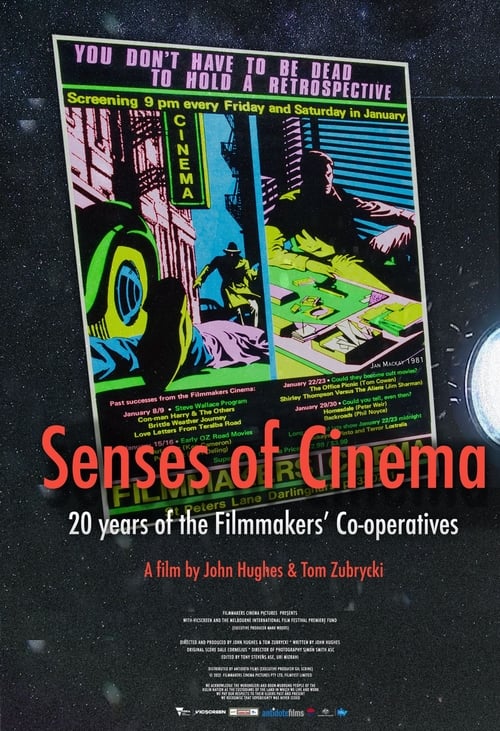
As notions of civil rights transformed across the world, so was the screen landscape reformed by the ascension of grassroots film movements seeking to challenge the mainstream. Some aspired to push form to its limit; others worked to destabilise what they saw as a homogenous industry, or to provoke questions around gender, sexuality, migration and race.
Senses of Cinema
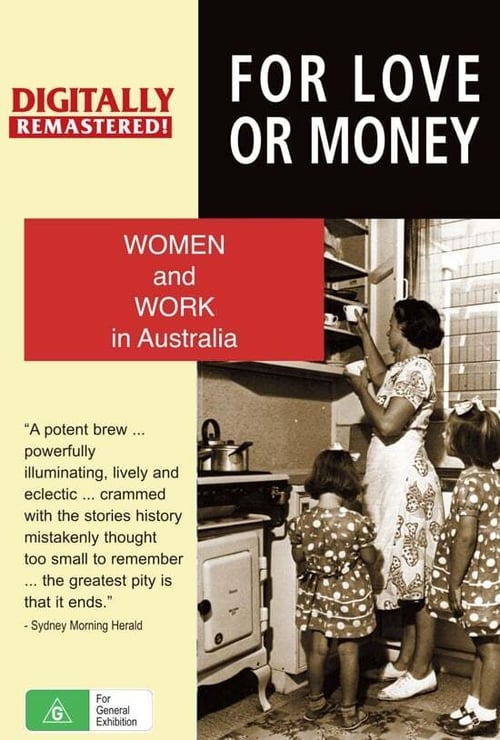
Using almost totally historical material, For Love or Money encompasses the role of Australian women in both paid and unpaid work, over a 200 year period.
For Love or Money
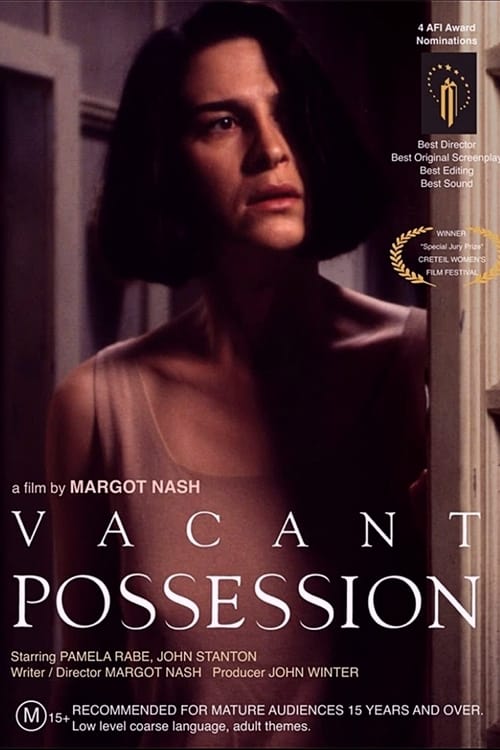
Following the death of her mother, a young woman returns after many years to the weather-beaten family home on the shores of Sydney's Botany Bay. But the old family home begins to bring old wounds more and more to life. The story unfolds through flashbacks yet as it progresses the flashbacks merge into the present as it becomes apparent that the situation Tessa has returned to is very much the result of that which passed before.
Vacant Possession
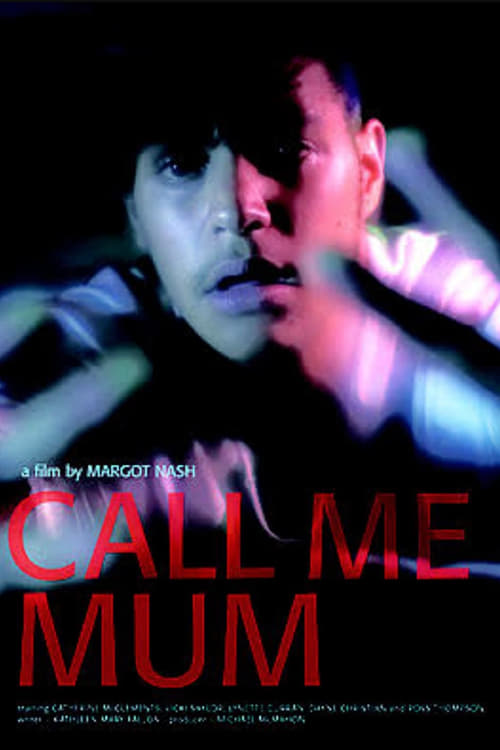
Kate is on a plane taking Warren, her 18 year old Torres Strait Islander foster son, to meet Flo, his birth mother, who is gravely ill in hospital in Brisbane. Flo hasn't seen Warren since she took him to the hospital on Thursday Island when he was a toddler and the white authorities took him away. But as Warren, Flo and Kate all prepare themselves for the reunion, unbeknown to them, Kate's Brisbane based parents, Keith and Dellmay, are planning a different kind of reunion.
Call Me Mum
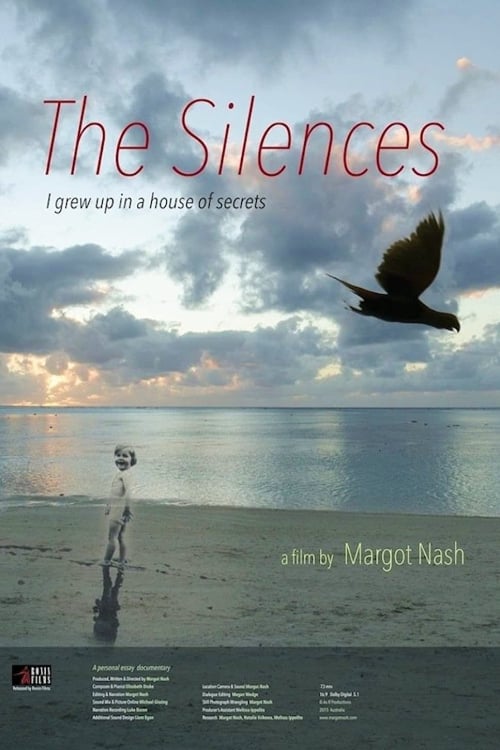
New Zealand-born Margot Nash scrutinises the memories and mementoes of her childhood to understand the unhappiness of her parents, and the corrosive instability of the household from which she fled as a young woman in the early 70s.
The Silences
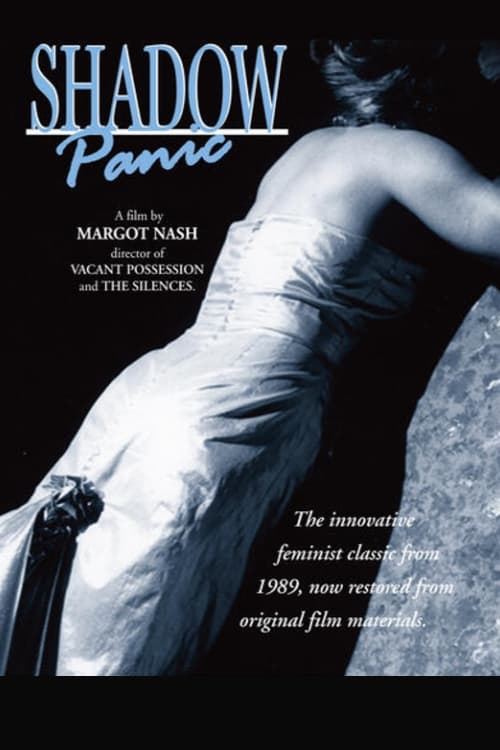
Three women appear connected in this short experimental drama about internal and external states of emergency, about personal and collective shadows, about resistance and spirit.
Shadow Panic

Made from reimagined/recycled images and sounds from the filmmaker’s archive and other found materials, Undercurrents is a poetic essay documentary about the undercurrents of history playing out in the present. It is also (at its heart) about the power of resistance.
Undercurrents: Meditations on Power
During the height of the Cold War, the Waterside Workers' Federation Film Unit produced eleven (11) films for several trade unions on political and industrial issues. Independent film-makers worked with them to develop critical dialogue from one generation of concerned film-makers onto another. FILM-WORK looks at sequences from 4 of these films and interviews some of their makers, raising a diversity of issues pertinent to current debates in film, history and politics. The 4 films that are looked at are PENSIONS FOR VETERANS (1953, NSW Branch, WWF), THE HUNGRY MILES (1954, WWF), NOVEMBER VICTORY (1955, WWF), and HEWERS OF COAL (1953, Miners Federation). PENSIONS FOR VETERANS covers the issue of the need for pensions to be given to workers who have worked on the waterfront all their life. THE HUNGRY MILES shows the strength of the workers, the union and its democracy. HEWERS OF COAL is about the coal miners and their struggle to get better working conditions and pensions.
Film-Work

Women's unwritten history is passed down through memories. Shows women talking about their experiences of the Great Depression in Australia. Covers such areas as: aboriginal women; paid and unpaid work; mothering; marriage; women's participation in the political struggles of the 1920's and 30's.
Bread and Dripping
Death is a taboo subject but not in this stylised documentary about those who "make a living out of dead bodies".
Body Work
Teno looks at a widespread workplace illness, tenosynovitis - a crippling and often misunderstood disease. The nature of modern work practices can inadvertently lead to the illness, which mostly strikes women, since they predominately work in jobs requiring repetitious activity. This is especially evident among migrant workers. The program also considers the responsibility of both employers and employees.
Teno
A wild and unruly landmark feminist film about female sexuality, that not only touches the areas of paranoia, fear and doubt, which women experience in relation to their bodies and physical self-image, but which is also joyful, erotic and funny.