Acting
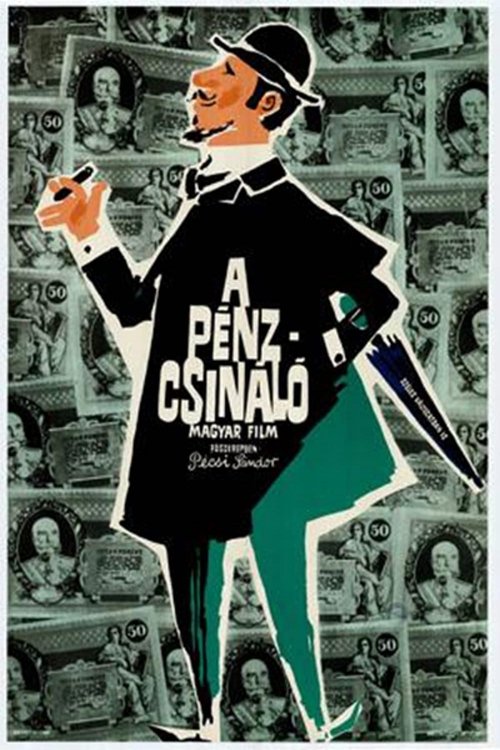
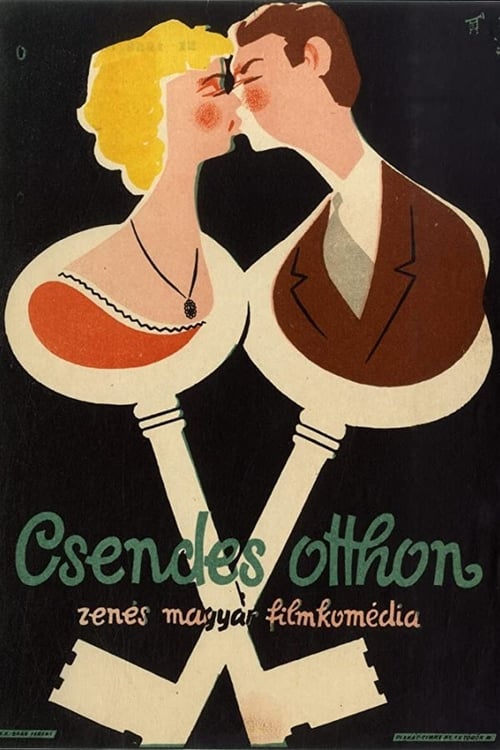
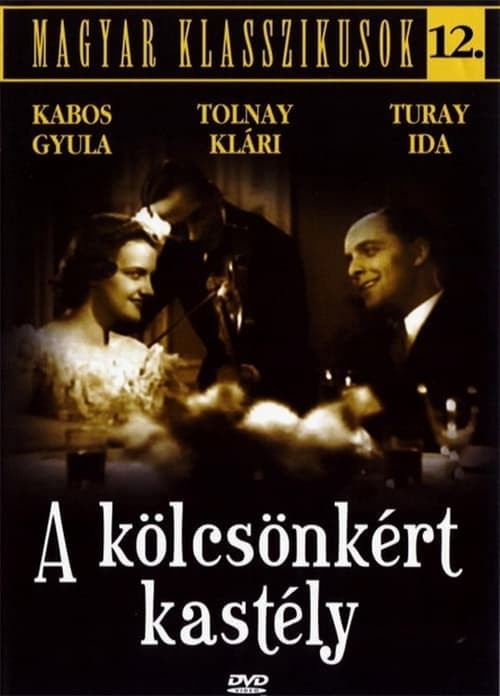
This film comedy takes place in the good old times of the Austro-Hungarian Monarchy at the turn of the century. Bányai, an impecunious clerk suddenly finds himself to be able to make perfect imitations of ornaments on the bank-notes. Being spurred by his incessantly shrewish mother-in-law, he finds a solution to his family's financial problems overnight, but an ambitious detective becomes suspicious of him.
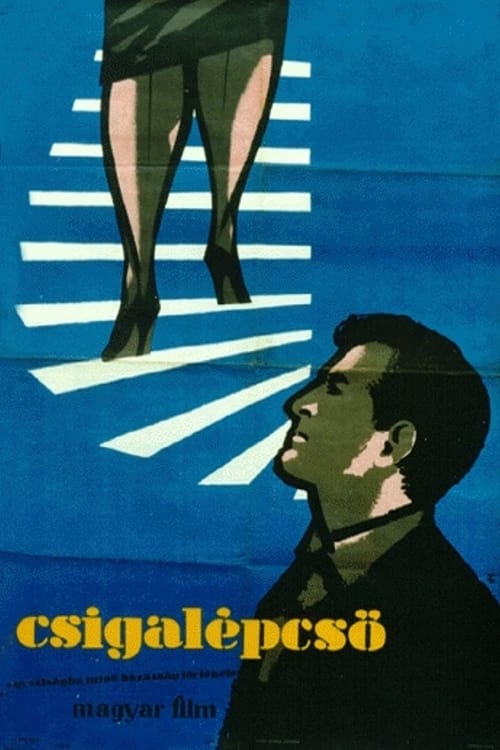
The film is an interpretation of everyday life and privacy as well as the first love-triangle story after 1945. Benkő Lajos, the country librarian, is stationed in the capital. In lack of a suitable apartment, his wife and children have to stay in the country.
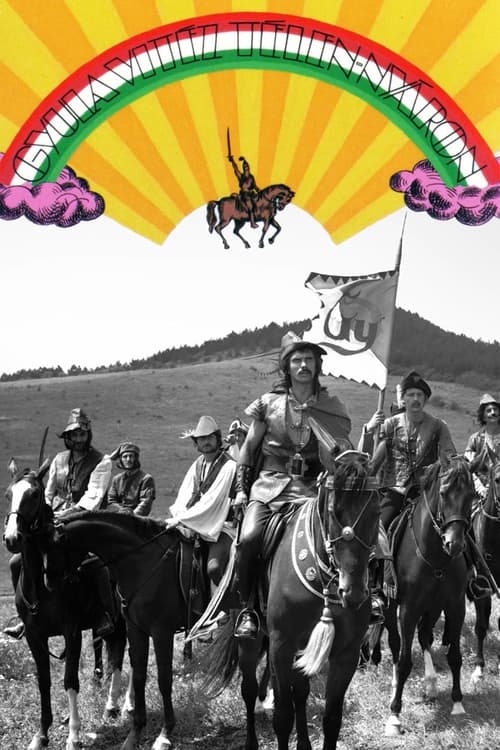
This mocking criticism of public life and the media focuses on a TV series. The protagonist of the film, depicting the battles fought for Hungarian castles during the Ottoman occupation, is chosen to be the amateur Prohászka Feri, a worker in the beer-factory.
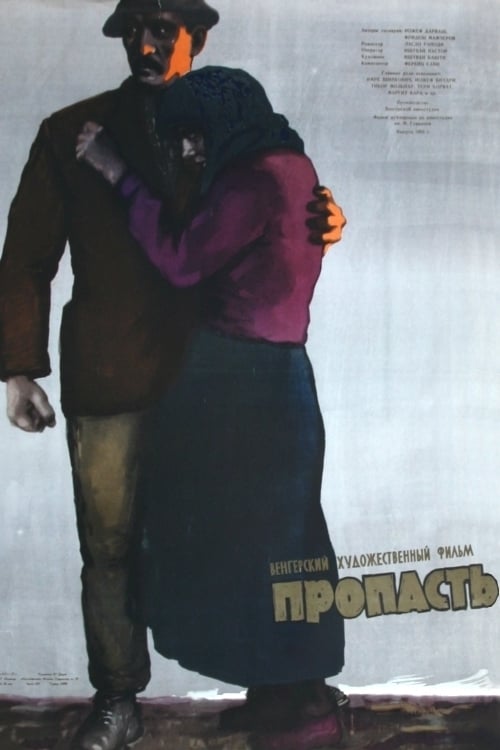
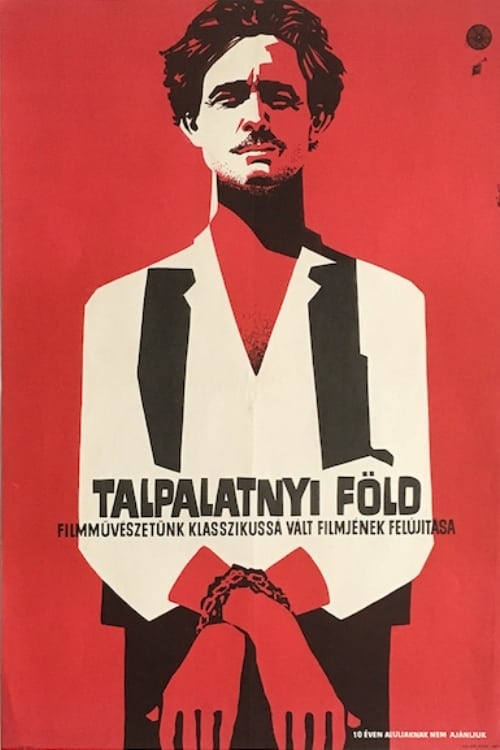
Nagy István, the formerly poor peasant boy returns to his native village as a teacher. His conviction is that the abyss between rich and poor can be diminished by good will. The rich Böröcz Horváth Klári returns his love, and also Böröcz Horváth is willing to help the poorest family, the Bakos. Bakos Jóska, who was sent to serve the tough Böröcz Horváth as a payment, dies of an infected wound and the people in the village hold the teacher liable as well. Nagy István realises, that the abyss cannot be ceased, what is more, it is impassable. He breaks up with his fiancée and stands by the side of the poor.
No description available.
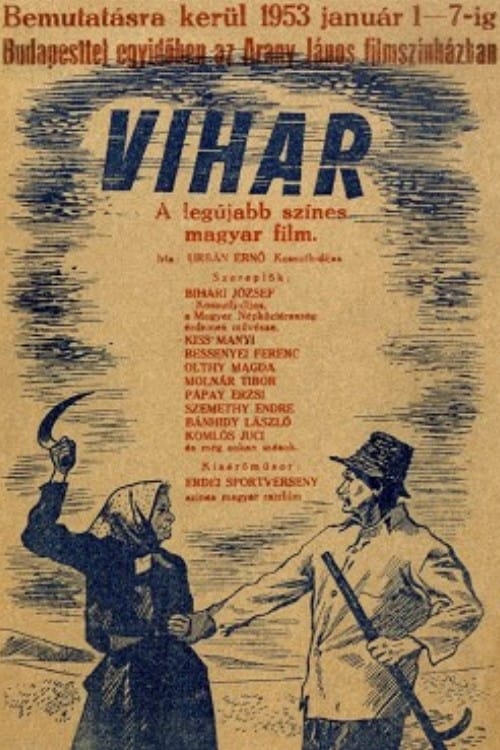
Vörös Hajnal (Red Dawn), a co-operative is the venue of skylarking, while the storm destroys the wheat which is to be harvested soon. Árendás, a middle-peasant, voices severe accusations against members of the co-operative: out of negligence, they failed to keep the ditches clean. It is always the soft option they seem to favour, while the necessity of properly taking care of the farmlands is long-forgotten. Members of the co-operative and the village people are deeply divided.
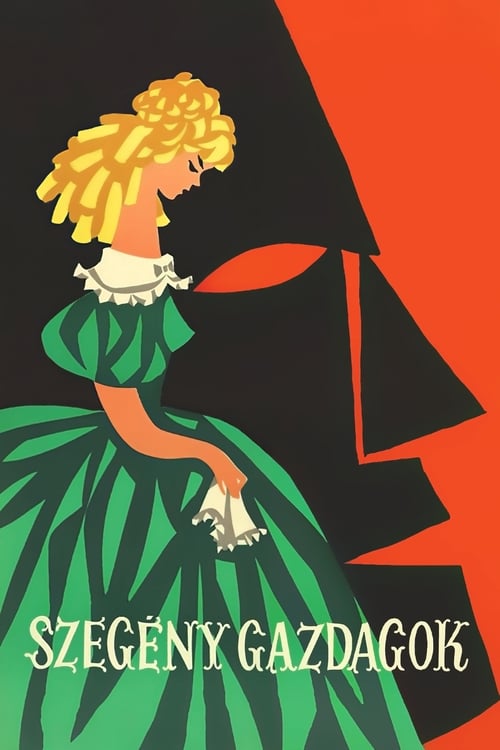
The old, sickly Demeter Lapussa is a tyrant in the family. He forces his granddaughter, the beautiful Henriette, to marry baron Hátszegi, although the girl loves the penniless Vámhidy Szilárd. The two lovers attempt to commit suicide, then are torn away from each other.
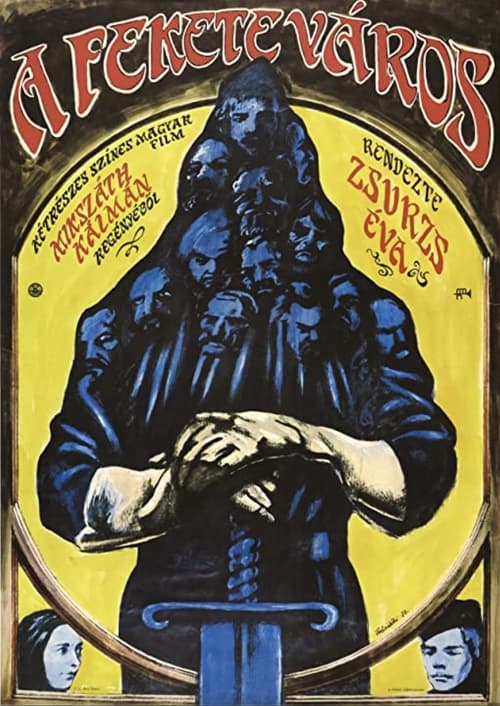
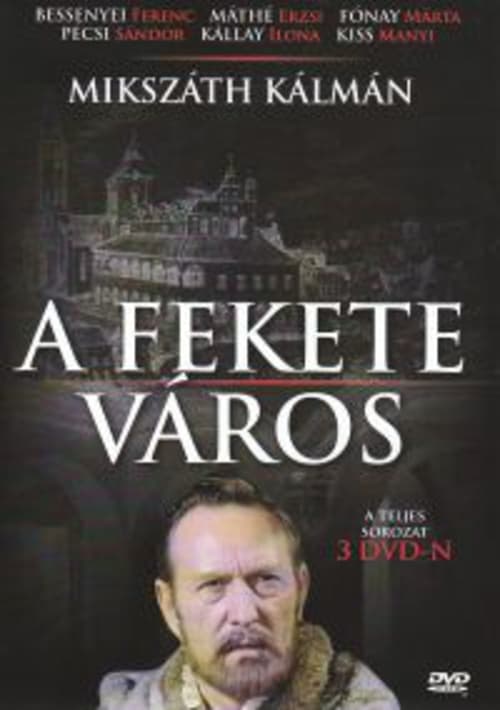
Feature film version of the 1971 series. On the eve of the 18th century, County Vicecomes Görgey Pál broods alone in his manor while the town of Leutschau celebrates New Year’s with lead‐casting omens and a disastrous hunt that sparks a bitter feud. As Görgey fights for his honor and life, and the townspeople defend their Saxon privileges, their mutual blind ambition prevents them from seeing the rising light of Rákóczi’s coming rebellion.
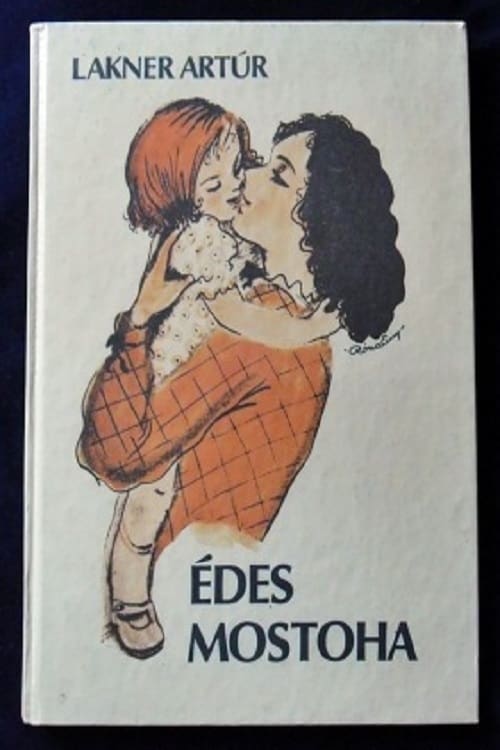
The child's must have a mother! - This is the doctor's instructions, and a young widow will do everything so that little girl's mood will change.
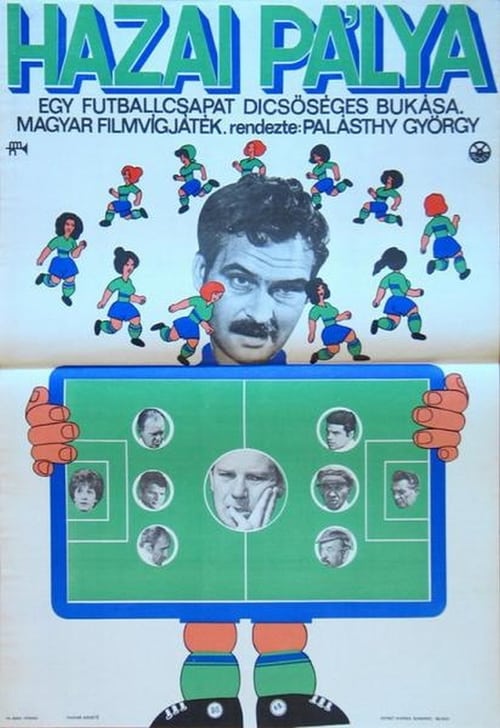
This ironic comedy is set in the god-forsaken Kiskúnbékás, at the end of the fifties. There are no jobs, the town's "golden team", who once were third class national soccer players have scattered
The composer Berki András, in his co-tenancy noisy with the barking of dogs and the hullabaloo of children, is unable to compose the new song for his fiancée, the singer, although the premiere is near. He cannot believe his eyes as he sees the official decision that he will soon get an apartment on his own. Yet his joy is soon over. The pharmacist Ács Éva arrives with identical documents. The situation which evolves as a result of the new co-tenancy forces them to cover up things before their partners.
Hungarian mini-series.
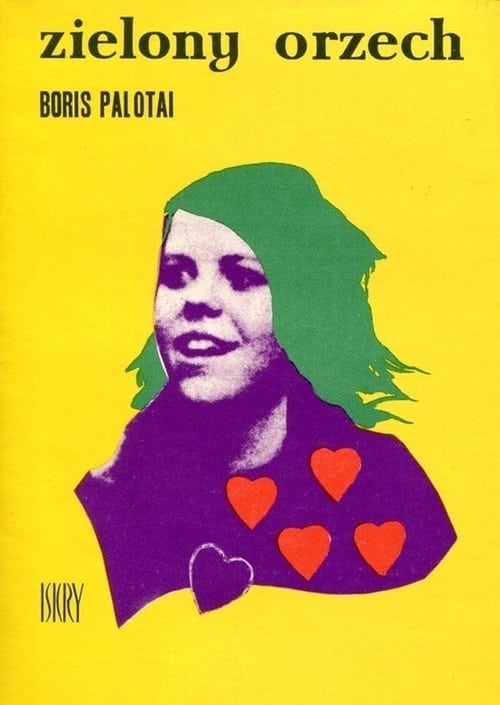
The TV film based on the novel by Boris Palotai is the story of a teenage girl's coming of age.
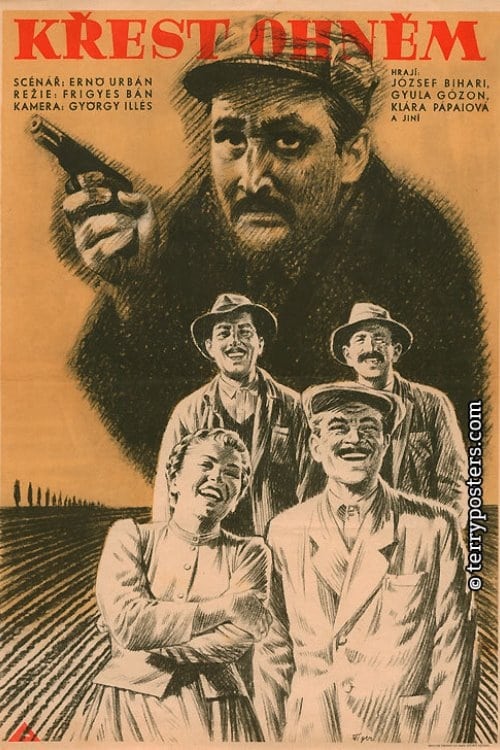
This propaganda film from the early years of socialist transformation in Hungary depicts kulak sabotage in production cooperatives. The prosperous peasant Ignatz Hato, one of the best farmers in the village, joins the Two Octobers cooperative, and soon all the small peasants follow him. The village rich, led by Lili Sohar, watching the great expansion of the cooperative, try to break up the cooperators with each other. Sohar's attempt bears fruit and Hato leaves the cooperative. Next, Lili Sohar tries to convince Ignatz Hato that she is planning to create a rival team of new rich people and urges him to join her. Ignatz refuses and does not give in to the blackmail. Lili's lover, a former gendarme, shoots party secretary Bozhine. At the wounded Božine's bedside, Ignác admits his mistake and asks to be accepted back into the cooperative. Sándor, the president of the cooperative, realizes that the collective should not prevent those who want to work honestly from joining.
A 1936 Hungarian drama film, directed by Béla Pásztor and starring Gyula Csortos, Ferenc Kiss, and Júlia Komár.
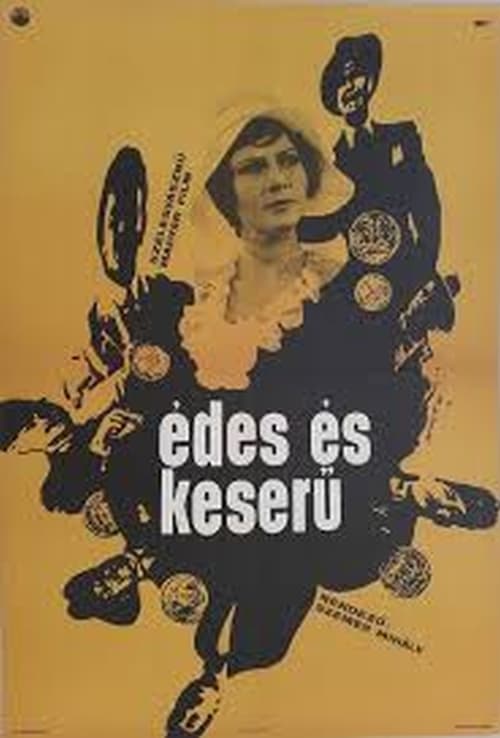
At the beginning of the thirties the sour, boring life of the Hungarian small town is enlivened by a charity action: with the lead of the beautiful wife of the attorney funds are raised for the orphans.
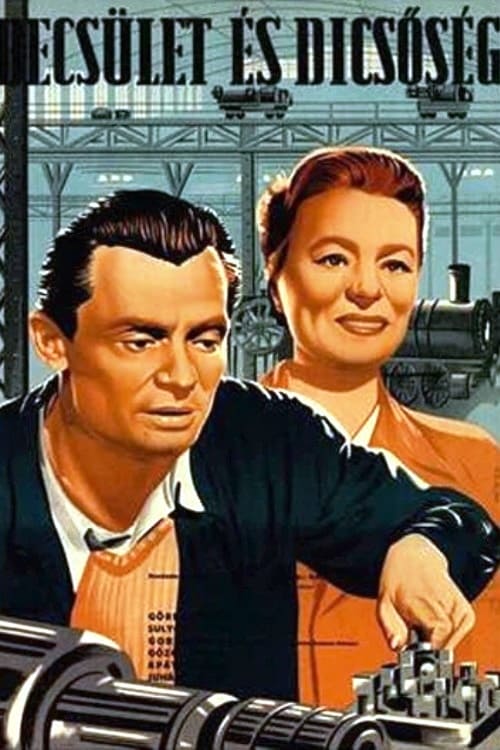
Lugosi works in the locomotive factory, earning little. He does not feel at ease in the world. One reason for his discontent is that his wife - a tractor factory worker - earns more than he does, and another is that she has even had her innovation accepted, while his has not. And because trouble doesn't come alone, poor Lugosi gets involved in a sabotage case.
Among the Gruber family, the rumor spreads like wildfire that their wealthy American relative, Menyhért Gruber, is visiting Hungary with his daughter, Mary. Various plans are devised to exploit the rich relative. The boldest of them all is the plan of Bálint Koltay, who directly pursues Mary's hand. However, the young ones fall in love with each other so deeply that Bálint stands by Mary even when the "wealthy" Gruber informs him that he's bankrupt. At this point, the only thing left to arrange is for Bálint, who poses as a landowner, to actually present a noble castle to his future father-in-law.
Hungarian TV Movie based on an idea by Romain Gary.
In 1905 Hungary, a young village woman has just undergone a marriage to the spoiled son of a man to whom her father is indebted, in order that the debt be cancelled, only to be spirited away by her true love, a young peasant, by whom she soon becomes pregnant. Together they attempt to find a way to buy up her father's debt and also pay for a divorce from her husband, against various odds.