Acting
Polizeiruf 110 is a long-running German language detective television series. The first episode was broadcast 27 June 1971 in the German Democratic Republic, and after the dissolution of Fernsehen der DDR the series was picked up by ARD. It was originally created as a counterpart to the West German series Tatort, and quickly became a public favorite.
Christine is a young farm worker in a small village in post-war Germany. Her attempts to improve her situation through further education are hampered by frequent pregnancies arising from ill-fated relationships.
Edith and Wolfgang have led a fairly harmonious family life for many years, together with their son Danilo. Edith has long since got over Wolfgang's infidelity twelve years ago, which resulted in a daughter. Every now and then he visits 12-year-old Sandra, simply fulfilling his fatherly duties. But suddenly the girl appears at the door.
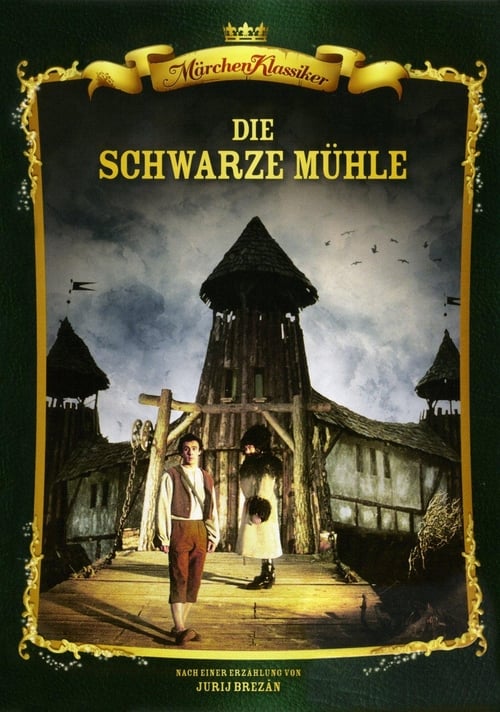
Driven by need and a thirst for knowledge, Krabat wanders through the impoverished country and falls under the control of the "black miller". Krabat defends himself against him, but his opponent still has the stronger means of power.
Philipp, a closeted teacher, is dating a female colleague to keep up appearances. One night he stumbles into a gay bar and falls for a man. Transformed by this love, he is no longer afraid to face up to who he is.
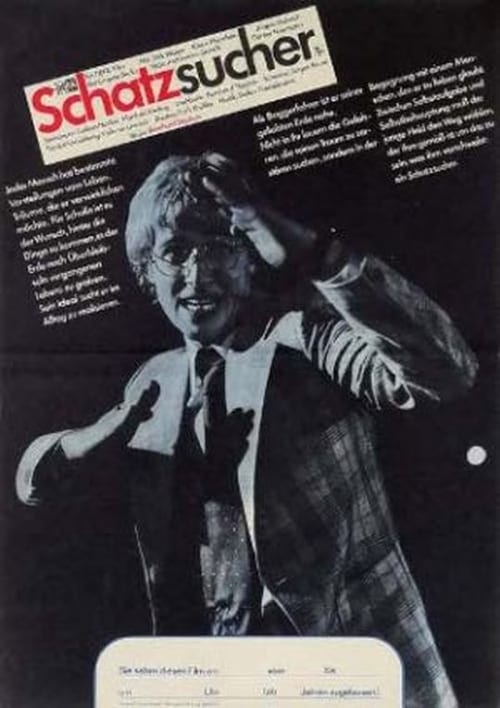
The 18-year-old construction worker Schultzendorf, known as Schulle, sets off for Berlin from his home town of Ankershagen. He is taken with the Marzahn construction site. He dreams of making archaeological finds there. He searches every excavator load for treasures, which not only earns him ridicule, but also the anger of his colleagues because he delays the work. They try to change his mind and get him a wife. This fails, but Schulle finds one himself - the slightly older Helga, who needs his help to get away from her divorced husband. Once she has succeeded in doing so, she breaks away from Schulle, whose youthful impetuosity unsettles her.
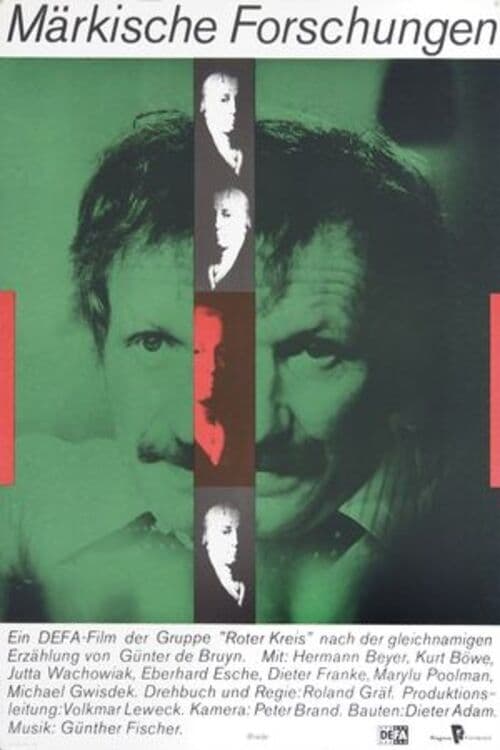
On a forest road in the Brandenburg March, village teacher Potsch accidentally encounters the distinguished Professor Menzel, who got stuck there in his car. In the conversation that ensues, Menzel and Pötsch quickly discover that they both are great admirers of the early 19th-century writer Max von Schwedenow who was born in the area.
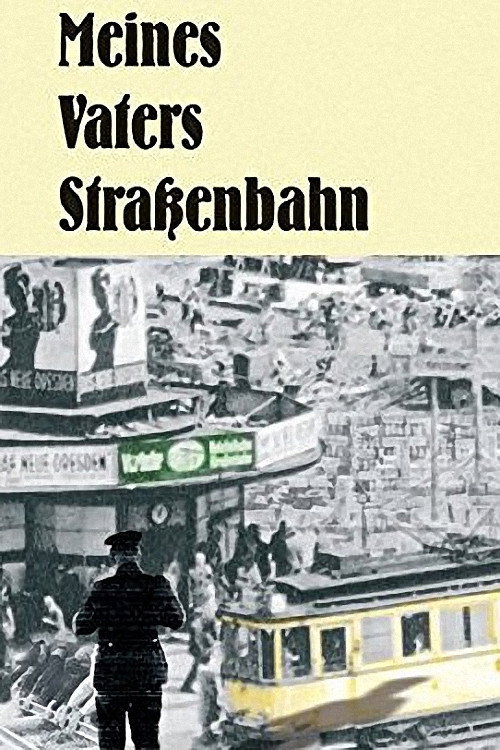
Ralph grows up in pre-war Dresden as the eldest son of a principled and orderly streetcar conductor. With the rise to power of the Nazis, the war, the collapse and the hesitant new beginning, his firmly established middle-class world is also thrown off course. His father is one of the first to be called up to the front. His mother is left alone with the responsibility for Ralph and his younger brother Achim. In the air-raid shelter, during the nights of bombing and later in the daily struggle against misery and hunger, the mother quickly abandons all moral baggage and develops a pragmatic will to survive, for which she admires Ralph. At the same time, the boy is frightened by his mother's desperate claim to happiness because he perceives her affairs as a betrayal of his father, who has gradually faded into a symbol of a happy, carefree childhood.
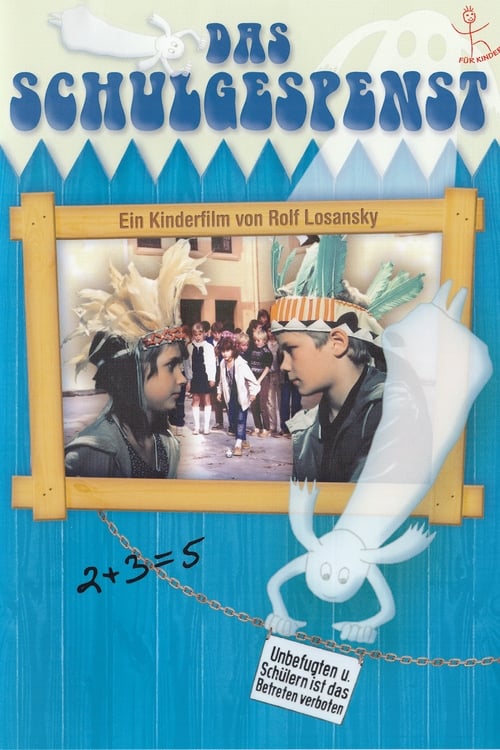
Carola is a mischievous girl who doesn't care much for school- except for sports and recess, of course. Without her good friend Willi to keep her on the straight and narrow, she would really be in trouble. One day at school, Carola has an idea. She invents what she calls "International Ghosts' Day" and a ghost named "Buh" to go with it. When Buh turns out to be less-than-imaginary the two decide to switch places, with Buh taking on all the schoolwork, and Carola taking the opportunity to play practical jokes on all her friends...
A film about the historical uprising of the seamen in Kiel: During the Russian October Revolution of 1917, German and Russian soldiers start to solidarize with each other. By disarming the officers, machinist Henne Lonke and stoker Jens Kasten prevent the attack on a Russian freighter. When German admiralty gives out orders for operation "Nibelungen", which would lead the German fleet into a suicidal attack against England and quell the revolutionary spirit, seamen and soldiers from different political backgrounds unite in protest.
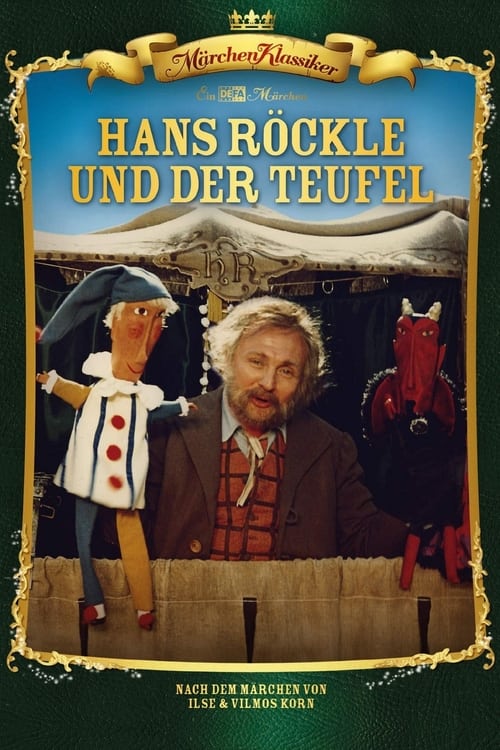
Hans Röckle is a puppeteer, inventor, blacksmith and more. He is challenged by the Devil (in almost a dozen fancy costumes) who offers him even more inventiveness, against his soul should he ever make money with an invention, build something twice, or cease inventing for 7*7 hours.
Fifteen-year-old Heinz Stielke is a Hitler Youth fanatic who is devastated to learn a hidden truth about his respected father who was a German officer in WWII: He was Jewish. Pushed out of his community after the discovery, young Heinz falls into a tailspin of alienation and anger. He is subsequently thrust into a series of social collisions across the war-torn German fatherland.
At the end of the 1950s, the production of optics in the German Democratic Republic has reached top quality and instigates interest in the West. When national demand rises strongly and at the same time the export to South America heavily decreases, the Volkspolizei - the GDR police force - starts to look into the case. Two seemingly unrelated cases are the starting point for the investigation by second lieutenant Schellenberg of the department for optics racketeering: An old woman who was arrested in the Berlin city railway for trying to smuggle a pair of binoculars to West Berlin, and a dead person in an area of allotments who was involved in obscure dealings with optical devices.
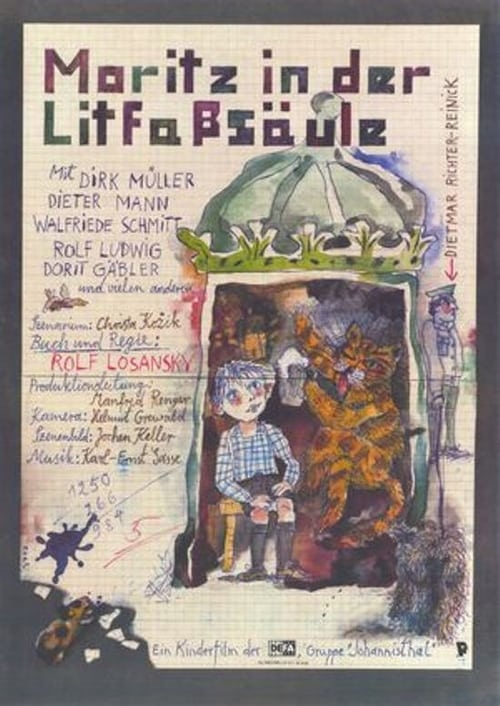
No one has any time for Moritz. And at school, things are not exactly the greatest either. Moritz runs away and moves into the inside of an advertising pillar. A speaking cat, a circus girl and a street sweeper become his new friends. Gradually, they help the young boy to realize that running away does not solve anything.
Rome at the time of the persecution of Christians: Androclus, a poor tailor, frees a lion in the forest from terrible pain caused by a thorn in his paw. The two meet again by chance when the devout Christian is about to be thrown to wild animals in the arena. The lion spares him with gratitude, but the real danger for Androklus comes from another direction.
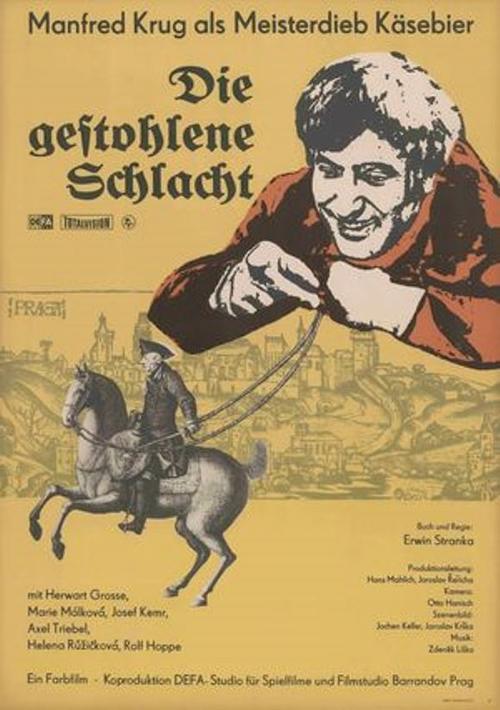
In 1757, the second year of the Seven Years' War, Frederick II the Great stands at the gates of Prague. He has been trying to take the city for weeks, as the enemy commander Duke Charles of Lorraine is inside. Frederick has just defeated him, but the tide could soon turn against the Prussians, as new Austrian troops are approaching. None other than the famous master thief Andreas Christian Käsebier is to sneak into Prague to open the gates from the inside. As a reward, the king promises him freedom. Käsebier accepts the offer because he is tempted to steal an entire city. But by chance, Käsebier learns that the king wants to betray him. After a successful battle, he is put back behind bars for life. This doesn't suit the master thief at all, especially as he has just fallen in love with Katka in Prague.
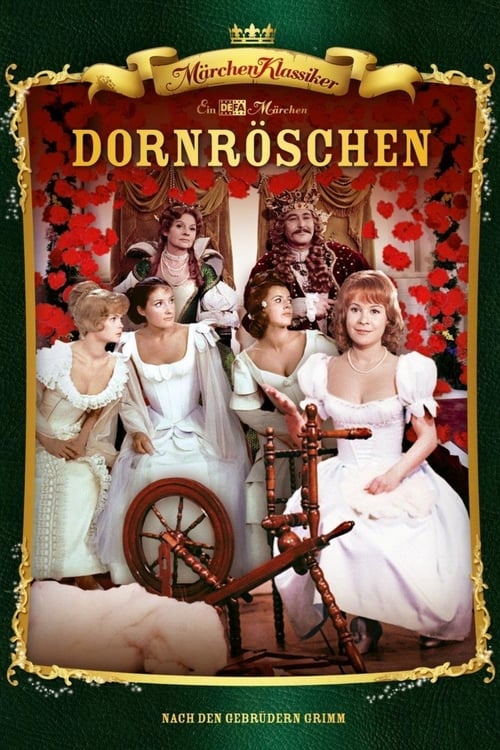
On the occasion of their daughter's birth, the king and queen give a lavish feast. Among the guests are twelve fairies who endow the infant in the cradle with all good qualities. As the king loathes diligence, he does not invite the thirteenth fairy - the fairy of diligence. A captain lets her slip into the castle and she casts a spell on Sleeping Beauty, wishing death upon her. The twelfth fairy transforms and mitigates the spell. On the day she turns fifteen, the princess is to sink into a hundred-year sleep after pricking her finger on a spindle.
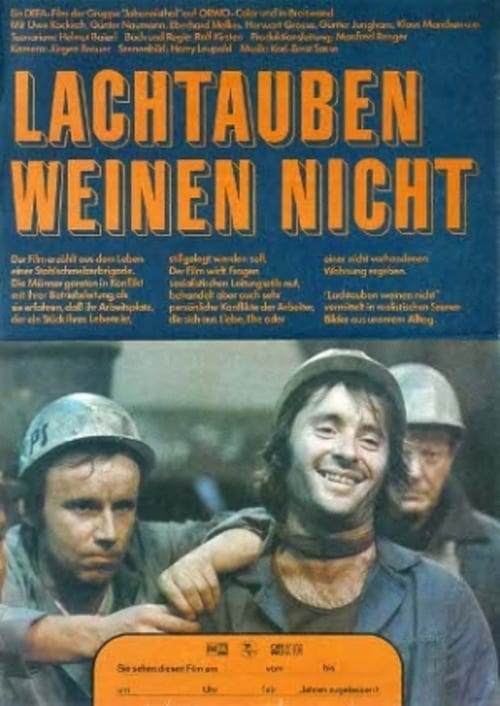
The film tells the story of the smelter brigade of a steel mill whose members are connected by a strong comradeship. Among the workers are, for instance, young Rolf, whom everybody just calls "Lachtaube" and who always comes through for his co-workers, or the likable Hubert, who works as a simple smelter again after being dismissed as the head of the steel mill. Then, there is also the stubborn Manfred, who should have become a brigadier long ago because of his experience and his competence, but this privilege is refused to him because Manfred is not a party member. Ironically, it is Manfred who hears by accident about the plans of the mill to close down the old Martin furnaces – and to lay off the smelters. When the other men learn about the plans they enter the barricades for their jobs and force the plant′s management to face the workers′ demands and criticism.
The merchant's daughter Constanze, begs her father to ask a lion for a favor. Her father approaches the lion who agrees to his request with one condition: that he send the first person he meets upon his return home to the lion's den. It is Constanze. Against her father's will she goes to the lion and discovers that he is an enchanged prince and that only a woman's love can release him from the spell.
Early 1921: a man is on his way home. Gleb Chumalov, regimental commander, worker and Hero of the Order of the Red Banner, returns to his home town from the Civil War. The victory over the enemies of the Russian people gives him the conviction that a new, better time will dawn overnight. Gleb looks for his comrades from earlier years, but only finds people who are emaciated by their efforts. The cement works where he used to work has been plundered and abandoned. With great effort, Gleb and his comrades try to get the plant up and running again. The struggle seems to begin anew... It is the time after the victory of the “Great October Socialist Revolution“ and the time of building a new society.