Acting
Polizeiruf 110 is a long-running German language detective television series. The first episode was broadcast 27 June 1971 in the German Democratic Republic, and after the dissolution of Fernsehen der DDR the series was picked up by ARD. It was originally created as a counterpart to the West German series Tatort, and quickly became a public favorite.
Der Staatsanwalt hat das Wort was an East German television series.
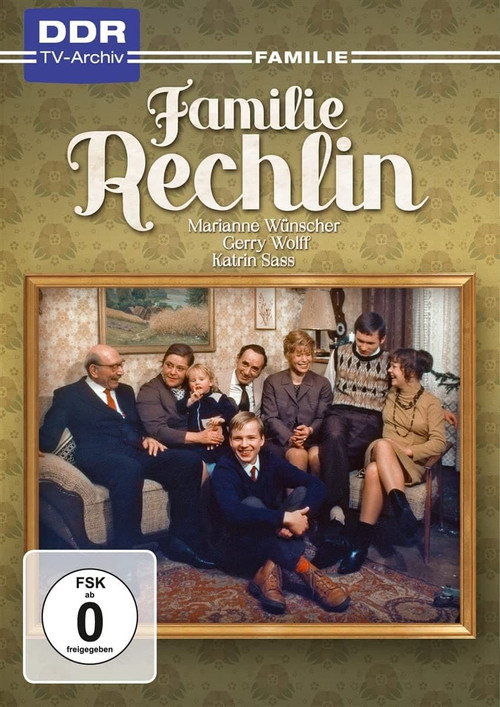
Berlin in the 60s. The construction of the Berlin Wall not only divides the city, but also separates the Rechlin family. While mother Ingelore lives with husband Hannes and the youngest son in the eastern part of the city, the young, married daughter Beate lives in West Berlin. Even when she gives birth to the first grandson, the newly baked grandma Ingelore cannot visit her. Travel permits are only issued one year later. But the formerly so tight family bond is burdened by the long separation. Son Bernd also avoids the rest of the family, as his new girlfriend has just been released from prison because of attempted "republic escape". And so Mother Ingelore almost has to watch her family shatter.
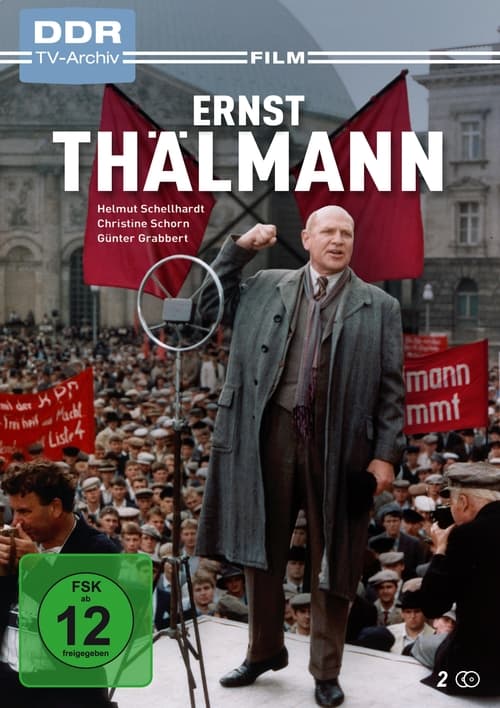
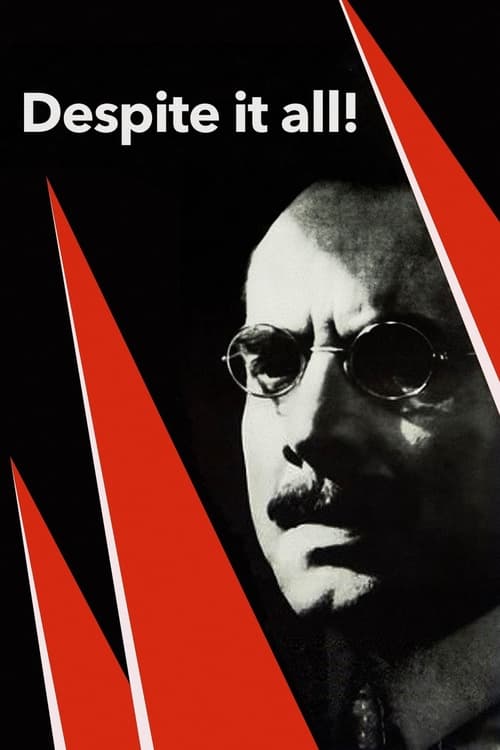
This elaborate two-part television film features a section from the life of communist worker leader Ernst Thälmann. It begins with the bloody riots on May 1, 1929 in Berlin, in which police officers shot at demonstrating workers, and ends with February 7, 1933, when Thälmann appeared as a speaker at the illegal meeting of the Central Committee of the Communist Party of Germany in goat neck. This period was marked by the struggle of the Communists against the ever stronger National Socialists and the rise of Adolf Hitler.
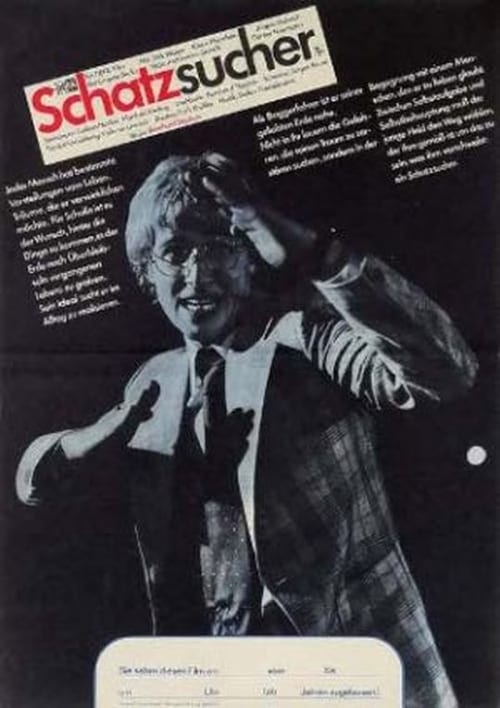
The 18-year-old construction worker Schultzendorf, known as Schulle, sets off for Berlin from his home town of Ankershagen. He is taken with the Marzahn construction site. He dreams of making archaeological finds there. He searches every excavator load for treasures, which not only earns him ridicule, but also the anger of his colleagues because he delays the work. They try to change his mind and get him a wife. This fails, but Schulle finds one himself - the slightly older Helga, who needs his help to get away from her divorced husband. Once she has succeeded in doing so, she breaks away from Schulle, whose youthful impetuosity unsettles her.
October 1918: Karl Liebknecht is released from prison and Berlin workers celebrate his release. Although WWI is almost over, the German Kaiserreich in vain sends its last reserves to the slaughter. The working class is in a rebellious mood; the uprising of Kiel’s sailors against war and militarism sets off a call for revolution led by Liebknecht. On November 9, Liebknecht declares the Free Socialist Republic of Germany. But pro-Kaiser military and right wing Social Democrats oppose him.
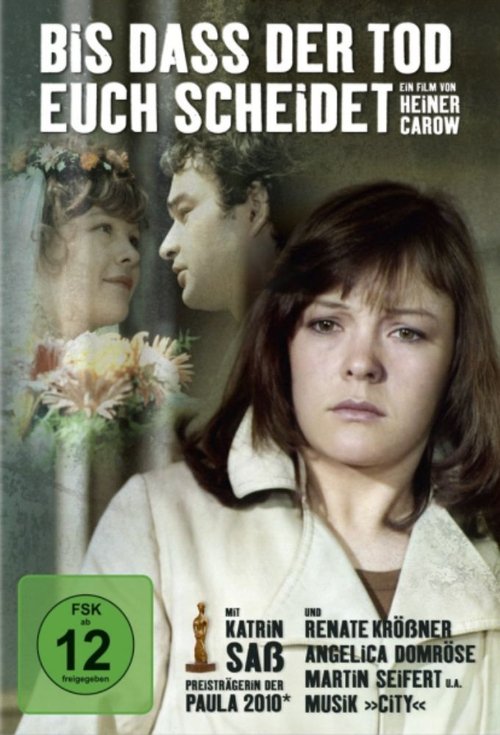
Scenes from an East German marriage. A young couple, Sonya and Jens, are very much in love; they get married and have a child. When Sonya wants to go back to work after her maternity leave, they clash for the first time; Jens insists that she remain a full-time wife and mother. Until Death Do Us Part turns an actual police report into a gripping drama, as the director explores the depths of his characters' emotions, driving the conflict to a catastrophic climax.
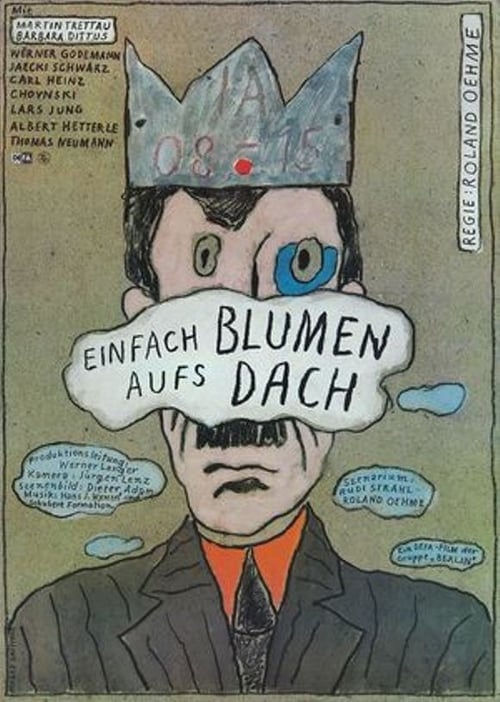
Mechanic Hannes Blaschke and his wife Maxi, who works as a bus driver, have just become happy parents of twins. Now they have a serious transportation problem: Their Trabant is far too small for the grown family that furthermore includes two sons and a dog. Thanks to the support of a state secretary and of his brigade, Hannes acquires a Tschaika – a limousine that is normally restricted to representational purposes – for a small price. Whereas Maxi views the state carriage only as a useful means of transportation, Hannes enjoys the unusual pre-emption he is receiving for the spectacular car. Hannes, who normally is just a humble guy, starts to grate his colleagues with his new affectations. Thus, they teach him an effective lesson: They decorate the state carriage with flowers and thus bring Hannes back down to earth in a humorous way.
It is shortly after the fall of the Wall and Kadir is released from an East Berlin psychiatric clinic. Resolved to begin life over again in Germany, he soon has to accept that there is no longer a place for him.
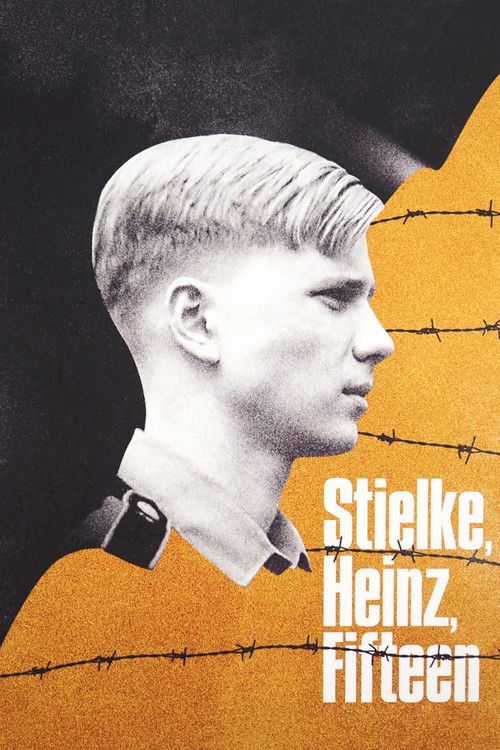
Fifteen-year-old Heinz Stielke is a Hitler Youth fanatic who is devastated to learn a hidden truth about his respected father who was a German officer in WWII: He was Jewish. Pushed out of his community after the discovery, young Heinz falls into a tailspin of alienation and anger. He is subsequently thrust into a series of social collisions across the war-torn German fatherland.
The puppet player Sebastian Fußberg moves through the country at the end of the fifties. Despite his age, an unwavering dreamer and idealist. But also a torn person who cannot detach himself from the shadows of his past.
A commercial artist with a lisp chooses silence, unexpectedly propelling his career. His perceived innovation leads to rapid advancement in an ad agency. Mueller-Stahl shines in this biting critique of East German workplace culture.
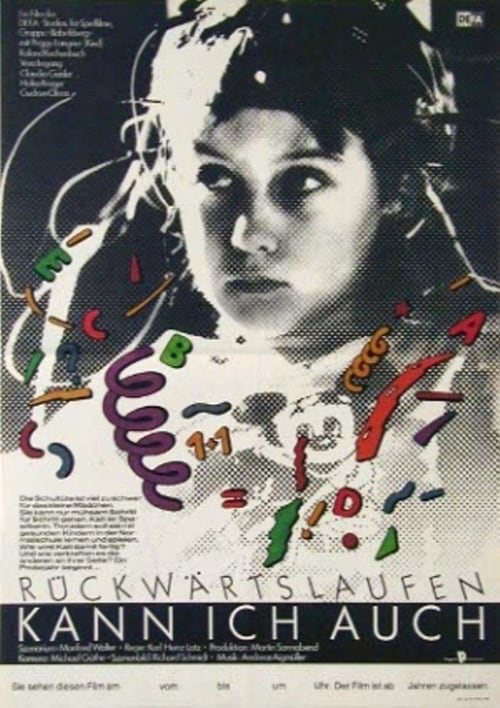
Seven-year-old Kati is glad that despite her spastic disability she is allowed to attend a normal school. Her parents made that possible. In her first year there, she is supposed to prove that she can get along at the school and she does her utmost to keep up with her classmates. Her disability, however, is greeted with constant mockery and disrespect. Even her teachers have a hard time treating her equally. When Kati fails math, she has to attend a special school. Katie is devastated but her friends help her to cope with the new situation.
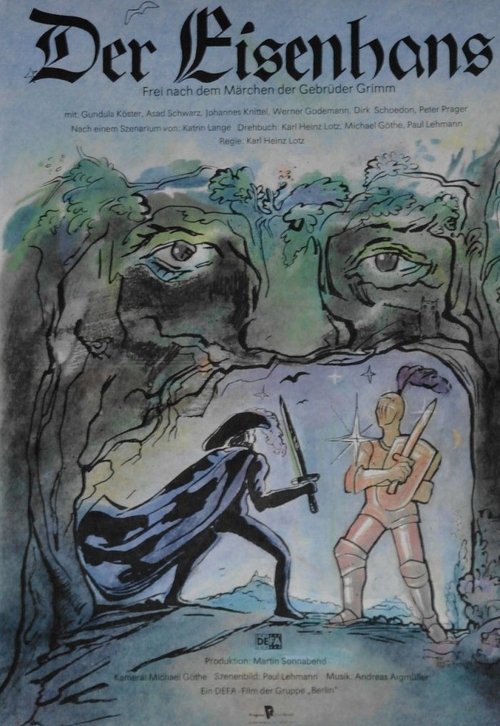
In a king's kingdom there is a forest so dangerous that every man who goes into it is never heard from again. Iron Hans, who is responsible for the deaths, is found at the bottom of a lake and locked up in the king's palace
When Angelika moves to Leipzig, she is forced to rent a room at Mrs. Häublein’s for a start, since her parents will not follow until a few months later. Fellow tenant Thomas, a philosophy student, is not at all enthused about his new, pretty housemate. Because of Angelika he has to move into a smaller room. Furthermore, he is annoyed at her many male acquaintances, without sensing that his aggression might be prompted by jealousy. When Angelika’s father comes for a visit, he asks Thomas to keep an eye on his daughter. Thomas takes this assignment very seriously and finally realizes that he has fallen in love with Angelika.
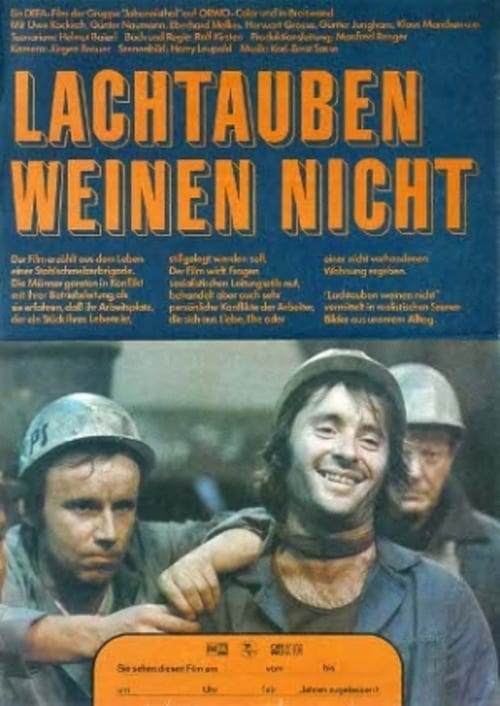
The film tells the story of the smelter brigade of a steel mill whose members are connected by a strong comradeship. Among the workers are, for instance, young Rolf, whom everybody just calls "Lachtaube" and who always comes through for his co-workers, or the likable Hubert, who works as a simple smelter again after being dismissed as the head of the steel mill. Then, there is also the stubborn Manfred, who should have become a brigadier long ago because of his experience and his competence, but this privilege is refused to him because Manfred is not a party member. Ironically, it is Manfred who hears by accident about the plans of the mill to close down the old Martin furnaces – and to lay off the smelters. When the other men learn about the plans they enter the barricades for their jobs and force the plant′s management to face the workers′ demands and criticism.
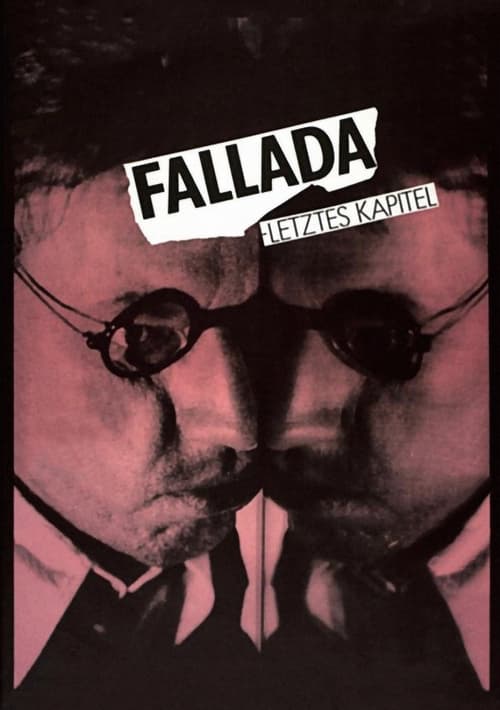
This biographical film is set in 1937, with Fallada suffering the effects of living under a microscope. The film details his decline, as he is intermittently imprisoned and threatened in order to motivate him to write for the Fatherland. Even the attention of his kind, patient wife and loving children begin to feel oppressive to him. This is one of the few films to take a serious, in-depth look at the tribulations of a creative artist pulled in all different directions by the real world.
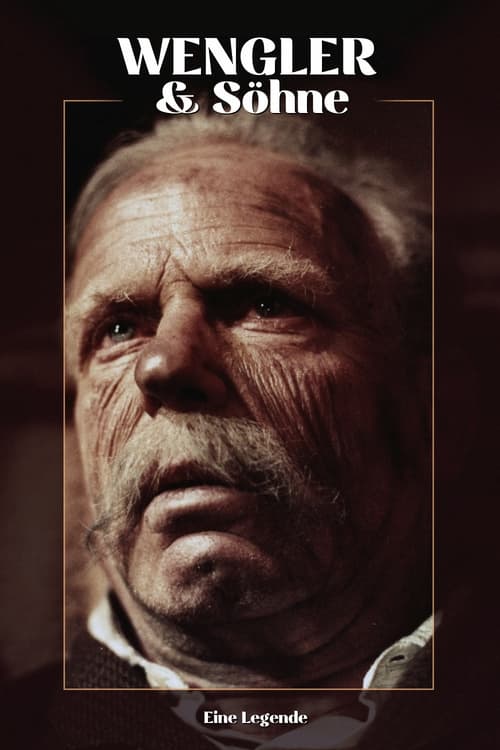
A story spanning three generations, from 1871 to 1945. When Gustav Wengler, a farmer’s son, returns from the Franco-German war in 1871, he goes to work for a precision mechanics and optical company, where he soon becomes a master craftsman. Wengler loyally promises the owner on his deathbed that his sons and grandsons will also stand by the company.
When he reaches age 18, Peter is released from the children's home where he grew up, but this does not mean he is truly ready for adult life.
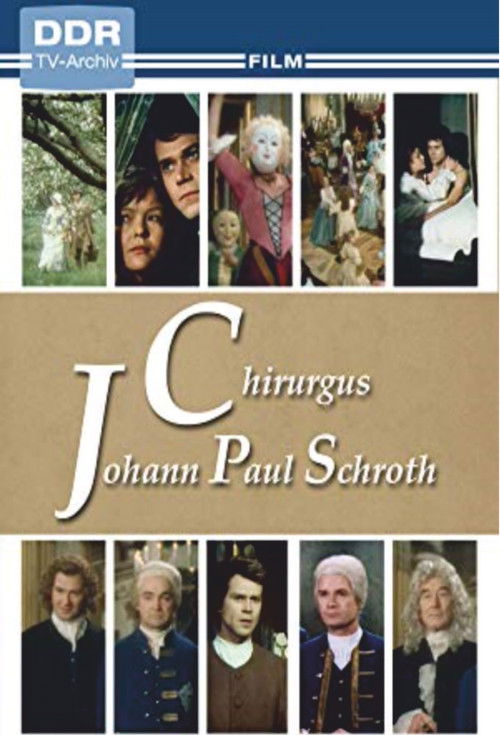
Johann Paul Schroth is a 20-year-old barber's apprentice who breaks out of the barber-surgeon's trade. Schroth wants to realize his dream, which is to put aside the beard knife and use the scalpel in such a way that people are healed and not tortured...