Tan Pin Pin
Directing
Biography
Tan Pin Pin is an award-winning Singapore film director who has spent over two decades chronicling her country’s history, memory and representation in thoughtful and self-reflexive works that have screened theatrically in Singapore and abroad. Her works have been invited to key film festivals: Berlinale, Busan, Hot Docs, SXSW, Visions du Reel and at the Flaherty Seminar. Nearer home, they have been presented at M+, Parasite, CUHK, Rumah Attap, Sa Sa Art Projects, on Singapore Airlines, Jakarta Biennale and on Netflix. Her work has been honoured with mid-career retrospectives at RIDM in Montreal, Liberation Docfest in Bangladesh and Dok Leipzig. Pin Pin started her career in the arts as a photojournalist. When video cameras became more affordable, she made the leap to the moving image after being moved by Taiwanese auteur’s Hou Hsiao Hsien’s City of Sadness. Inspired, she made her first film, Moving House (1996) using borrowed cameras. It is about the exhumation of her great-grandparent’s graves and their remain’s subsequent move to a columbarium. The film got her her first film job as an assistant director for the police drama, Triple Nine, and latterly, a scholarship to study film at Northwestern University, USA. Her graduation film won a Student Academy Award. Upon her return to Singapore, she made Singapore GaGa (2005) a film about Singapore’s soundscape. It was described as “One of the best films about Singapore” by the Straits Times. It became the first Singapore documentary to have an 8-week sold-out theatrical run. Meanwhile, the citation for the award from Cinema du Reel for Invisible City (2007), her next film, reads, “A witty, intellectually challenging essay on history and memory as tools of civil resistance”. Her short film Pineapple Town (2015), one of seven in the 7 Letters omnibus, was Singapore’s entry to the Oscars. Meanwhile, To Singapore, with Love (2013), a film about Singapore political exiles was banned by Singapore’s censors for undermining National Security. IN TIME TO COME (2017), her next film is an immersive film about Singapore rituals like fire drills and mosquito fogging sessions.
Known For

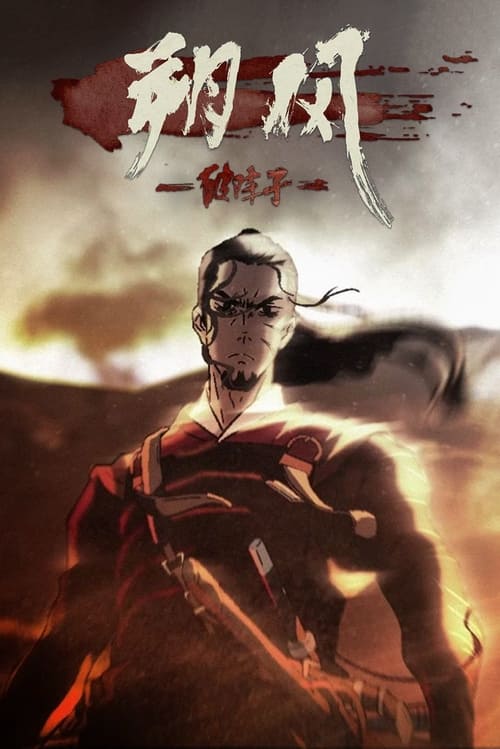
China’s booming animation industry has reached us. The film in question is Shuo Feng — Po Zhen Zi, an action epic directed by Zheng Wu and based on an internet novel by A Nu. From what we understand, the film is set in the eighth century, during China’s Tang dynasty. The story draws inspiration from real historical battles, which pitted Chinese forces against the Islamic Abbasid Caliphate and Tibetan Empire in Central Asia. Watch the hyper-kinetic, elaborately composited trailer below:
North Wind: Broken Time

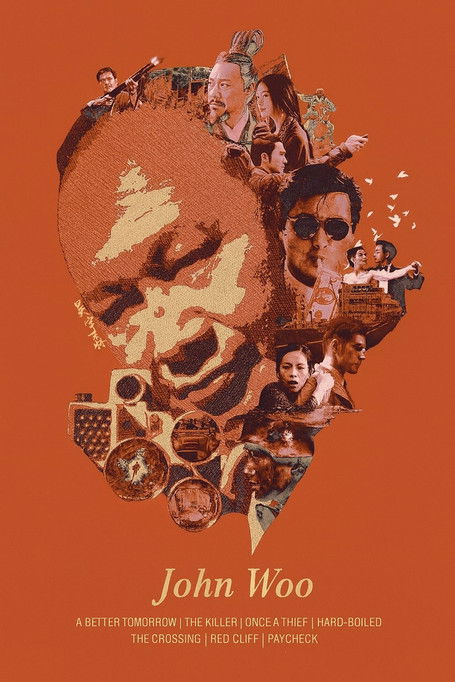
Crossings: John Woo starts with Woo's emotional homecoming to Hong Kong in 2004 to promote his latest blockbuster Paycheck. It leads you through his teen years where he made avant garde films, his apprenticeship with Shaw Brothers' martial arts director Chang Che, his coming of age as a director directing slapstick Hong Kong comedies through the 70s and 80s. It charts the genesis of the groundbreaking A Better Tomorrow starring Chow Yun Fat, a film that creates a new genre in Hong Kong cinema and launches Woo's career into the international arena.
Crossings: John Woo

An emotive anthology by seven of Singapore's most illustrious filmmakers, celebrating SG50 through the lives and stories of Singaporeans. Directed by Eric Khoo, Jack Neo, K. Rajagopal, Royston Tan, Tan Pin Pin, Boo Junfeng, Kelvin Tong.
7 Letters

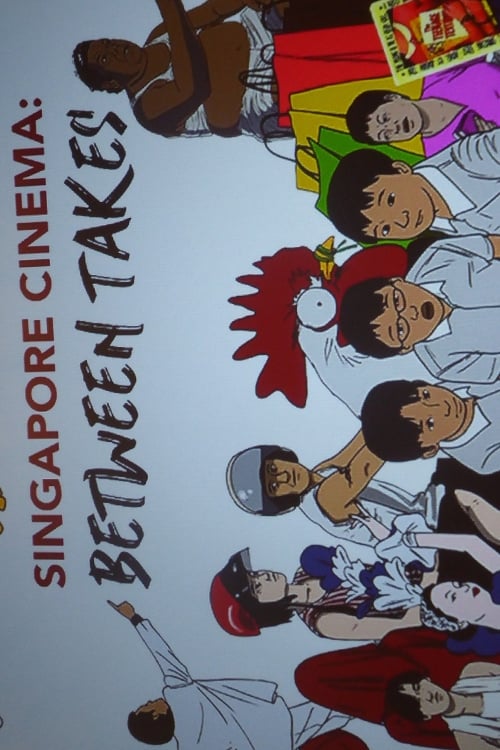
From Crazy Rich Asians (2018) to 12 Storeys (1997) to Sumpah Pontianak (The Curse of Pontianak) (1957), Singapore’s film industry is a diverse one and its evolution is nothing short of colourful. Recollecting Singapore’s famed studios in the 1950s to uncovering new waves of filmmakers in 90s and into today’s digital revolution, Singapore Cinema: Between Takes provides an insight into the rich history, and culture of Singapore films and its industry through candid reflections of filmmakers and content creators.
Singapore Cinema: Between Takes

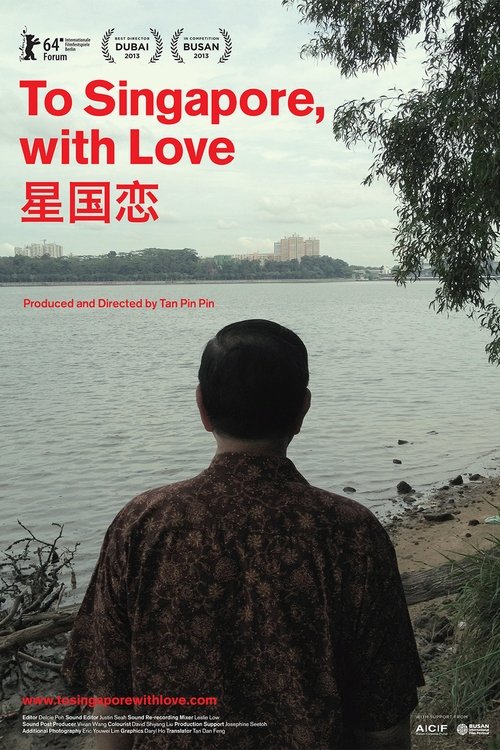
Tan Pin Pin employs a strictly external perspective for this portrait of her hometown, the tropical economic powerhouse of Singapore, interviewing political exiles in London, Thailand and Malaysia, who are to this day unable to return home.
To Singapore, with Love

En is an 18-year-old who has lost his father to cancer. As his family is drawn together in a sudden tragedy, he has to decide what he believes in. But in a country where ideologies are forged on constantly shifting sands, he struggles to stay true to what he knows to be right. And in a family that prefers to forget, the sandcastles of all he holds dear seem doomed to be washed away by the tides of time.
Sandcastle

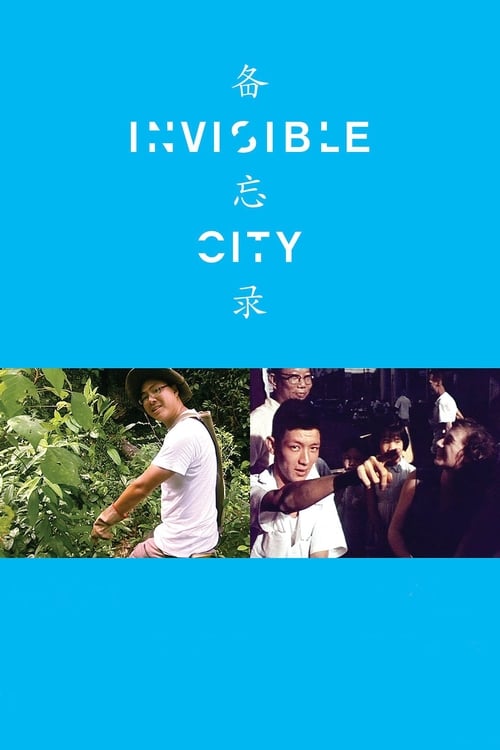
Chronicling the ways people attempt to leave a mark before they and their histories disappear. Invisible City director Tan Pin Pin interviews people – photographers, journalists and archaeologists – who are propelled by curiosity to find a City for themselves.
Invisible City

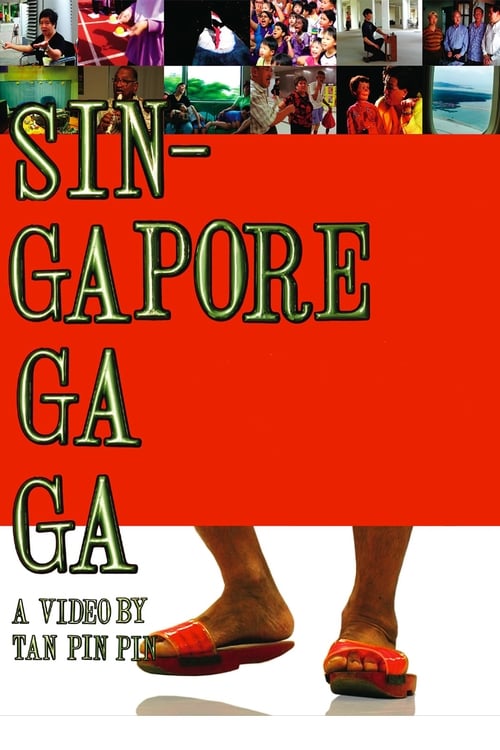
Singapore GaGa is a 55-minute paean to the quirkiness of the Singaporean aural landscape. It reveals Singapore's past and present with a delight and humour that makes it a necessary film for all Singaporeans. We hear buskers, street vendors, school cheerleaders sing hymns to themselves and to their communities. From these vocabularies (including Arabic, Latin, Hainanese), a sense of what it might mean to be a modern Singaporean emerges. This is Singapore's first documentary to have a cinema release. With English and Chinese subtitles.
Singapore GaGa

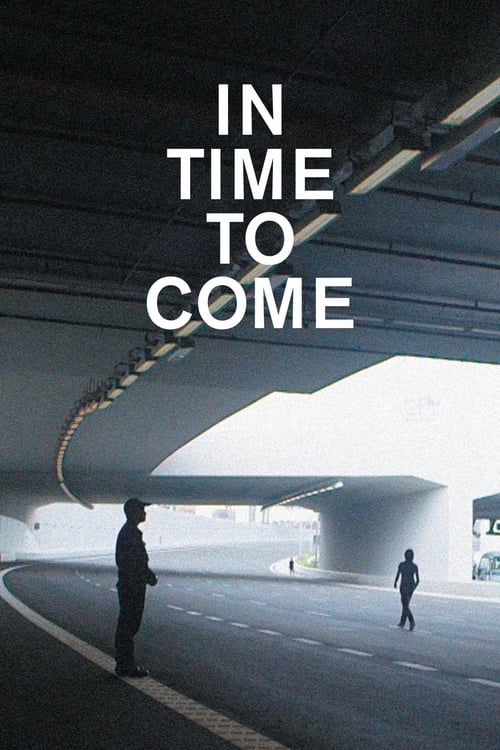
Between the opening and sealing of two time capsules in Singapore lives a city in limbo, visited by its own past, present and future.
In Time to Come

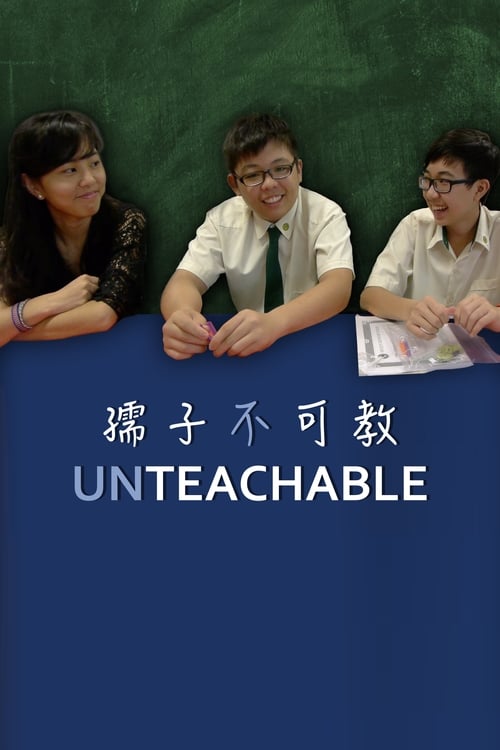
Ng Meixi returns to Singapore having spent time in Mexico working with low-performing students. She joins a local school as a relief teacher but takes on a mammoth task: to pilot a new pedagogy to help students in the Normal (Technical) stream learn better. She reconfigures the classroom from a teacher-directed one to a community that aims to empower students as learners and tutors to each other. Will this work in Singapore’s result-oriented education system?
Unteachable

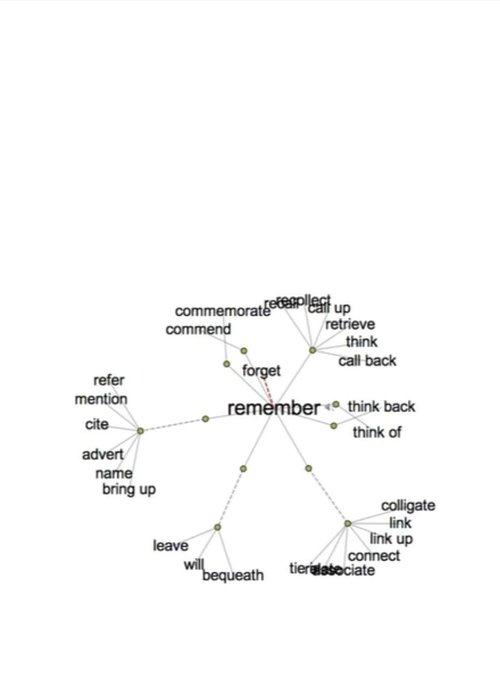
Using the visual thesaurus, this animation ponders upon the word “Remember” to see where the word trail leads to if we take things to its natural conclusion. “Remember” leads to “Commemorate”, leads to… there are no wrong turns. Explore and see where we take you.
Thesaurus

While homemakers carve out time to walk for friendship, an individual walks in order to hear herself. Yet another woman walks to extend her art practice and to be seen and heard. The women in Walk Walk create "space" for themselves and others as they walk.
Walk Walk

The connections between three strangers living in Chicago's Rogers Park neighborhood are explored in this short film.
Rogers Park

Documentary about the exhumation of my great-grandparents's grave at Lorong Panchar, off Sixth Avenue in Singapore in 1995 because of a compulsory exhumation order. This video, completed in 1996, provided the basis for a later version of Moving House, 2001. My great-grandfather arrived from Xiamen, China in the late 1800s and opened a crockery shop at Clive Terrace, no longer extant, off Beach Road. My grandfather grew up at Sheik Madrasah Lane off Ophir Road.
Moving House

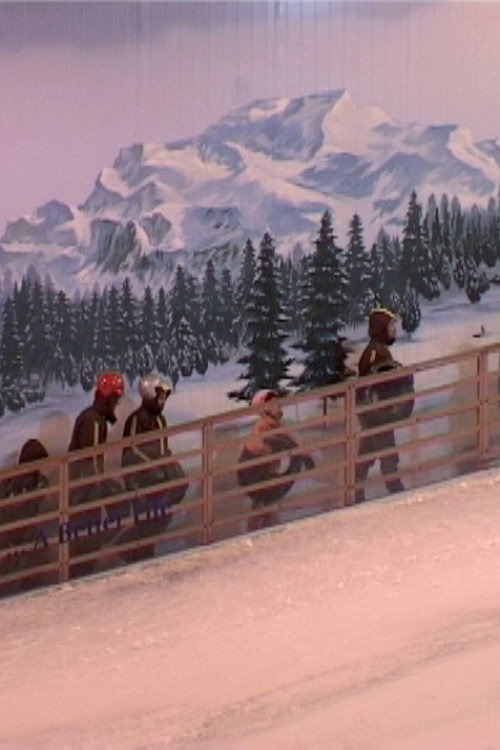
In hot tropical Singapore, a traveler stumbles upon polar bears, a road tunnel grand opening and office workers in cubicles. Deadpan in tone, surprising in content, the film captures a mood of a place where time stands still.
Snow City

The Chew family is one of 55,000 Singapore families forced to relocate the remains of their relatives to a columbarium as the gravesite is needed for urban redevelopment. The picnic mood of the family outing to move the remains belies the sadness and confusion everyone feels.
Moving House

The Impossibility of Knowing documents Tan Pin Pin's attempt to capture the aura of spaces in Singapore that have experienced trauma.
The Impossibility of Knowing

Microwave takes a humorous jab at the world's obsession with everybody's favourite plastic doll. The film was done in a single shot and has screened in multiple festivals around the world.
Microwave

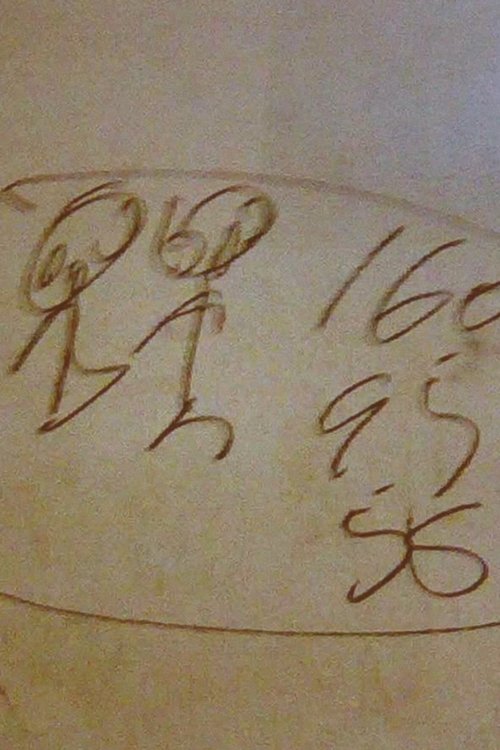
Debbie Ding has been documenting survey markings and graffiti in Singapore. One particular set of graffiti catches her attention. Found in the back stairwell in Pearl Centre, Chinatown, the anonymous drawer roughly sketches a man and a woman beside a series of three numbers. Several of these same scribbles are found in different parts of the stairwell. What does it mean? What is the writer trying to communicate? Debbie, like a detective tries to decipher the meaning of these scribbles and she talks also of graffiti in general. Are these acts of vandals or are they notes from people seeking to communicate with others? Or are they acts of memorialisation by the writers themselves? Perhaps it is all three. Recently, Debbie excitedly reports, in the Bugis area near NLB, the same scribble. Has the Yangtze Scribbler moved?