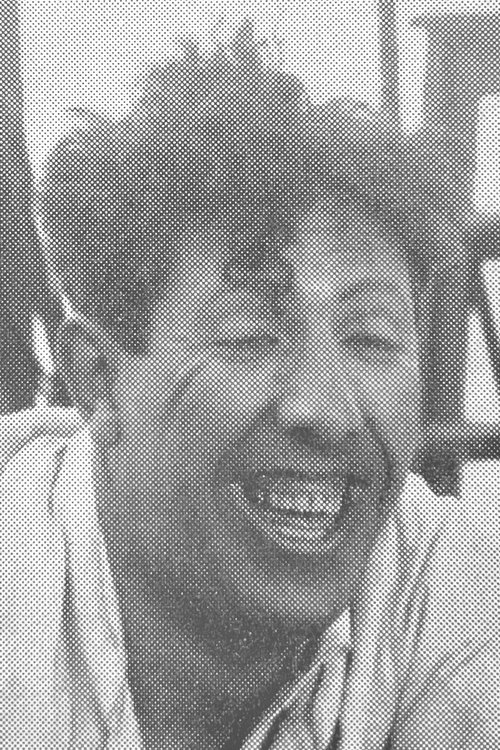
Olof Ås
Acting
Biography
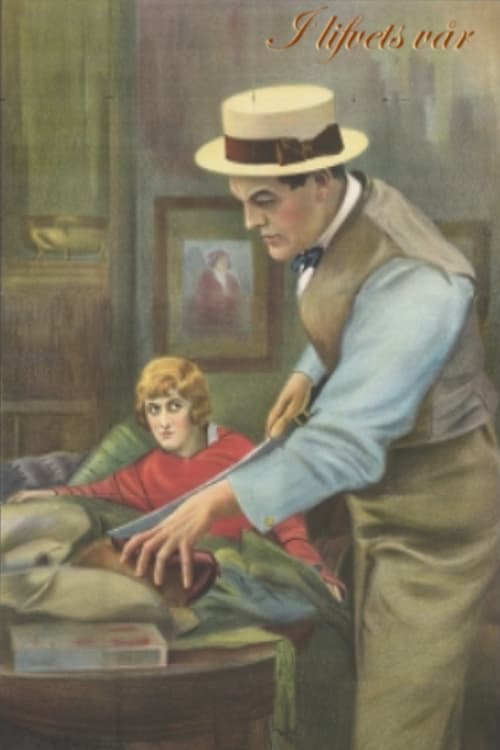
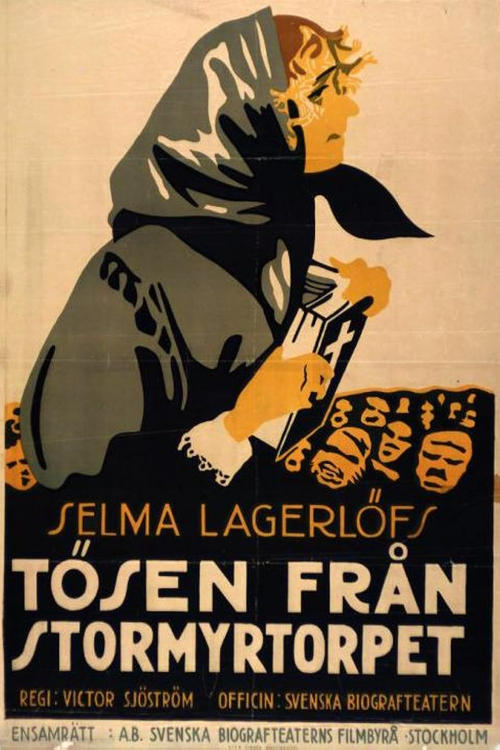
Olof Alvar Hage Ås (21 September 1892 – 4 September 1949)[1] was a Swedish theater and film actor stage manager. Ås was born in Stockholm, and begin his career on the stage. He then began a career in the 1910s as a stage manager. Some of his work as a stage manager includes films such as Victor Sjöström's The Lass from the Stormy Croft (Swedish: Tösen från Stormyrtorpet) (1917) and Mauritz Stiller's Gösta Berlings saga (1922), for which he also worked on special effects. Ås made his film debut in the 1912 Paul Garbagni-directed I lifvets vår and would appear in nearly 30 films (most of them directed by either Stiller or Sjöström) until his death in Tureberg, Sollentuna Municipality, following a road accident, aged 56.
Known For

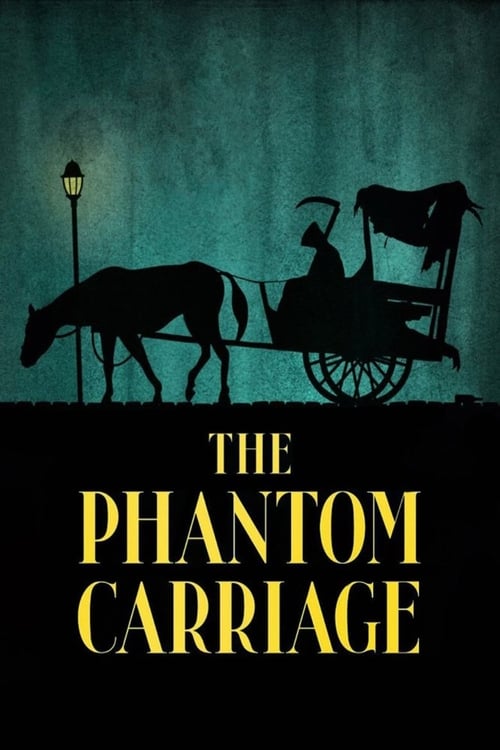
An alcoholic, abusive ne'er-do-well is shown the error of his ways through a legend that dooms the last person to die on New Year's Eve before the clock strikes twelve to take the reins of Death's chariot and work tirelessly collecting fresh souls for the next year.
The Phantom Carriage

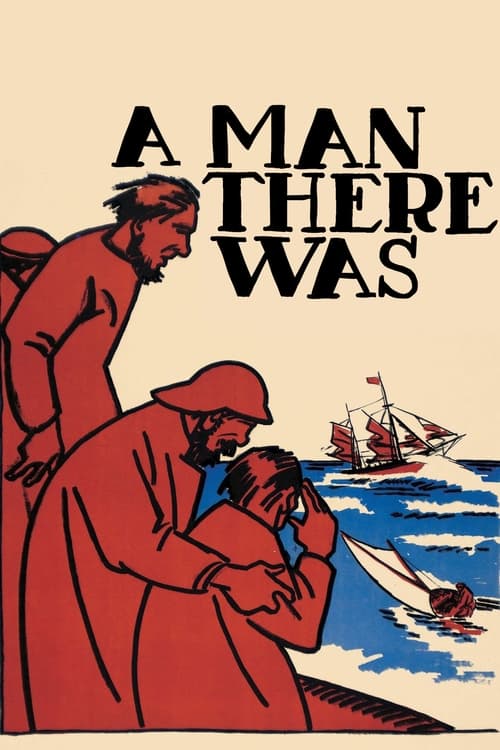
Terje Vigen, a sailor, suffers the loss of his family through the inflexibility of another man. Years later, when his enemy's family finds itself dependent on his benevolence, Terje must decide whether to avenge himself.
A Man There Was

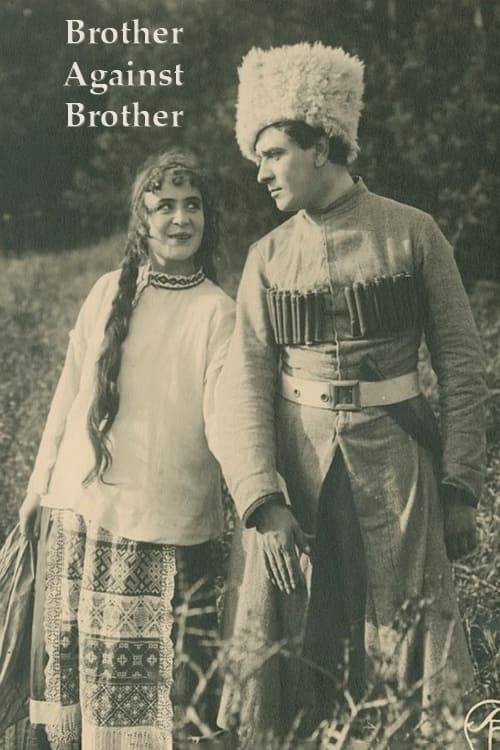
Two brothers compete for the love of a woman while the impending war threatens to separate them from both sides of the border. Based on the novel "La Débâcle" by Émile Zola.
Brother Against Brother

Gösta Berling is a young and attractive minister. Because of his alcoholism and his daring sermons, he is finally defrocked. He becomes a tutor of countess Marta's stepdaughter and they fall in love. But the countess has a plan of her own.
The Saga of Gösta Berling
Gunnar works at a rail road in the woods and blasts a large boulder. Out of the ashes comes Satan himself - with cloven hoofs and a big mean grin.
Old Nick and the Smålander

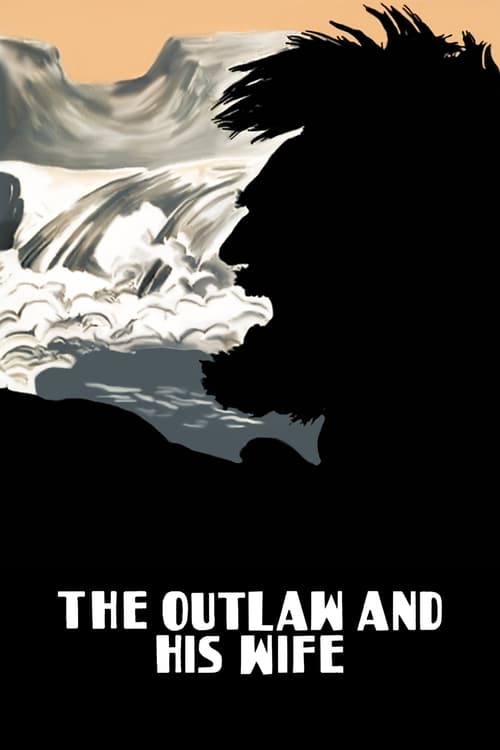
A stranger comes to work at widow Halla's farm. Halla and the stranger fall in love, but when he is revealed as Eyvind, an escaped thief forced into crime by his family's starvation, they flee and become two of the many outlaws of Iceland's mountains.
The Outlaw and His Wife

About loaner Master Samuel, based on a writings by Hjalmar Bergman
A Lover in Pawn

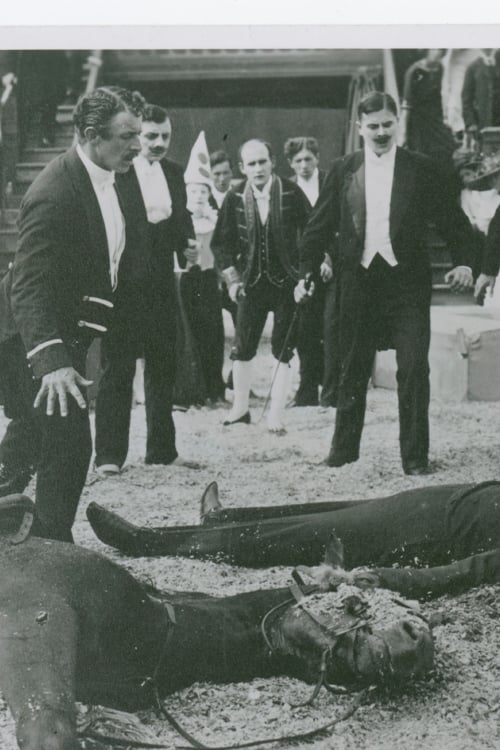
A young lieutenant falls in love with a circus rider. He leave the military and take a job at the circus. He quickly becomes the crowds favorite. His interest in another woman drives the rejected circus rider to revenge.
The Last Performance

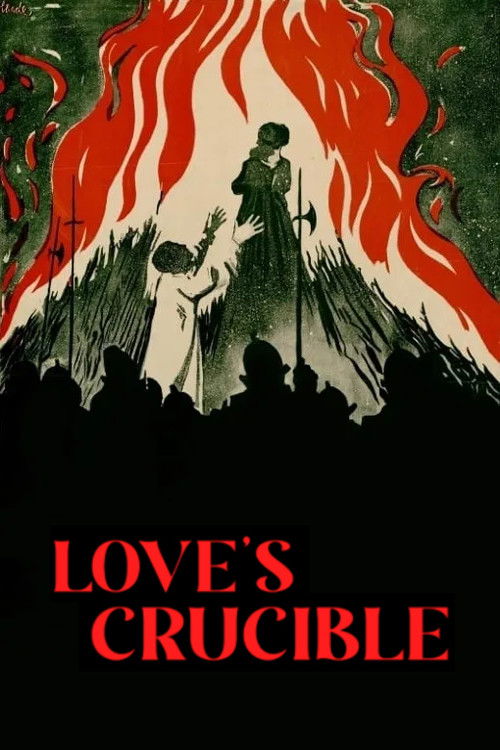
At the end of the middle ages, Ursula is accused of having poisoned her own husband. She claims she is innocent, but to prove it, she must submit to a ritual: trial by fire, walking on fire along a path leading directly to a crucifix. A film that has been much commended for the visual creativity shown by the director in successive blending in of images involving Ursula, her husband, the Virgin Mary, and Jesus Christ. Much applauded, also: the performance of Jenny Hasselqvist, thus described by French director René Clair: “We shall never forget her flaming eyes, the severity of her spirit, her abrupt and alarmed expressions, like an animal under threat.”
Love's Crucible

City girl Emma marries the farmer Nicklas but gets involved in a love triangle with his brother Ragnar.
The Brothers' Woman
In a small provincial town there is a hotel run by one of those eccentric cooks of long ago who made generous meals that have nothing in common with the extravagant restaurateurs of nowadays and their meagre menus. The manager is named after Alexander the Great and in his restaurant the town bourgeoisie meet and discuss various issues, especially matters of the heart. Morals are part of the conversations and prove to be complicated issues even for strict and serious Nordics. 28 minutes of runtime are missing and presumed lost.
Alexander the Great

Part one of an ambitious screen adaptation of Selma Lagerlöf's book Jerusalem.
Sons of Ingmar
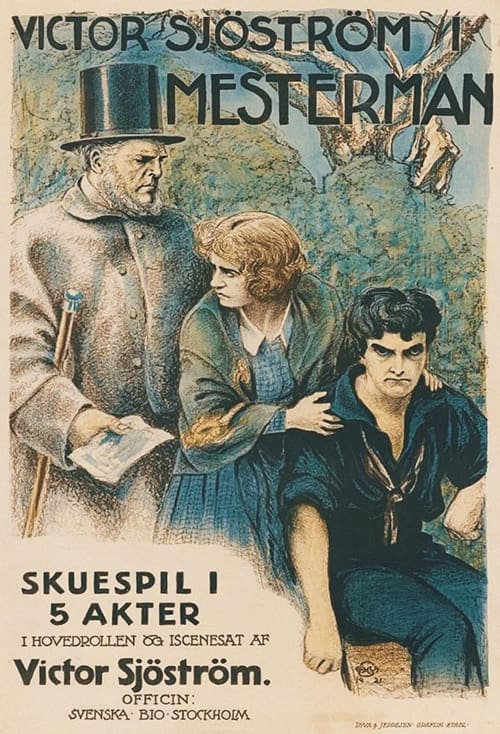
A naval adventure that focuses on the rivalry among the crew, particularly the indignation wrought by the behavior of inplacable Captain Steen. Dick, one of the sailors, is one of the most rebellious and draws up plans to exact vengeance. The opportunity arises, but an incident that may sink the ship changes the focus of attention. The lighting for the film and the composition of the scenes are regarded as the highlights of the movie.
The Hell Ship

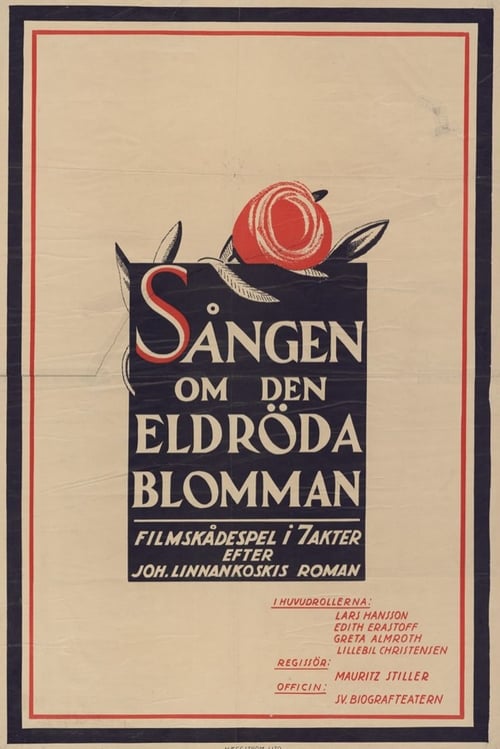
The son of a wealthy farmer loves a simple maid, for which he's booted out of the house by his father.
Song of the Scarlet Flower

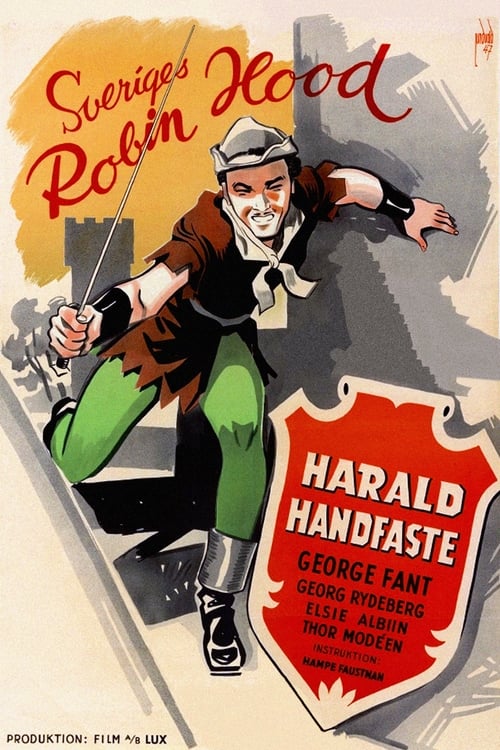
Harald Handfaste is a 15th century Swedish Robin Hood, who fights against foreign oppression. He becomes the leader of a band of highwaymen and they start dealing with the evil bailiff. However, the bailiff will stop at nothing to catch Handfaste and show the people who is in charge. He even attempts to marry Handfaste's beloved Karin, and when she refuses to subdue, the bailiff decides to execute both her, her father and a monk who has been helping them.
Harald Handfaste

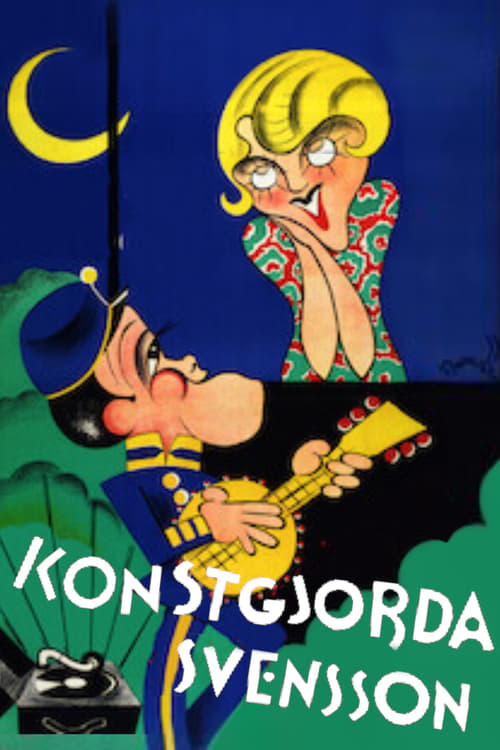
When silly inventor Svensson gets mistaken for Swedish/American aviator Smith, he is accidentally enlisted in the military and drawn into unexpected romantic affairs.
Artificial Svensson

A series of family entanglements develop around the changing will of Roger Bernhuses de Sars, who wants his heritage to go to his illegitimate daughter Blenda. But love and fate also plays their cards.
His Grace’s Will
The old friends Otto Berner and Charles Von Barton stands on separate sides in a political conflict.
Life’s Conflicts

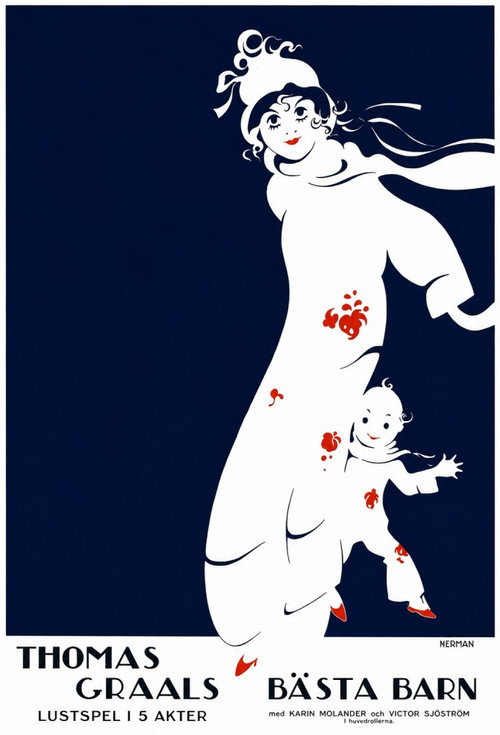
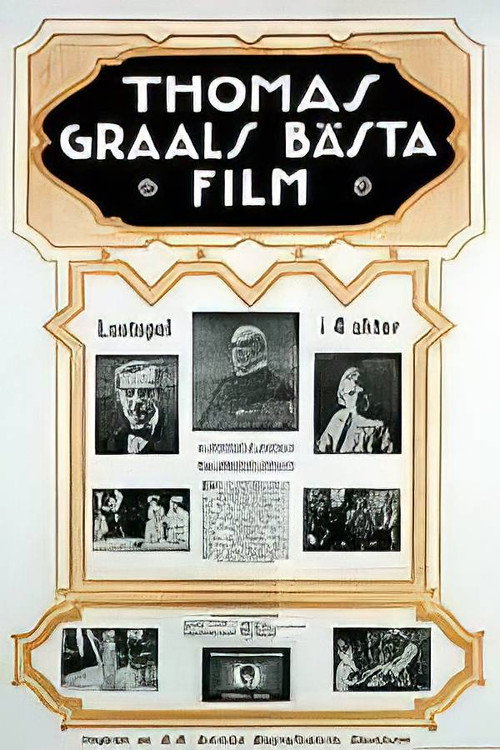
Thomas Graal's a screenwriter, is very fond of his secretary Bessie. Overtaken by a kiss by Thomas she runs away. In his misfortune Thomas writes a screenplay inspired by Bessie. But she has not been really honest with him. 31 minutes of runtime are missing and presumed lost.
Thomas Graal's Best Film

Baron Baltzar Casimir Von Gahl - after an earlier adventure commonly known as "Baron Olson" - owns an old farm, but has huge debts.