Acting
Crown Court is an afternoon television courtroom drama produced by Granada Television for the ITV network that ran from 1972, when the Crown Court system replaced Assize courts and Quarter sessions in the legal system of England and Wales, to 1984.
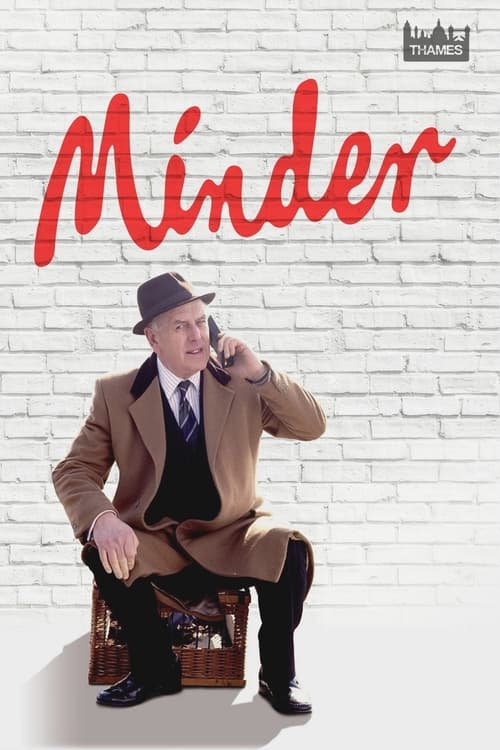
Roguish comedy drama following the misadventures of small-time crook Arthur Daley.
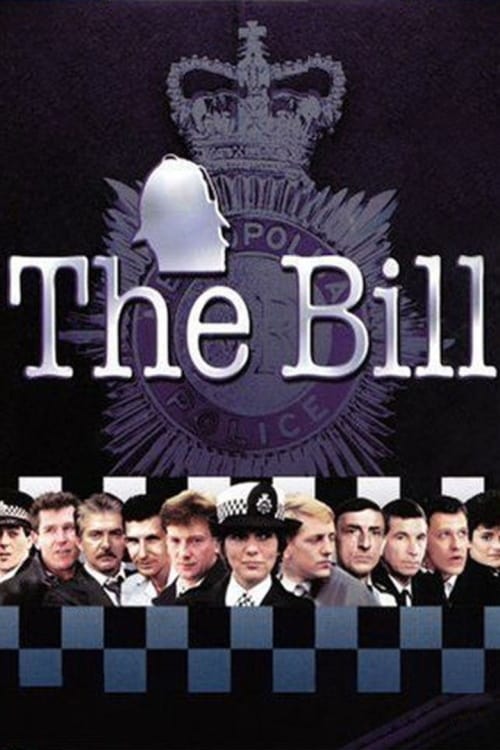
The daily lives of the men and women at Sun Hill Police Station as they fight crime on the streets of London. From bomb threats to armed robbery and drug raids to the routine demands of policing this ground-breaking series focuses as much on crime as it does on the personal lives of its characters.
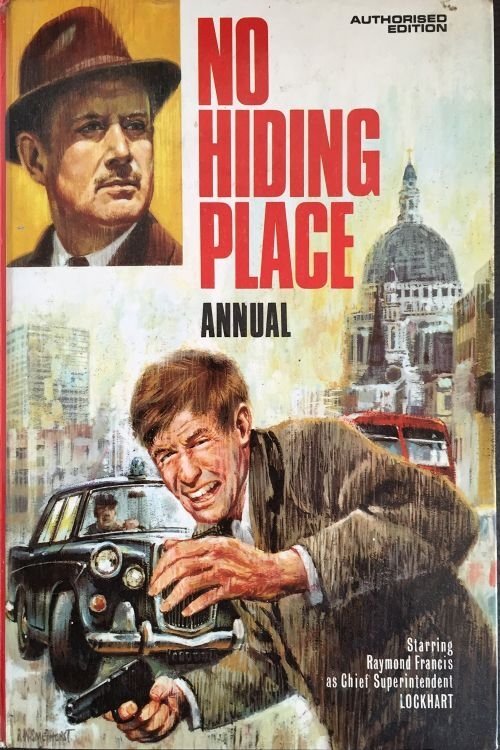
No Hiding Place is a British television series that was produced at Wembley Studios by Associated-Rediffusion for the ITV network between 16 September 1959 and 22 June 1967. It was the sequel to the series Murder Bag and Crime Sheet, all starring Raymond Francis as Detective Superintendent, later Detective Chief Superintendent Tom Lockhart.
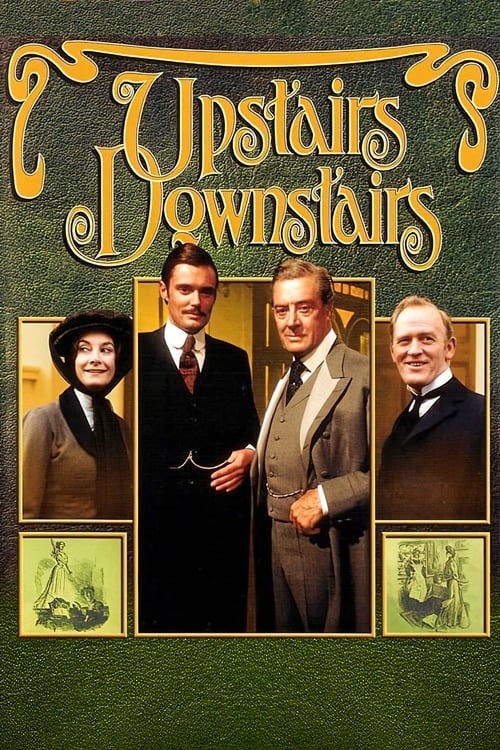
Upstairs: the wealthy, aristocratic Bellamys. Downstairs: their loyal and lively servants. For nearly 30 years, they share a fashionable townhouse at 165 Eaton Place in London’s posh Belgravia neighborhood, surviving social change, political upheaval, scandals, and the horrors of the First World War.
Introducing the Walmington-On-Sea home guard. During WW2, in a fictional British seaside town, a ragtag group of Home Guard local defense volunteers prepare for an imminent German invasion.
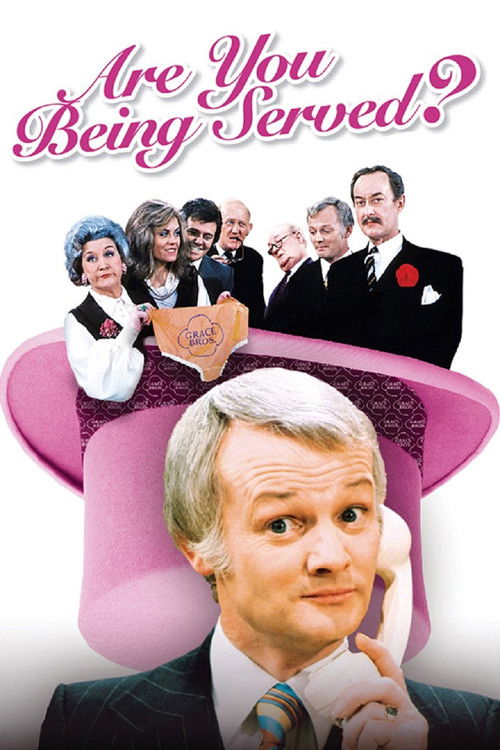
This comedy series, which follows the exploits of employees at London's fictional "Grace Brothers" department store, is full of sexual innuendo, slapstick, visual gags, and double entendres. Much of the show's humor parodies Britain's class system, and many of the show's characters are based on stereotypes of the period, including the effeminate Mr. Humphries and the rich, but stingy, store owner.
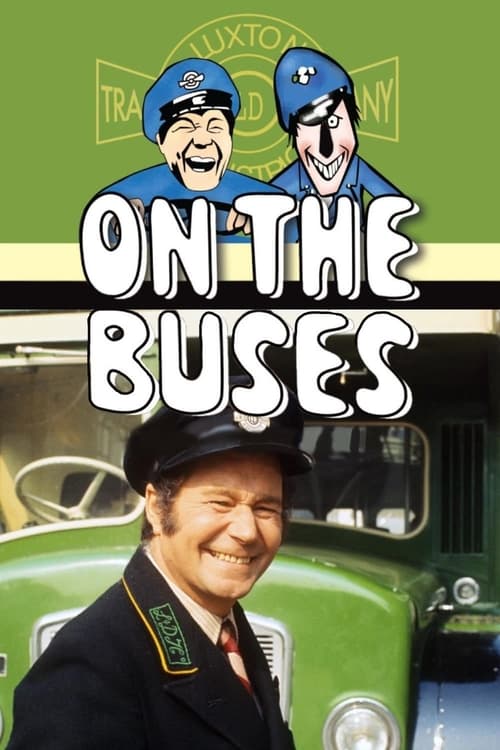
On the Buses is a British comedy series created by Ronald Wolfe and Ronald Chesney, broadcast in the United Kingdom from 1969 to 1973. The writers' previous successes with The Rag Trade and Meet the Wife were for the BBC, but the corporation rejected On the Buses, not seeing much comedy potential in a bus depot as a setting. The comedy partnership turned to a friend, Frank Muir, Head of Entertainment at London Weekend Television, who loved the idea; the show was accepted and despite a poor critical reception became a hit with viewers.
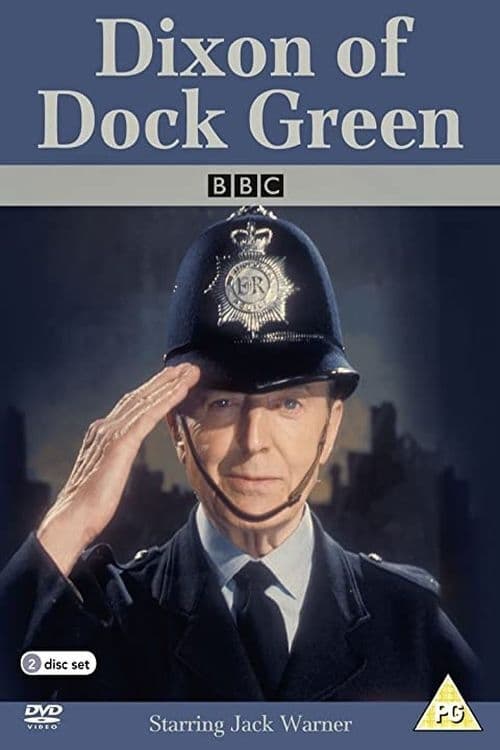
Dixon of Dock Green was a BBC television series following the activities of police officers at a fictional Metropolitan Police station in the East End of London from 1955 to 1976. Some episodes were later remade as a BBC radio series in 2005 and 2006.
The absurd adventures of two defective detectives, who - despite unbelievable incompetence - somehow manage to solve their cases (or be nearby when the cases are solved) and retain their jobs.
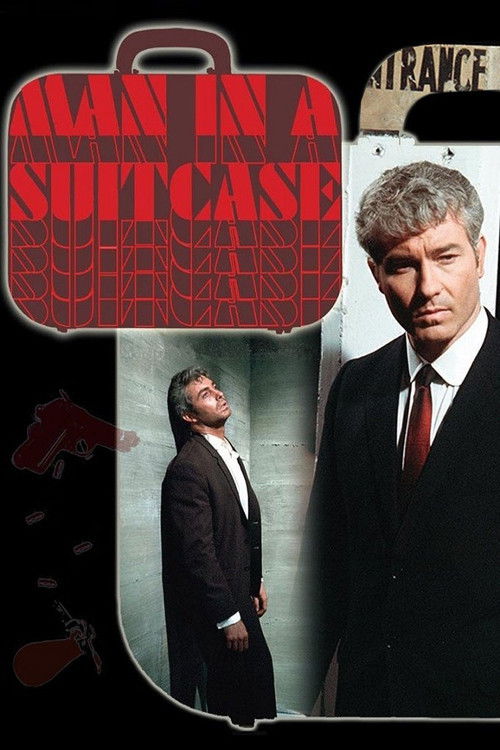
Accused of treason, a former U.S. intelligence officer based in London tries to clear his name, taking on freelance jobs around Europe as he searches for answers.
Notable as the first British series to feature a female police officer (predating Juliet Bravo by four months), Detective Inspector Maggie Forbes raises her teenage son while navigating a male-dominated police force following the murder of her police commissioner husband.
Sir Arthur Conan Doyle's non-Sherlock Holmes stories embodying the author's interest in boxing, the supernatural, and medical matters.
Damien Thorn has helped rescue the world from a recession, appearing to be a benign corporate benefactor. When he then becomes U.S. Ambassador to the United Kingdom, Damien fulfills a terrifying biblical prophecy. He also faces his own potential demise as an astronomical event brings about the second coming of Christ.
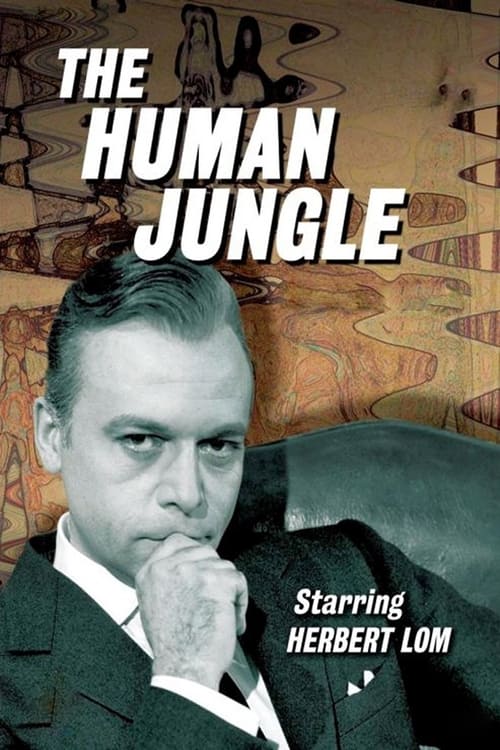
The Human Jungle is a British TV series about a psychiatrist, made for ABC Television by the small production company Independent Artists for transmission on ITV. Starring Herbert Lom, it ran for two series which were first transmitted during 1963 and 1965.
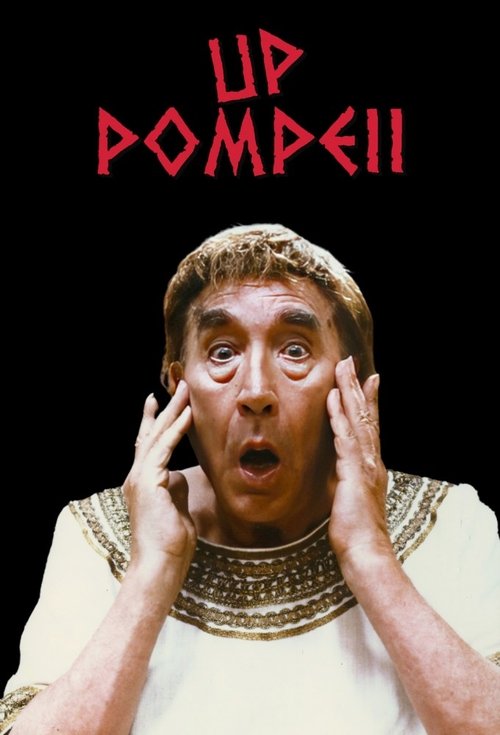
Up Pompeii! is a British television comedy series broadcast between 1969 and 1970, starring Frankie Howerd. The first series was written by Talbot Rothwell, a scriptwriter for the Carry On films, and the second series by Rothwell and Sid Colin. Two further specials were transmitted in 1975 and 1991. In ancient Pompeii, much-put-upon slave Lurcio navigates the chaotic lives of his owner's family
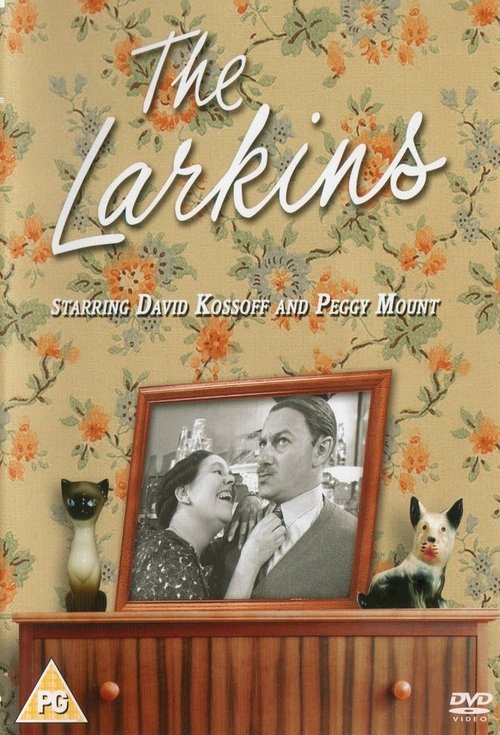
'The Larkins' is a British television sitcom which was produced by Associated Television and aired on ITV. It aired for four series between 1958 to 1960. An additional two series aired from 1963 to 1964.
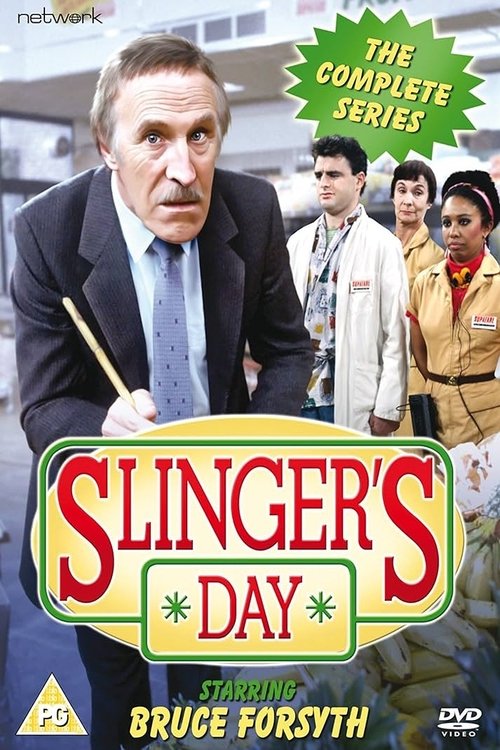
Slinger's Day is a British sitcom created by Brian Cooke and produced by Thames Television for ITV. A continuation of Tripper's Day, which had come to a natural end due to a combination of star Leonard Rossiter's death and an overwhelmingly negative response, Bruce Forsyth plays a different character to Norman Tripper but fulfilling the same role, that of the manager of a Supafare supermarket with a team of incompetent eccentrics. Several cast members from Tripper's Day reprised their roles in the first series but departed in the second, allowing for new characters. Broadcast for two six-episode runs from 1986–87, Slinger's Day represented Forsyth's sole situation comedy acting role, and he remained more associated with stand-up and game shows.
Whoops Baghdad is a BBC television comedy programme first broadcast from 25 January to 1 March 1973. The series stars Frankie Howerd, and was similar to his earlier programme Up Pompeii!, with the setting moved from Ancient Rome to mediaeval Baghdad. However, it was significantly less successful than its predecessor, only running for six episodes and is little remembered, although all episodes survive. The original proposed title, Up Baghdad, was rejected because it was felt that it might have been seen as supportive of the then-current Iraqi regime.
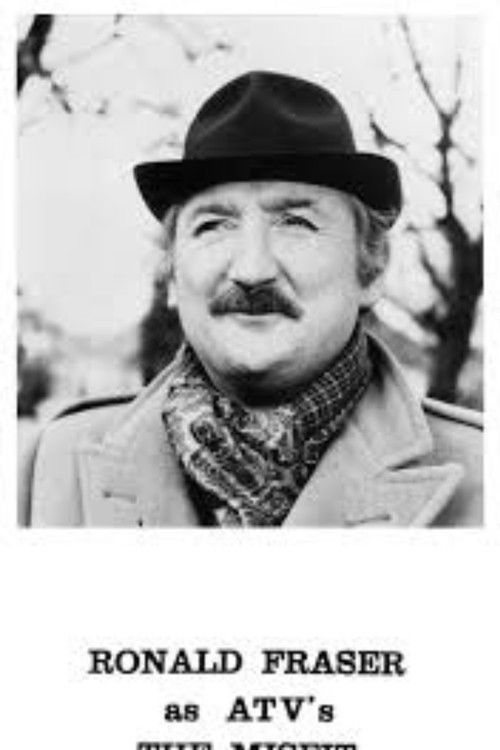
The Misfit is an ATV sitcom created by Roy Clarke, broadcast from 1970 to 1971 on ITV. Basil Allenby-Johnson returns from Colonial Malaya to an England just emerging from the swinging sixties, a home he no longer recognises.