Masakazu Migita
Writing
Known For
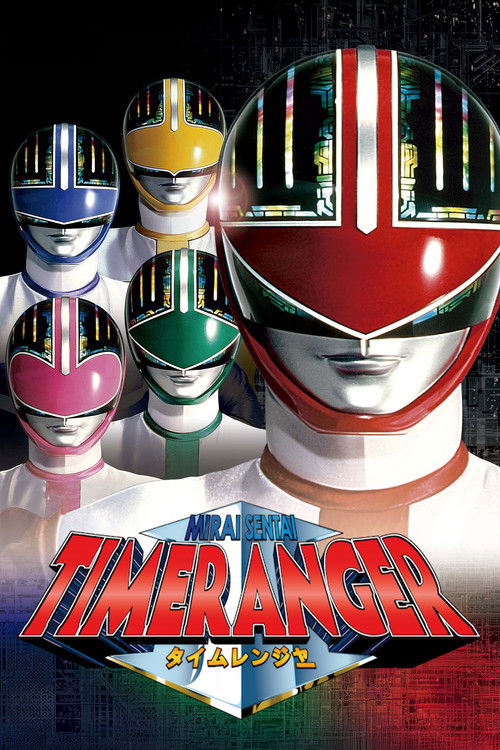
It's the 30th century and time travel is illegal. To help monitor and police time crimes, the Time Protection Department is founded. But when Don Dolnero and his nefarious gang manage to trick four new TPD cadets into allowing them travel to the 20th century, the four cadets are forced to pursue them for the sake of history. There, in a time foreign to them, the cadets enlist Tatsuya Asami, a young martial artist, to aid their mission. Together, these five youngsters become the Timerangers. And though they try to live as ordinary 20th-century citizens, the Timerangers dedicate their lives to stopping Dolnero and others that may follow in his footsteps, attempting to forever alter the proper timeline!
Mirai Sentai Timeranger
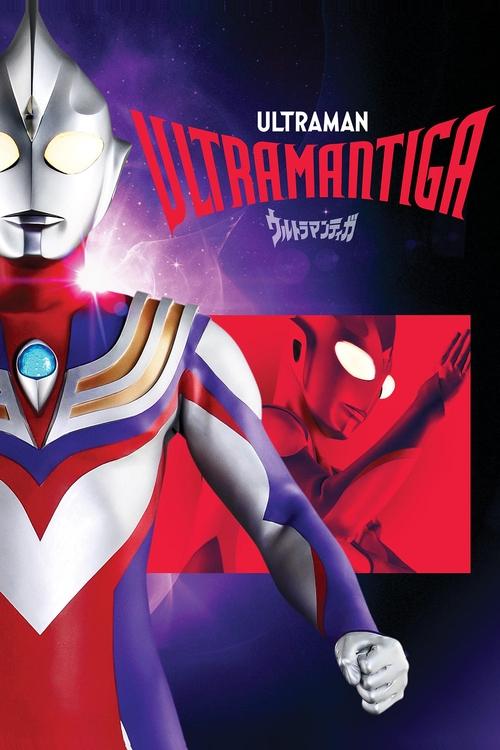
A high-tech squadron protects Earth from evil monsters and aliens with the help of a giant super-being named Ultraman Tiga.
Ultraman Tiga
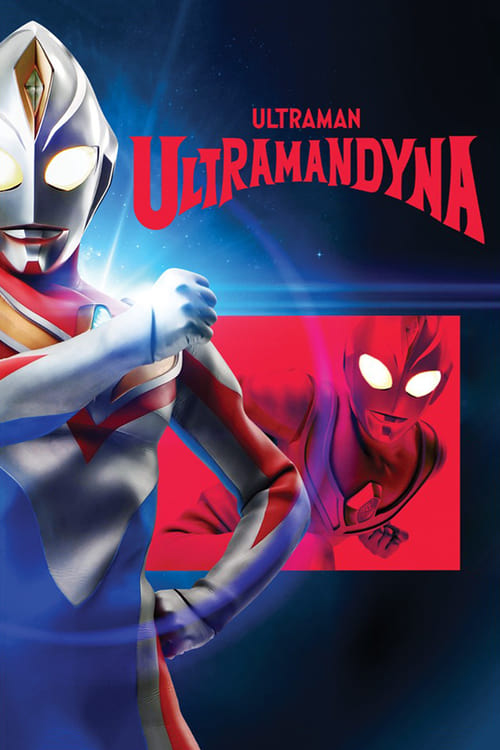
As humanity begins migrating beyond Earth, a new Ultraman named Dyna arrives and bonds with defense organization GUTS' newest recruit, Shin Asuka, to protect a colony on Mars.
Ultraman Dyna
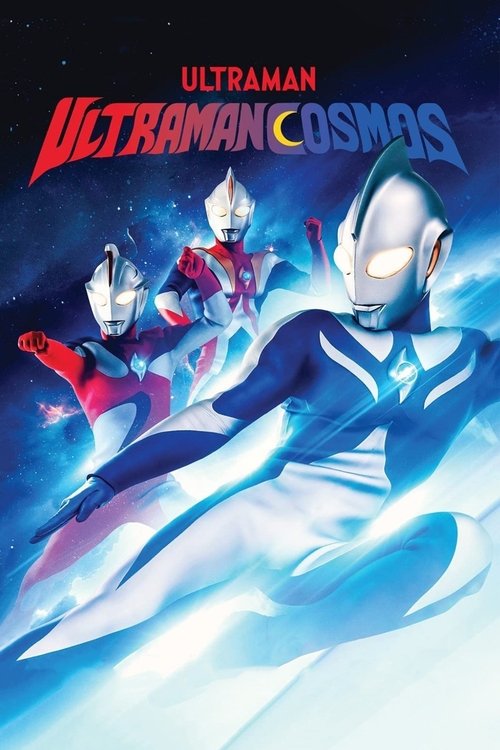
Ultraman Cosmos is a calm and gentle alien of unknown origin who seeks to protect Earth. Unlike most Ultramen, Cosmos is a pacifist and prefers to resolve his disputes or disagreements by the way of peace.
Ultraman Cosmos
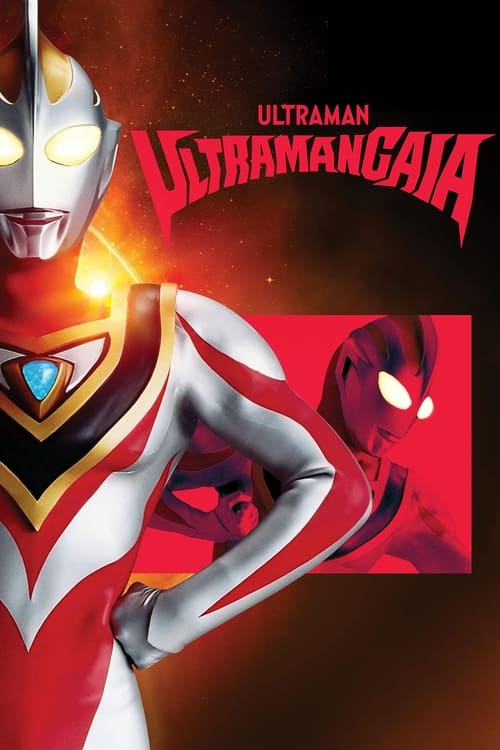
Ultraman Gaia is a Japanese tokusatsu TV show and is the 13th show in the Ultra Series. Created by Chiaki J. Konaka and produced by Tsuburaya Productions and Mainichi Broadcasting System, Ultraman Gaia was aired on JNN TV stations from September 5, 1998 until August 28, 1999, with a total of 51 episodes.
Ultraman Gaia
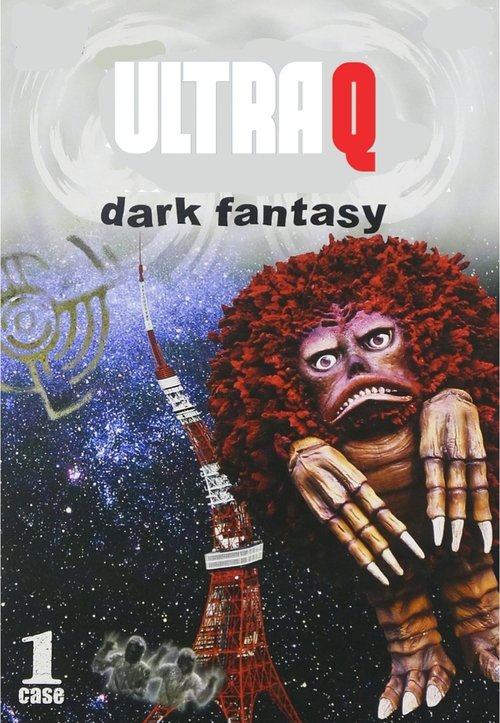
Ultra Q: Dark Fantasy is a 2004 production, and the 19th installment in the Ultra Series that was broadcast in Japan in 2004. It is a sequel to Ultra Q, the first of the Ultra Series. It retains the same swirling effect for the titlecard, but with the words "Dark Fantasy" added underneath, the title also remains black and white.
Ultra Q: Dark Fantasy
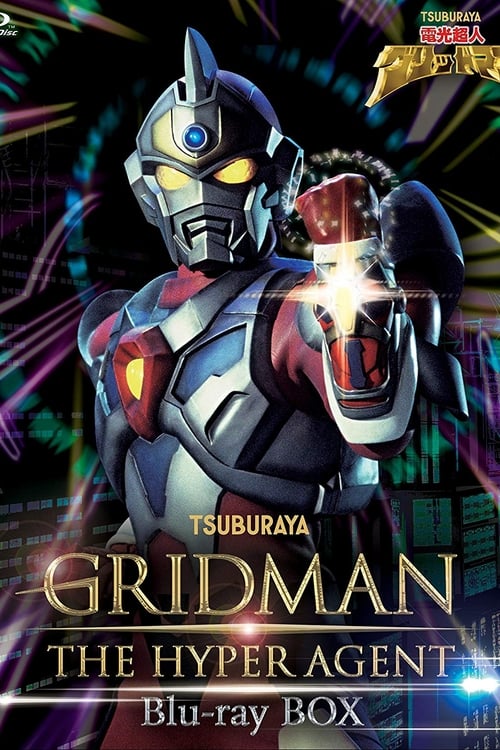
Three computer-savvy kids, Naoto, Yuka and Ippei created their own videogame superhero, but then discover it possessed by an inter-dimensional police officer, Gridman. Pursuing an evil program called Kahn Digifer, he merges with Naoto and fights Kahn Digifer's digitized monsters in order to prevent the computerized demon from wreaking havoc on the Human World.
Gridman the Hyper Agent
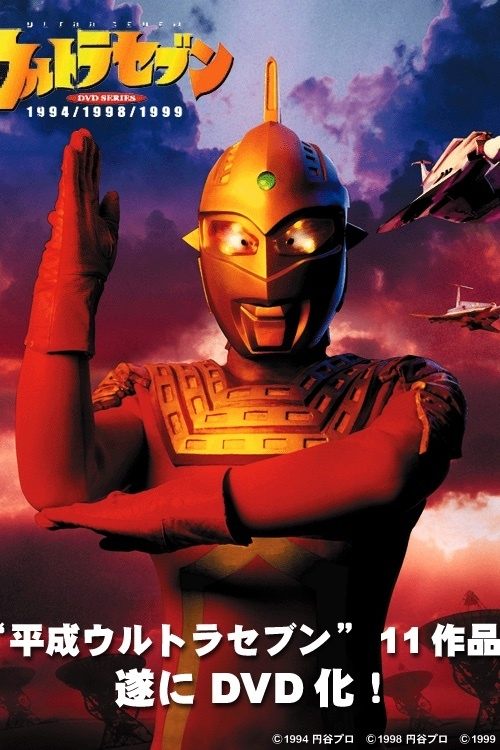
The Heisei Ultra Seven series follows directly from the final episode of the original series, ignoring the M78 continuity altogether and establishing Ultraseven as the only Ultra being to have arrived in this universe. This is a series of specials, beginning with 1994 edition which aired on Nippon Television, followed by the Memorial Trilogy in 1998, The Final Chapters in 1999, and EVOLUTION in 2002, all of which were direct-to-video.
Heisei Ultraseven
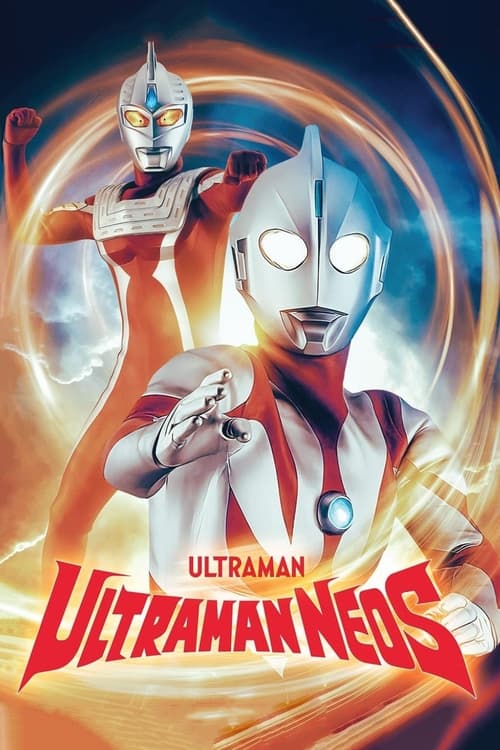
Ultraman Neos is a Japanese tokusatsu show, being the 17th show in the Ultra Series. Produced by Tsuburaya Productions, Ultraman Neos was initially intended as a TV series but the project was shelved. Years later, Tsuburaya turned the concept into a 12-episode direct-to-video series. In spite of the appearance of similar designs and a cameo by Zoffy, the series is set in an alternate universe.
Ultraman Neos

Live action adaptation of the cartoon and comic. The story focuses on a high school boy who boards with an all-female family. When he discovers that he can turn invisible, it naturally leads to risque situations, particularly involving the girls that he lives with.
Oh! Invisible Man

National charisma comic legend! Sexy comedy "Oh! The Invisible Man" miracle of a movie again! ! Gene of salmon roe is stir up is ... father and daughter double Invisible Man that was also passed on to daughter delightful comedy! !
Oh! Invisible Man - Invisible Girl Appears!?
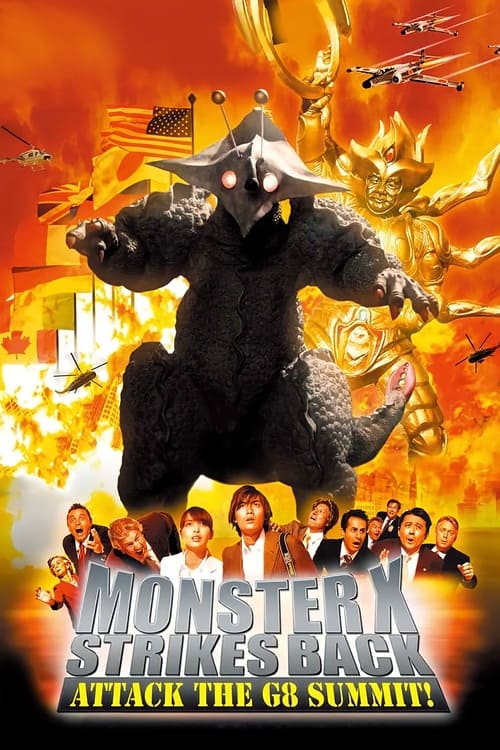
When heads of state gather at the G8 summit in Japan, Guilala -- the intergalactic monster that had been banished from the earth in The X from Outer Space -- returns to ravage the Japanese countryside and threaten the world leaders. Military strikes prove futile against the beast, but a reporter learns that one rural community possesses a strange ritual that might influence the creature. Minoru Kawasaki directs this campy satire.
The Monster X Strikes Back: Attack the G8 Summit
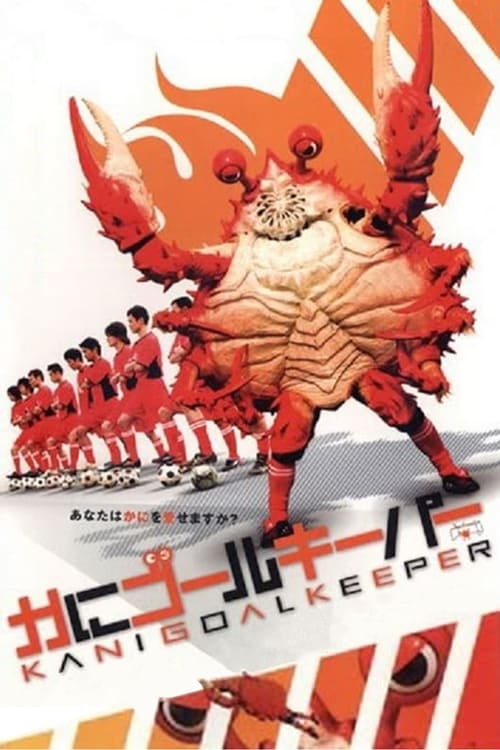
From Minoru Kawasaki, the director of "The Calamari Wrestler," "Executive Koala," "The Entire World Sinks Except Japan," and "The Rug Cop," comes the epic story of a giant crab who washes ashore, befriends a boy, finds love, and becomes a sports legend. The film has been described by Kawasaki as being 'like Forrest Gump...but with a crab.'
Crab Goalkeeper
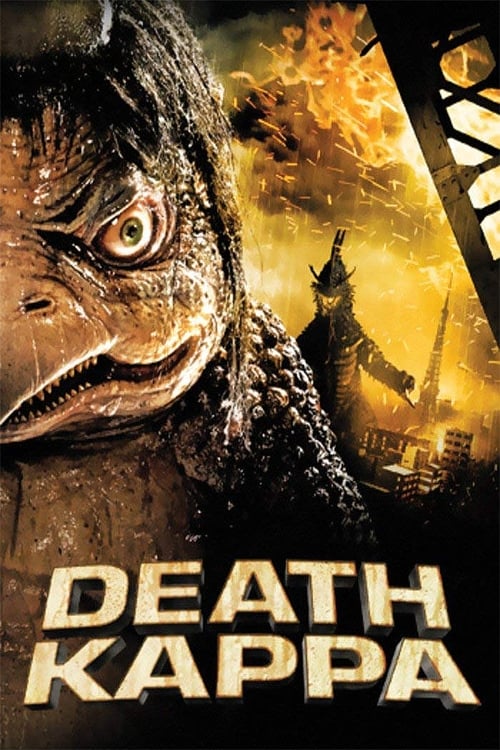
When military experiments go haywire and trigger an atomic bomb, the consequences are of epic proportions. A monster arrives in the midst of the nuclear fallout, and Japan's defenses are helpless against it. Mankind's only savior is an irradiated water goblin from Japanese folklore called the "Death Kappa." The two rival monsters must go head-to-head in the ultimate battle between good and evil!
Death Kappa

Yuta, a young master at the Tsukiji Fish Market, accidentally drops his meal of mixed seafood into the Sumida River. Some time afterwards a gigantic mutated squid monster arises from the depths and begins to wreak havoc upon an awe-stricken Tokyo. Attempts by the Japan Self-Defense Forces to stop the creature prove futile. As it seems things couldn’t get any worse an enormous mutant octopus monster emerges from the deep and heads into a clash of the titans with the gargantuan squid! As a last ditch effort, the government forms the “Seafood Monster Attack Team (SMAT)” and an all-new plan of attack is immediately put into action. But just as the tide appears to be turning in humanity’s favor, a colossal crab monster appears, joining in the Monster Seafood Wars and plunging the world into culinary chaos…
Monster SeaFood Wars
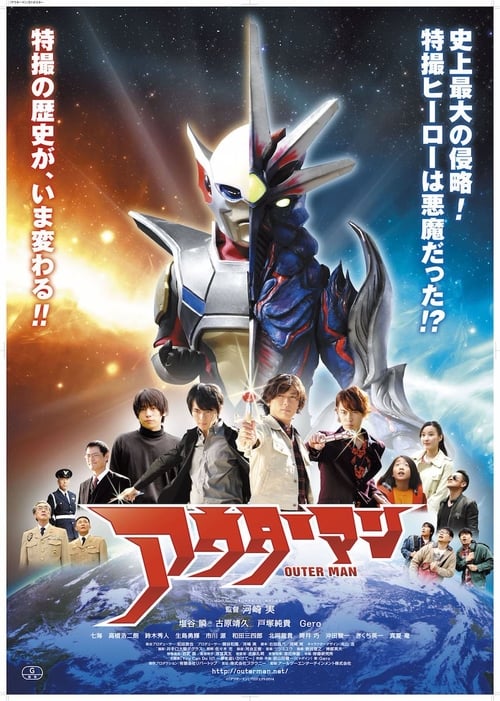
For 50 years, "Outer Man" has been a cultural icon in Japan, a superhero TV series as ingrained in the national psyche as Ultraman. Generations have grown up watching the heroic Outer Man defend Earth from the monstrous Sylvie Seijin. But the line between fiction and reality blurs when a giant alien, identical to Outer Man, descends upon Tokyo.
Outer Man
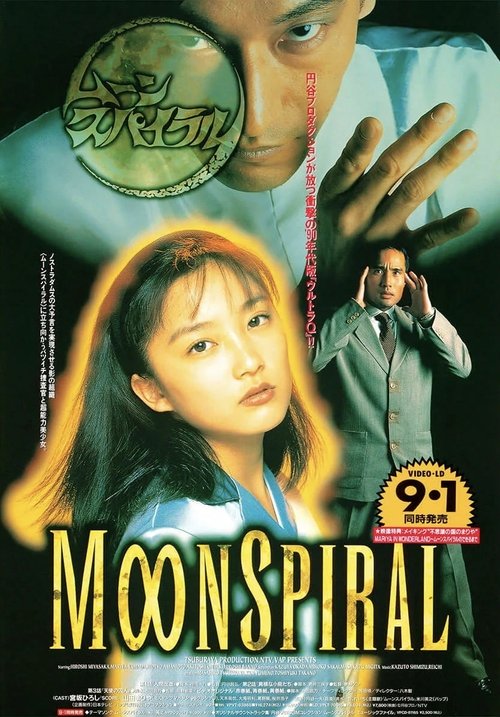
In 1999, a detective named Kisaku Hakko and his daughter Chihiro fight against a mysterious organization called the "Moon Spiral", which is secretly working to bring about the end of the world prophesized in Nostradamus' poetry collection "Les Prophéties".
Moon Spiral
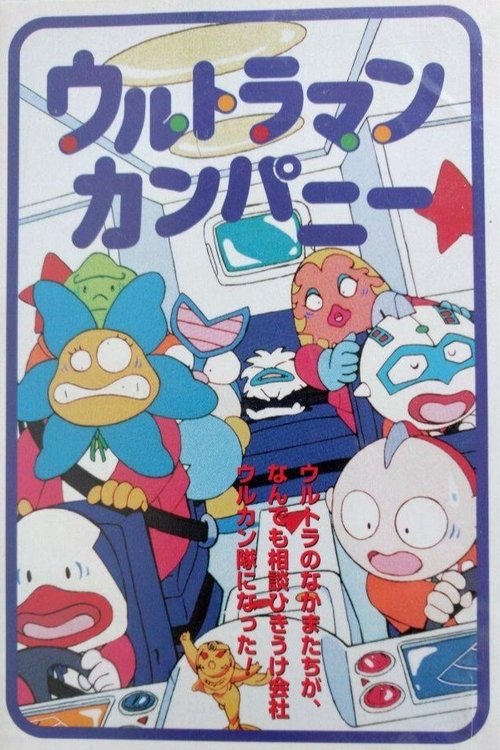
Ultraman anime film released in 1996 alongside Revive! Ultraman and Ultraman Zearth.
Ultraman Company
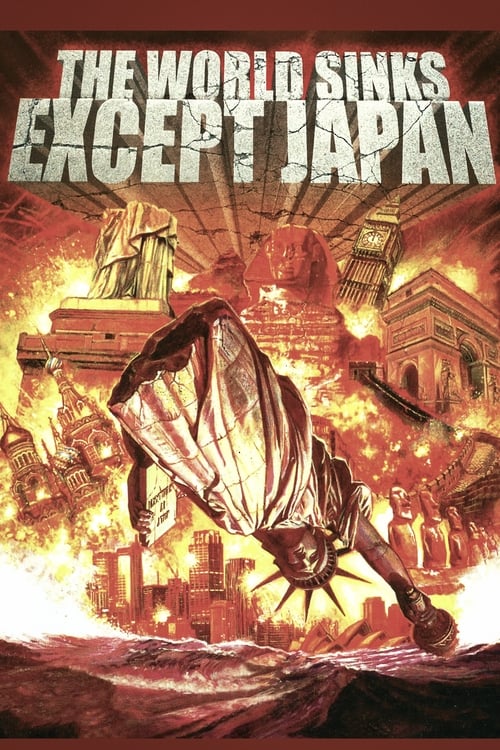
In the year 2011 the greatest tectonic disaster in the history of mankind has occurred. As a result of the catastrophic earthquakes North and South America, Eurasia, Africa and Australia have sunken underwater while the Japanese islands remain untouched.
The World Sinks Except Japan

Miwa is informed that her time is limited due to heart disease. Submitting a letter of resignation to her workplace, she says good‐bye to her boyfriend Shinji, afraid of becoming a burden to him. Throwing off Shinji's hand, Miwa sets off on a lonely journey. The one who comforts the broken‐hearted Shinji is his colleague, Kyoko. Soon, the two fall for each other and become lovers. Learning of their relationship, Miwa goes mad with jealousy. She tries to trap Shinji with whatever means she can. Becoming a stalker, Miwa persistently corners Shinji and Kyoko. How far will she go?