
Rodion Shchedrin
Sound
Biography
Rodion Konstantinovich Shchedrin (Russian: Родион Константинович Щедрин, IPA: [rədʲɪˈon kənstɐnʲˈtʲinəvʲɪtɕ ɕːɪˈdrʲin]; 16 December 1932 – 29 August 2025) was a Soviet and Russian composer, pianist, and music teacher. He wrote in a wide range of genres, including operas such as Lolita and The Left-Hander, and ballets such as the Carmen Suite, created for his wife, the ballerina Maya Plisetskaya of the Bolshoi Theatre. His orchestral works includes five concertos for orchestra and six piano concertos, in which he often appeared as soloist. He also composed vocal works such as The Sealed Angel, as well as chamber music and film scores, including Anna Karenina. His works have been widely performed and commissioned internationally, particularly in the United States and Western Europe. Shchedrin is regarded as one of the leading composers of the late Soviet period and an important figure in Russian contemporary music in the decades that followed. Shchedrin was born in Moscow on 16 December 1932, into a musical family: his father was a composer and teacher of music theory, and his grandfather was an Orthodox priest. He was exposed to spiritual independence and critical awareness at an early age. He studied at the Moscow Choral School and Moscow Conservatory, where he studied composition with Yuri Shaporin and piano with Yakov Flier, graduating in 1955. Shchedrin's early works are tonal and colourfully orchestrated, often incorporating elements of folk music, while some of his later compositions employed aleatoric and serial techniques. An accomplished pianist and organist, he performed the solo part of his First Piano Concerto in 1954, while still a student, with Gennady Rozhdestvensky conducting. The concerto draws on Russian folklore, combining empathy with ironic detachment. Although a capable performer, he decided early to focus primarily on composition. Among his early works was the ballet The Little Humpbacked Horse, premiered in 1955. In 1958 Shchedrin married the ballerina Maya Plisetskaya, who later became prima ballerina of the Bolshoi Theatre, and they remained together until her death in 2015. Many of his ballets were written with her in mind, including Carmen Suite (1967), Anna Karenina (1971, based on Tolstoy's novel), and Lady with a Lapdog (1985, after Chekhov's short story). The couple were prominent figures in the cultural life of the Soviet Union, although both were closely monitored by the KGB. ... Source: Article "Rodion Shchedrin" from Wikipedia in english, licensed under CC-BY-SA.
Known For
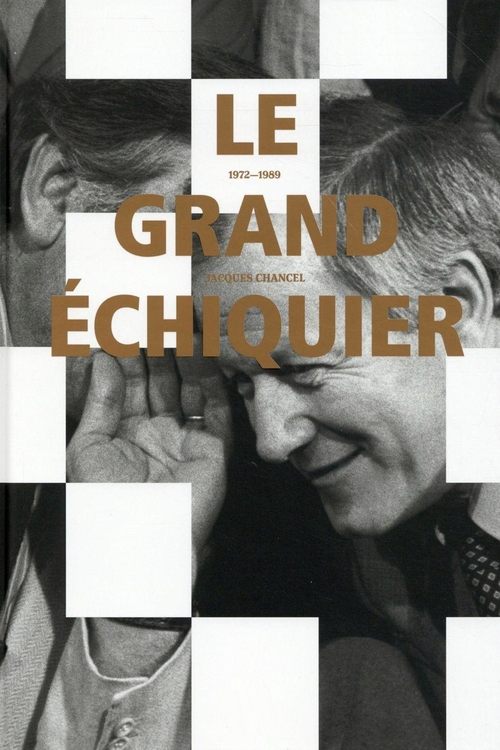
Le Grand Échiquier is a French variety television program created and presented by Jacques Chancel. It aired at 8:30 pm on the first channel of the ORTF from January 12, 1972 to July 12, 1972, then on the second color channel of the ORTF from September 1972 to December 1974, and finally on Antenne 2 from January 1975 to December 21, 1989. The program returned to France 2 on December 20, 2018 and is hosted by Anne-Sophie Lapix.
Le Grand Échiquier

A certain number of French fighter pilots who will not accept the Second Armistice at Compiègne nor Vichy's orders decide to join the USSR. Once they have reached Moscow they resume training and form a squadron they call "Normandie". Reinforced in 1944, the squadron wins many victories. Following the acts of valor displayed by its pilots during the Battle of the Nieman River, it becomes the "Normandie-Niemen" squadron for the rest of times...
Normandy - Neman
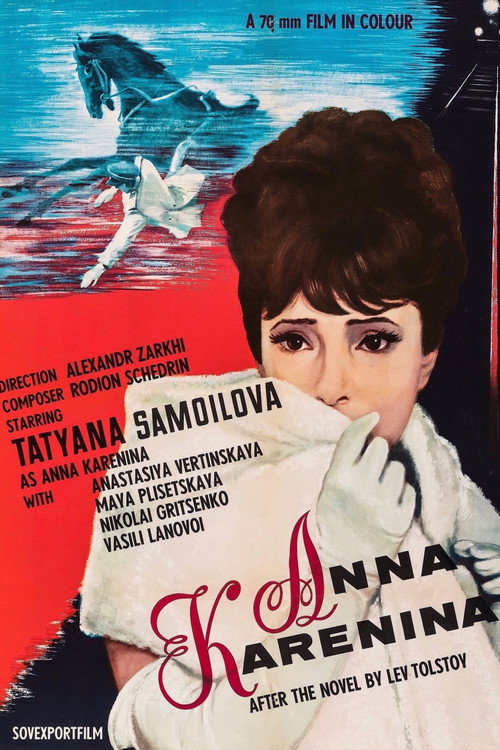
In Imperial Russia, Anna, wife of the officer Karenin, goes to Moscow to visit her brother. On the way, she meets charming cavalry officer Vronsky, to whom she's immediately attracted. But in St. Petersburg’s high society, a relationship like this could destroy a woman’s reputation.
Anna Karenina
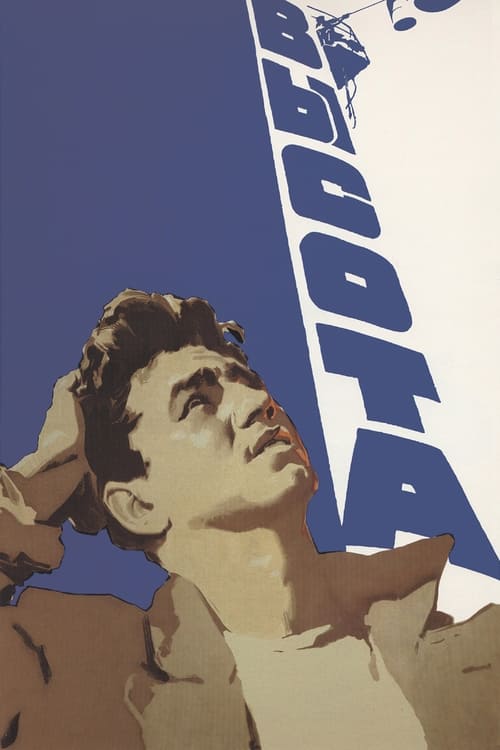
For the construction of the plant comes a team of ironworkers, they will carry out the installation of the blast furnace according to the new method. A film about the difficult characters of ordinary Soviet people who know how to work, dream, love - to build a great human happiness.
Height
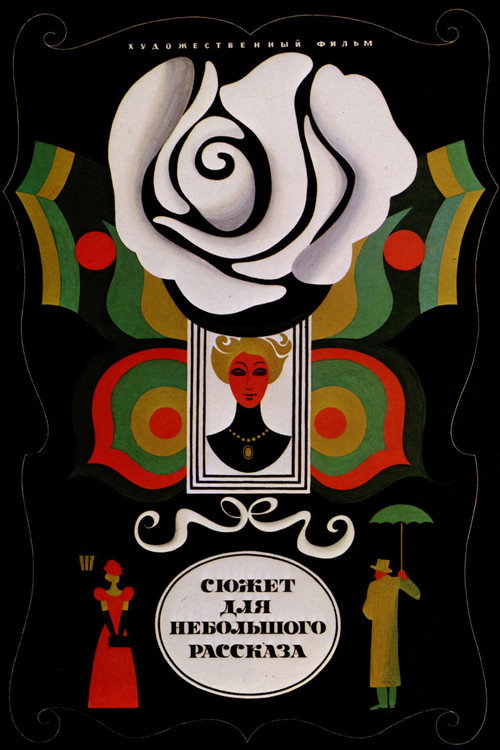
The film tells about Anton Pavlovich Chekhov. October 17, 1896. On the facade of the Alexandrinsky Theater — a poster about the premiere of "The Seagull". A few hours are left before the performance. Chekhov and his sister Masha are expecting Lika Mizinova from Moscow station to arrive from Moscow. Chekhov is alarmed by the upcoming premiere, excited by the meeting with love, which never took place. Memories of acquaintance with Lika, of the experiences caused by the rude scolding of newspaper men who predicted the young writer the inglorious "death under the fence", about the unexpected decision for everyone to go to Sakhalin...
Subject for a Short Story
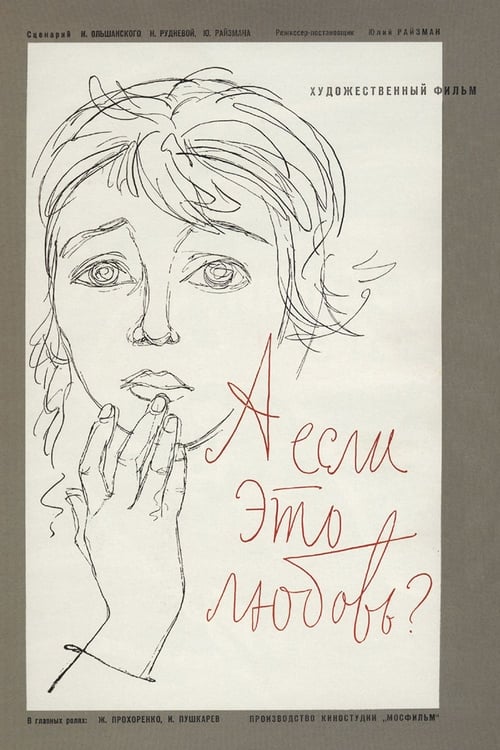
High school students Ksenya and Boris are in love but all the world is against them.
But What If This Is Love?
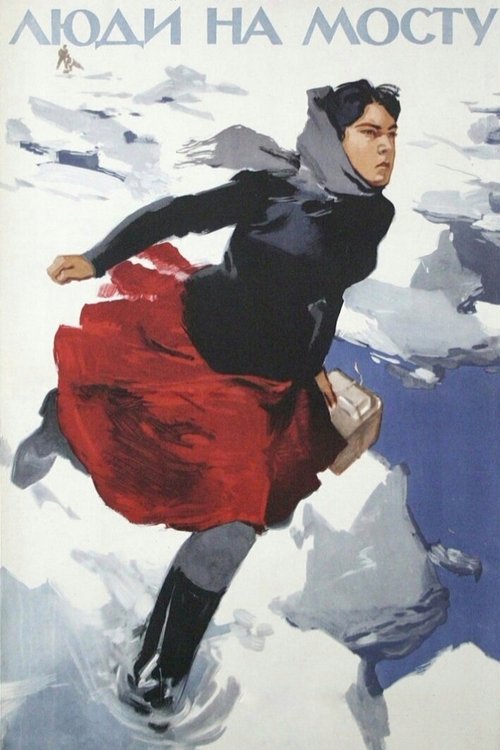
The end of the 50s. The former head of the department Bulygin is sent from Moscow to Siberia to build a bridge across the Severnaya River. With him goes his family: his wife, son, daughter and his daughter's fiancé. Once an experienced builder, and now just an overbearing official, Bulygin cannot find common ground with the workers, and people begin to leave the construction site. However, after many experiences and mental trials Bulygin regains the features of a skillful leader.
People on the Bridge
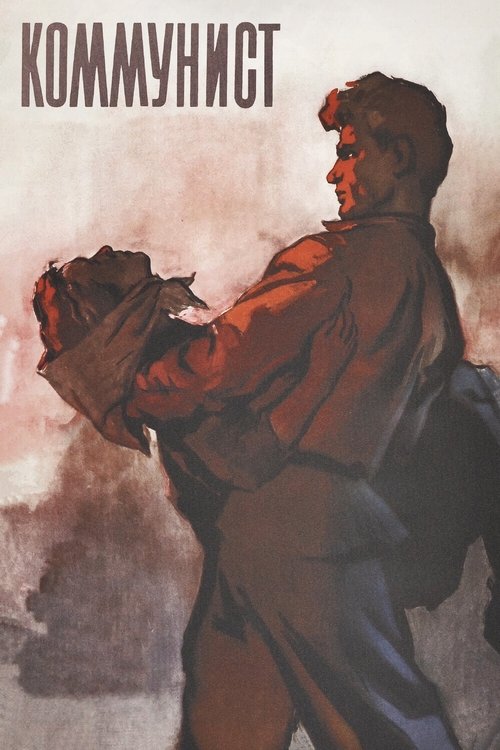
A young ordinary communist, Vasiliy Gubanov, was among many who took part in the construction of the most important facility for the young republic, the power plant. He did his job in a way that was beyond human ability. He could love, too, with a passion and a passion for self, but his life was cut short very early.
The Communist
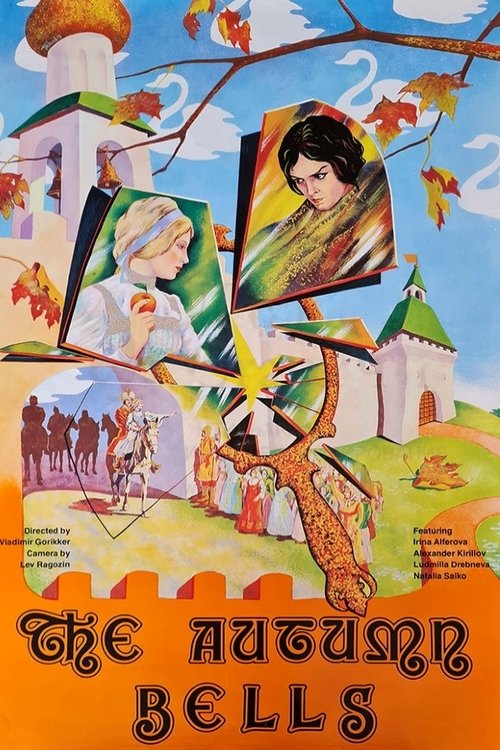
A musical fairytale based on the poem "The Tale of the Dead Princess" by Alexander Pushkin.
Bells of Autumn
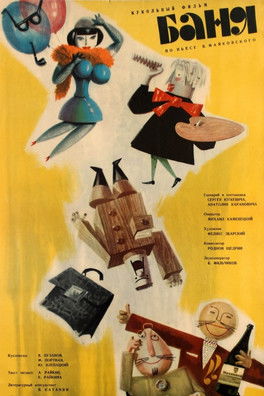
Inventor Chudakov builds a time machine. All that remains is to interest the technical innovation officials and receive authorization to continue the experiment. And it turns out that's the hardest part! The end point in this inventor's struggle will only be set by a "phosphoric woman" arriving from a wonderful future...
The Bath House

A film almanac consisting of two short stories, united by a common idea of the need to maintain harmony between private and public interests: “Suite” and “One Fine Day”. The hero of the story ”Suite" is a lifeguard on the shore. The events taking place at sea do not bother him at all. To the music of Bizet, he dreams of Carmen, her exploits, valor and strong love... The hero of the short story “One Fine Day”, a promising researcher, one morning saw a spaceship from his balcony. Do this a little restlessly to his mother-in-law, neighbors, acquaintances, boss and, finally, to a psychiatrist...
One Fine Day

In Imperial Russia, Anna, wife of the officer Karenin, goes to Moscow to visit her brother. On the way, she meets charming cavalry officer Vronsky, to whom she's immediately attracted. But in St. Petersburg’s high society, a relationship like this could destroy a woman’s reputation. A Bolshoi Ballet adaptation of Leo Tolstoy’s novel with choreography by Maya Plisetskaya, who also took on the titular role.
Anna Karenina
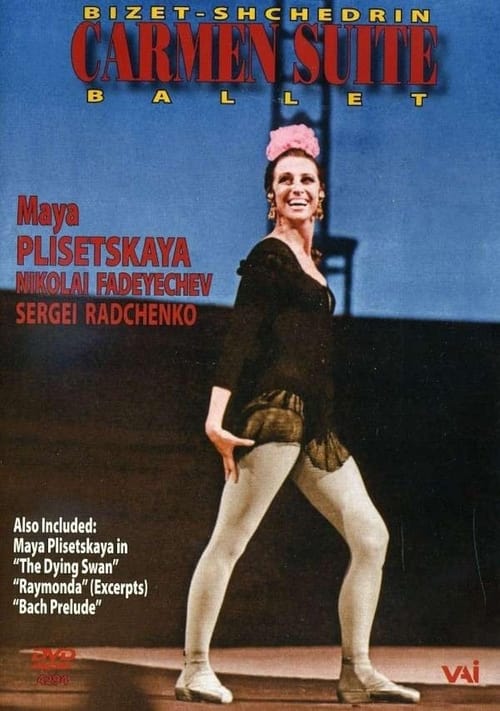
The plot centres on the tragic fate of Carmen, a gypsy girl, and Jose, a soldier who has fallen in love with her and whom Carmen leaves for the young Torero.
Carmen Suite
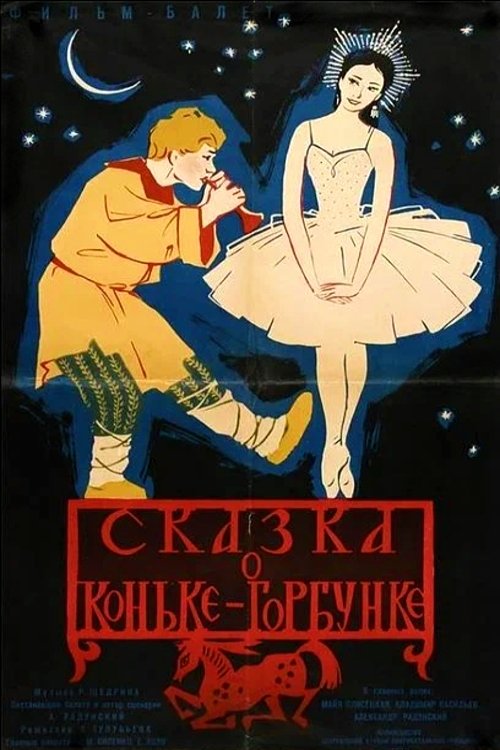
The Bolshoi Ballet performs the Russian fairy tale of a Queen Maiden (Maya Plisetskaya), a stableboy (Vladimir Vasiliev) and a lucky horse (Alla Shcherbinina).
The Little Humpbacked Horse

The telefilm is dedicated to one of the greatest conductors of the 20th century, Yevgeny Fyodorovich Svetlanov.
Yevgeny Svetlanov. A Memory...
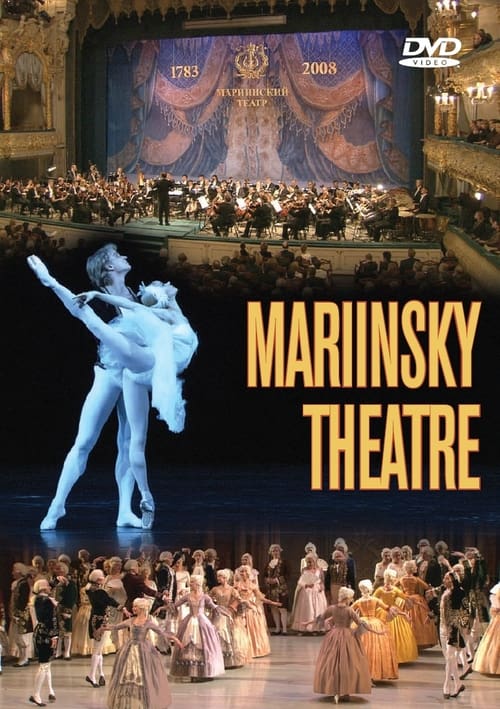
A look at the rich history of the Mariinsky Theatre in the birth and growth of the Russian tradition in opera, music and ballet.
Mariinsky Theatre
A film adaptation of Rodion Shchedrin's ballet staged by the USSR State Ballet Theater.
The Little Humpbacked Horse
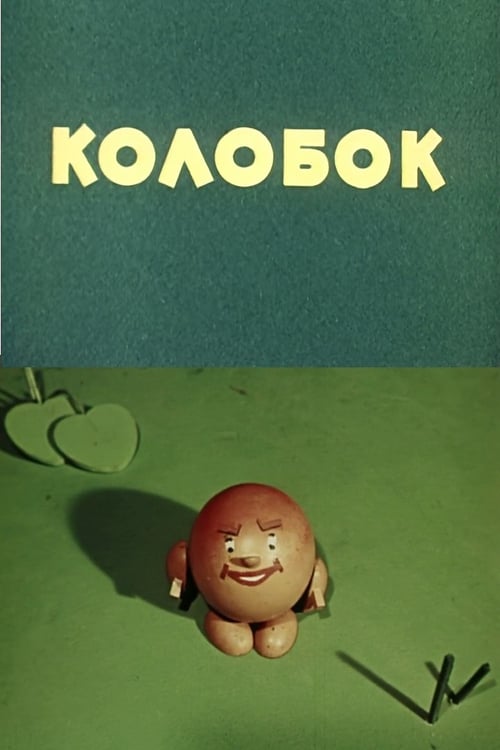
A dough-ball runs away from the old man and old woman who made him and overcomes various forest animals until he meets the fox. Based on the Russian folk tale.
Kolobok
No description available.
It's not Dripping Over Us

Carmen: Impetuous Carmen seduces Don José in order to convince him to let her out of jail. Once outside, she thinks she’s finally free before realizing that she’s in fact prisoner of a love triangle: she wants to be with the famous Torero Escamillo, but she can’t make Don José go away. Petruska: At Saint-Petersburg’s carnival, three puppets are playing the same role over and over: the unhappy lover Petrushka, the coquette and a Moor. Fed up with this endless part that never goes well for him, Petrushka attacks his rival and flees from the puppets theater. Carmen Suite, staged by Alberto Alonso, is a one act ballet about a passionate, free-spirited woman caught in a love triangle. Stanislavsky’s Petrushka, choreographed by Edward Clug, encapsulates the story of a puppet that came to life, burdened by the human emotions of love, jealousy, and rage. Both stories envelop the characters which refuse to abide by the rules, to whom even the thought of submission is repulsive.