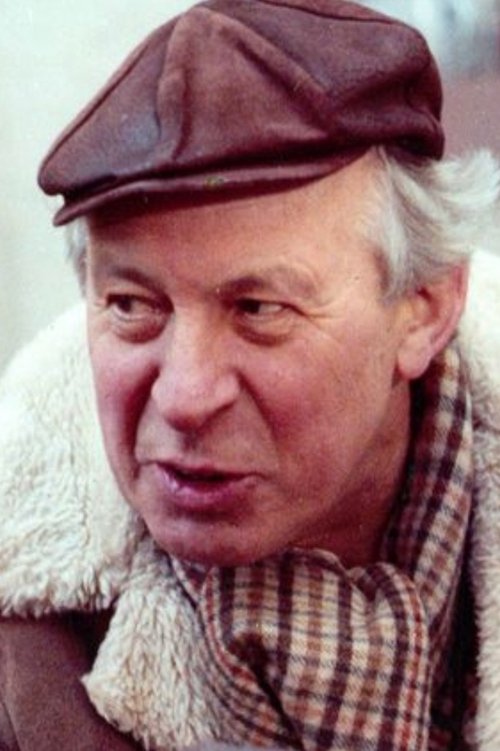
Horst E. Brandt
Directing
Biography
Horst E. Brandt was a German film and television director who became known in the GDR for films on political themes.
Known For
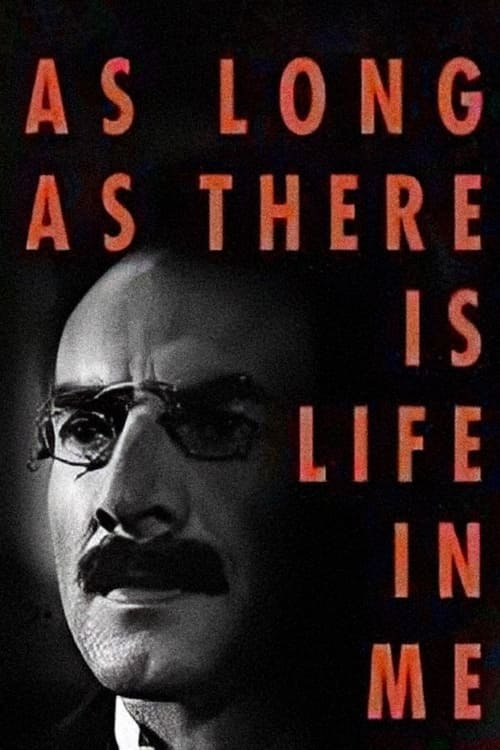
This is part one of a two-part biopic about Karl Liebknecht. In 1914, Germany is arming itself for war. Karl Liebknecht, left-wing revolutionary Social Democrat, workers’ leader and a virulent antimilitarist, is one among 110 SPD members of Parliament who vote against approving war loans. From then on, he is considered un-German and a traitor to the fatherland, and his own party’s leadership turns against him. Despite threats, Liebknecht speaks up against the war and writes the manifesto “The Main Enemy Is at Home.” Even when he is arrested and charged with treason, he does not surrender.
As Long as There’s Life in Me
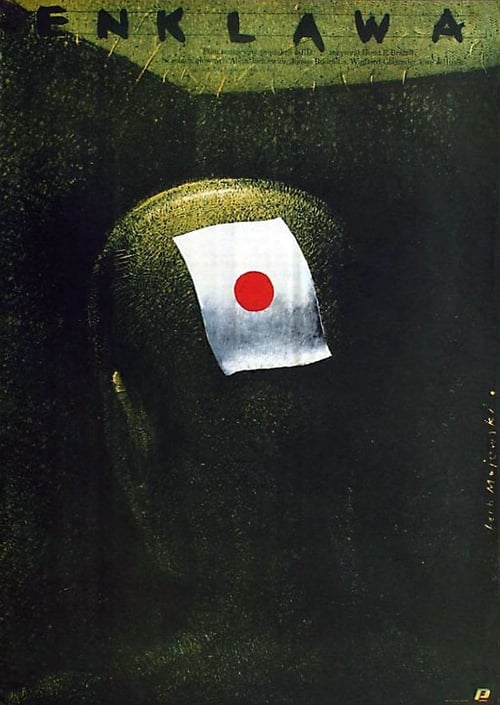
South America at the beginning of the 1980s. A man is on the run from a group of armed pursuers. He does not manage to escape and is shot down mercilessly. Young Maria witnesses the cruel event and asks her friend, the journalist Oswaldo, to find out about the backgrounds of this case. The police also start to investigate the case and find out that a mysterious German farm is involved in the shooting. But the farm lies in an exterritorial area, thus the police officers cannot investigate any further.
Die Kolonie
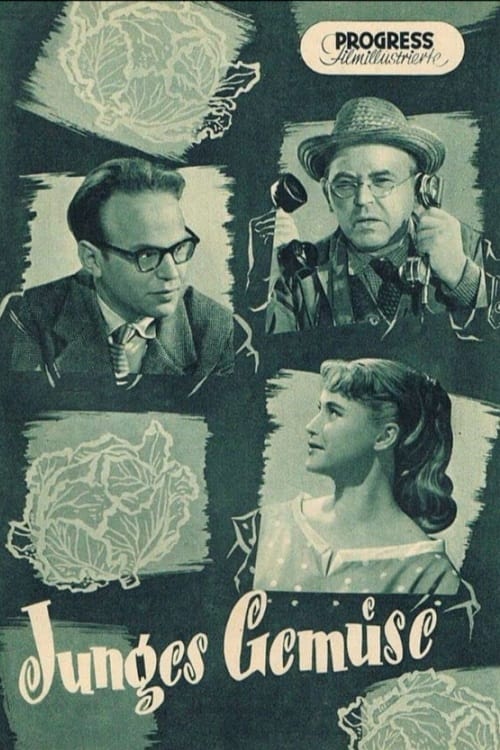
At a GDR farm, VEAB chief Amann bans cabbage in favor of cauliflower, enraging LPG accountant Gritt. Mistaking visiting writer Hans Brauer for a high-level inspector, Amann backpedals, clearing the harvest issue, while Brauer and Gritt spark an unexpected romance.
Junges Gemüse
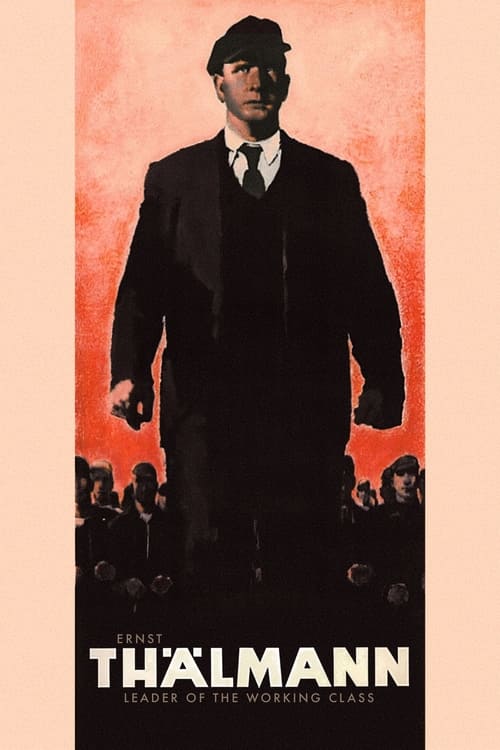
This film is the second of a two-part historical and biographical portrait of the communist politician and anti-fascist Ernst Thälmann. Autumn, 1918: Somewhere on Germany’s western front, Ernst Thälmann, age twenty-four, is calling on his fellow soldiers to put down their guns and join him in the communist struggle at home. When Hamburg’s Police Commissioner blocks a much-needed food shipment to the workers of Petrograd, Ernst battles to see it allowed through. Until his murder on August 18, 1944, Ernst remained true to his political convictions in the face of many setbacks.
Ernst Thälmann – Leader of the Working Class
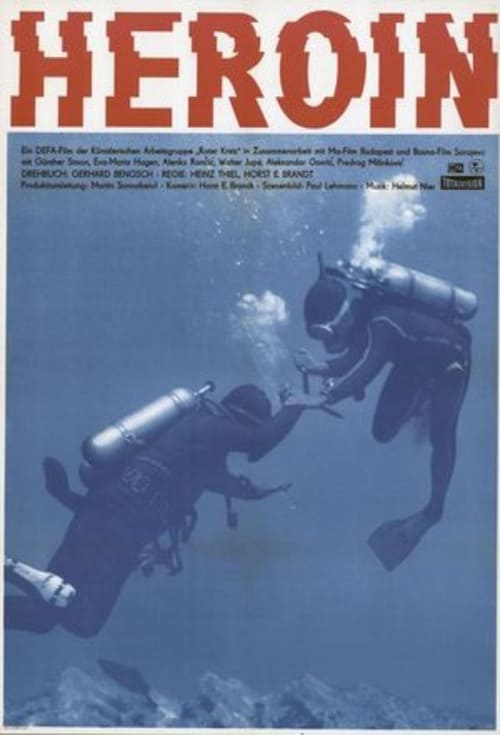
This East German movie was co-produced with studios in Hungary and Yugoslavia, with many interesting location shots (border checkpoint to West Berlin, the Gellert bath in Budapest, and more). The plot is about French drug dealers, who obtain heroin somewhere in the Middle East, and smuggle it in several steps to East Berlin, and from there to France (or so it appears), killing when necessary. The hero is an officer of East German customs, who with detective work, some masquerade, and occasional violent action ultimately unravels the whole network, of course with the support of the local customs departments.
Heroin
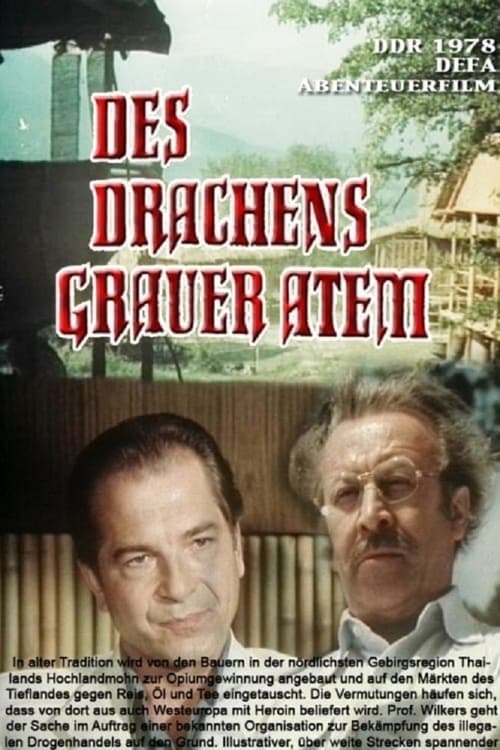
Professor Wilkers saw the trip to Thailand as a welcome change. But already in Bangkok, the starting point of his research into the origin of the drugs whose abuse he is trying to combat as a member of an international commission, he encounters extreme contradictions. The Swiss doctor is tempted to solve them, as the claims of the rich silk manufacturer Tracy Blake sound truthful and bitter, yet extremely strange. Leo Wilkers decides to embark on a life-threatening venture: He moves into the mountains near the border with Burma. Up there, in the village of Muong Nan, whose headman is at the same time in prison in Bangkok worrying about who in the capital might be interested in his arrest, Wilkers learns about the necessity of poppy cultivation in these areas.
Des Drachens grauer Atem

East German film about the history of Red Orchestra, a real life German pro-Soviet spy ring created after the rise of Hitler that turned into a resistance movement led by a leftist Nazi officer, Harro Schulze-Boysen, and Arvid Harnack.
KLK Calling PTZ – The Red Orchestra
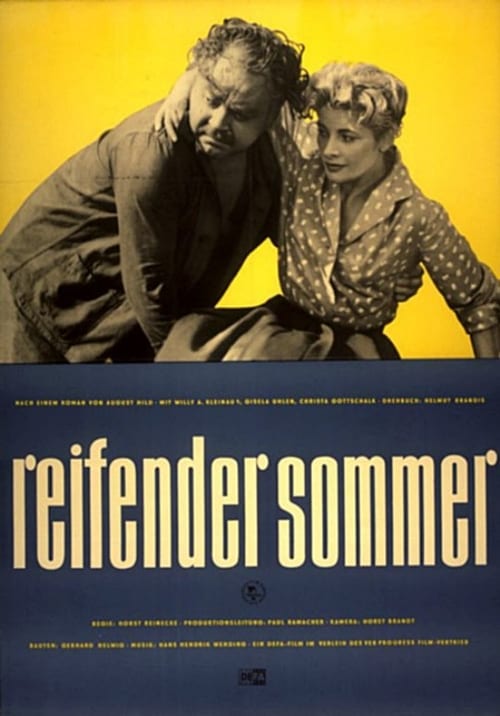
In 1952, former farmhand Erich Kattner arrives in a Mecklenburg village from West Germany to take on a new farming job, which he had originally planned to do together with his wife. She has died shortly beforehand, and so he finds himself alone with the almost unmanageable work. His predecessor has capitulated, the new house and barn are only half-finished, tree stumps still have to be cleared in the fields and much more besides. He is skeptical of outside help. He asks Thekla, the maid of the richest farmer, whom he met on his first day in the village, to start working for him, but she refuses. When she does start working on Erich's farm after an approach from her "master", he only sees her as a work partner.
Reifender Sommer

Former East German engineer Erich Becker had been lured to West Germany by promises of a high reward. Now residing in Stockholm, he is recalled to serve as a spy in the East. He is to convince Dr. Jadenburg to flee from the GDR with the help of his daughter Hanna, who works for the West. While travelling on the train with Hanna, he is told that he is also to murder another agent who betrayed and now works for the Stasi. The traitor is revealed to be a former friend of Becker, Harry Korb.
Reserved for the Death
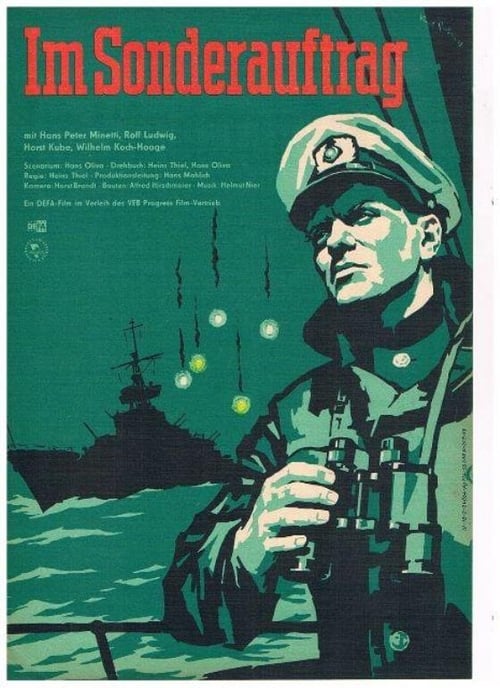
A warship returning from a training exercise was tasked with apprehending an unknown schooner that had violated GDR territorial waters. Although nothing illegal was found during the search of the ship, the ship's commander Fischer was suspicious of the owner of the schooner, Arendt, a former lieutenant of a Nazi coastal battery. Fischer's doubts were confirmed when a diver came aboard the schooner and photographed a military object underwater. The investigation showed that the detained schooner was on a sabotage mission, and the "activities" of Arendt, a former Gestapo Obersturmführer, were also revealed.
Im Sonderauftrag
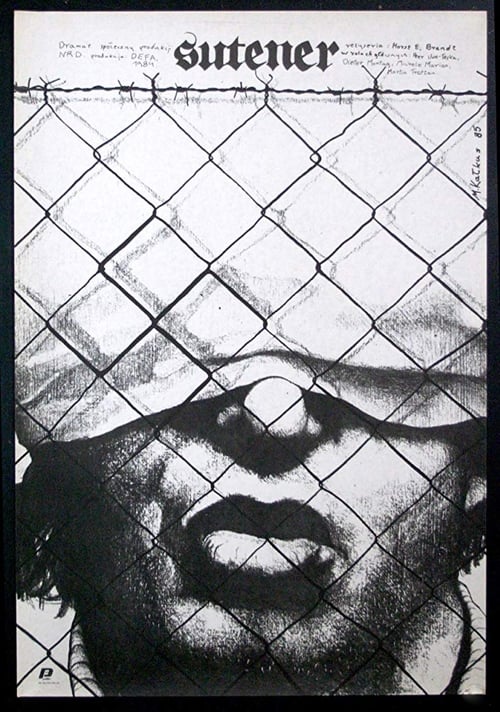
Berlin in the early 1930s. Bello is an unemployed young man who loves the underage Frieda. In order to earn a living for both of them, Frieda goes on the streets. An inspector from the political department takes advantage of this to blackmail Bello into providing informer services. But that's not all. A jealousy murder among pimps, whose victim is a high-ranking Nazi, is blamed on the Communists, and Bello is supposed to be the key witness. He refuses. When the Nazis come to power, they reopen the case to turn the murdered man into a martyr. Bello still refuses. He now believes he is safe because Frieda is now of age. But he pays for his refusal with his life.
Der Lude

Kurt, an apprentice in a fish combine, is an ambitious loner. He wants to show what a good sailor he is at a regatta, but fails because of his recklessness and the storm. Disappointed, he seeks affection from the girl Anke, but she loves the apprentice Hannes. During a trip together with Captain Laue, who presents himself as a fatherly friend to Kurt, the boys get into an argument. However, when Laue makes an unscheduled call at Bornholm and Kurt discovers that Laue wants to sell the cutter's catch and equipment and flee, he buries his differences with Hannes. Together and with the help of the old fisherman Jens, the boys rescue the cutter.
SAS 181 antwortet nicht
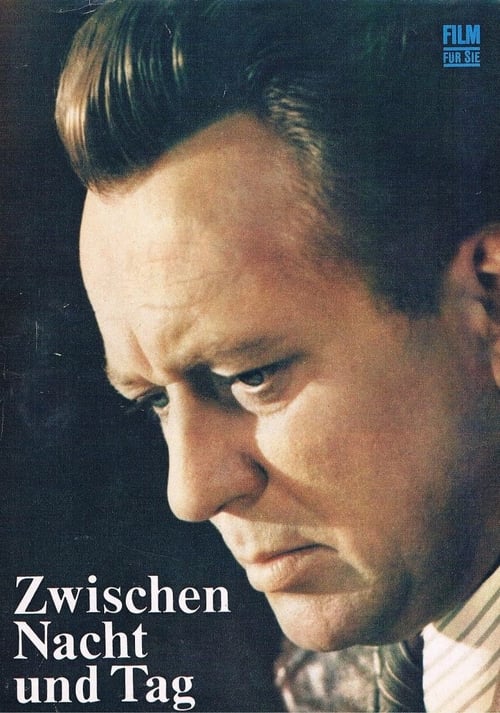
Episodes from the life of German poet and communist Erich Weiner: his stay in Paris, participation in the Spanish Civil War, years of exile in Russia. Moscow, May 1941. Children play in the sun, young people fall in love, make plans for their future. German emigrants, including 50-year-old Erich, are concerned about events in their homeland and sense impending disaster...
Zwischen Nacht und Tag
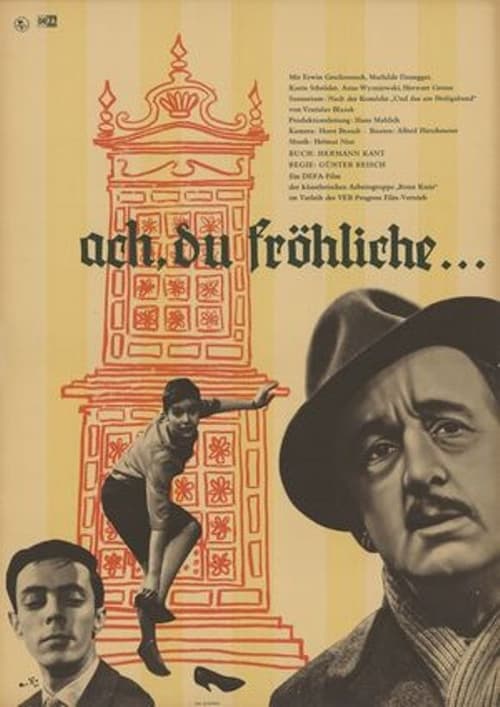
It was supposed to be a cozy Christmas evening with the family. Labor Director Walter Lörke was particularly looking forward to it. But then his daughter Anne surprised him with her future son-in-law Thomas Ostermann. And that's not all: Lörke is to become a grandfather. This doesn't suit him at all, especially as the young man clearly shows his critical attitude towards the state whose ideals Lörke has fought for all his life. An argument ensues - on Christmas Eve. Lörke leaves the apartment in a rage. But he is driven by unrest: He wants to know what kind of person his future son-in-law is and why he has such a negative attitude towards the state. It turns out that Thomas has had bitter experiences with the opportunistic attitudes of many adults and that, although he was the best student in his class, he was not admitted to university because of his critical opinions.
Ach, du fröhliche

At the VII Party Congress of the SED, a delegate tells a reporter his life story: 18-year-old returning soldier Georg Lendau ends up in a small village in 1945. He is starving and sick. Mayor Kallam helps. Later, they meet again; Kallam is now the director of a heavy engineering company. He gives Georg, who is a lathe operator, work. But Kallam has more plans for him and wants to send him to university. Georg refuses. An extra shift, which he only did so that he could buy his future wife wedding shoes, brings him into conflict with backward colleagues - and the realization that you first have to work better if you want to live better. He followed this insight with action, becoming a master craftsman, comrade and student.
Brot und Rosen
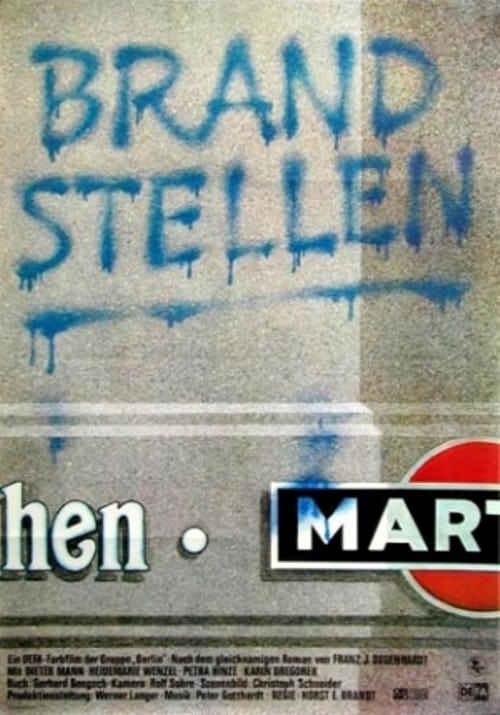
Bruno Kappel is an established attorney in Hamburg who, in earlier times, belonged to an anarchistic student circle. His former girlfriend Karin Kunze is still a member of this scene. Bruno, who still has left-wing beliefs, becomes her attorney. But when Karin gets into a shootout with the police, she has to go into hiding. The prosecuting attorney Baller has also been a former member of the anarchistic scene. He does not want his past to be revealed by Karin′s apprehension and prosecution. Thus, he asks Kappel to find Karin and sneak her out to a foreign country.
Brandstellen

The body of young Christa Gellert is fished out of the water in a small town on the Elbe in the spring of 1964. Everything points to an accident - Christa drowned while picking willow catkins during an official trip with town councillor Stegmeier and his colleague Anna Sell. That's what the people involved say, but then rumors start to spread. Detective Hans Gregor investigates. His boss Erwin Müller, who has known the councillor for many years, is unamused. When questioning the witnesses, Gregor only comes across hints. An exhumation of the dead is carried out. It is discovered that Christa was pregnant. Her colleague Helga, a former student on probation, knows about the councilman's relationship with Christa. But she is afraid to testify. Gregor has to fight his way through a web of dependencies, career thinking and mistrust until he solves the case.
Die Beteiligten
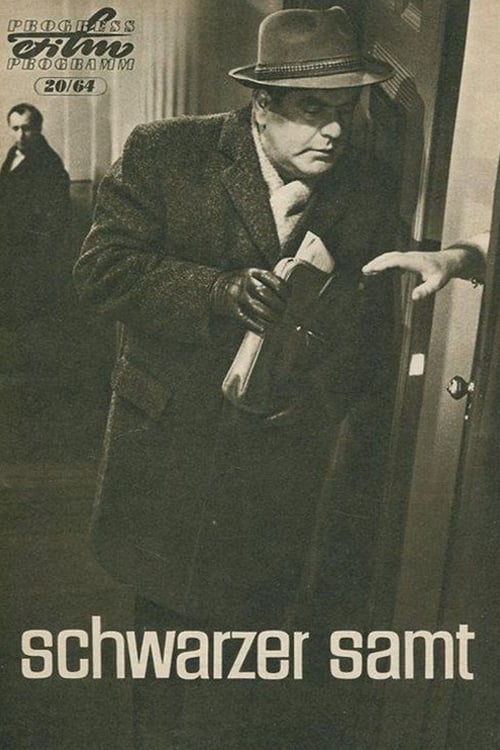
Stasi agent Alexander Berg has to uncover a plot of sabotage.
Black Velvet

Young construction worker Ralf Reider leaves his home village Katzsprung in the Rhön mountains during the "Berlin Initiative". In the capital, he wants to earn enough money in construction to build his own house for his wife and his child. But Ralf is an unconventional character who soon becomes an outsider because of his behaviour.
The Brigade-Leader’s Hat
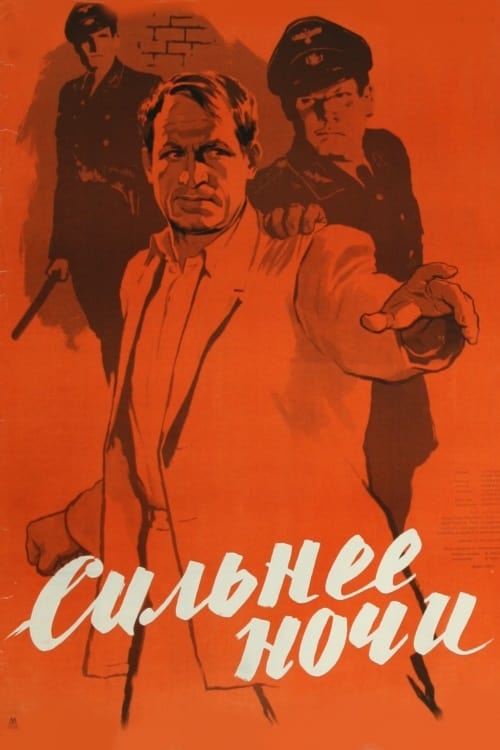
The story of a resistance fighter in the Nazi era: Communist Hans Löning was arrested in 1933, imprisoned in a concentration camp and tortured. The Gestapo plans to smash the resistance group around Löning. Despite the imminent threat to his life, Löning, together with his wife, organized the passive resistance of the Hamburg workers against the Hitler regime. In 1944, Löning was again taken and killed.