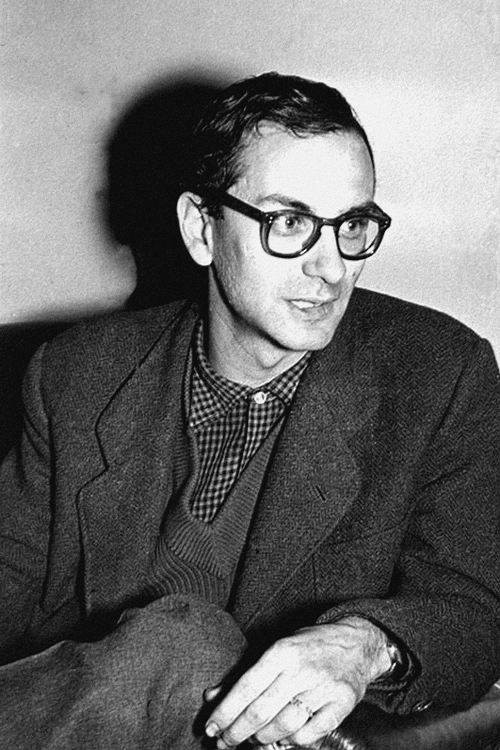
Jesús Fernández Santos
Writing
Known For
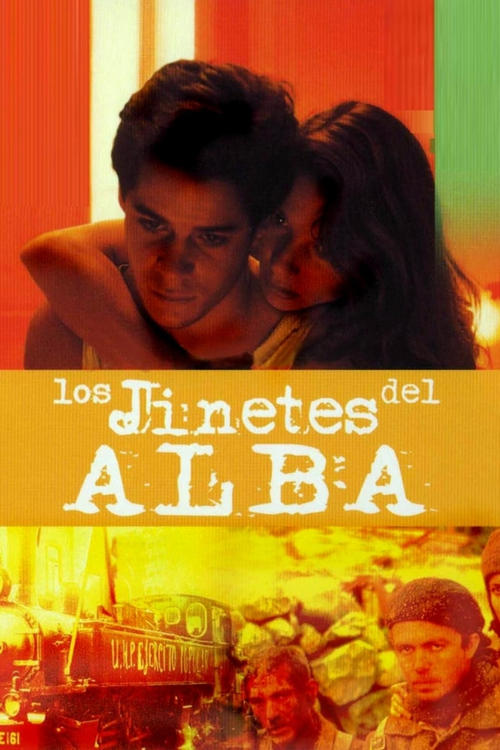
The inhabitants of Las Caldas, a village in Asturias, in northern Spain, whose life revolves around a sumptuous spa, trace complicated personal relationships while the whole country is inexorably heading towards revolution and civil war.
Los jinetes del alba
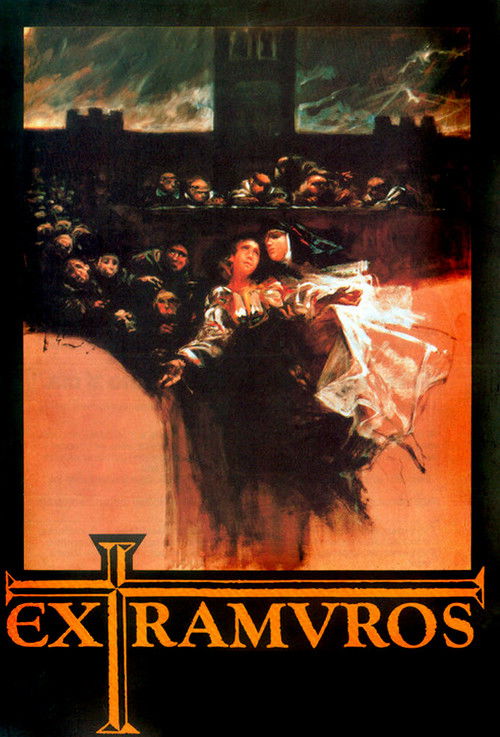
This 1985 Spanish film reveals one of the many terrible aspects of 16th century Spain, still plagued by the radical Christian Inquisition, one of a plethora of difficulties Spaniards faced at the time. Spanish super star Carmen Maura plays a nun who agrees to a selfless scam, a fake stigmata, only to avoid separation from her lover, another nun. It's a serious and passionate work, highlighting the theme of outspoken women-against-repression, seen in other good gay and lesbian films. This is not a lesbian "Nun sense" or another "Dark Habits" (by Almodovar, which also starred Carmen Maura, and also set in a Spanish convent, with some lesbian nuns). Perhaps, best of all, 'Extramuros' is realistic and frank. It isn't shy about its characters' sexuality. Their sexuality, and the film as a whole are genuine.
Beyond the Walls
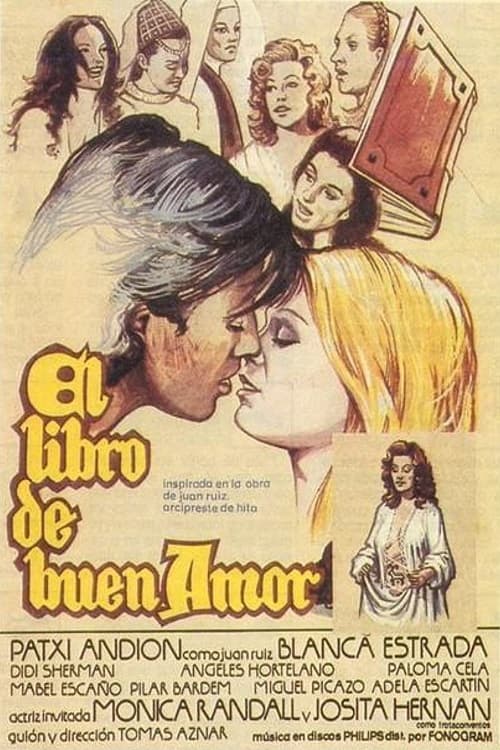
No description available.
El libro del buen amor
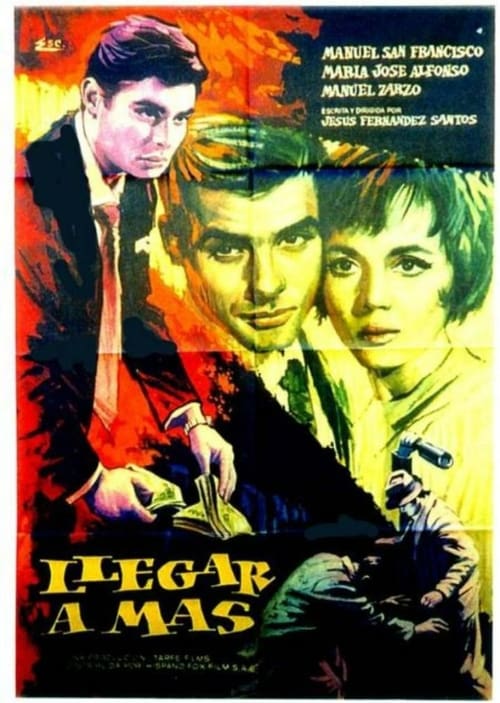
Despite his youth, Daniel is not happy with his luck. He works in an auto repair shop and his job does not offer him any prospects of progress. Influenced by the large number of workers who are leaving Spain for Germany, he decides to emigrate as well.
Llegar a más

A film based on a collection of reported miracles of Mary, mother of Jesus, written around 1260 by Spanish poet Gonzalo de Berceo.
Miracles of Our Lady
No description available.
Goya, tiempo y recuerdo de una época
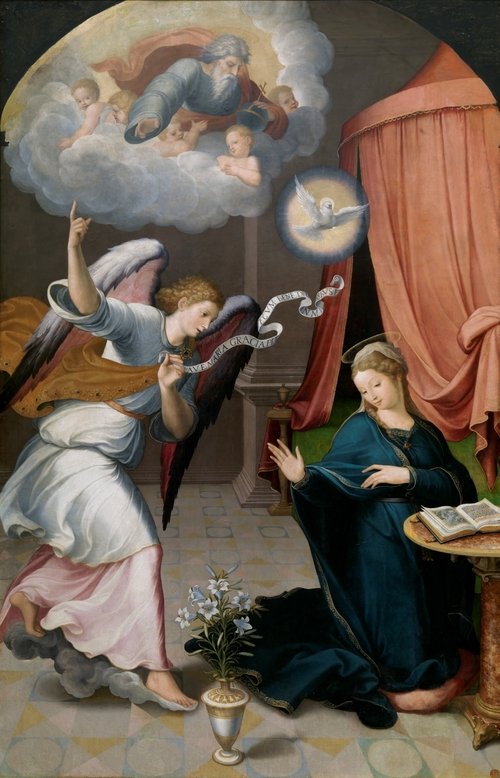
Christmas through the works of the Prado Museum. With works by Rafael, El Greco, Fra Angelico, Fernando Yáñez, Juan de Juanes, Patinir, Murillo, El Bosco, Federico Barocci, Maíno, Velázquez, Gerard David and Luis de Morales.