Acting
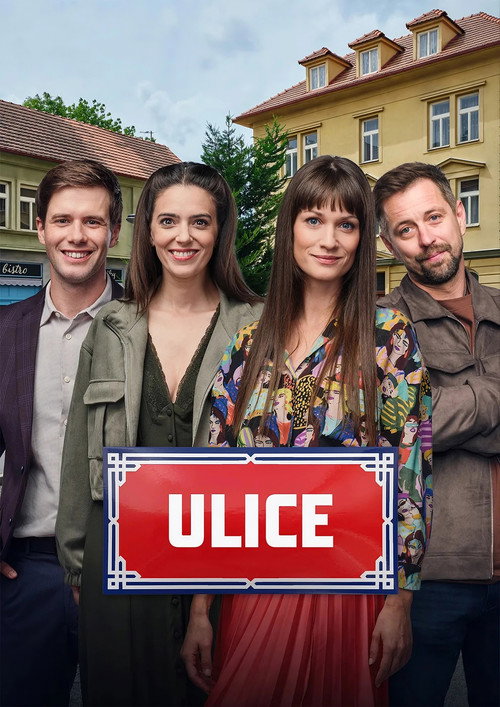
Ulice is a Czech soap opera produced and broadcast by Nova. In the Czech language Ulice means street. The show describes the lives of the Farský, Jordán, Boháč, Nikl, and Liška families and many other people that live in Prague. Their daily battle against real problems of living in a modern world like divorce, love, betrayal and illness or disease. Ulice often shows crime.
No description available.
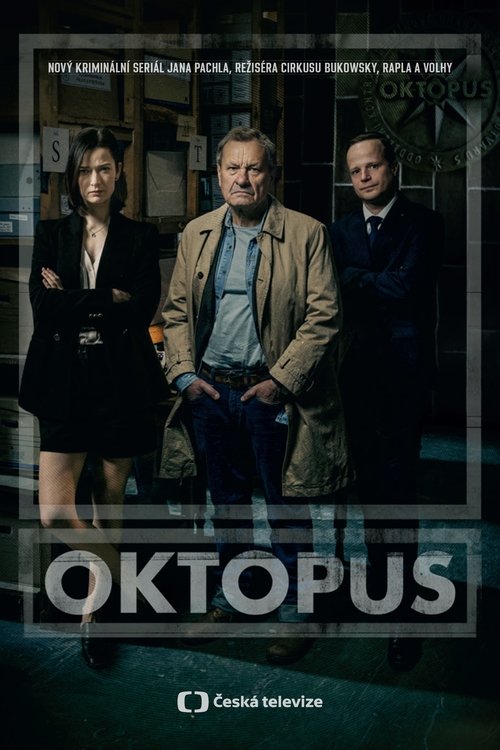
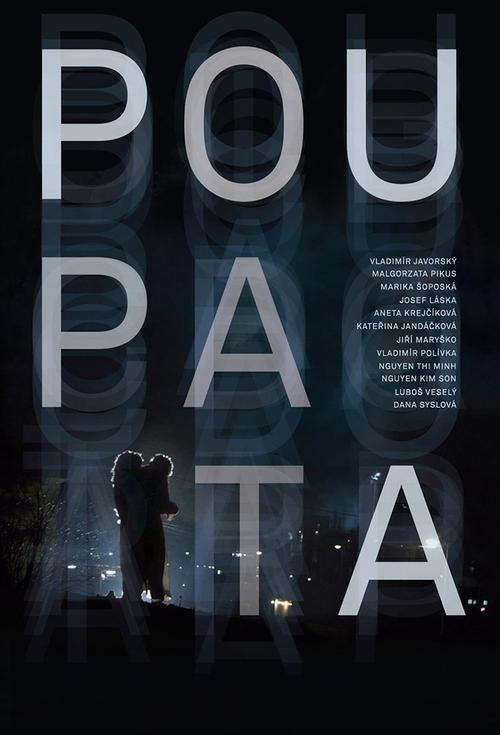
A Prague police unit reopens time‑critical cold cases before the statute of limitations runs out, pairing a seasoned loner with a principled young detective to re‑examine old evidence and pursue new leads across real city locations.
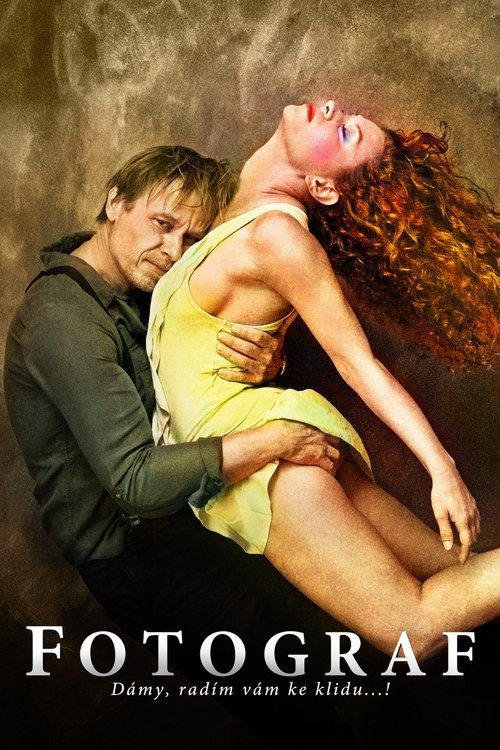
The story is freely inspired by the life and work of Jan Saudek, who is probably the most well-known Czech photographer internationally and has indisputably been involved in the development of international photography. He has exhibited and sold his work in the largest galleries and art houses, he has earned international recognition and awards, he enjoys great popularity and interest - he is a true phenomenon.
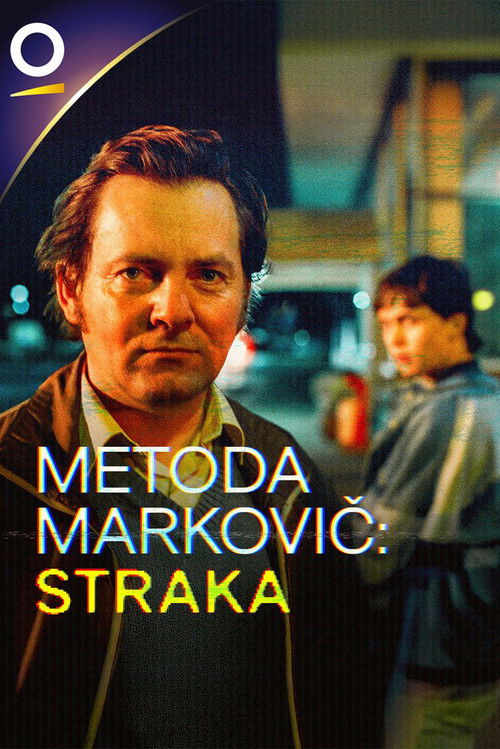
Jiří Markovic thought capturing Ladislav Hojer would be the defining case of his career. He was wrong. As communist Czechoslovakia prepares for the 1985 Spartakiad, an unpredictable serial killer terrorizes Prague. Under intense pressure from state authorities, Markovic and his team race against time to stop a murderer the entire country fears, testing the limits of justice, politics, and morality.
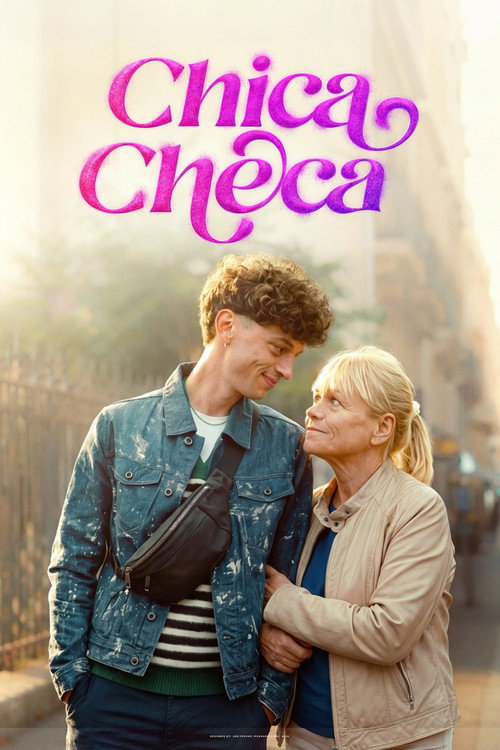
Widowed Zdena lives a quiet life as a postwoman in a small Czech village. When her beloved son Lukas returns home from France to say goodbye to his dying grandmother, his determination to make her seemingly impossible wish come true leads him to reveal a secret that challenges the values of the village: his queer life in Paris and his drag queen alter ego, Chica Checa.
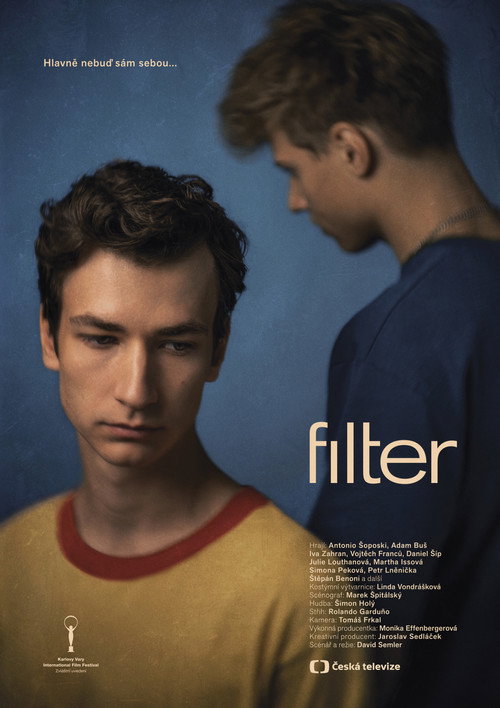
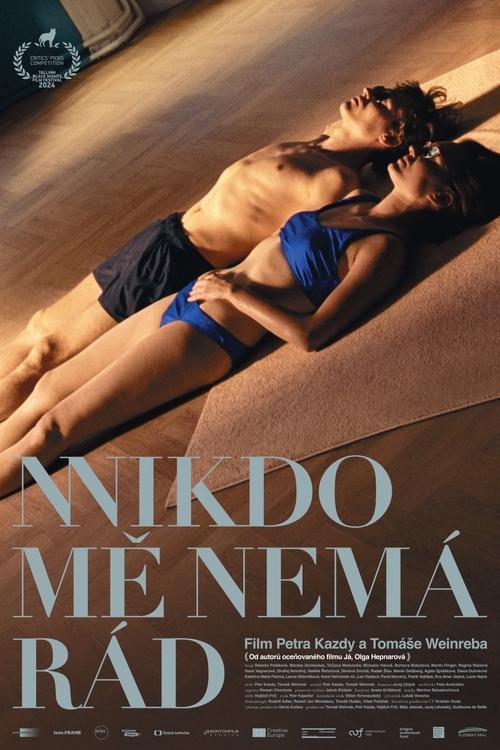
You're sixteen. You're still figuring out your sexuality, your relationships and your values. And you make mistakes. Matty is an introverted boy who, despite his indecisive and hesitant nature, has managed to come out, thanks to a family and friends who support him. But when he falls in love with Radek, a boy his own age, during the entrance exams for an art high school, he runs headfirst into the reality of first emotional confusion, missteps and failures. Acting in good faith, he makes a few mistakes that quickly snowball into bigger ones. Within a few weeks his childishly naive world turns cruelly adult, and he suddenly has to face unexpected problems and the incomprehension of those around him. Will he manage to find a fragile inner balance in the storm of a complicated adolescence?
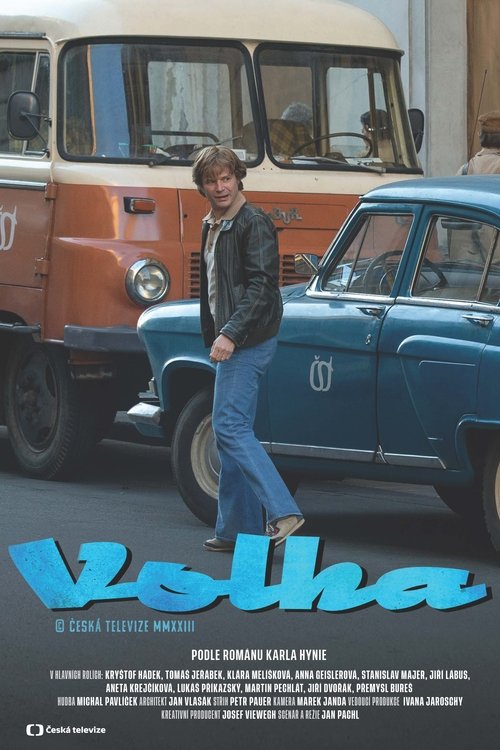
Standa Pekárek has three wishes in life: to drive a volga, to drive for the Humour and Folk Entertainment editorial office and to drive Got'ák. The five-part miniseries Volha is an adaptation of the novel of the same name by Karel Hynia, written in an extraordinary, bizarre and precisely echoed language. It can be perceived as a peculiar history of Czechoslovak television with a number of incredible, albeit real, "stories from the set". At the same time, however, it is a portrait of its main character - a limited egocentric who excels in inventing small tricks and deceptions - how to steal petrol, fake mileage, cheat his wife, get rid of the competition. Logically, he then also becomes a StB collaborator (with the code name Volha) who informs on all his co-workers and passengers without any remorse.
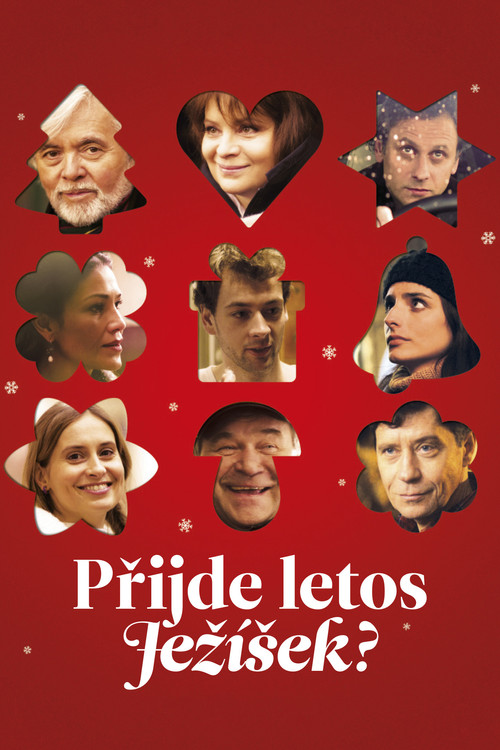
Charming 60-something José returns to Prague after 30 years living in Mexico, though he was convinced that he would never see his hometown again. He was persuaded by his deeply religious Mexican wife Dolores, who is convinced that only a miracle that might be fulfilled by Prague’s famous Infant Jesus can help their daughter Penelopé get pregnant. And the ideal time for this is Christmas. And when Ruda, his friend from Prague, also insists, José agrees to return to the places he used to know and to the memories that they bring back – including his former Prague love. And it becomes evident that the Infant Jesus is not the only one capable of making miracles come true in Prague. Penelopé’s longed-for conception is definitely not the only one…
Flower Buds tells the story of the gradual breakdown of a family living in a small town. Each character lives according to his or her own ideals. Agata wants a happy life far from home, fully aware that her only hope is to escape and therefore betray those close to her. Honza believes in the purity and power of love, regardless of the circumstances under which it is born. Kamila looks confidently to the future and does not intend to accept the misery of the present. The only Jarda knows that he will not change the world or himself. Aware of his weakness, he does not even try. In his mind, of course, his addiction to slot machines, which has led to a nearly impossible situation, is as certain as most gamblers' belief of an imminent win. The real and convincing attempt to rescue his family comes when it is too late. It is just a futile gesture, a desperate last ditch effort.
Sara has come to terms with her position as a detached observer of other people's lives. She is fascinated when she meets the gallant, graceful, and soft-faced Martin. Gradually, their connection grows, but when Sara wants to take their relationship to a deeper and more physical level, Martin shies away. He is hiding a deep secret. Refusing to accept his unwillingness to open up to her, Sara compels him to expose himself, and when he finally does, it turns out he is intersex, a hermaphrodite. Sara’s love remains strong, but when she unintentionally reveals Martin’s secret to her family, she discovers that her joy at the relationship has blinded her to the reality of how society deals with “freaks.”
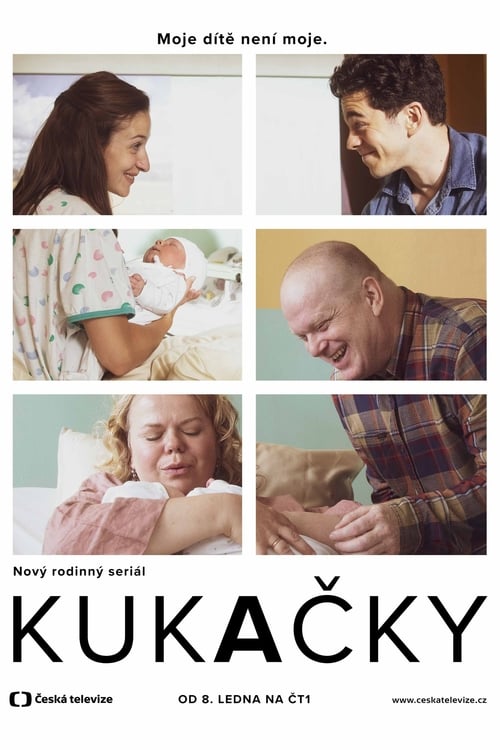
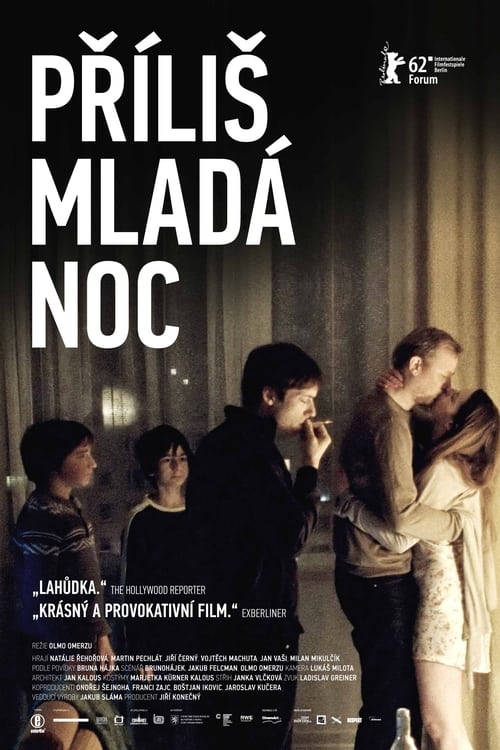
On New Year's Day, two boys wind up in the apartment of Katerina, a teacher from their school, along with her friends, Stepan and David. As the older trio bickers, drinks and flirts, the boys gain eye-opening insight into the adult world.