Acting
Lucrèce, a famous actress, is bothered first, then flattered by the passionate testimonies of love given to her by François, a 12th grade student infatuated with her. Taking pity on the boy, Lucrèce decides to heal him of his madness and with this in mind she invites him for a working holiday on her farm. Instead, she falls in love with the cherub. At a time, her young lover grows so jealous of her that he attempts suicide. The mature actress then understands that their love story is going nowhere. She will remain alone while François will forget her.
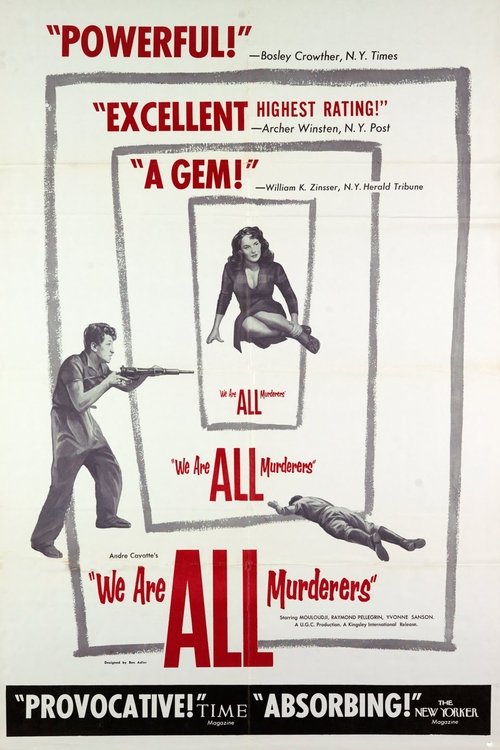
Originally titled Nous Sommes Tout des Assassins, We Are All Murderers was directed by Andre Cayette, a former lawyer who detested France's execution system. Charles Spaak's screenplay makes no attempt to launder the four principal characters (Marcel Mouloudji, Raymond Pellegrin, Antoinine Balpetre, Julien Verdeir): never mind the motivations, these are all hardened murderers. Still, the film condemns the sadistic ritual through which these four men are brought to the guillotine. In France, the policy is to never tell the condemned man when the execution will occur--and then to show up without warning and drag the victim kicking and screaming to his doom, without any opportunity to make peace with himself or his Maker. By the end of this harrowing film, the audience feels as dehumanized as the four "protagonists." We Are All Murderers was roundly roasted by the French law enforcement establishment, but it won a special jury prize at the 1952 Cannes Film Festival.
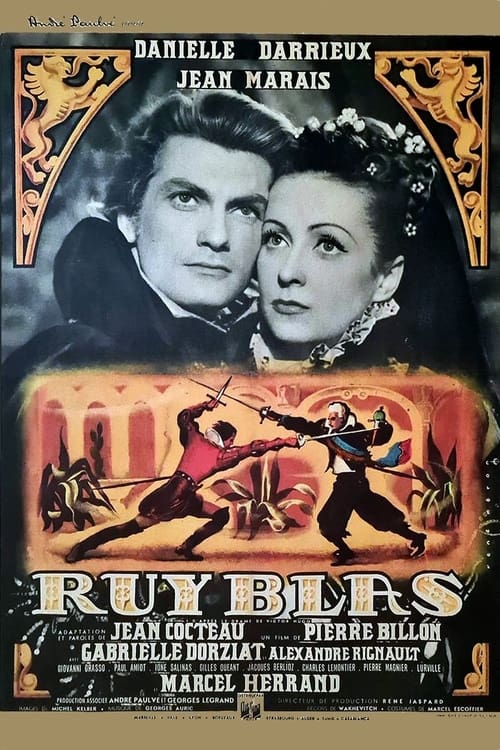
Exiled from the court of Spain, Don Salluste, the chief of police, wants to take revenge on the Queen. One day he meets Ruy Blas, a young student who happens to be a lookalike of Don Cesar, his nephew. Salluste disguises Ruy Blas and presents him as Don Cesar. It doesn't take long before Ruy Blas, intelligent, virtuous and generous as he is becomes popular and the Queen, who has fallen in love with him, appoints him Prime Minister. All seems for the best in the best of worlds but Salluste has not forgotten his revenge, far from that ...
A middle-aged playboy becomes fascinated by the daughter of a private detective who has been hired to entrap him with a client's wife.
Shortly before the War, Jan Lazlo, a Hungarian musician who has emigrated to France, falls for a young woman. Alas, the lady forsakes him and the poor man tries to overcome his grief by writing "Gloomy Sunday", a song so desperate that it can drive its listeners to suicide. Max, a music publisher, likes the song and decides to launch it by all means, foul or fair. Bob, his accomplice, manages to talk his mistress Michèle into committing a fake suicide. She obeys him and the scheme is a success as a result. On this occasion, Jan gets to know Michèle and the two young people fall in love. Happiness seems to be in store for Jan again but this is without counting with Bob. Jealous of Jan, the naughty fellow indeed tells him that Michèle's attempted suicide was nothing but an advertising pretense.
Alexandre Mérital, the leader of a political party, finds himself under attack from Frépeau, one of his opponents. The latter has indeed discovered that Mérital committed a theft in his youth. But Mérital will not be intimidated by his adversary's move. In his turn, he discovers that Frépeau was once involved in a financial scandal, which forces the plaintiff to discontinue the prosecution.
A colonel decided to be represented at the regiment festival of a tragedy in verse by the poem written by his sister.
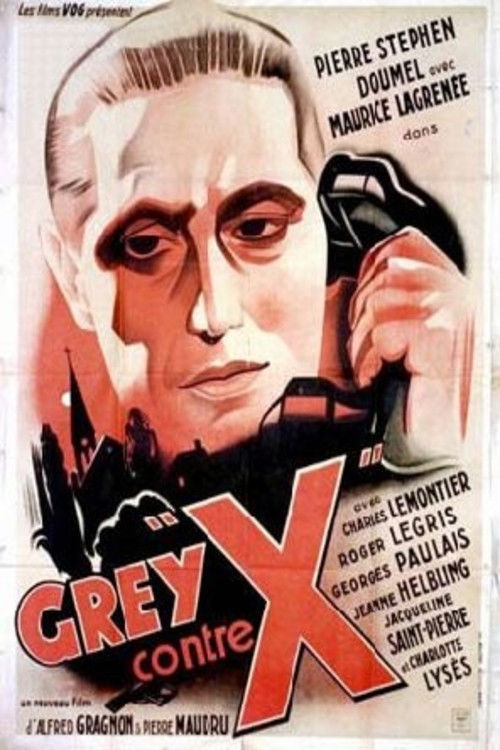
Grey conducts a triple murder investigation, the last murder committed gives him some clues to the murderer and that the victim may have known his killer. He devises a plan to identify the guilty party, who is a scary psycho and he is captured.
After losing her only child and falling for another man, a wife no longer loves her husband, but he thinks if he takes her back to some of the places they enjoyed in earlier years, it might rekindle their doomed marriage.
Brigitte, the beautiful daughter of the French premier, falls for one of her father's aides, the womanising Michel, and attempts to get him to settle down with her. However, as Michel can't curb his flirtations with other women, Brigitte makes a play to seduce the married Prince Charles, resulting in a battle of wills between the gorgeous girl of privilege and her beau.
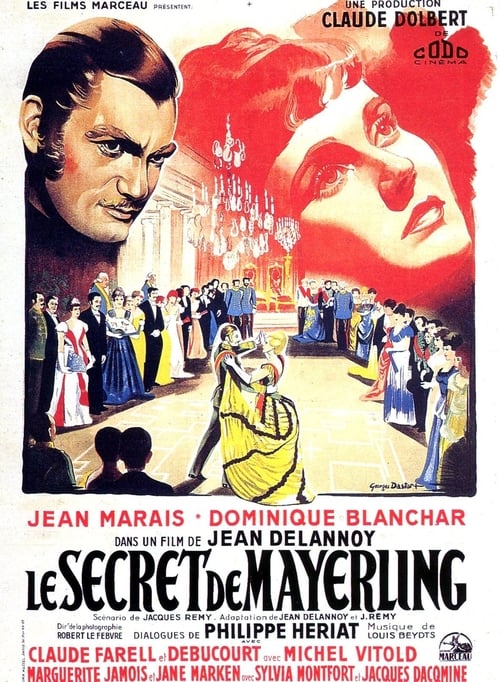
On the morning of 30 January 1889, the Archduke Rodolphe de Habsbourg and his mistress Marie Vetsera are found dead. The remains of Rodolphe are discreetly repatriated to Hofburg, while those of Marie are hastily thrown disposed into the depths of a tomb.
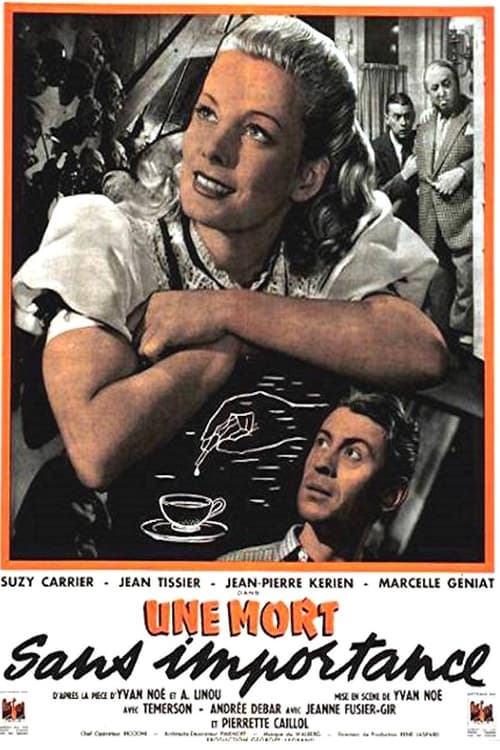
A man who has made a pact with death must designate the member of a family who must die the next day. After many hesitations, he will sacrifice the innocent young girl so that she does not know the infamy of her family.
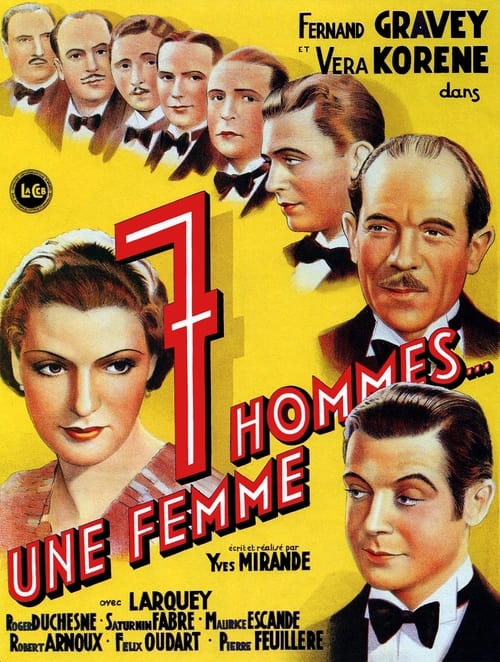
At the urging of her childhood friend Brémontier, Lucie de Kéradec, a wealthy widowed countess who wishes to remarry, invites all of her seven suitors to her mansion. Her untold intention is to test them by claiming to be ruined. The experience is a success in that each of the potential husbands reveals his inner nature but a failure when it comes to finding a new life partner. None of the guests passes the test except - the eighth man, namely Brémontier who loved Lucie in secret but, being penniless, had not dared declare his flame to her.
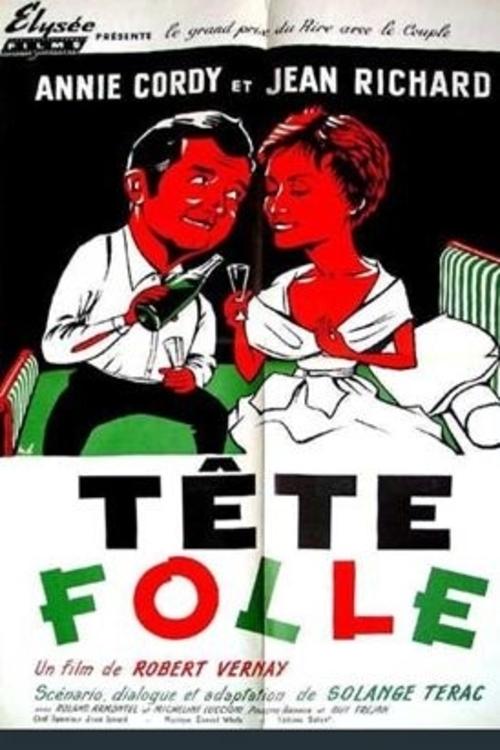
Following an operation, Annie no longer remembers her eleven years of marriage or her children. Her memory stops at the time when she was being courted by Pierre, now the family friend. Unable to bear seeing his wife in love with someone else, her husband tries to restore her memory.
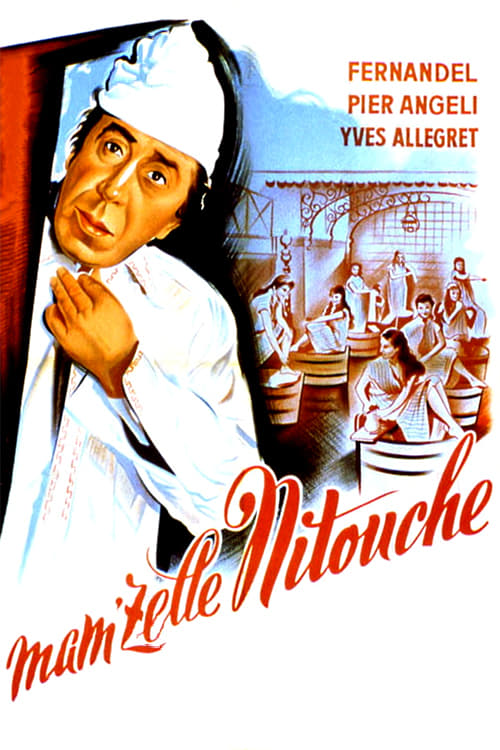
Celestin works as an organist at a girl's school. By day, Celestin is the meek and mild target of the girls' incessant practical jokes. By night, however, he is the celebrated composer of popular operas -- and the romantic vis-à-vis of a celebrated stage star. When schoolgirl Denise stumbles onto Celestin's secret, she threatens to tell all -- but only if Celestin refuses to escort her to the opening night of his latest opera. As a result, Denise falls in love with a handsome young soldier, while Celestin is accidentally shipped off to an army camp. A series of silly coincidences brings happiness to all concerned by fade-out time.
Portrait of a two-faced man. By day he is rich, brilliant and respectable financial officer Lussac; at night, he becomes "Mirror", a ruthless gang leader in Marseilles.
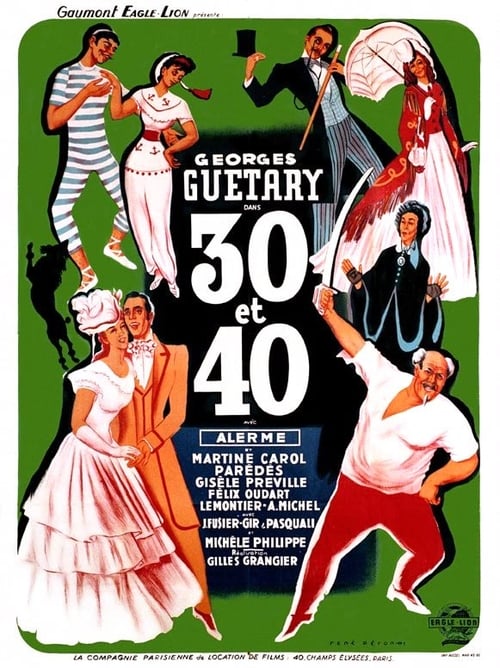
The scene is set during the Second Empire. Captain Bitterlin watches jealously over his lovely daughter Madeleine but he cannot prevent nature from demanding its rights and Madeleine soon finds herself a suitor in the person of Mario, a dashing young songwriter. Bitterlin, who wishes his daughter to "evade the grip" of the young man, takes her away to Monte Carlo. There, the captain does what he had sworn he would never do, he gambles in a casino. And even more upsetting: Mario might well be hereabouts...
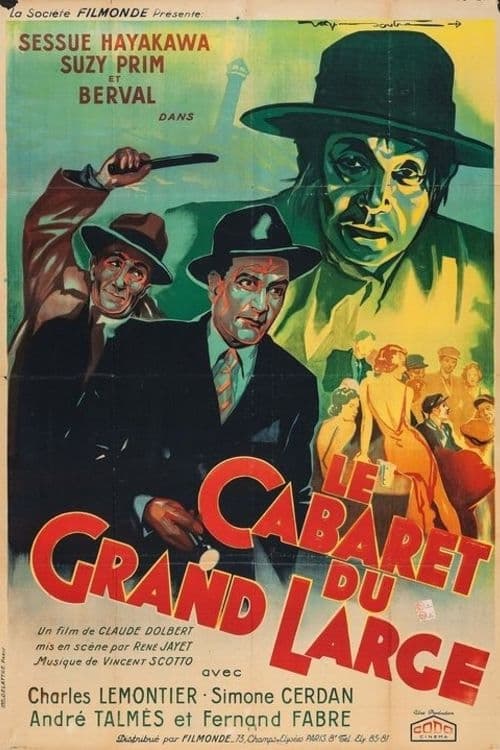
Superintendent Thomas is investigating a cabaret owner with suspicious actions.
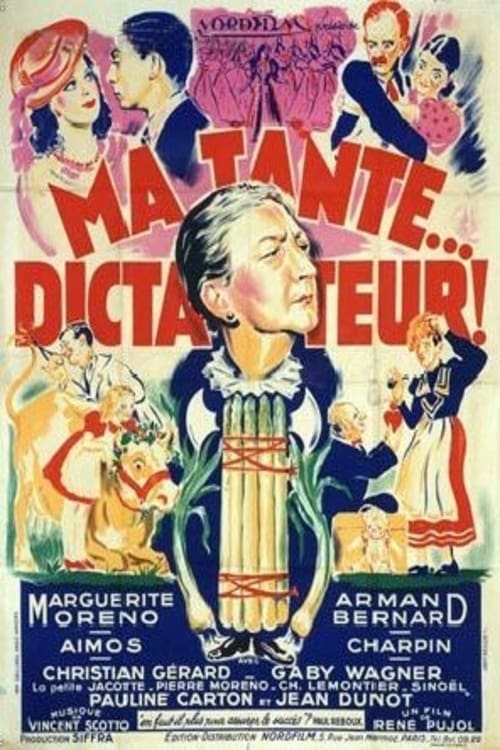
A young man who wishes to launch his girlfriend in the theater, borrows money from his aunt, making her believe that he wants to buy groceries. His aunt arrives and then wishes to visit “her” grocery store; to save the day he borrows the store of a credulous grocer.
Bobby earns his living in Montmartre by duping naïve provincials, along with his pal Julien, as well as crooks and drug dealers, replaced by bicarbonate. His friend Monique, who dances at Le Paradou, is frightened by such a life. A crime of which he is not guilty occurs while he is robbing drug dealer Mureau. Bobby flees, but prefers to let himself be imprisoned. A serious accident is avoided. The brave Inspector Doirel is determined to set the boy straight. Monique will do her bit too.