
Boris Kimyagarov
Directing
Known For
No description available.
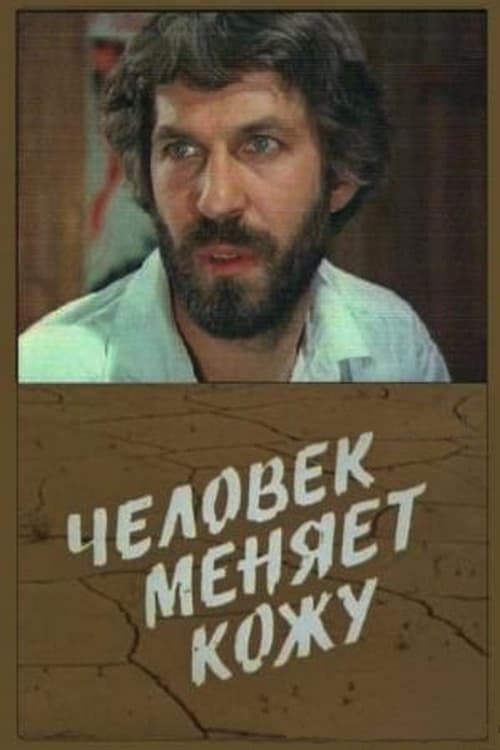
A Person Changes Skin

The fate of the powerless laborer Yodgor, who became an active builder of a new life in Soviet Tajikistan.
Dokhunda

The third part of Tajik trilogy.
Legend of Siavush
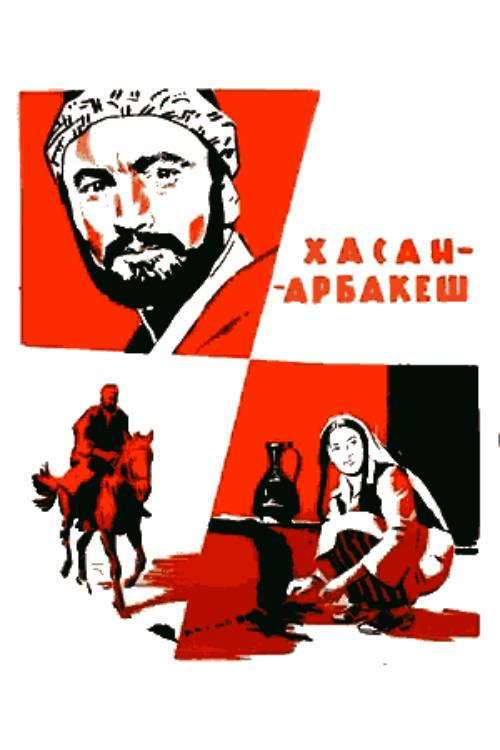
A story about the clash of two cultures, two worlds - traditional Tajik culture and the new, invading and imperialist in its nature, Soviet culture, about the formation of self-awareness of the Tajik dekhkanin in the 1920s-1930s.... Poor Hasan thinks and experiences a lot before he is able to comprehend the changes in his life, to realize that old traditions and customs are no longer valued. Bent by need and disenfranchisement, he finds the strength to stand up against the Basmachi.
Hasan Arbakesh

The Russian guys - Viktor, Masha, and Zhorik - arrived in distant Dushanbe on Komsomol vouchers. Tajikistan became their second homeland, and in the wonderful people Guliam, Alim, and Aziz, they found like-minded individuals. They had to endure many difficulties. But no matter how hard it was, they did not back down and did not lose faith in their just cause.
Peaceful Time
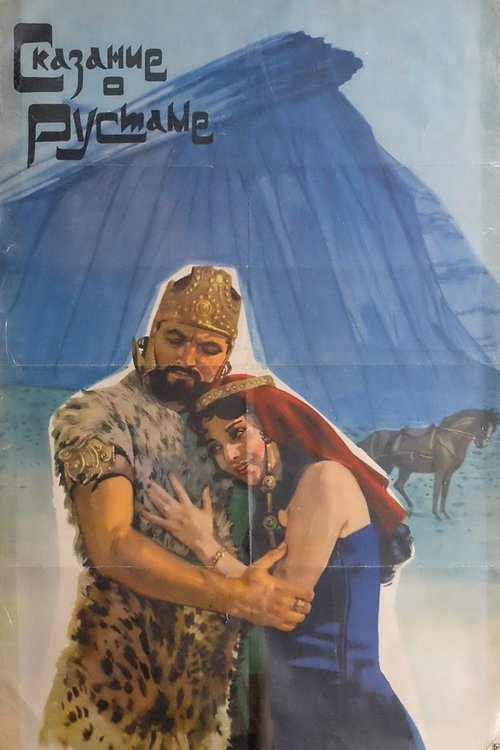
An epic legend about the exploits of the legendary hero Rustam - a brave warrior who is always ready to come to the aid of those who need her. The story is based on Ferdowsi's poem "Shah-Nam". The first part of the "Exploits of Rustam" dilogy, which is continued by the film "Rustam and Suhrab" (1972).
Legend of Rustam
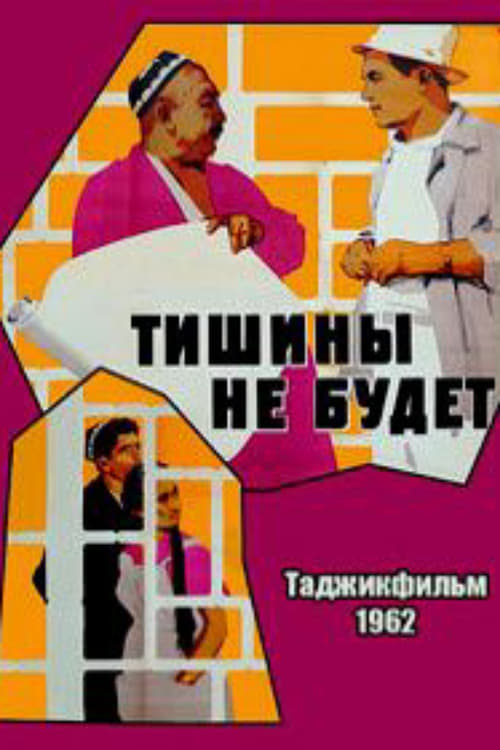
A social drama about relationships in the family of the chairman of the Tajik collective farm, Mukhammedzhan Kurbanov: the sons Zafar and Kurban stand on different positions in life. The eldest son wants stability and silence, but the father says there will be no silence, progress does not stand still. Collective farmers in neighboring areas do not fulfill the norm due to lack of water. Young activists develop a plan to irrigate dry land with electric pumps to raise water up the mountains.
There Will Be No Silence
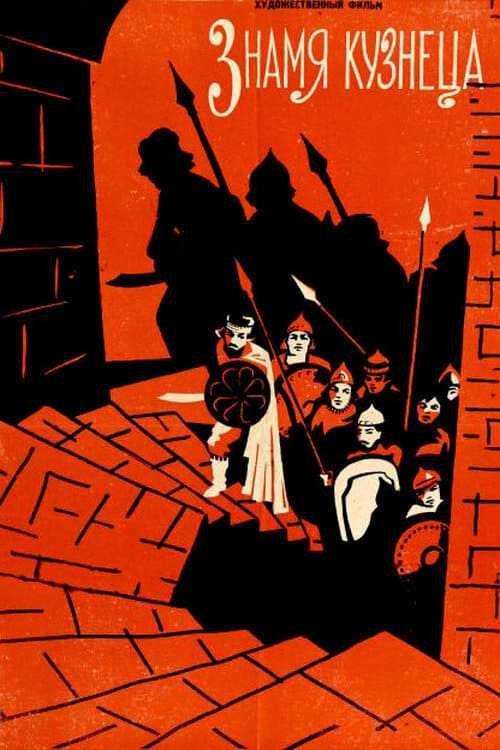
Inspired by the epic poem "Shahnameh" by Ferdowsi. It tells the story of Zahhak, the ruler of the Kingdom of Snakes, who, through cunning and deception, conquers a neighboring state and establishes the cult of the Snake Goddess. Zahhak has two snakes growing from his shoulders that feed on human brains. Each day, a dancer, a devotee of the cult, performs a snake dance in the city square. The person she kisses during her performance is doomed to be sacrificed to the snakes.
The Blacksmith's Banner
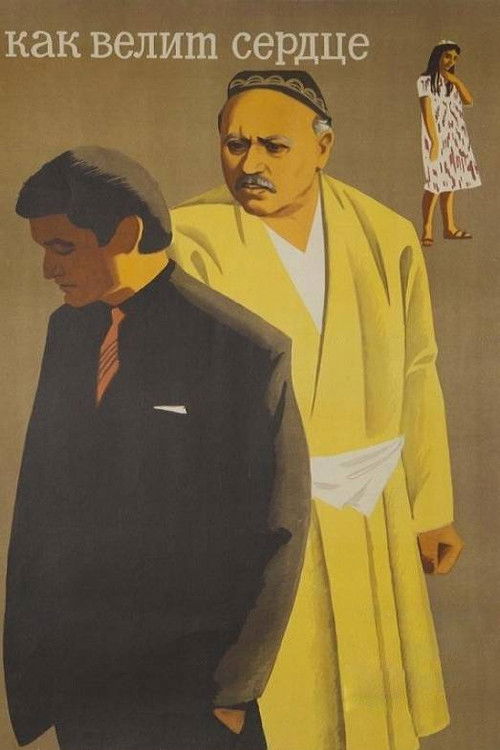
Ibragim Karimov is a respected agronomist who contributed to Soviet power in Tajikistan, fought the Basmachi, and organized collective farms. Despite health issues, he chose to stay in his role to support the district.
As the Heart Commands
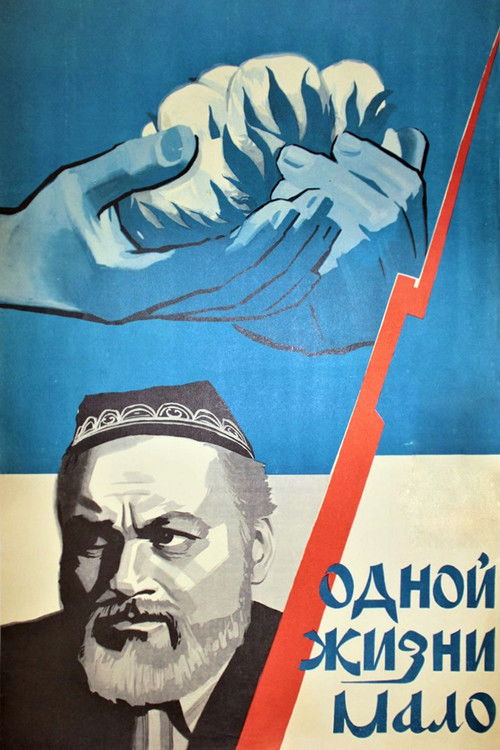
The Chairman of the collective farm Sattar Safarov devoted many years to growing cotton. But a new time is coming, and with it another generation of cotton growers. Among them is Safarov's son, a young scientist Murad, who bred an original variety of cotton and wants to sow it in the fields of his native collective farm. Safarov does not dare to experiment. Murad quarrels with his father, but then realizes that he is right. After a while, Murad has the idea of searching for new varieties using a computer. With his friends, the teacher Yamschikov and cyberneticist Timur, Murad begins to make the first experiments…
One Life is Not Enough

A young, ambitious and self-confident girl, Zulfiya, is appointed senior assistant at the surgical clinic. She is still an inexperienced doctor, and immediately makes a number of serious mistakes. Realizing the lack of personal professionalism and the limited medical practice, Zulfiya refuses a high position and leaves as an ordinary doctor to the mountainous region of Tajikistan.
High Position
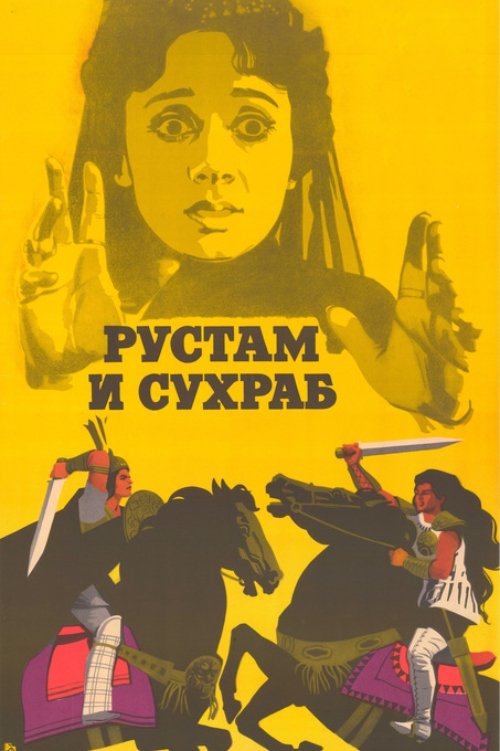
Based on the famous story from the epic Shahnameh.
Rustam and Suhrab
No description available.
Таджикистан
This movie short, entitled "The Art of Tajikistan", was produced by the Union of the Soviet Associations of Friendship and Cultural partnerships with the foreign countries, in association with the movie studio Tajikfilm in the 1970ies. It was directed by Boris Kimyagarov , and produced by his daughter Lilia Kimyagarova. The cameraman was Zaur Dachte. The film includes well-known artists such as the opera singer, Hanifa Mavlianova, ballet dancer Malika Sobirova, dancer and actress Gavhar Mirjumajeva, the singer Jurabek Murodov (background singing), and Allo Alaev. The film showcases the development of a multitude of applied, visual, and performance arts in Tajikistan, from the ancient times to the period contemporary with the movie's filming, ending with a display of the architecture of the moderns streets of Dushanbe.
The Art of Tajikistan
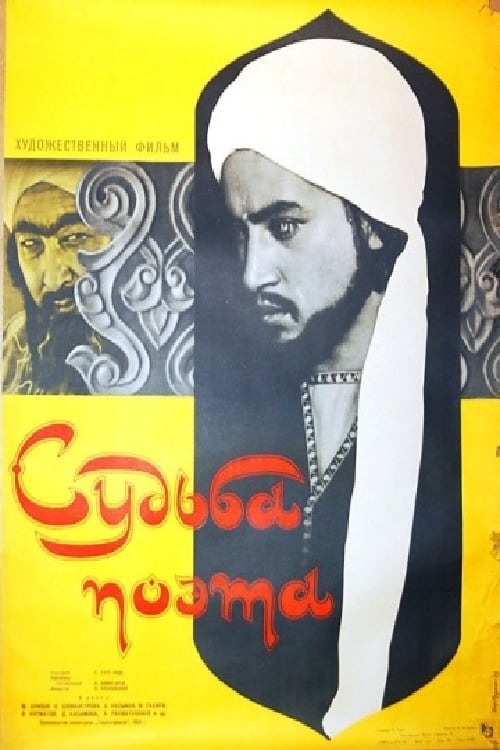
Biographical movie about a 9th century Persian poet, Rudaqi.