FEEL IT.STREAM
Gisèle Halimi

Gisèle Halimi

Acting

Biography

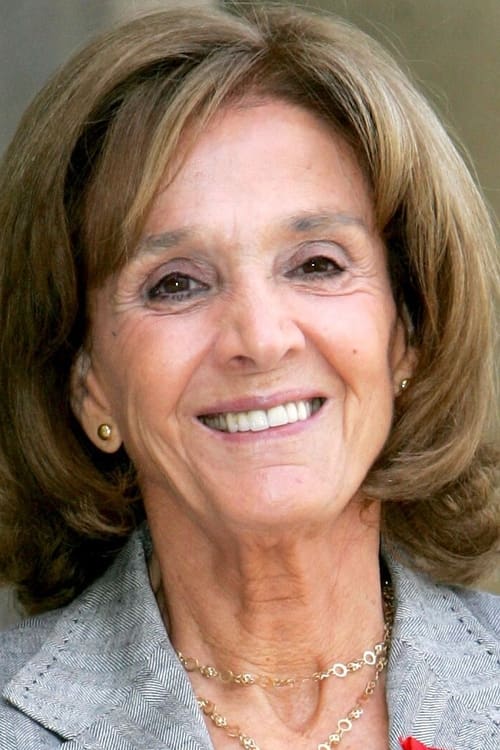
Gisèle Halimi (born Zeiza Gisèle Élise Taïeb; 27 July 1927 – 28 July 2020) was a Tunisian-French lawyer, politician, essayist and feminist activist. Zeiza Gisèle Élise Taïeb was born in La Goulette, Tunisia, on 27 July 1927 to a modest, practicing Jewish Berber family (to Edouard and Fortunée "Fritna" Taïeb). She was educated at a French lycée in Tunis, and then attended the University of Paris, graduating in law and philosophy. Her childhood and the ways in which she blends a Jewish-Muslim identity are discussed in her memoir, Le lait de l'oranger. She was first married to Paul Halimi and then to Claude Faux. She died the day after her 93rd birthday, on 28 July 2020. In 1948, Halimi qualified as a lawyer and, after eight years at the Tunis bar, moved to practise at the Paris bar in 1956. She acted as a counsel for the Algerian National Liberation Front, most notably for the activist Djamila Boupacha in 1960, who had been raped and tortured by French soldiers, and wrote a book in 1961 (with an introduction by Simone de Beauvoir) to plead her case. She also defended Basque individuals accused of crimes committed during the conflict in Basque Country, and was counsel in many cases related to women's issues, such as the 1972 Bobigny abortion trial (of a 17-year-old accused of procuring an abortion after having been raped), which attracted national attention. In 1967, she chaired the Russell Tribunal, which was initiated by Bertrand Russell and Jean-Paul Sartre to investigate and evaluate American military action in Vietnam. In 1971, she founded the feminist group Choisir (transl. To Choose) to protect the women who had signed the Manifesto of the 343 admitting to having illegal abortions, of which she was one. In 1972 Choisir formed itself into a clearly reformist body, and the campaign greatly influenced the passing of the law allowing contraception and abortion carried through by Simone Veil in 1974. In 1981, she was elected to the French National Assembly, as an independent Socialist, and was Deputy for Isère until 1984. Between 1985 and 1987 she was a French legate to UNESCO. In 1998, she was a founding member of ATTAC. Source: Article "Gisèle Halimi" from Wikipedia in English, licensed under CC-BY-SA 3.0.

Known For

Vivement dimanche
3.6

No description available.

Vivement dimanche

1998
Apostrophes
8.5

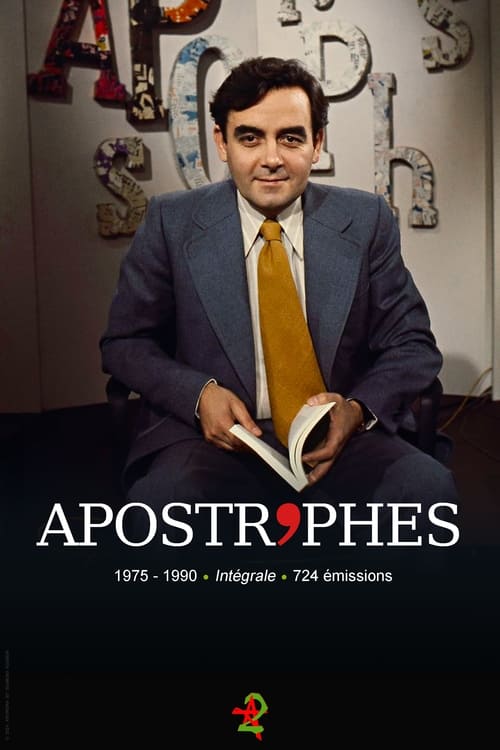
Apostrophes was a live, weekly, literary, prime-time, talk show on French television created and hosted by Bernard Pivot. It ran for fifteen years (724 episodes) from January 10, 1975, to June 22, 1990, and was one of the most watched shows on French television (around 6 million regular viewers). It was broadcast on Friday nights on the channel France 2 (which was called "Antenne 2" from 1975 to 1992). The hourlong show was devoted to books, authors and literature. The format varied between one-on-one interviews with a single author and open discussions between four or five authors.

Apostrophes

1975
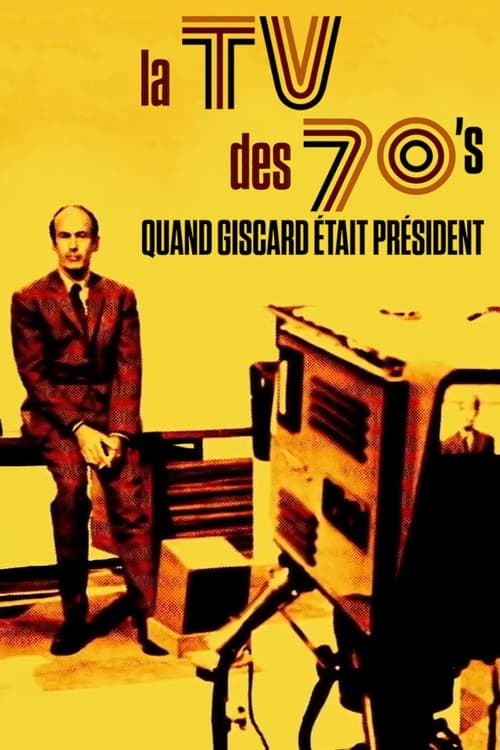
La TV des 70's : Quand Giscard était président
7.2

In May 1974, Valéry Giscard d'Estaing became President of the Republic and wanted to bring about a new era of modernity. One of his first decisions was to break up the ORTF with the creation of three new television channels: TF1, Antenne 2 and FR3. Three new public channels but autonomous and competing. It is a race for the audience which is engaged then, and from now on the channels will make the war! This competition will give birth to a real golden age for television programs, with variety shows in the forefront. The stars of the song are going to invade the living rooms of the French for their biggest pleasure. This unedited documentary tells the story of the metamorphosis of this television of the early 1970s, between freedom of tone, scandals, political intrigues and programs that have become mythical.

La TV des 70's : Quand Giscard était président

2022
One Sings, the Other Doesn't
7.1

The intertwined lives of two women in 1970s France, set against the progress of the women's movement in which Agnes Varda was involved. Pomme and Suzanne meet when Pomme helps Suzanne obtain an abortion after a third pregnancy which she cannot afford. They lose contact but meet again ten years later. Pomme has become an unconventional singer, Suzanne a serious community worker - despite the contrast they remain friends and share in the various dramas of each others' lives, in the process affirming their different female identities.

One Sings, the Other Doesn't

1977
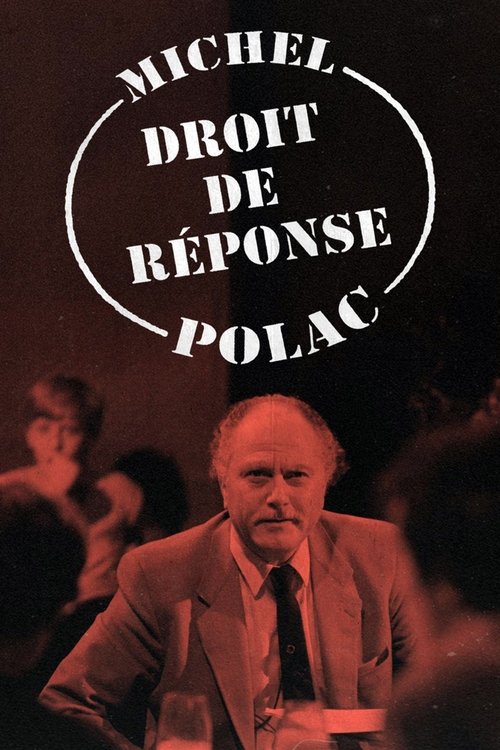
Droit de Réponse
8.3

"Droit de Réponse" (Right of Reply) is a French debate program broadcast between December 12, 1981 and September 19, 1987 on the TF1 channel, presented by Michel Polac and produced by Maurice Dugowson. Broadcast live on a weekly basis, on Saturdays from 8.30 p.m., the right of reply has been the source of many controversies, due to the various speakers who have come to present their point of view on the show (which leads to famous scandals , remained in the memory of viewers), but also for the variety and relevance of the topics covered, which ensured the success of the program on the air for several years. On French television, this program is considered by some observers as a “pioneer program in terms of controversy-show or clash, in modern language”.

Droit de Réponse

1981
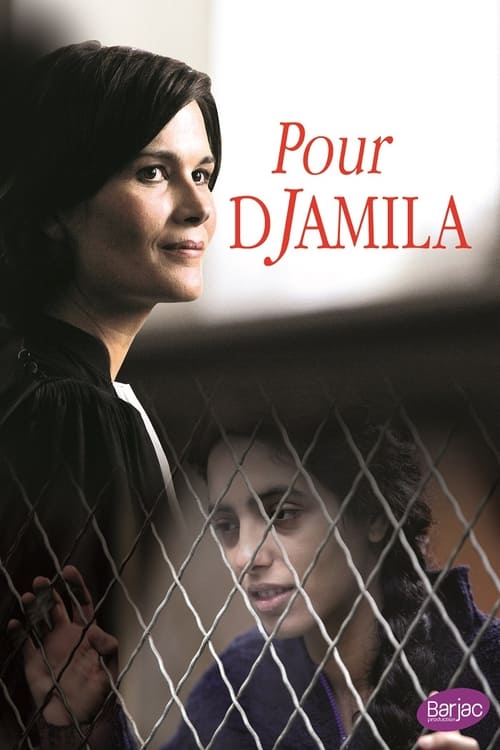
Pour Djamila
4.1

No description available.

Pour Djamila

2012
Gisèle Halimi : La Cause des femmes
8.0

No description available.

Gisèle Halimi : La Cause des femmes

2022
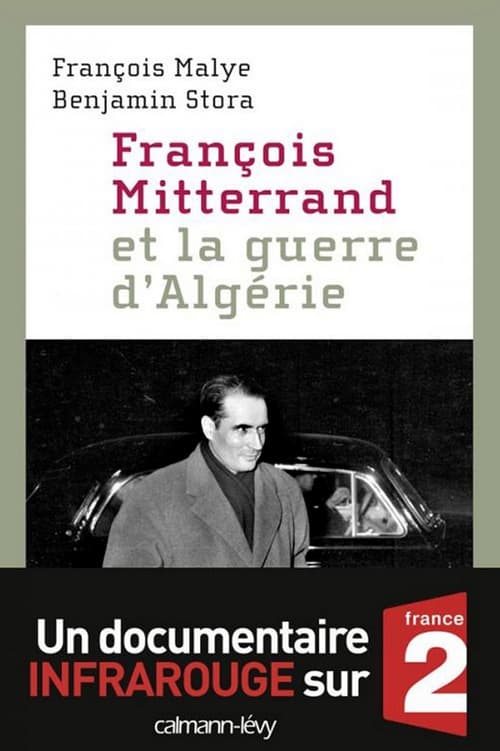
François Mitterrand et la guerre d'Algérie
10.0

No description available.

François Mitterrand et la guerre d'Algérie

2010
Le Procès du viol
10.0

No description available.

Le Procès du viol

2013
No image
N/A

No description available.

Les 2 Gisele

2025