Boris Kerč
Acting
Known For

The main character of the title lives a completely new life every time. Tomaž Kajzer is a classic hero of the series, but with a mistake. It’s always someone else.
The Lives of Tomaž Kajzer

The story about the founders of the famous "Yugoslav Basketball School" and the first gold medal at the Championships in Ljubljana in 1970, is based on real events and is dedicated to personalities who have contributed to the emergence and development of basketball in their country.
We Will Be the World Champions
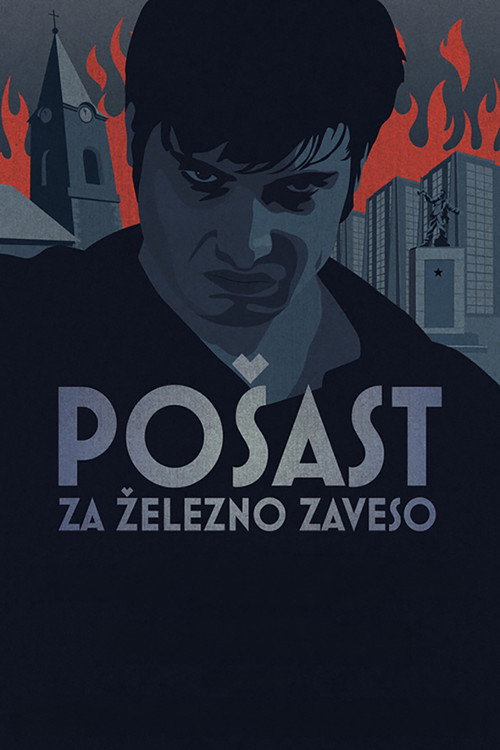
In 1948, in the fragile post‑war countryside of socialist Yugoslavia, Marjeta gives birth to twins, Metod and Cilka. Withdrawn and volatile, Metod grows up in near isolation, shaped by a suffocating bond with his mother and a world marked by violence and repression. His impulsive behavior brings him into repeated conflict with society and the law, eventually leading to psychiatric treatment. After returning home and taking a job as a warehouseman, he appears outwardly stable, but inwardly deteriorates under the weight of alcohol, hallucinations, and relentless inner turmoil — until one night, the monster he has long concealed finally emerges.
The Monster Behind the Iron Curtain
The story is told through different points of view. A woman loves everything green, her husband loves his car, a magician knows the secrets of the stars, a professor knows everything about sound and a cyclist solves a difficult problem. A surreal travel through time and space.
Triangle
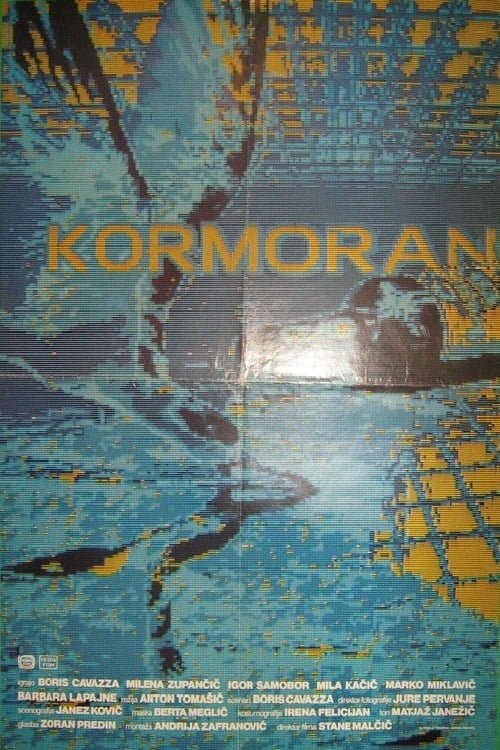
A story about sailor Maks in a crisis of his life.
A Cormoran
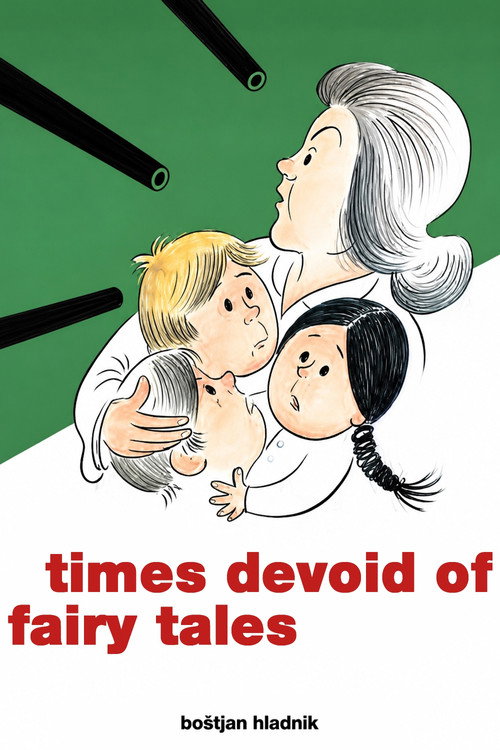
A coming-of-age story set in Slovenian town during WW2.
Times Devoid of Fairy Tales
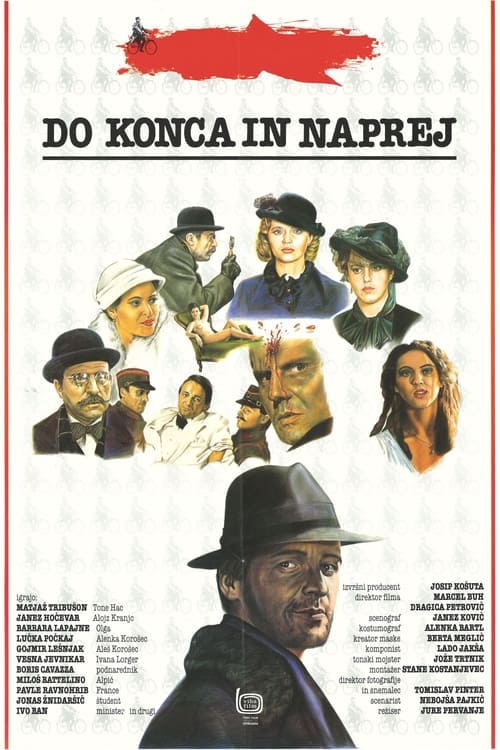
A thief commits daring robberies (a la Raffles) in Slovenia during the 1920s. While he romances the ladies a persistent detective tries to hunt him down and bring him to justice.
To the Limit and Beyond

The comedy takes us to a small Slovenian town in which a pre-election fight is being established in Parliament. After the online coincidents become the main heroine of the event teacher Didka, which the client included on the candidate list only to the so-called ' female quota '.