FEEL IT.STREAM
?

Serge Roullet

Directing

Biography

Serge Roullet was a French film director and screenwriter known for his thought-provoking works. Born in Bordeaux, he experienced a tumultuous adolescence during the German occupation of France in World War II. At 20, Roullet committed to a career in cinema, undertaking various roles to master the art of filmmaking. He served as an assistant director to Robert Bresson on The Trial of Joan of Arc (1962), which significantly influenced his minimalist style. Roullet's directorial debut, The Wall (1967), adapted from Jean-Paul Sartre's short story, was entered into the 17th Berlin International Film Festival. His filmography includes Benito Cereno (1971), based on Herman Melville's novella, and Le Voyage étranger (1992). Roullet's films are characterized by their philosophical depth and exploration of human freedom.

Known For

The Trial of Joan of Arc
7.2

Rouen, Normandy, 1431, during the Hundred Years' War. After being captured by French soldiers from an opposing faction, Joan of Arc, the Maid of Orléans, is unjustly tried by an ecclesiastical court overseen by her English enemies.

The Trial of Joan of Arc

1963
Louisiana Story
6.3

The idyllic life of a young Cajun boy and his pet raccoon is disrupted when the tranquility of the bayou is broken by an oil well drilling near his home.

Louisiana Story

1948
Benito Cereno
7.0

When Captain Amaso Delano approaches a three-masted ship in distress to offer his assistance, he discovers a most unusual situation: its captain, Don Benito Cereno, seems to command a very scant crew, moreover composed only of Africans. Cereno is in very bad condition and apparently survives only thanks to the affectionate care of his faithful body-servant slave Atimbo. When Delano leaves the dilapidated ship to seek relief, Cereno jumps in the boat and explains to the Americans that he has been the victim of a revolt of the slaves. The ship is now in their hands.

Benito Cereno

1971
No image
10.0

No description available.

Jupiter

1971
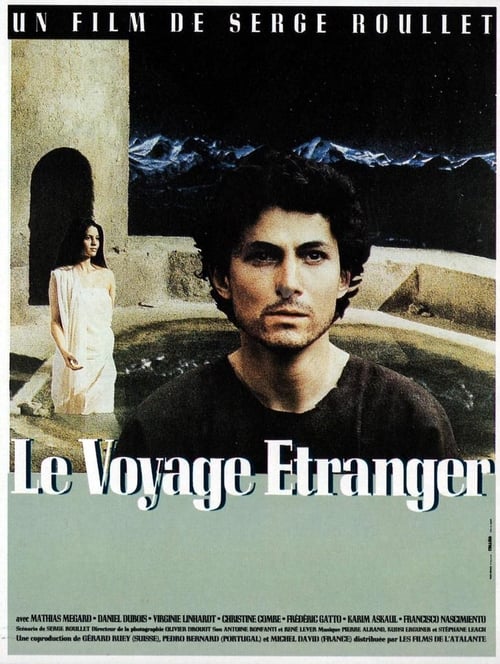
Le voyage étranger
8.0

11th century. Descended from the aristocracy, Alexis flees a world dominated by money and strength. The young man, in love with justice and freedom, sets off on the roads to discover the world, abandoning his wife and family.

Le voyage étranger

1992
Avoue que tu mens
1.0

After he has seduced Claudia, Gabriel is concerned when she mysteriously disappears. Is she stricken with guilt? Is she ashamed that she gave in too easily to him? When he finds her again, he refuses to accept the fact that he must share her with another man. A woman’s vengeance can be a terrible thing, as Gabriel soon discovers...

Avoue que tu mens

2008
La fille à l'envers
4.7

As a young girl living in an institution for girls where the nights are restless, Iphis decides to accompany her godfather who is going on a cruise on a yacht. To avoid the problems that would be caused by the presence of a young woman on board, Iphis, dressed as a boy, pretends to be the nephew of the man who is actually her godfather. Seeing her advances rejected by her uncle, Iphis, thanks to her disguise, seduces in turn the sailor, the son of a friend, a pretty girl hired as second mate and the real sailor. This removes all scruples from the uncle for the rest of the voyage.

La fille à l'envers

1974
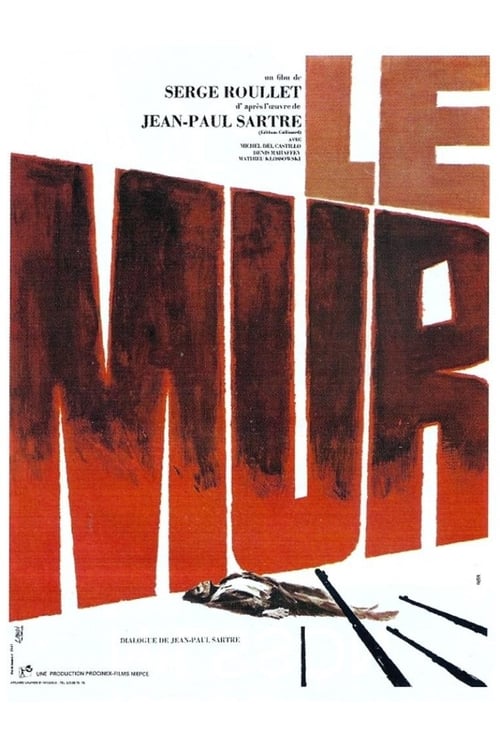
The Wall
6.7

Prisoners await execution by firing squad when they are captured during the Spanish Civil War in this drama taken from the novella by Jean-Paul Sarte. Pablo is a loyalist jailed after he searches for his brother. An Irish mercenary and a Belgian physician are his cellmates. Flashbacks recall their lives before the war as they spend their last moments on Earth waiting for their date with death.

The Wall

1967
No image
7.0

No description available.

Djerrahi: une cérémonie soufie

1978
No image
N/A

A sketch of everyday life among people from different social circles in a France torn by the conflict between the modern and the traditional. This documentary is evocative and stark at the same time, and gives a clear expression of which circles have the filmmaker's sympathy.

Sillages

1963