FEEL IT.STREAM
Tatiana Gaviola

Tatiana Gaviola

Directing

Biography

Tatiana Gaviola is a documentary filmmaker and television director. She studied at the School of Communication Arts of the Universidad Católica de Chile. During the years of the dictatorship, she stands out among the numerous group of women who developed an active work in the filming of documentaries, relying on the format -video- which appeared at that time as the most feasible way, and in some cases, the only one, in audiovisual work. In 1988 he directed Ángeles, a medium-length fiction film based on an investigation of a group of missing students. Years later he made the feature film Mi último hombre, a film in which the political conflict is treated in the form of a thriller. In 2009 he released Teresa, a feature film based on the life of Teresa Wilms Montt, a national poetess of the first half of the twentieth century, famous for her beauty and tragic end.


Known For

Mentiras verdaderas
5.5

Daily interviews discussing the guest's personal lives and national contingency.

Mentiras verdaderas

2011
Mi primera vez
2.0

Fictionalized stories based on real events about young people starting their sexual lives.

Mi primera vez

2007
Teresa
5.2

Teresa Wilms Montt is a writer, a rebellious woman, tormented and beautiful. He marries at age 17 challenging family opposition. She falls in love with someone she should not and the family court condemns her to confinement in a convent. Separated from her two daughters, she escapes to Buenos Aires with Vicente Huidobro. From that flight her life becomes an exciting and tragic itinerary.

Teresa

2009
B-Happy
5.9

A determined teenager must rely on her own wits when her fractured family abandons her.

B-Happy

2004
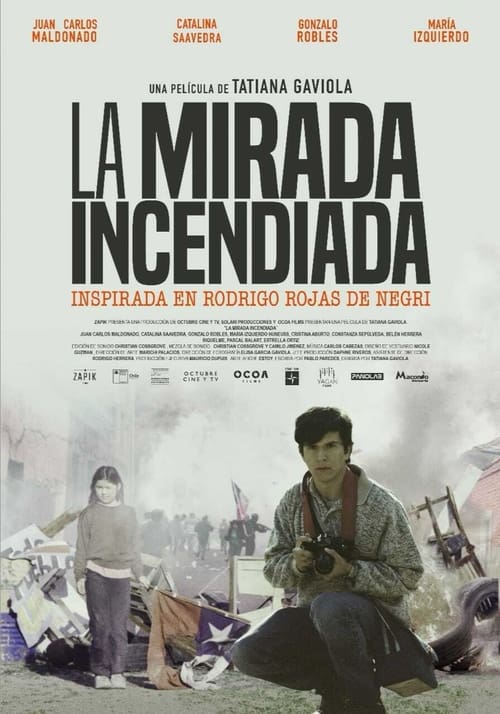
La mirada incendiada
N/A

Film inspired by the real story of Rodrigo Rojas de Negri. Killed on July 2, 1986 during the first national protest against the dictatorship of Augusto Pinochet.

La mirada incendiada

2021
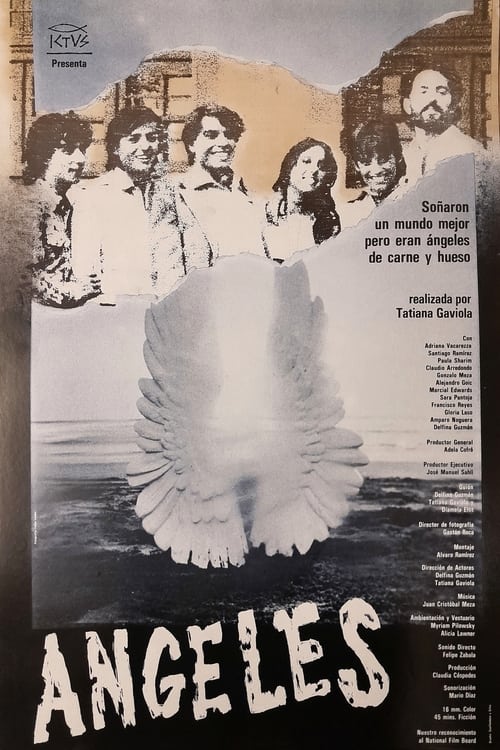
Angels
7.0

A group of college students gradually disappear, with no explanation.

Angels

1990
No image
N/A

A mix between documentary and fiction, Ángeles shows the story of a group of university students who are disappearing, and focuses specifically on the story of Juan Maino.

Angels

1988
No image
8.0

Chilean documentary that records a demonstration organized by the collective Women for Life (Mujeres por la Vida), held on August 29, 1988, in Paseo Ahumada in Santiago. During this public intervention, a thousand life-size black silhouettes were placed throughout the street as a symbolic memorial to the victims of repression during the military regime of Augusto Pinochet. The action sought to make visible the detained and disappeared, exiles, political prisoners, and all those affected by political violence in Chile at a time when many of these realities were still being silenced. Through the documentation of the protest, the film captures the collective’s call to remember and to keep historical memory alive, while the demonstration is eventually met with violent police repression.

No me olvides

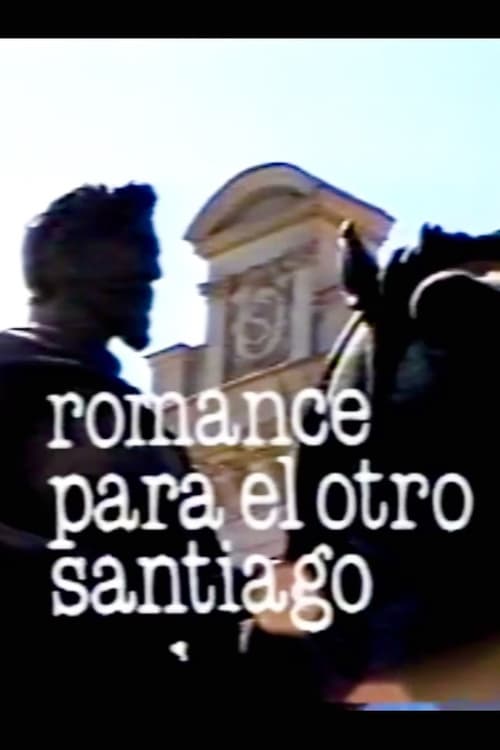
Romance para el otro Santiago
N/A

Portrait of the new face that the center of Santiago acquired during the 80s. The Ahumada walk along with the social and survival demonstrations that converge there. The coexistence of street vendors, preachers, executives, unemployed people from the show who set up an "office" to engage in new jobs, alternates with flippers, topless and cafes that forever changed the heart of the city.

Romance para el otro Santiago

1982
so many lives, one story
N/A

Testimonies about the social and feminine marginality of female residents. The need to face problems through collective discussion. Filmed in a camp in Ochagavía.

so many lives, one story

No image
7.0

A female television journalist has a strange affair with a terrorist.

Mi último hombre

1996
Una milla de cruces sobre el pavimento
N/A

The artist's voice-over saying "No, I wasn't happy" marks the beginning of the video-recording of this, her first art action, which consisted in the intervention to a traffic sign along a mile, specifically on Manquehue Street, in Santiago de Chile. A fundamental work within the history of 20th century Chilean art.

Una milla de cruces sobre el pavimento

1979