FEEL IT.STREAM
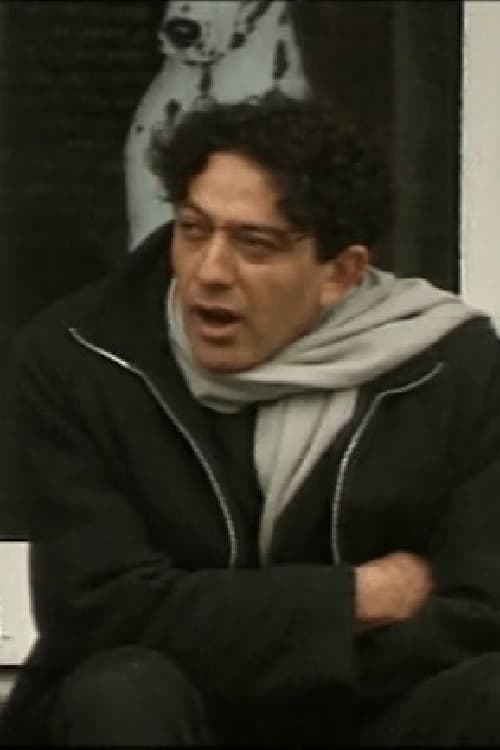
Elia Suleiman

Elia Suleiman

Directing

Biography

Elia Suleiman (Arabic: إيليا سليمان, IPA: [ˈʔiːlja sʊleːˈmaːn]; born 28 July 1960; Nazareth) is a Palestinian film director and actor. He is best known for the 2002 film Divine Intervention (Arabic: يد إلهية), a modern tragicomedy on living under occupation in Palestine which won the Jury Prize at the 2002 Cannes Film Festival. Suleiman's cinematic style is often compared to that of Jacques Tati and Buster Keaton, for its poetic interplay between "burlesque and sobriety". He is married to Lebanese singer and actress Yasmine Hamdan.

Known For

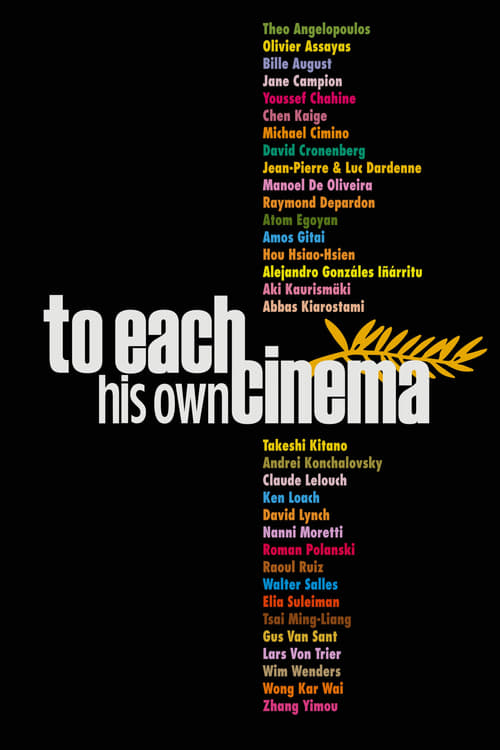
To Each His Own Cinema
6.5

Commissioned to mark the 60th anniversary of the Cannes Film Festival, "To Each His Own Cinema" brought together 33 of the world's pre-eminent filmmakers to produce short pieces exploring the multifarious facets of cinema and their perspective on the state of their chosen artform in the early 21st century.

To Each His Own Cinema

2007
Only Lovers Left Alive
7.2

A depressed musician reunites with his lover. However, their romance, already played over several centuries, is disrupted by the arrival of her uncontrollable younger sister.

Only Lovers Left Alive

2013
A Special Day
6.0

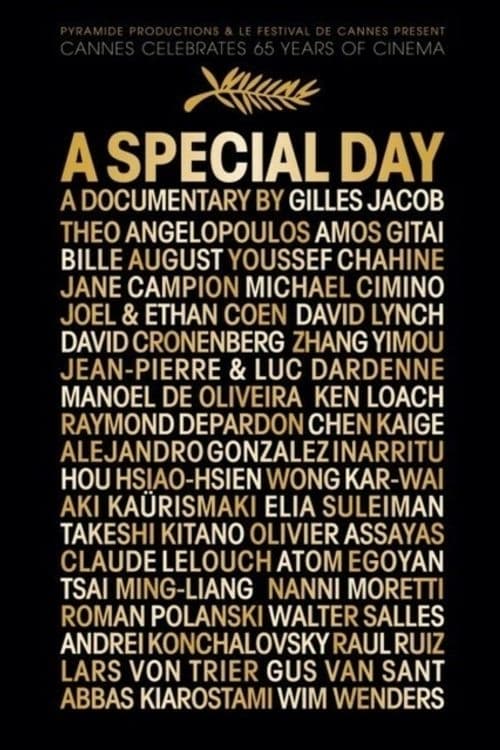
At the 60th anniversary of Cannes Film Festival, 34 famous directors are followed by camera.

A Special Day

2012
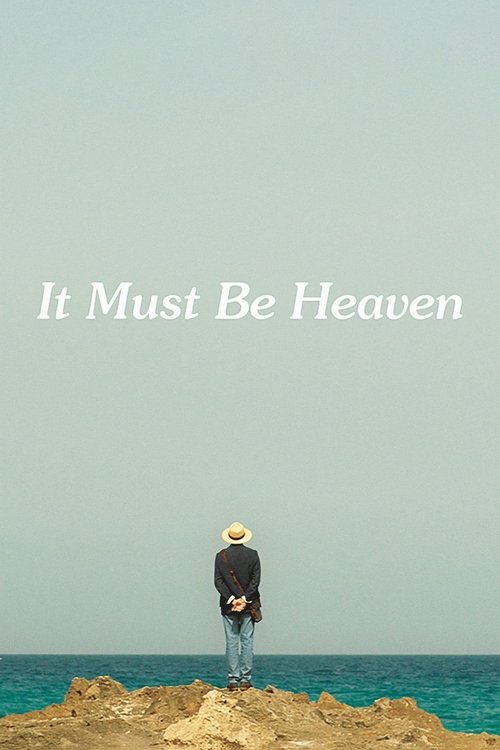
It Must Be Heaven
6.5

Filmmaker Elia Suleiman travels to different cities and finds unexpected parallels to his homeland of Palestine.

It Must Be Heaven

2019
Critic
7.9

Seventy critics and filmmakers discuss cinema around the conflict between the artist and the observer, the creator and the critic. Between 1998 and 2007, Kléber Mendonça Filho recorded testimonies about this relationship in Brazil, the United States and Europe, based on his experience as a critic.

Critic

2008
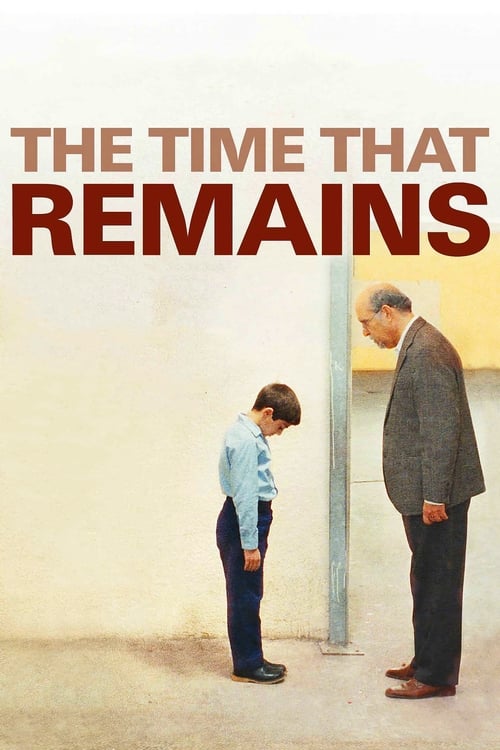
The Time That Remains
7.2

An examination of the creation of the state of Israel in 1948 through to the present day. A semi-biographic film, in four chapters, about a family spanning from 1948 until recent times. Combined with intimate memories of each member, the film attempts to portray the daily life of those Palestinians who remained in their land and were labelled "Israeli-Arabs," living as a minority in their own homeland.

The Time That Remains

2009
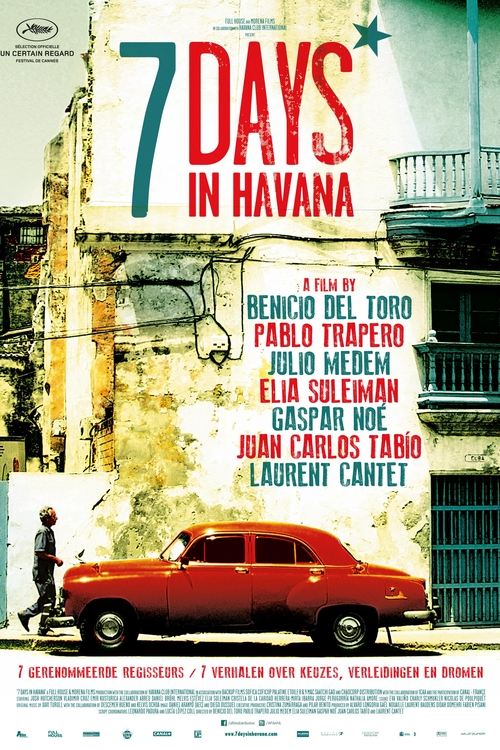
7 Days in Havana
5.6

A lesbian, an aspiring actor, an aspiring singer, a low-class marriage, a neighborhood community and 2 renowned directors have memorable less-than-24-hour-long experiences while living in/visiting the capital of Cuba.

7 Days in Havana

2012
Divine Intervention
6.7

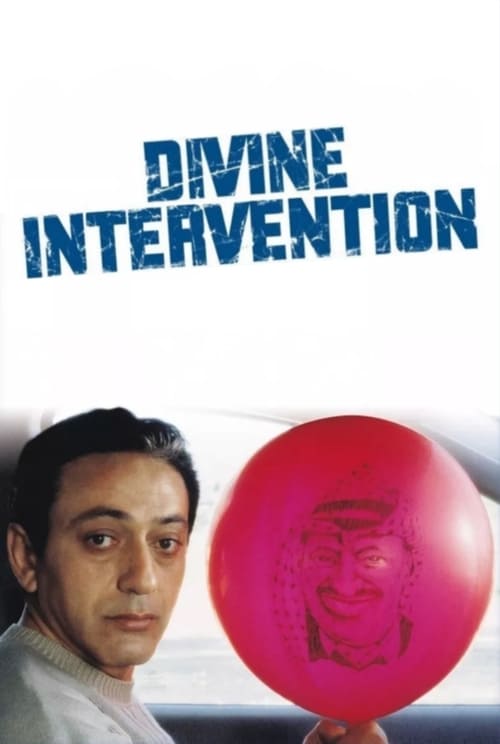
Santa Claus tries to outrun a gang of knife-wielding youth. It's one of several vignettes of Palestinian life in Israel - in a neighborhood in Nazareth and at Al-Ram checkpoint in East Jerusalem. Most of the stories are droll, some absurd, one is mythic and fanciful; few words are spoken. A man who goes through his mail methodically each morning has a heart attack. His son visits him in the hospital. The son regularly meets a woman at Al-Ram; they sit in a car, hands caressing. Once, she defies Israeli guards at the checkpoint; later, ninja-like, she takes on soldiers at a target range. A red balloon floats free overhead. Neighbors toss garbage over walls. Life goes on until it doesn't.

Divine Intervention

2002
Kusturica - Balkan's Bad Boy
8.0

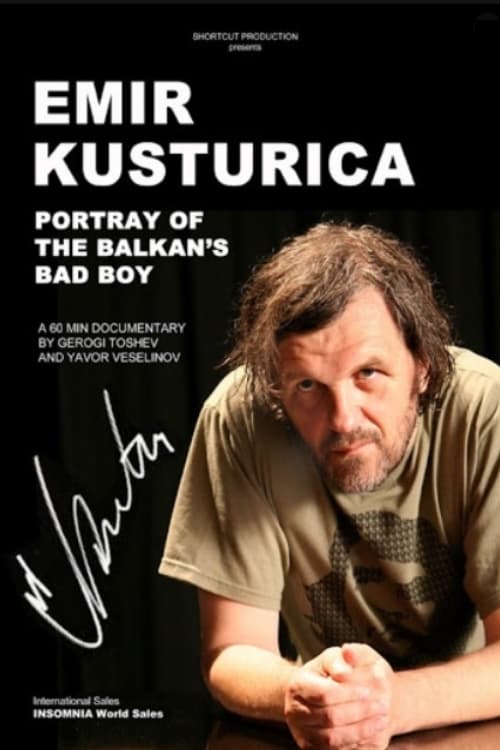
A film director, an actor, a musician, an organizer of festivals, a husband, a father, a grand-father, a friend, a professor... This film is an unexpected meeting with one of the most fascinating European film directors: Emir Kusturica. This is a journey to memory and forgetfulness. Beyond success, money, dependencies and pride. A deeper look into the world of Kusturica and his Wooden city at Mokra Gora. A tale about the won battles, as well as the lost ones. About the everlasting curiosity in filmmaking.

Kusturica - Balkan's Bad Boy

2012
Bamako
7.0

Caught in the stranglehold of debt and structural adjustment, Africa is fighting for its survival. In the face of disaster, representatives of African society bring an action against international financial institutions. The trial takes place in Bamako, in the yard of a house, among its inhabitants.

Bamako

2007
Chronicle of a Disappearance
6.6

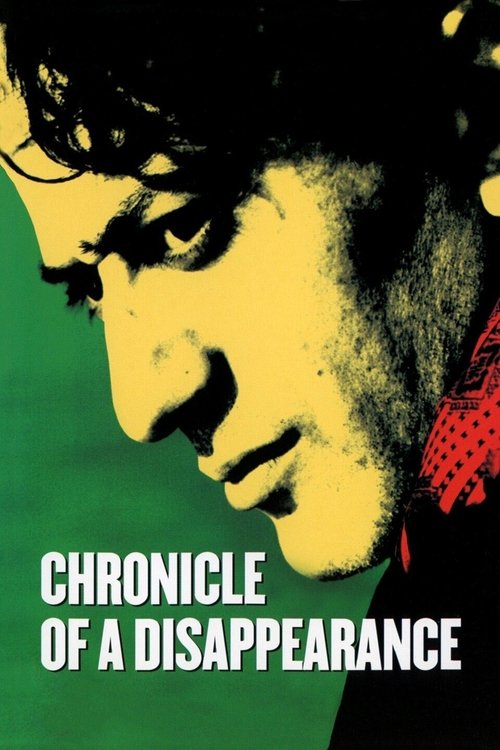
Chronicle of a Disappearance unfolds in a series of seemingly unconnected cinematic tableaux, each of them focused on incidents or characters which seldom reappear later in the film. Among the many unrelated scenes, there is a Palestinian actress struggling to find an apartment in West Jerusalem, the owner of the Holy Land souvenir shop preparing merchandise for incoming Japanese tourists, a group of old women gossiping about their relatives, and an Israeli police van which screeches to a halt so several heavily armed soldiers can get off the car and urinate.

Chronicle of a Disappearance

1996
Nelson Mandela: The Myth and Me
6.4

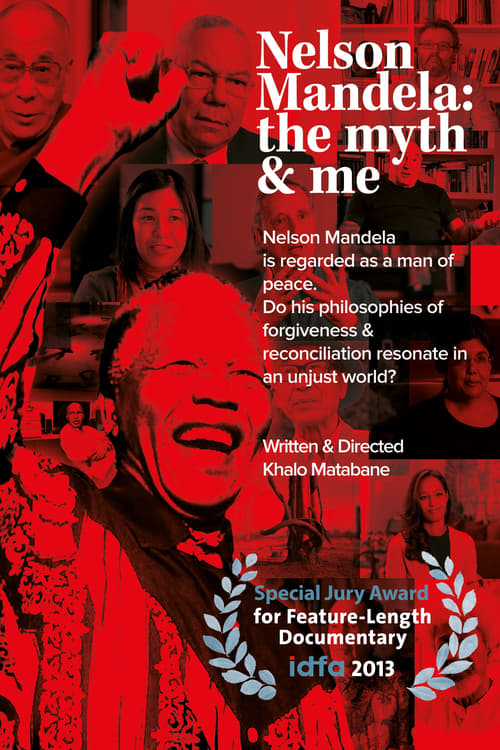
Khalo Matabane spent two years making the film, interviewing those who knew and loved Mandela, and also those who criticised him. Global thinkers, politicians and artists including the Dalai Lama, Henry Kissinger and Ariel Dorfman talk about the effect of his policies and his decision making. Their thoughts are weighed equally with ordinary South Africans like Charity Kondile, who refuses to forgive her son's apartheid operative murderer. Through these interviews, completed in the last months of Mandela's life, Matabane interrogates for himself the meaning of freedom, reconciliation and forgiveness. By doing so he challenges Mandela's enduring impact in today's world of conflict and inequality. Thought-provoking and reflective, Mandela, the Myth and Me is a moving film which frames Mandela from a fresh, deeply personal perspective. (Storyville)

Nelson Mandela: The Myth and Me

2013
And Then They Burn the Sea
6.0

Filmmaker Majid Al-Remaihi ruminates on the experience of witnessing his mother’s terminal memory loss over the course of many years.

And Then They Burn the Sea

2021
War and Peace in Vesoul
10.0

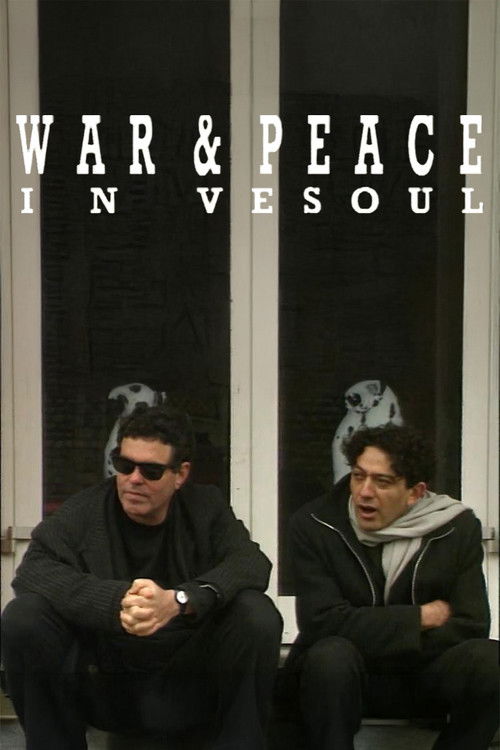
In the train on the way to the Festival in Vesoul, filmmakers Amos Gitai and Elia Suleiman talk about the subjects that preoccupy them: war and peace in the Middle East, their film projects, their cities, their private lives… In Vesoul, the French welcome is rather comical and the questions of war and peace in the Middle East create misunderstandings: through a kind of inverted exoticism, we end up wondering who is really the “stranger” in this story.

War and Peace in Vesoul

1997
The Gulf War... What Next?
9.0

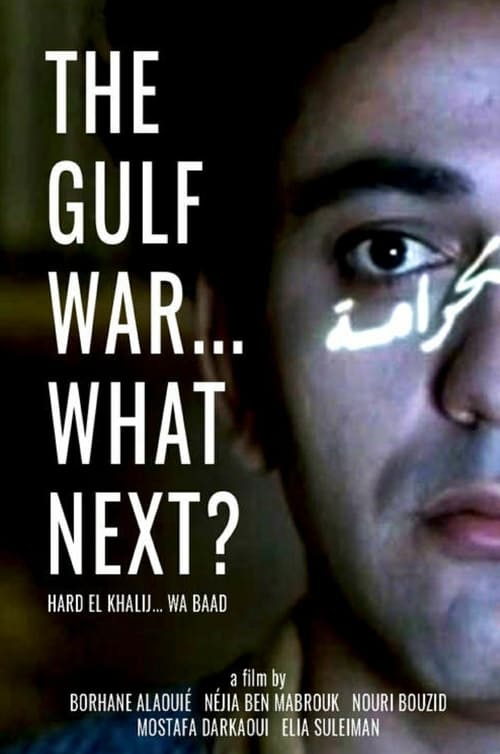
The second Gulf War from 1990 to 1991 represents in the collective Arab memory a turning point in regards to the Arab nationalism’s self-perception as well as a moment of deep historical and existential insecurity. Five Arab directors discuss the events from their personal perspective.

The Gulf War... What Next?

1993
Introduction to the End of an Argument
7.8

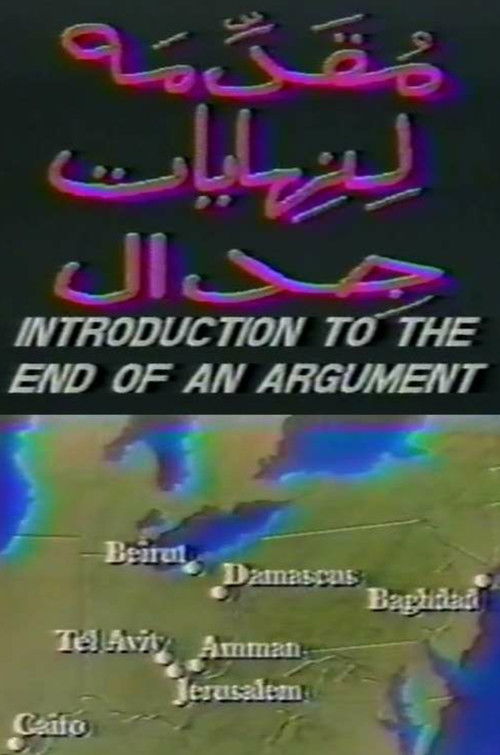
Lebanese/Canadian artist Jayce Salloum and Elia Suleiman, a Palestinian filmmaker living in New York, have taken on our accumulated (mis)impressions of the Palestinian Intifada by tracing their genesis in film and television.

Introduction to the End of an Argument

1990
Homage by Assassination
10.0

A Palestinian filmmaker is writing a script in his New York apartment during the first Gulf war. As much as he tries to shut himself off from the exterior world, images of past wars in the Middle East come back to haunt him.

Homage by Assassination

1992
The Arab Dream
N/A

In this autobiographical film the Palestinian filmmaker Elia Suleiman goes in search of his past and possible future in occupied Palestine. Wherever he looks, he feels surrounded by images and places that have a political significance. Can a landscape be free of meaning, is there any point in striving for an approach that transcends all ideology? Commissioned by the ARTE network as part of a series of films for the end of the millennium, this film is a travelogue through Jerusalem, Nazareth and Ramallah. The film is a meditation on quotidian injustices, and a formulation of an aesthetic and creative response to them.

The Arab Dream

1998
Cyber Palestine
7.0

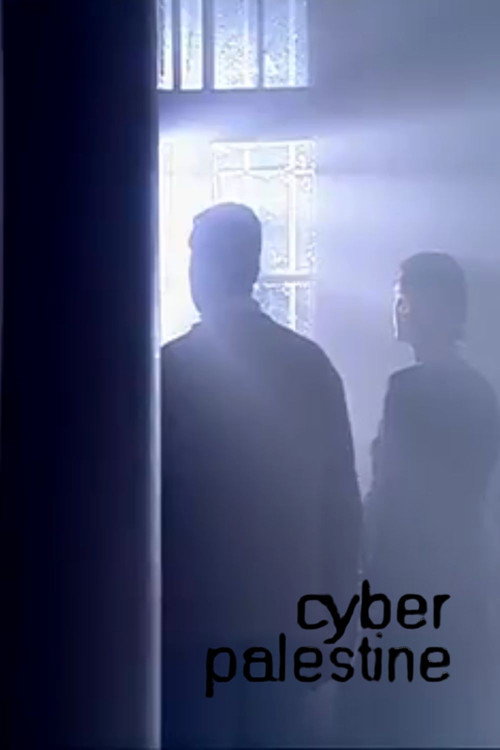
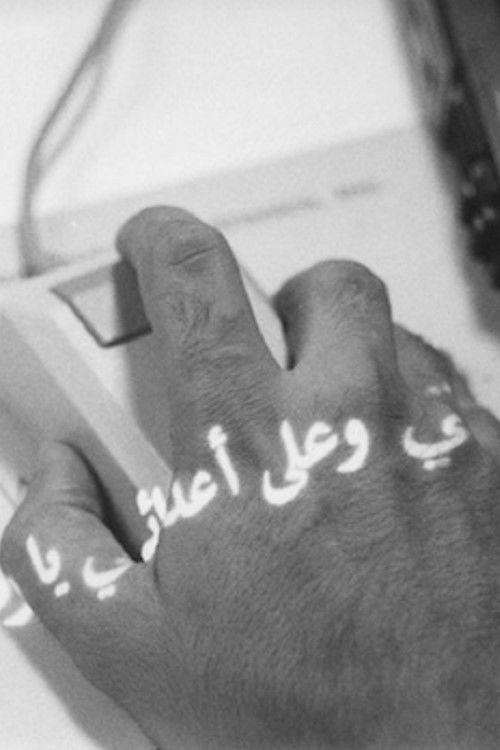
Cyber ​​Palestine is a parable about a modern-day Mary and Joseph, two Palestinian returnees living in Gaza, and their tribulations with the Israeli occupation. Cyber ​​Palestine was commissioned by the Palestinian National Authority's Bethlehem 2000 Project as part of the millennium commemorations in Bethlehem.

Cyber Palestine

2000