FEEL IT.STREAM
Käbi Laretei

Käbi Laretei

Acting

Biography

Käbi Alma Laretei (July 14, 1922 – October 31, 2014) was an Estonian-Swedish concert pianist. Her father Heinrich Laretei was a diplomat in the service of the Republic of Estonia as ambassador to Sweden; when the Soviet Union occupied Estonia in 1940, the family did not return to Estonia. Her piano teacher was Maria-Luisa Strub-Moresco, who had an indirect influence on the artistic choices of Laretei's later husband, Ingmar Bergman. Laretei had a long and distinguished career as a pianist, and in the 1960s she played to packed halls in the United Kingdom, Sweden, West Germany, and the United States, including Carnegie Hall. From 1950 to 1959, Laretei was married to Gunnar Staern, with whom she had a daughter, Linda (born 1955). Laretei is also known for her marriage to and professional collaborations with film director Ingmar Bergman; Laretei was his fourth wife. They met in the late 1950s, and were married in 1959. She introduced Bergman to a variety of music, some of which he would use in film scores. They divorced in 1969, though the marriage was effectively over by 1966. His 1961 film Through a Glass Darkly is dedicated to Laretei. They had a son, Daniel Bergman (born 1962), who is also a film director. Laretei worked with Igor Stravinsky and Paul Hindemith. She continued to play in concert and give musical consultations on the set of some of her former husband's films and even appears playing the piano in a scene of Fanny and Alexander. She recorded piano passages that appear diegetically in Bergman's films, such as Autumn Sonata and The Magic Flute. She took an early interest in the TV medium, hosted many programmes on literature and music on Swedish TV and, starting with En bit jord (1976; "A lump of earth"), published a number of books on life and music, the last being Såsom i en översättning (2004; "As in a translation", the title being a paraphrase on "Through a Glass Darkly" (Såsom i en spegel)). Moreover, she has been the subject of numerous television and film documentaries. She was awarded Estonia's Order of the National Coat of Arms, 3rd Class in 1998.
Known For

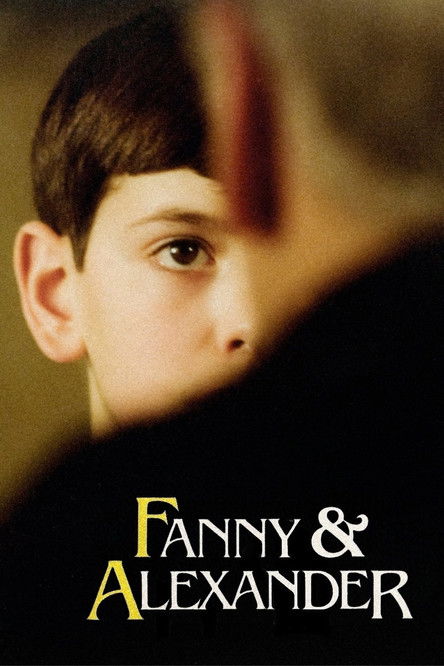
Fanny and Alexander
8.3

Through the eyes of ten-year-old Alexander, we witness the delights and conflicts of the Ekdahl family, a sprawling bourgeois clan in turn-of-the-twentieth-century Sweden.

Fanny and Alexander

1984
Fanny and Alexander
7.8

As children in the loving Ekdahl family, Fanny and Alexander enjoy a happy life with their parents, who run a theater company. After their father dies unexpectedly, however, the siblings end up in a joyless home when their mother, Emilie, marries a stern bishop. The bleak situation gradually grows worse as the bishop becomes more controlling, but dedicated relatives make a valiant attempt to aid Emilie, Fanny and Alexander.

Fanny and Alexander

1982
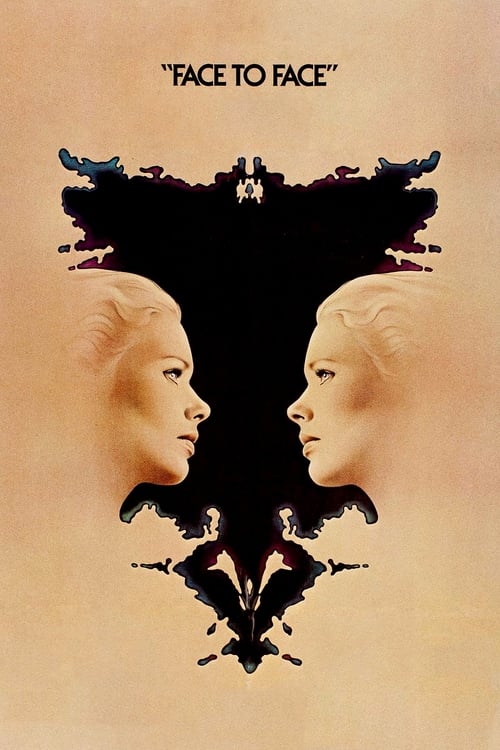
Face to Face
8.3

A psychiatrist temporarily separated from her family begins to experience severe psychological distress while working at a mental hospital and returning to her childhood home. As her professional responsibilities and personal relationships intersect, she undergoes a breakdown that forces her to confront long-suppressed memories and fears. (Note: This entry refers to the 1976 four-part Swedish television miniseries. A condensed theatrical feature edited from the same material was released separately in 1976.)

Face to Face

1976
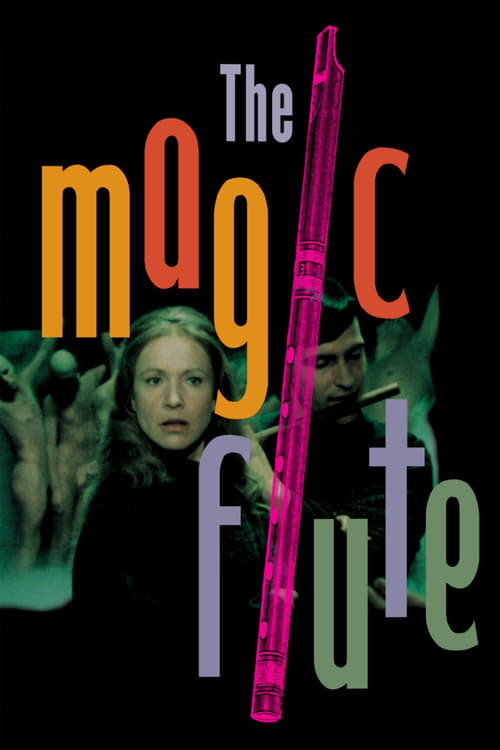
The Magic Flute
7.2

The Queen of the Night enlists a handsome prince named Tamino to rescue her beautiful kidnapped daughter, Princess Pamina, in this screen adaptation of the beloved Mozart opera. Aided by the lovelorn bird hunter Papageno and a magical flute that holds the power to change the hearts of men, young Tamino embarks on a quest for true love, leading to the evil Sarastro's temple where Pamina is held captive.

The Magic Flute

1975
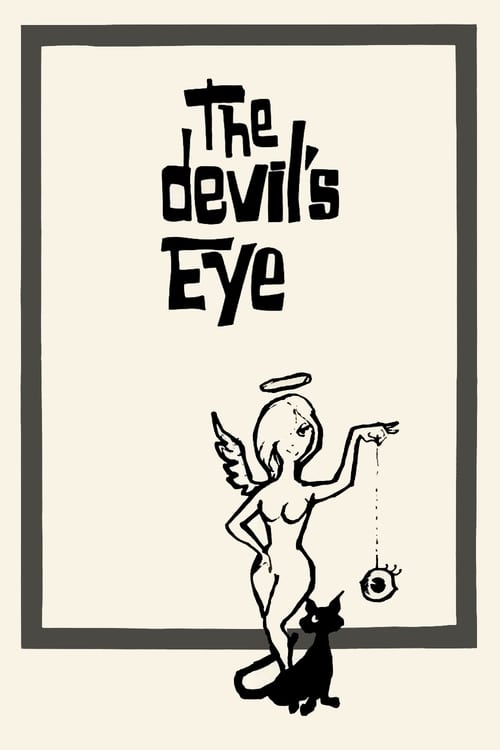
The Devil's Eye
7.1

Don Juan is sent from Hell to Earth with a mission: to seduce a virgin in order to spoil her pure wedding. The mission becomes frantic when Don Juan falls in love for the first time in centuries.

The Devil's Eye

1960
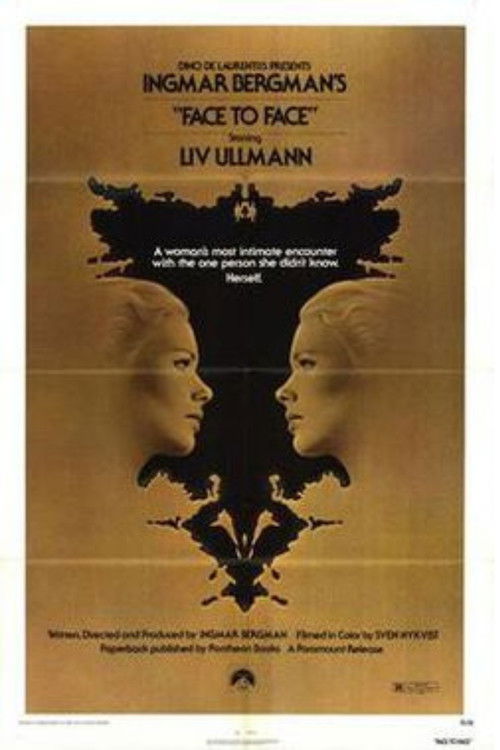
Face to Face
7.2

A psychiatrist temporarily separated from her family begins to experience severe psychological distress while working at a mental hospital and returning to her childhood home. As her professional responsibilities and personal relationships intersect, she undergoes a breakdown that forces her to confront long-suppressed memories and fears. (Note: This entry refers to the 1976 theatrical feature film (approximately 135 minutes), created by condensing and re-editing the four-part Swedish television miniseries originally produced the same year.)

Face to Face

1976
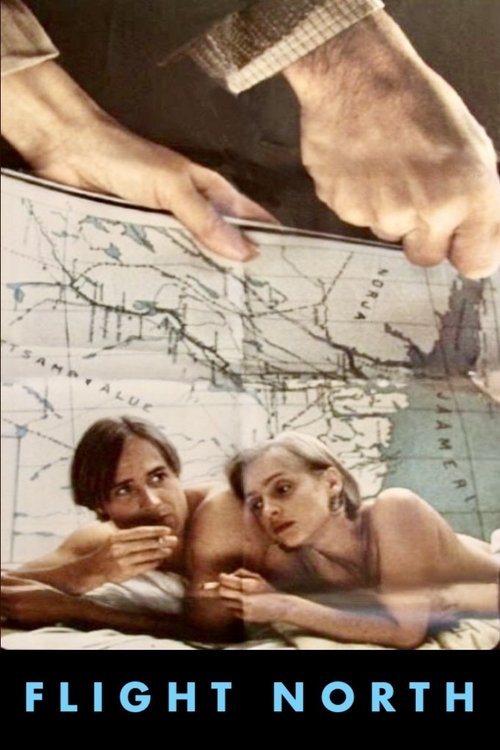
Flight North
4.5

Johanna has fled Nazi Germany to visit a friend in Finland, and from there she continues on to her friend's family's estate. Once at the estate, Johanna passionately argues with her friend's pro-Nazi brother and at the same time, falls for the second, good-looking brother who shares her own anti-fascist feelings. The two are soon engaged in an active sexual relationship that continues as they travel north to an Arctic port.

Flight North

1986
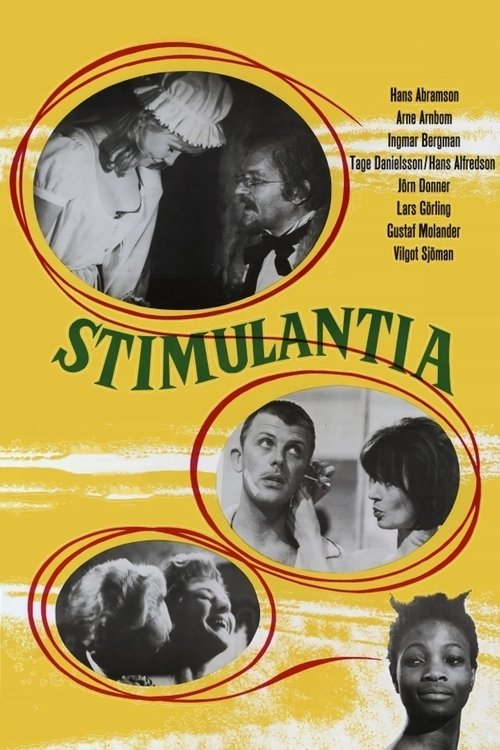
Stimulantia
6.1

Eight vignettes on a variety of topics, including a baby growing up, Charlie Chaplin, Birgit Nilsson, the racing track at Le Mans, erotic cleanliness, French literature, and a black woman in a cupboard in the neighborhood of Farsta near Stockholm.

Stimulantia

1967
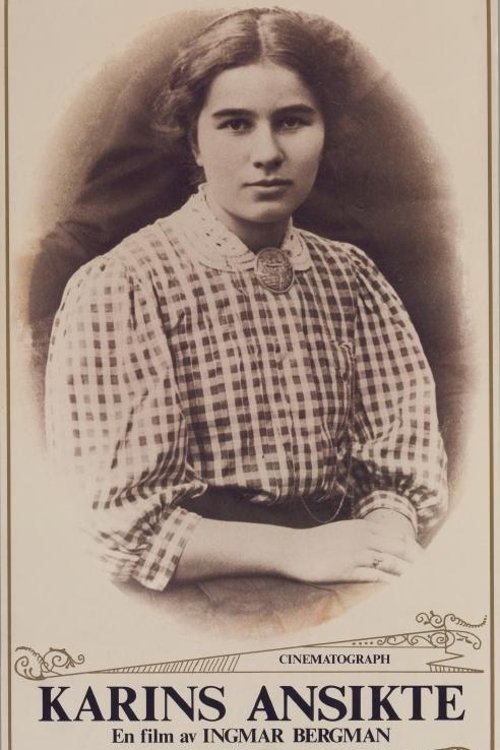
Karin's Face
6.3

This short film assembles still photographs from Ingmar Bergman’s personal family albums, concentrating on portraits of his mother, Karin, from childhood through adulthood. The images are arranged in chronological order and set to a piano score by Käbi Laretei, with no spoken narration.

Karin's Face

1986
No image
N/A

About the life of Trude Hesse. Her own sewing studio and four pianos keep the creativity alive for 86-year-old Trude Hesse. It was the romance at the piano that led to a new life in Sweden, after the Kristallnacht 1938 in Vienna.

Inte utan mitt piano

1999