Peter Pewas
Directing
Biography
April 22, 1904, in Berlin, made an apprenticeship as a metal worker after finishing school and worked in his job in Czechoslovakia and in Austria. In 1920, he went to Weimar"s Bauhaus for nine months and studied under Paul Klee, Wassily Kandinsky, and Laszlo Moholy-Nagy. From 1933 on, Pewas worked as a freelance commercial artist and created film posters and movie theatre adverts. In 1932, Pewas started a documentary film project about Alexanderplatz but was arrested by the Gestapo during filming in 1934 and his footage was confiscated. Suspected of high treason, Pewas was sent to jail twice. After his release, he continued to work as a commercial artist in the movie business. Then, Pewas started to study directing at film academy and worked as an assistant director for Wolfgang Liebeneiner"s films "Bismarck" (1940) und "Ich klage an" ("Accuse, I", 1941). In 1942, he worked for Tobis and made the short films "Eine Stunde" und "Zweiklang". In 1943, Pewas finished his first feature-length film for Terra, the heavily stylized elegiac melodrama "Der verzauberte Tag" – a film that in its aesthetics was diametrically opposed against contemporary fashion. The film was accused of "cultural Bolshevism" and eventually banned for alleged "contempt" against Germany"s lower middle class and for several nude scenes in October 1944. After the end of the war, Peter Pewas served as district mayor of Berlin-Wilmersdorf for several months before he became one of the founders of DEFA in Babelsberg. In 1947, he finished the successful sex education film "Straßenbekanntschaft" ("Street Acquaintances") that today ranks among the most influential "rubble films", for DEFA.
Known For
No description available.
German Film Award
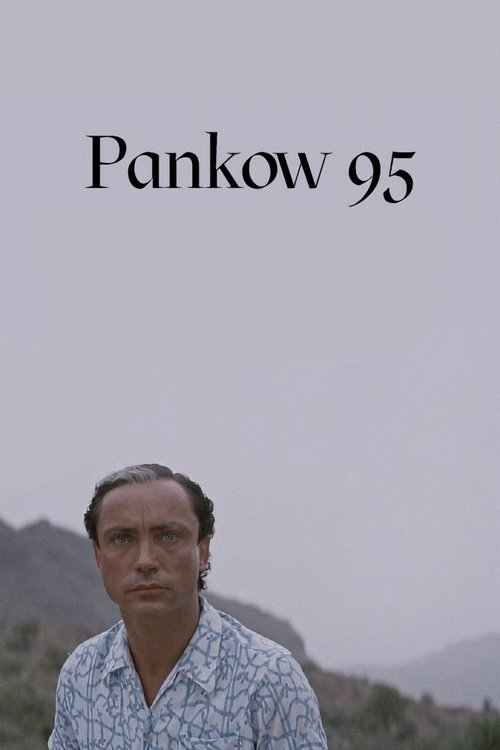
Futuristic view of life in Pankow, East Berlin. The GDR has turned into a madhouse with serious economic problems.
Pankow ’95
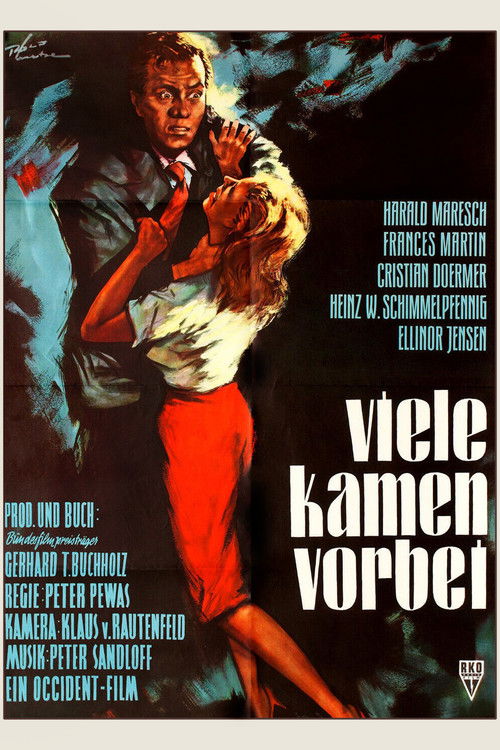
Attempted murder told from three perspectives: that of the offender, the (prospective) victim and the investigating officer.
Many Passed By
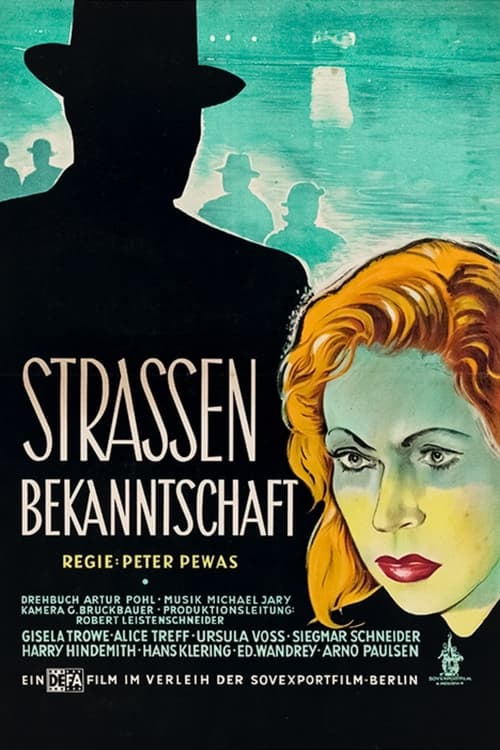
The film centres around the young woman Erika, desperately seeking for love and escape from the depression of the times, drifting, and in the end becoming involved with a circle of rich people who sell goods for sexual favours.
Street Acquaintances
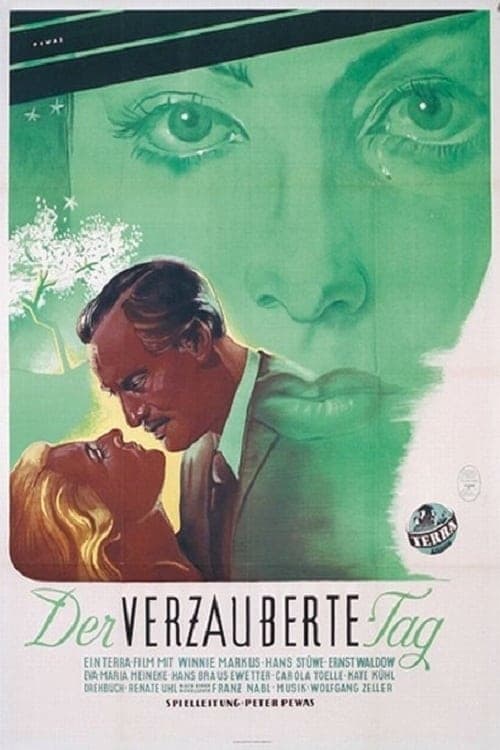
This film tells the unusually sensitive story of two women who try to cope with men, one a pragmatic gold digger type, not unsympathetic though, the other a dreamer who falls in love with a man in a magic moment ... or so she thinks.
The Enchanted Day
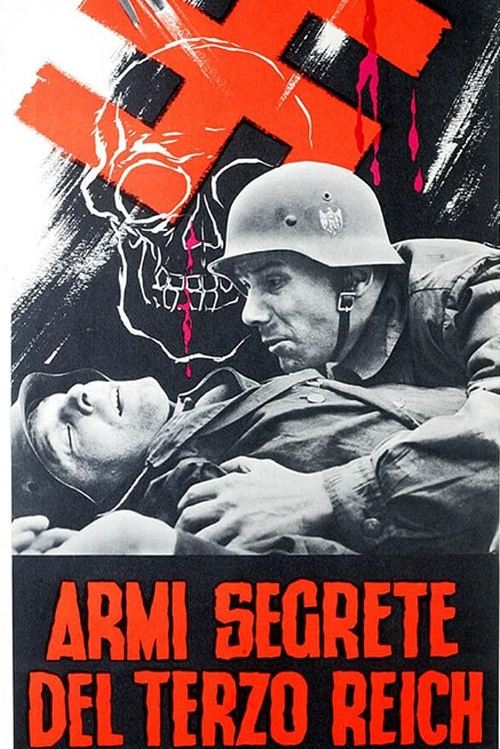
Romance stories with large inserts of war documents.
Er ging an meiner Seite
Poetic short film by Peter Pewas, inspired by a poem by Rainer Maria Rilke.
Herbstgedanken
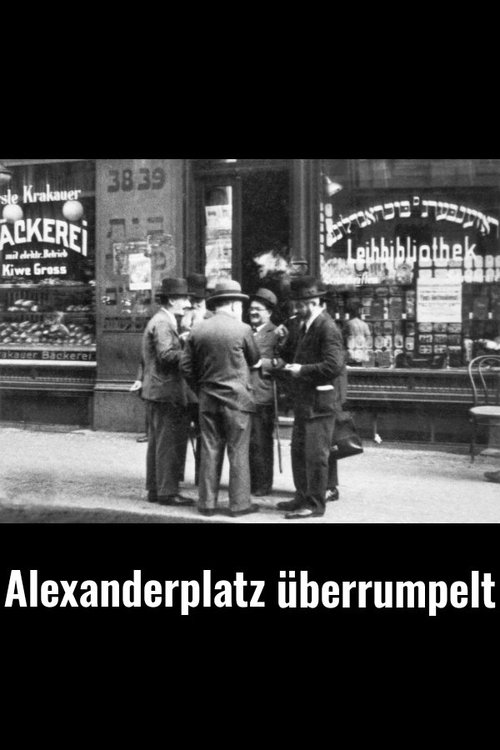
These fragments of a documentary film project by Peter Pewas about Berlin’s Alexanderplatz show the neon signs on the big department stores, but also children playing unsupervised amid the rubble of vacant lots, passers-by trudging hurriedly through the slush, and a torchlight procession of Nazi storm troopers – a heterogeneous social reality. The film was never completed because the director was arrested by the Gestapo and the footage seized.
Alexanderplatz Unawares
Tobis studio short film by Peter Pewas that wasn't intended for theatrical release.
Eine Stunde
Commissioned by the newly founded SED for the first regional elections (October 1946) in the Soviet occupation zone.
Wohin Johanna?
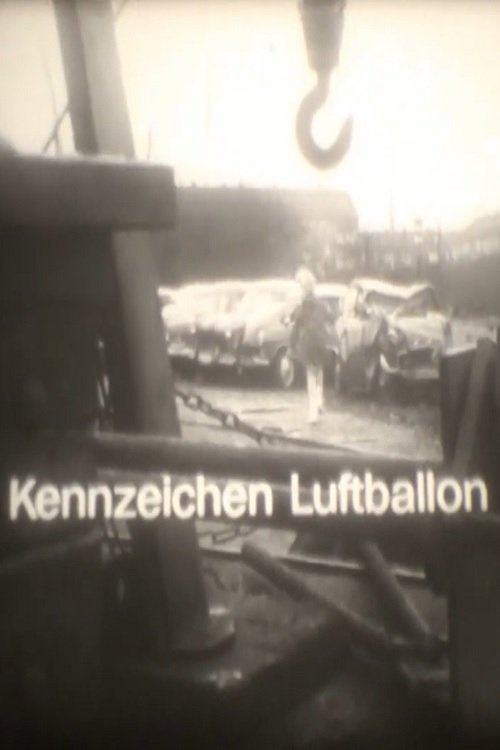
Based on court records, this award-winning documentary feature film directed by Peter Pewas reconstructs a traffic accident in Essen in which three people were directly involved and in which twelve-year-old cyclist Dieter Pahl was killed.
Kennzeichen Luftballon
A melancholic portrait of the last hours of an old man.
Vormittag eines alten Herrn
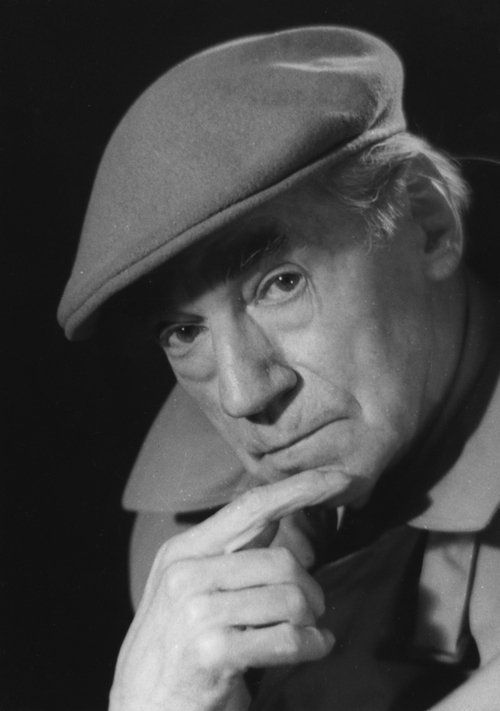
An intimate portrait of filmmaker Peter Pewas.
Plötzlich ist das Ende da
A train journey from the Alps to the North Sea through post-war Germany.
Menschen - Städte - Schienen
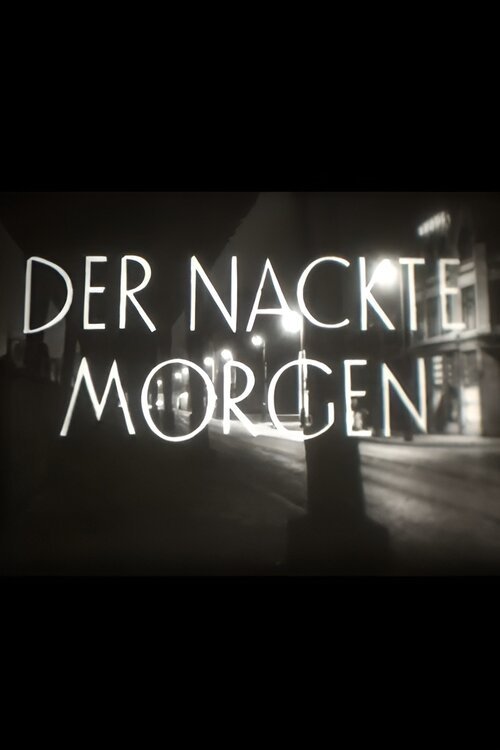
Hamburg awakens to a new morning in Peter Pewas short film.
Der nackte Morgen
Short "Fragezeichenfilm" about work.