Vladimir Rapoport
Camera
Known For

Fitil is a popular Soviet/Russian television satirical/comedy short film series which ran for about 500 episodes. Some of the episodes were aimed at children, and were called Фитилёк, Fitilyok, Little Fuse. Each issue contained from the few short segments: documentary, fictional and animated ones. Directed by various artists, including Leonid Gaidai who presented his famous trio of Nikulin, Vitsin and Morgunov into the cast. It was called in USSR as "the anecdotes from the Soviet government".
Fuse

A satirical express train sets off on its way. The driver S. Mikhalkov gives a farewell beep ... On the first carriage an inscription - "Summer cottage". The following are 8 short stories ...
Big "Wick"
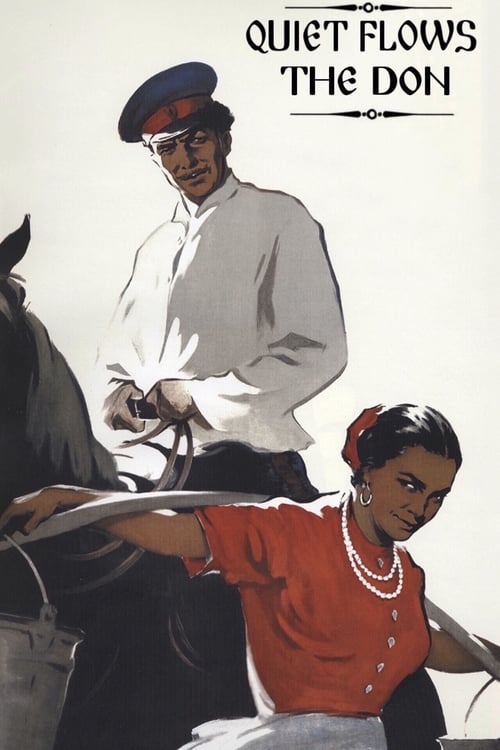
Based on the novel of the same name by Mikhail Sholokhov, about the fate of people broken by the First World War, the October Revolution of 1917 and the Civil War in Russia (1917-1922), about the collapse of the foundations and ideals of the Don Cossacks of Russia at the beginning of the XX century, about the personal tragedy of the protagonist — Grigoriy Melekhov.
Quiet Flows the Don
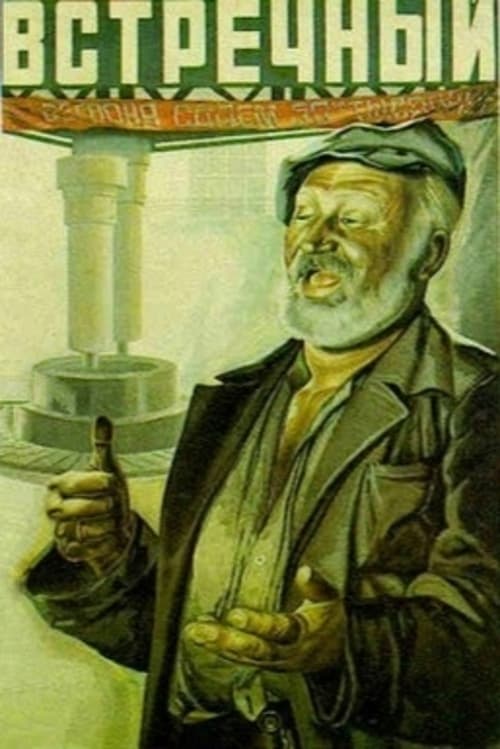
Shame or Counterplan is a 1932 Soviet drama film directed by Sergei Yutkevich and Fridrikh Ermler. The film’s title-song called "The Song of the Counterplan", composed by Dmitri Shostakovich, became world famous and was adapted into "Au-devant de la vie", a notable song of the French socialist movement of the 1930s. This film could be considered as a Stalin propaganda film. The plot involves an effort to catch "wreckers" at work in a Soviet factory. From Wikipedia, the free encyclopedia
Shame
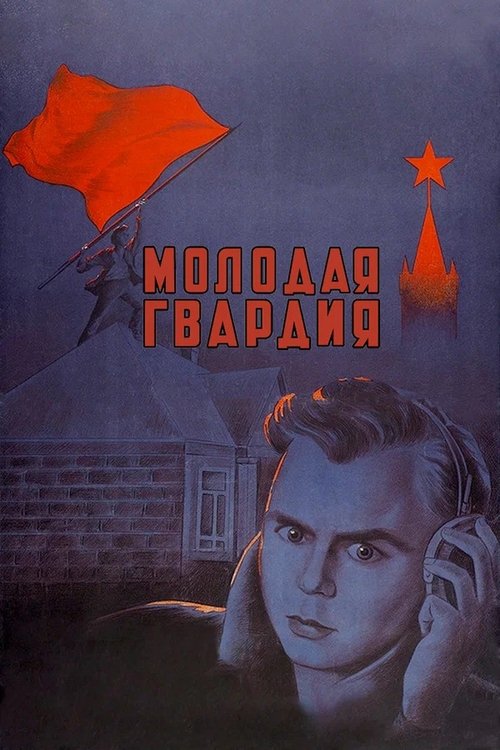
In 1942, local teenagers are organizing the underground resistance in the city of Krasnodon during the Nazi occupation of Russia. The teens manage to outsmart the Nazis in their fight, and their activity lifts the spirits of the surviving citizens.
The Young Guard
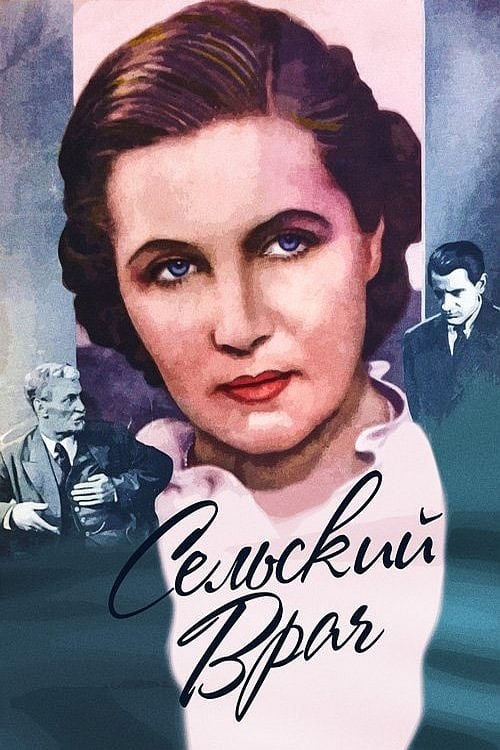
A young woman is going to the village to start working as doctor.
The Country Doctor
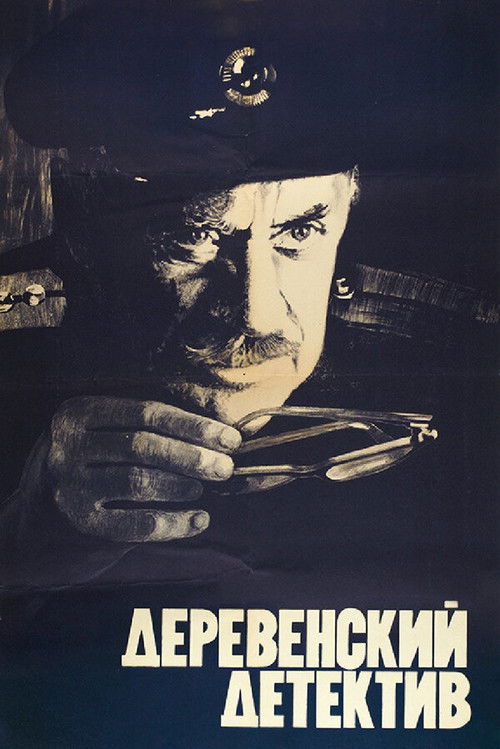
Police officer Aniskin lives with his family in a rural Russian village whose inhabitants admire his gentleness and wisdom. When an accordion is stolen from the local clubhouse, he begins to investigate.
The Village Detective
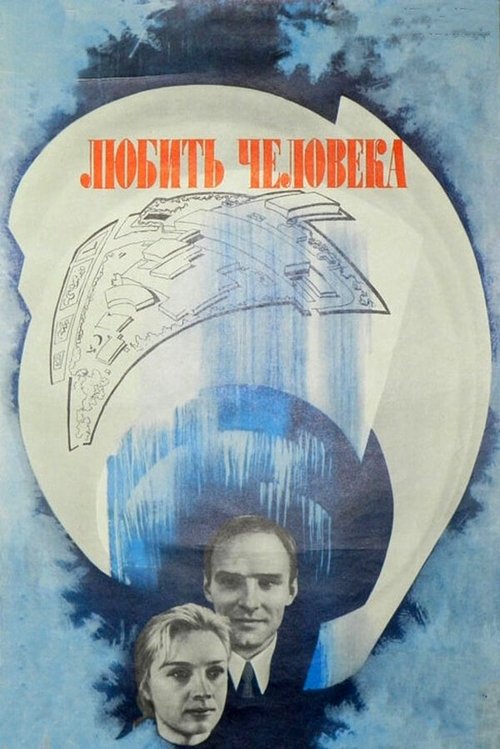
A film about young architects who are building a new city in Siberia (Norilsk), their anxieties, concerns, and victories. Story of subtle psychology of love and personal happiness experienced men and women, behind the shoulders of which the pain of the past
The Love of Mankind

A successful young journalist goes to a small industrial city in order to understand the written complaints of a certain girl. When he met the author of the letters and the girl whom she had slandered, he didn't immediately understand the complexity of the situation and the measure of responsibility to those whom he was obliged to protect...
The Journalist
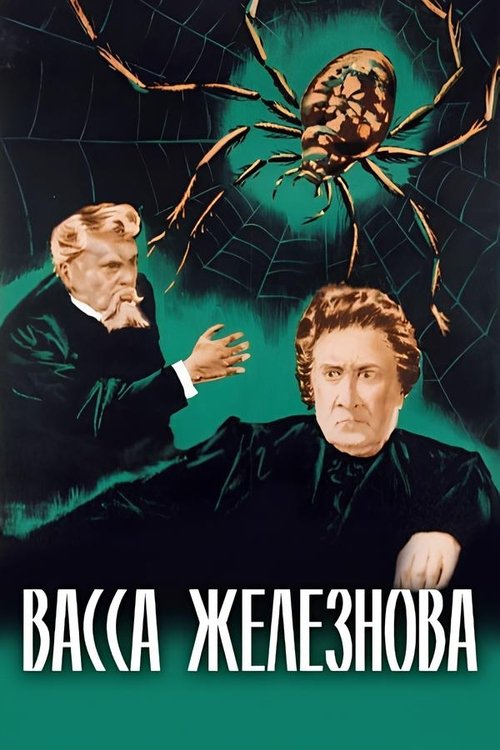
The tragedy of a talented and strong woman who built the well-being of her family on blood and blood. And well-being turned out to be just as false and ghostly.
Vassa Zheleznova
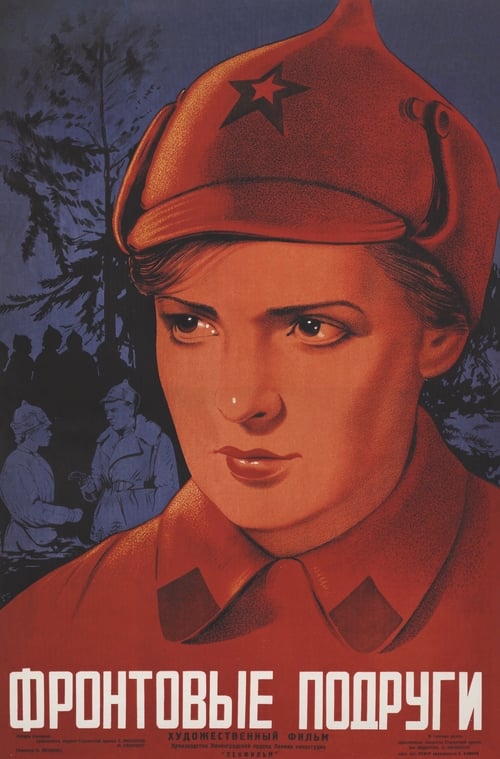
Set during the 1939–1940 Winter War, the film follows a group of young women from Leningrad who volunteer for service at the front. Working as nurses in hospitals and on the battlefield, they devote themselves to saving the lives of wounded soldiers, while also taking up arms alongside the men in combat. Through hardship and sacrifice, their courage forges bonds of friendship and love that endure amid the trials of war.
The Girl from Leningrad
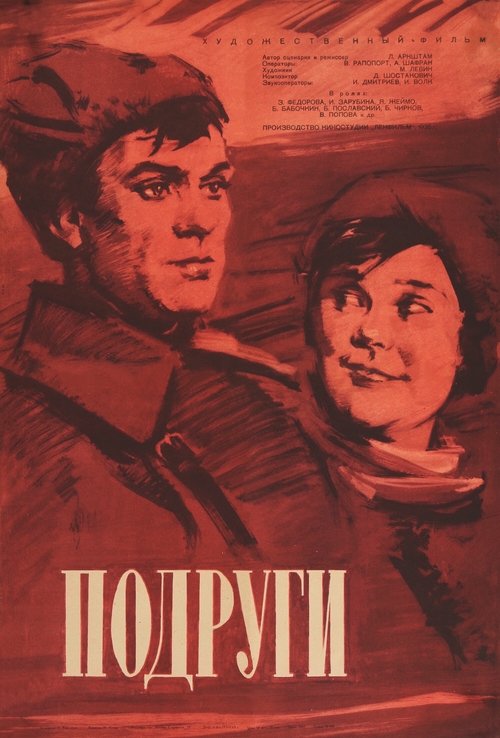
Girlfriends Zoya, Natasha and Asya live in Petrograd. Before the Civil War, young heroines are aware of the social injustice of life. When the war begins, the girls are recorded by the orderlies of the working group to protect the Bolshevik Petrograd from the advance of the whites.
The Girlfriends
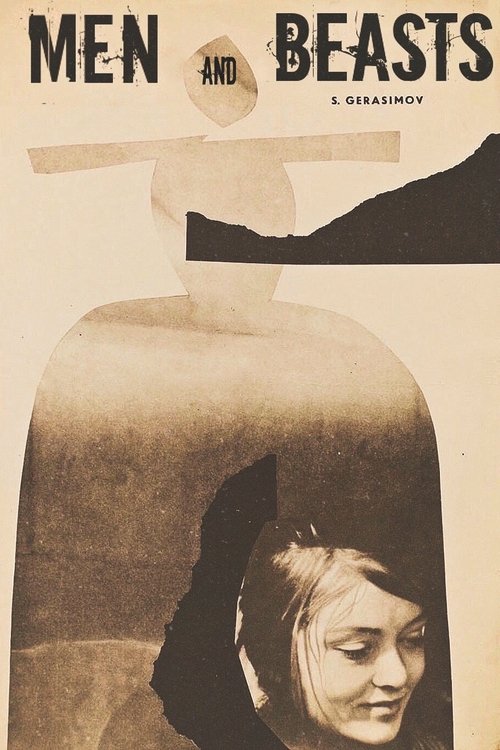
The plot is based on the dramatic fate of the Red Army commander Aleksei Ivanovich Pavlov. Having been captured in January 1942 and being among the displaced persons, he didn't immediately decide to return to the USSR. Having rolled around the foreign country for 17 years, Aleksei nevertheless returned to his homeland. He goes to his brother in the south of the country to Sevastopol. Aleksei accidentally meets the doctor Anna Andreyevna, who was saved from death in besieged Leningrad. She travels by car from Moscow and also to the south, with her daughter Tanya; she suggests he join them. Aleksei tells about his life on the road.
Men and Beasts
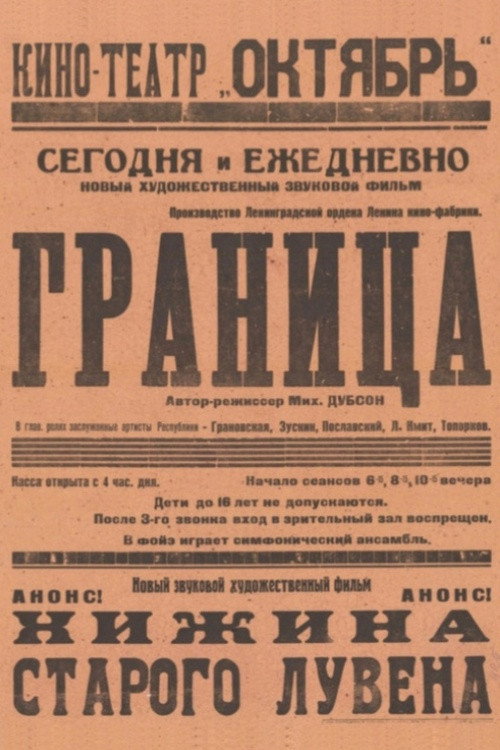
The residents of the village of Staroje Dudino, located four kilometers west of the Soviet border, are completely dependent on the wealthy Novik, whose interests are protected by the local police and clergy. Novik is actively stirring up ethnic strife between the Jewish poor and Polish workers. During the traditional "black crown" ceremony (a wedding ceremony for an old man and an old woman), a group of factory workers led by the communist Haidul, together with the Jewish poor, attack the police and free Boris Bernstein, who had been sentenced to death.
Frontier
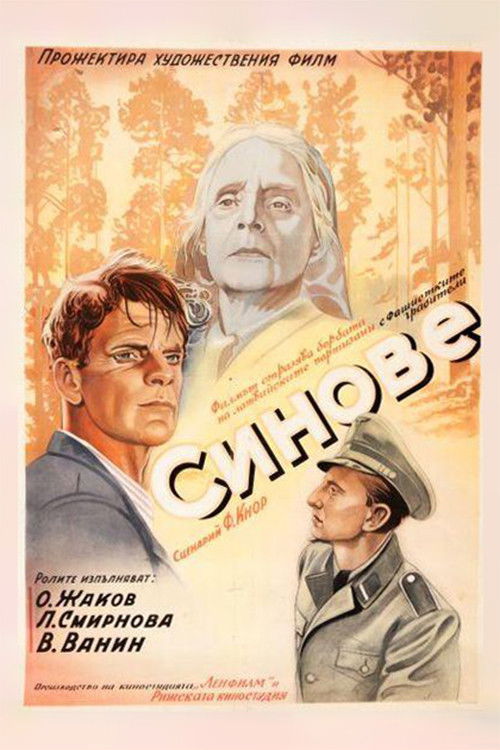
In one of the regions of Latvia occupied by the Nazis, the Germans arrest a peasant boy named Janis. His first escape ends in another arrest. This time, he is detained by his younger brother, who has become a policeman. After his next escape, his wife Ilga and daughter are sent to a concentration camp. Now Janis is ready to do anything to save them.
The Road Home
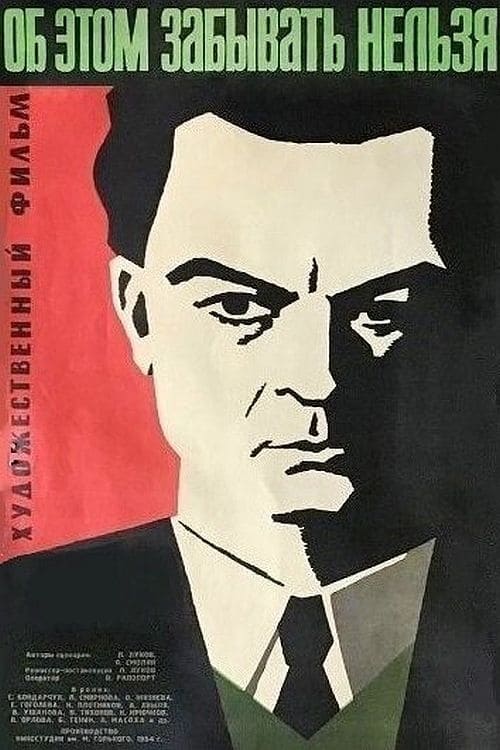
The story unfolds in a post-war town in Western Ukraine. The enemy agents are trying to subvert communist writer Aleksandr Garmash using ideological diversions. In parallel, a story is told about student Rostislav Danchenko who is being recruited by enemy agents. The story is pertinent due to resurgence of ultra-nationalist underground activity in Western Ukraine after World War II.
It Can Not Be Forgotten
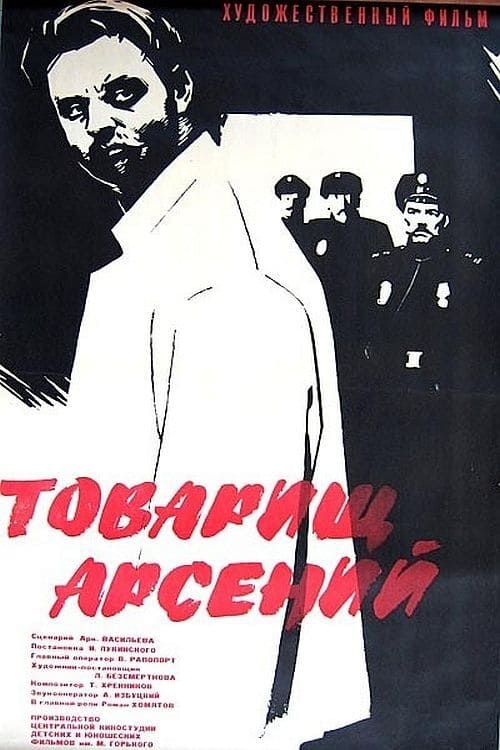
The first years of Bolshevik M.V. Frunze's revolutionary activity in the city of Ivanovo-Voznesensk.
Comrade Arseniy
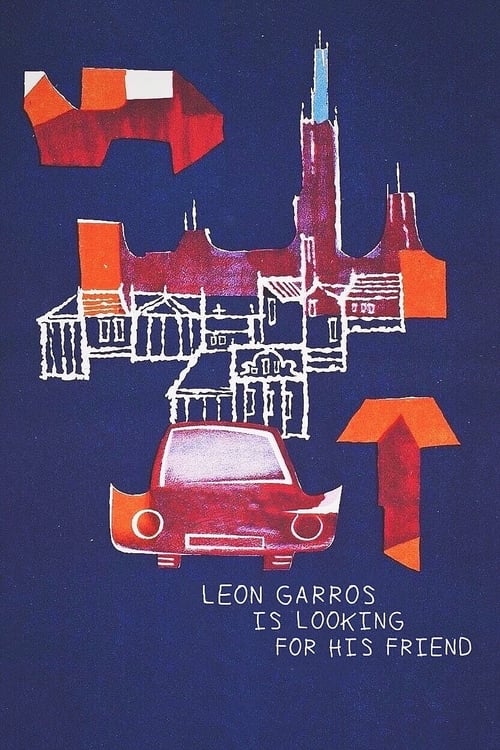
During World War II, the Frenchman Léon Garros and Boris Vaganov escape from the Nazi concentration camp. After 15 years, Léon, who became a journalist, and his friends came to the USSR to make a report and find Boris in the meantime. In Moscow he doesn't found, and for the sake of meeting with a friend, Garros has to travel around the country by car... The foreigners are accompanied by Nikolai, the translator, who, in turn, is looking for his brother's runaway bride, Natasha.
Leon Garros Is Looking for His Friend
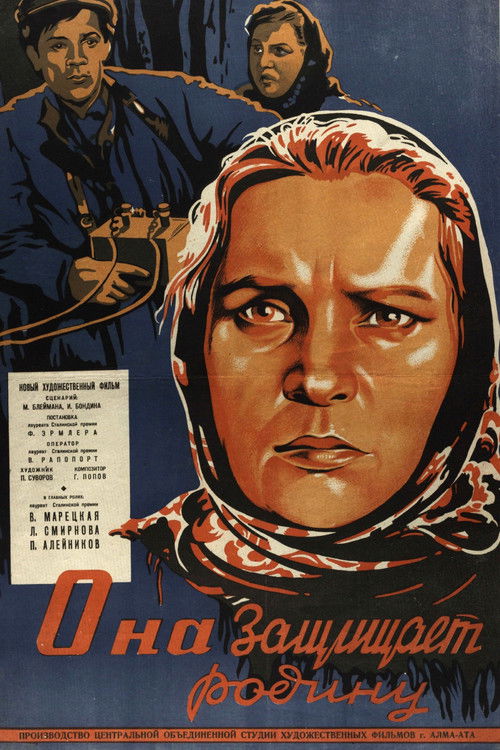
The first day of the war brings tragedy to a peasant woman, Pasha. Her husband and her toddler son die before her eyes. She and the other villagers leave to go into the woods. Pasha leads the villagers to fight some German troops. Coming out victories, the partisans become a feared opponent of the Germans, with the leadership of Comrade P.
No Greater Love
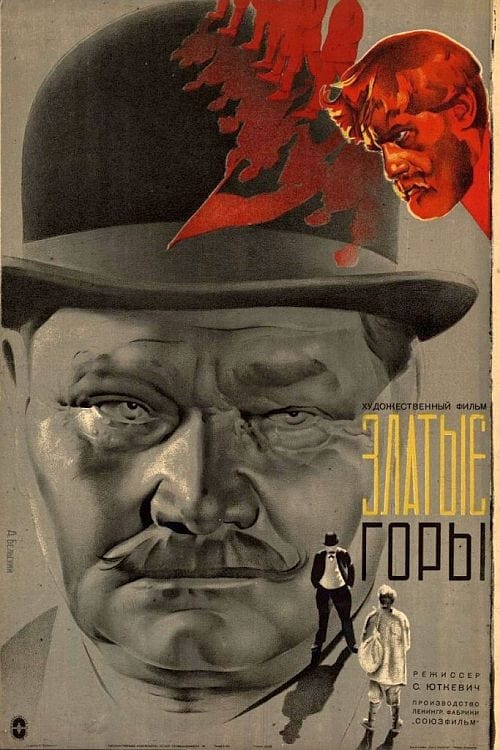
Soviet "proletarian" film about anti-war strike at St Petersburg factory, 1914. Resembles Pudovkin's classic "End of St. Petersburg," made 4 years earlier: backward lad (Poslavsky) from poor village comes to town desperate for work. He's hired as replacement ("scab") worker at big metallurgical factory, which is in the throes of a strike organized by the Bolsheviks (communists). The Bolshevik strikers are led by Ivan Shtraukh (brother of the more famous Russian actor Maxim Shtraukh). At first, the deceitful industrialist's son (Fedosev) involves the naive Poslavsky in an attempt to murder Shtraukh, but the attempt only wounds the heroic organizer. Will Poslavsky follow through with the planned killing, or will he redeem himself by going over to the side of the strikers?