Acting
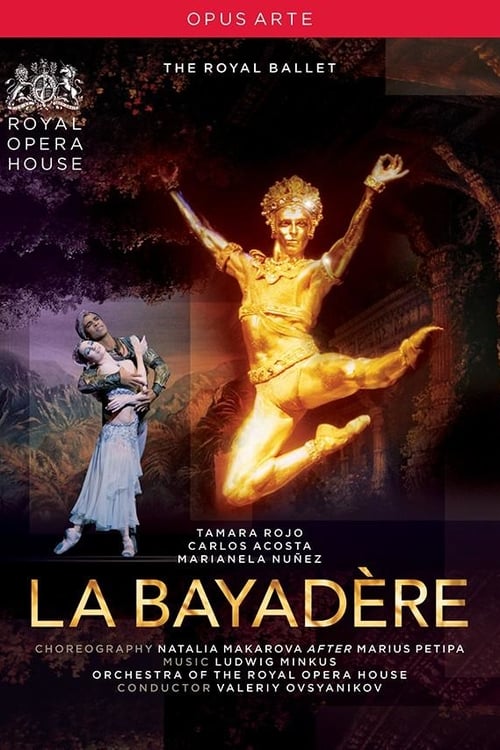
Marius Petipa’s exotic ballet set in legendary India is a story of love, death and vengeful judgement. Natalia Makarova’s sumptuous recreation of Petipa’s choreography, with atmospheric sets by Pier Luigi Samaritini and beautiful costumes by Yolanda Sonnabend, stars Tamara Rojo as the Bayadère (temple dancer) Nikiya, Carlos Acosta as Solor, and Marianela Nuñez as Gamzatti, whose alluring presence challenges Solor’s love for Nikiya. Live performance recorded in 2009.
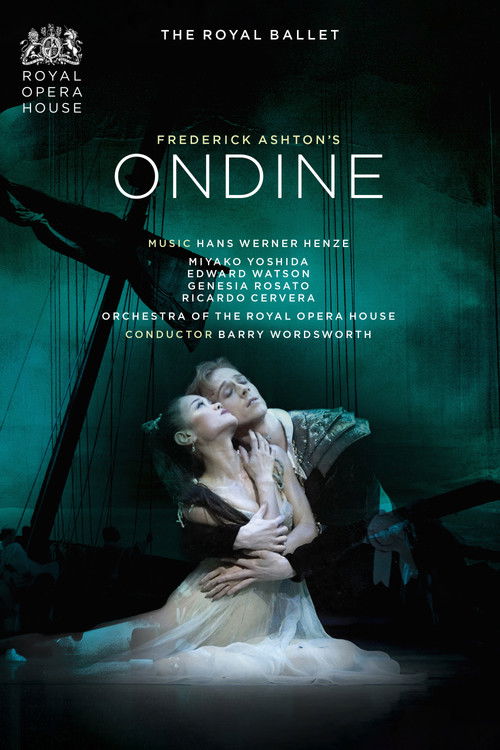
‘Ondine’, a ballet by Frederick Ashton, premiered at the Royal Opera House, Covent Garden, on 27 October 1958, with Margot Fonteyn in the title role of the water nymph. In this 2009 revival (27 May 2009 to 8 June 2009) at the Royal Opera House, Covent Garden, in London, the role of Ondine is performed by Miyako Yoshida, in the spellbinding underwater world of Ondine, staged by the Royal Ballet. Frederick Ashton’s shimmering choreography, Lila de Nobili’s impressionistic sets and Hans Werner Henze’s vibrant and inventive score, composed especially for the occasion, combine in an unforgettable way to evoke the myriad moods and colours of the sea.
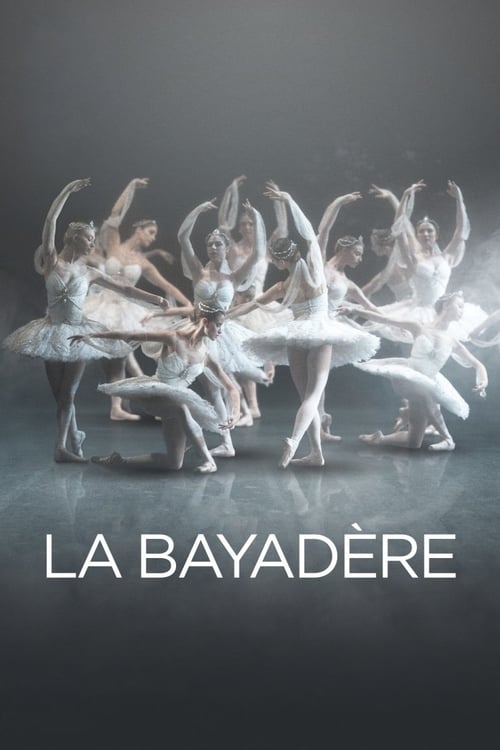
Set in the Royal India of the past, La Bayadère is a story of eternal love, mystery, fate, vengeance, and justice. The ballet relates the drama of a temple dancer (bayadère), Nikiya, who is loved by Solor, a noble warrior. She is also loved by the High Brahmin, but does not love him in return, as she does Solor.
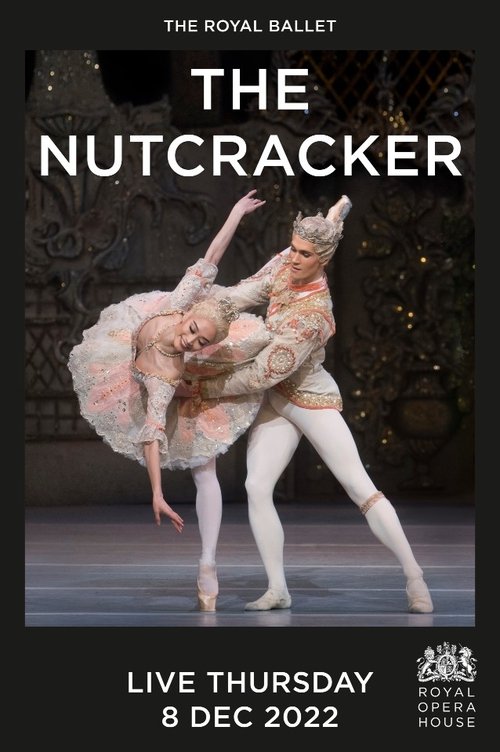
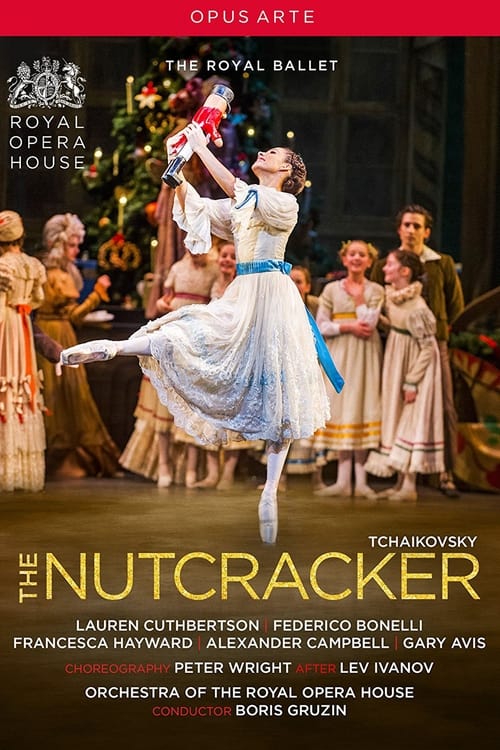
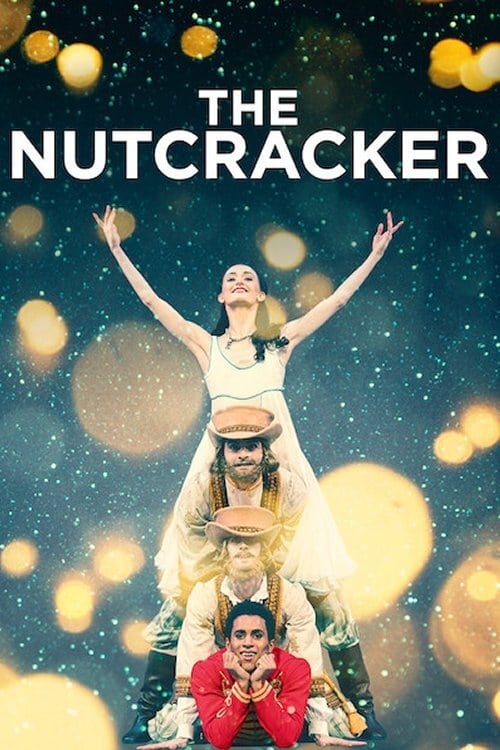
Join Clara at a delightful Christmas Eve party that becomes a magical adventure once everyone else is tucked up in bed. Marvel at the brilliance of Tchaikovsky’s score, as Clara and her enchanted Nutcracker fight the Mouse King and visit the Sugar Plum Fairy in the glittering Kingdom of Sweets. Peter Wright’s much-loved production for The Royal Ballet, with gorgeous period designs by Julia Trevelyan Oman, keeps true to the spirit of this festive ballet classic, combining the thrill of the fairy tale with spectacular dancing.
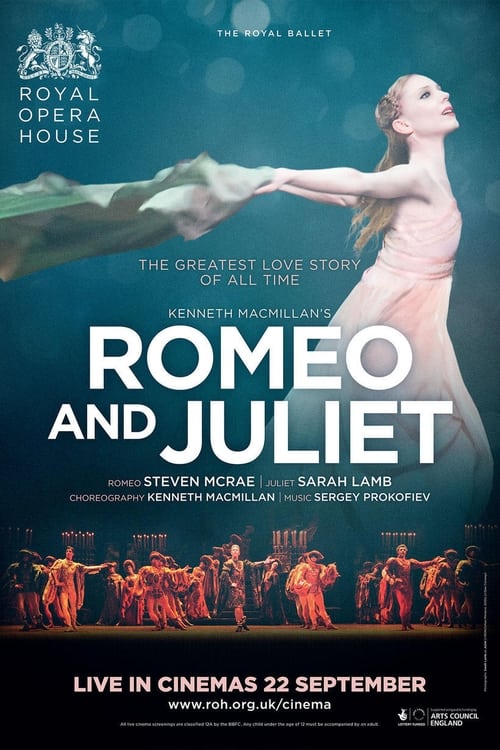
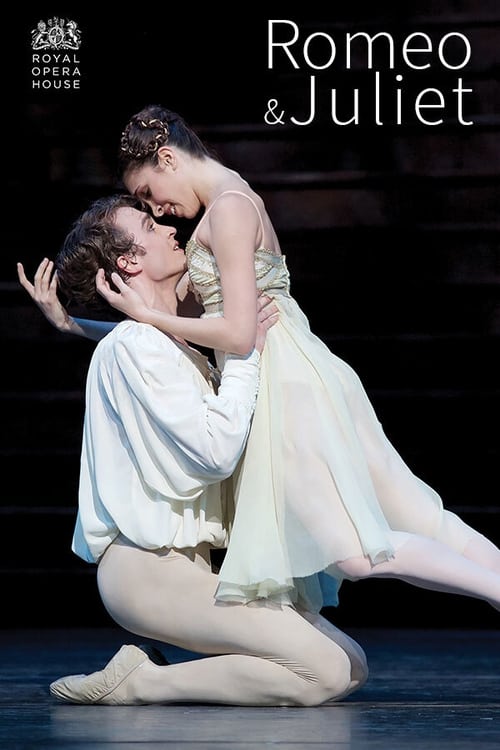
Kenneth MacMillan’s passionate choreography for Romeo and Juliet shows The Royal Ballet at its dramatic finest. Sergey Prokofiev’s famously evocative score is the driver for some of the most ardent pas de deux and powerful set pieces in ballet history. The vibrant crowd scenes with magnificent designs by Nicholas Georgiadis vividly recreate the color and bustle of 16th-century Verona in this Royal Ballet classic. “Yasmine Naghdi and Matthew Ball will hug their first Romeo and Juliet their whole lives. What a dream debut for these two youngsters…” (The Spectator) “Kenneth MacMillan was a consummate storyteller, and in Romeo and Juliet he came as close to perfection as it’s possible to get.” (Culture Whisper) “From the quarrelling townsfolk to the stately ball guests, this is a Romeo packed with life, the whole company caught up in the ballet’s unfolding tragedy.” (The Independent)
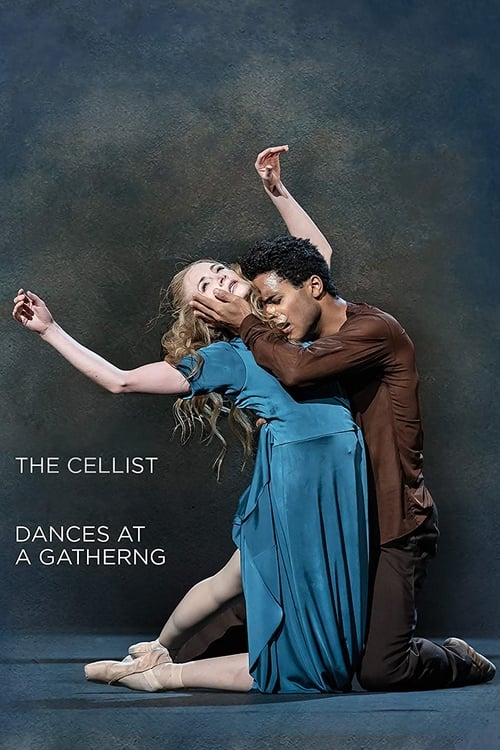
The Royal Ballet presents the world premiere of Cathy Marston's first work for the Company on the Main Stage alongside a revival of Jerome Robbins’s timeless classic of pure dance. The Cellist is a one-act ballet about British cellist Jacqueline du Pré, from her discovery of the cello through her celebrity as one of the most extraordinary players of the instrument to her frustration and struggle with multiple sclerosis. Jerome Robbins's Dances at a Gathering is a fluid exercise in pure dance for five couples, set to piano music by Fryderyk Chopin.
Kenneth MacMillan's passionate choreography for Romeo and Juliet shows The Royal Ballet at its dramatic finest. Sergey Prokofiev's iconic score provides the basis for the ballet's romantic pas de deux and vibrant crowd scenes, while 16th-century Verona is created by Nicholas Georgiadis's magnificent designs. In 1965, MacMillan's Romeo and Juliet was given its premiere at Covent Garden by The Royal Ballet and was an immediate success: the first night was met with rapturous applause, which lasted for 40 minutes, and an incredible 43 curtain calls. The title roles were danced by Rudolf Nureyev and Margot Fonteyn, although the ballet had been created on Christopher Gable and Lynn Seymour. It has been performed by The Royal Ballet more than four hundred times since, as well as touring the world, and has become a true classic of the 20th-century ballet repertory.
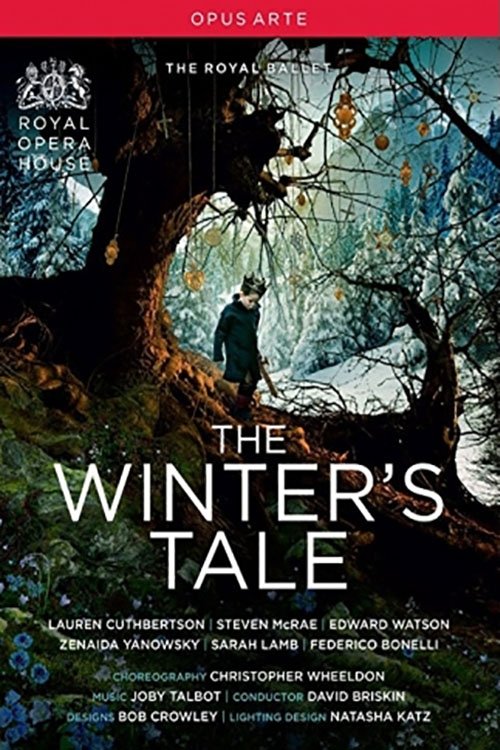
The story follows the destruction of a marriage through consuming jealousy, the abandonment of a child and a seemingly hopeless love. Yet, through remorse and regret – and after a statue comes miraculously to life – the ending is one of forgiveness and reconciliation. Wheeldon continues his highly successful collaboration with designer Bob Crowley and composer Joby Talbot, the team behind Alice, in one of the highlights of The Royal Ballet Season.
The young Clara creeps downstairs on Christmas Eve to play with her favourite present – a Nutcracker. But the mysterious magician Drosselmeyer is waiting to sweep her off on a magical adventure. After defeating the Mouse King, the Nutcracker and Clara travel through the Land of Snow to the Kingdom of Sweets, where the Sugar Plum Fairy treats them to a wonderful display of dances. Back home, Clara thinks she must have been dreaming – but doesn’t she recognize Drosselmeyer’s nephew?
The closing ceremony of the games of the XXXth Olympiad.
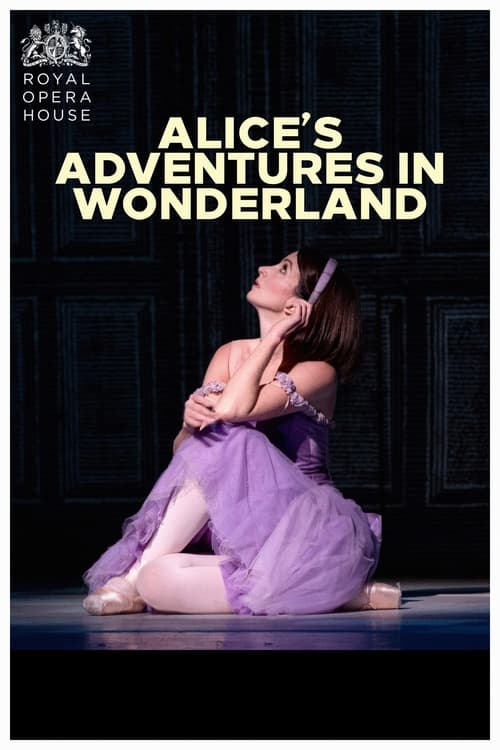
One sunny afternoon, during a garden party, young Alice sees with surprise how the writer Lewis Carroll, a friend of her parents, unusually turns into a white rabbit, and immediately feels the irrepressible desire to follow him into a magical rabbit hole.
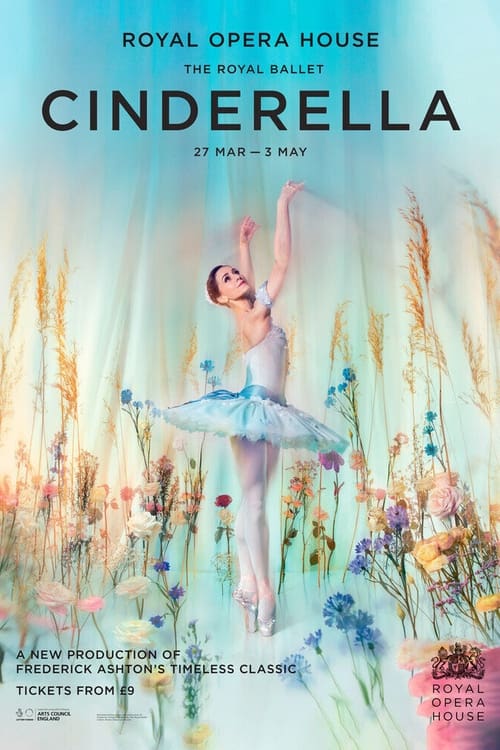
Royal Ballet Founder Choreographer Frederick Ashton’s Cinderella celebrates its 75th anniversary this Season. The ballet’s opening night in 1948, featuring Moira Shearer and Michael Somes in the lead roles, was received rapturously. After over a decade away from the Royal Opera House stage, Ashton’s timeless reworking of Charles Perrault’s famous rags-to-riches story returns, showcasing the choreographer’s deft musicality and the beauty of Prokofiev’s transcendent score. A creative team steeped in the magic of theatre, film, dance and opera brings new atmosphere to Cinderella’s ethereal world of fairy godmothers and pumpkin carriages, handsome princes and finding true love.
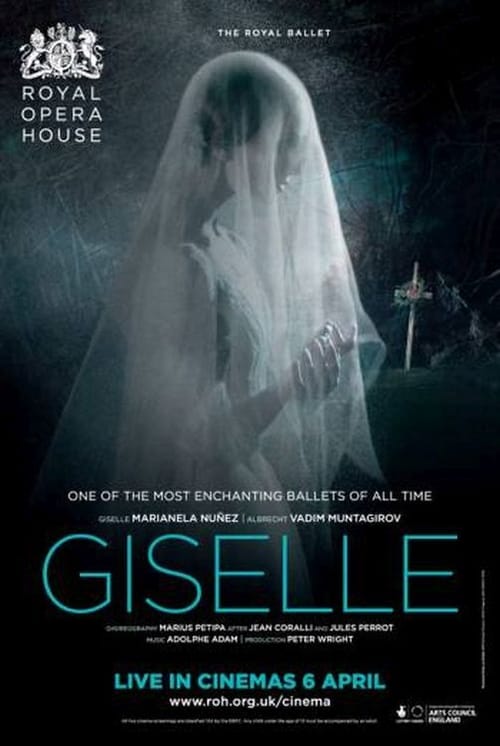
The peasant girl Giselle discovers the true identity of her lover Albrecht – and that he is promised to another. Giselle kills herself. Her soul enters the ranks of the Wilis – shades of young women who died before their wedding day. All men that come across their path are compelled to dance themselves to death, and Albrecht falls into their trap. Giselle’s intercession saves Albrecht and releases her soul from the Wilis’ power.
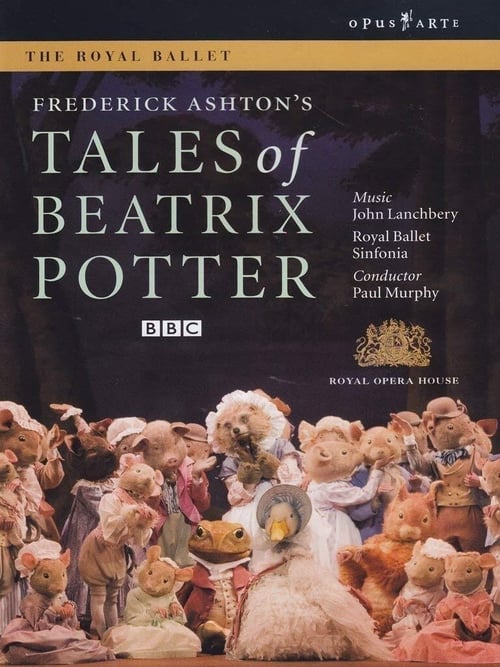
The Tales of Beatrix Potter is a 1992 ballet adapted for stage by Anthony Dowell from the 1971 film The Tales of Beatrix Potter that was choreographed by Frederick Ashton that in turn was based on the children's books by Beatrix Potter.
No description available.
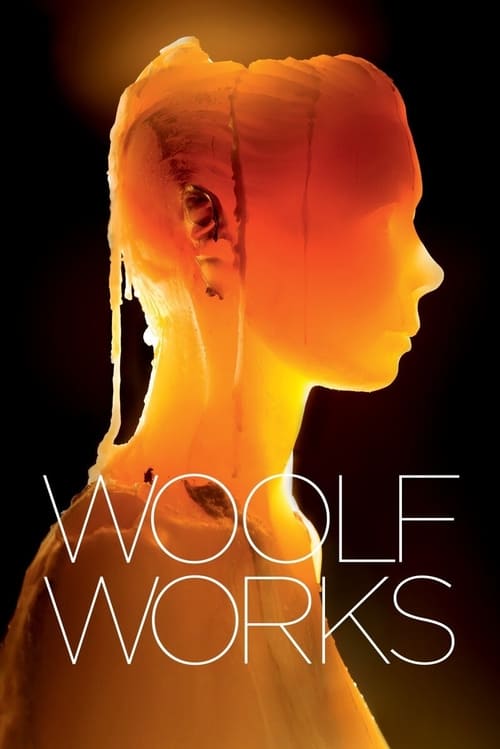
The first revival of Wayne McGregor’s critically acclaimed ballet triptych to music by Max Richter, inspired by the works of Virginia Woolf.
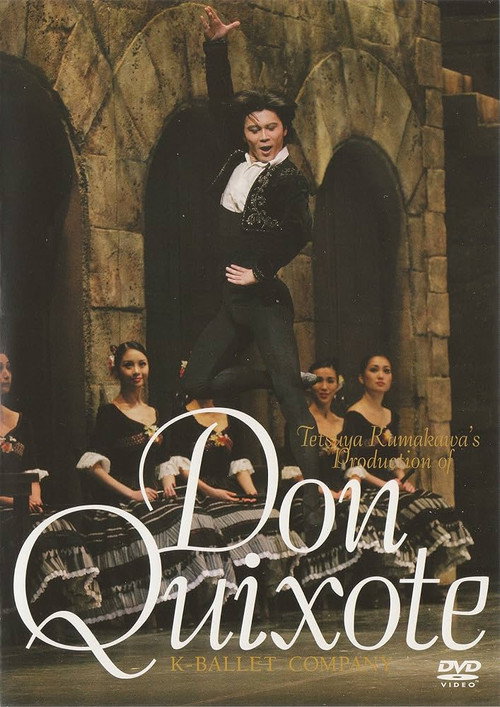
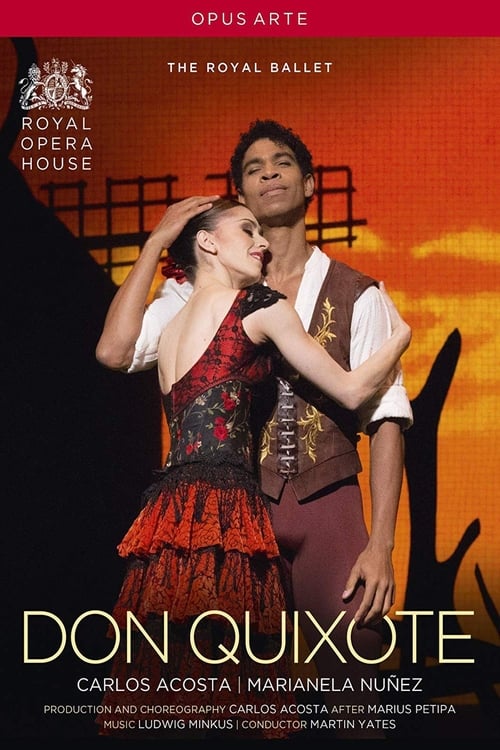
Carlos Acosta's first venture directing one of ballet's 19th century classics was eagerly anticipated, as was his own starring role in the production (as Basilio), opposite the Argentinian Royal Ballet principal Marianella Nuñez (Kitri). Still built on Petipa's original choreography, Acosta's clear dramatic structure and vivid stage action gave the ‘boy gets girl despite her father’ story a more convincing air than usual, with Don Quixote's parallel obsession with Dulcinea-Kitri coherently woven into the plot.
Clara is given an enchanted Nutcracker doll on Christmas Eve. As midnight strikes, she creeps downstairs to find a magical adventure awaiting her and her Nutcracker. Recorded on stage 3 December 2018—15 January 2019 as part of the Autumn 2018/19 season.
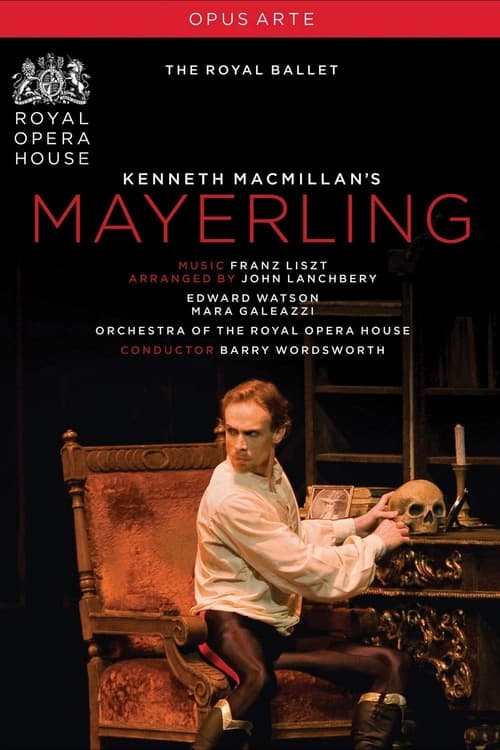
Edward Watson takes the role of Crown Prince Rudolf in Kenneth MacMillan's compelling ballet which lives out the final eight years of Rudolf's life with its relentless downward spiral of political intrigue, drugs and murder. It culminates with the suicide pact at the hunting lodge - known as Mayerling - between Rudolf and his 17-year-old mistress, Mary Vetsera (Mara Galeazzi). Filmed in high definition and recorded in true surround sound.
Tita, who lives on a ranch in Mexico, falls in love with a boy, Pedro, who lives nearby; but when they want to get married, Tita's family prevents it, because she must remain single to take care of her mother.